Cancer Stories
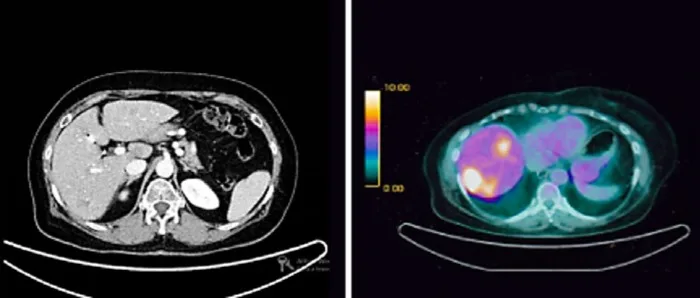 Breast Cancer
Bilateral Breast Cancers Followed by Metastatic Disease and Long Eribulin Treatment
Patient Info: Anonymized, female, 50s | Stage IV
Biomarkers: Left primary: ER 90%, HER2 FISH not amplified, Ki67 25%. Right primary: ER 90%
Metastatic Site: lung, pleura, liver, bone
 PubMed CentralBreast Cancer
Recurrent Breast Cancer With Liver Metastases Treated Through Multiple Chemotherapy Lines
Patient Info: Anonymized, female, 60s | Stage IV
Biomarkers: Initial tumor: ER positive, HER2 0. Liver metastasis: ER 100%
Metastatic Site: liver
PubMed CentralBreast CancerMetastatic Breast Cancer With Durable Liver and Peritoneal Response to Eribulin
Patient Info: Anonymized, female, 50s | Stage IV
Biomarkers: Initial tumor: ER 90%, PgR 70%. Liver metastasis: ER 60%, HER2 1+
Metastatic Site: liver, peritoneum
PubMed CentralBreast CancerMetastatic Breast Cancer Responding to Eribulin After Repeated Liver Progression
Patient Info: Anonymized, female, 50s | Stage IV
Biomarkers: ER 100%, HER2 negative
Metastatic Site: bone, liver
PubMed CentralBreast CancerHER2-Positive Recurrent Breast Cancer Treated With Multiple Targeted and Local Therapies
Patient Info: Anonymized, female, 50s | Stage IV
Biomarkers: 2008 recurrence: ER 80%, HER2 FISH amplified. 2011 recurrence: ER 80%
Metastatic Site: liver, skin
PubMed Central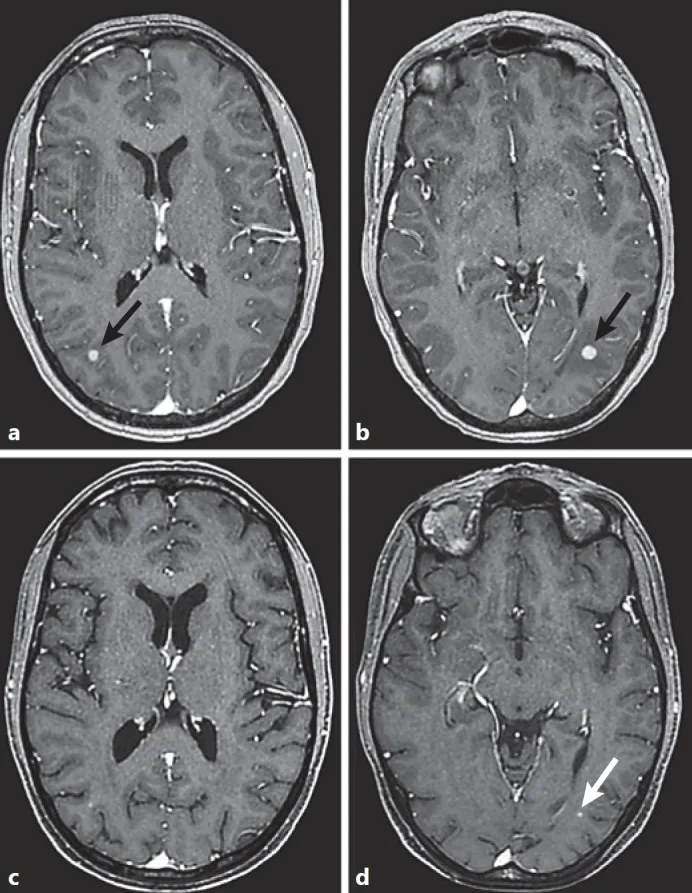 Breast Cancer
Patient Info: Anonymized, female, 40s | Stage IV
Biomarkers: Initial tumor: ER 90%, HER2 negative, Ki67 10%. Lung metastasis: ER 90%
Metastatic Site: lung, bone, brain, liver
PubMed Central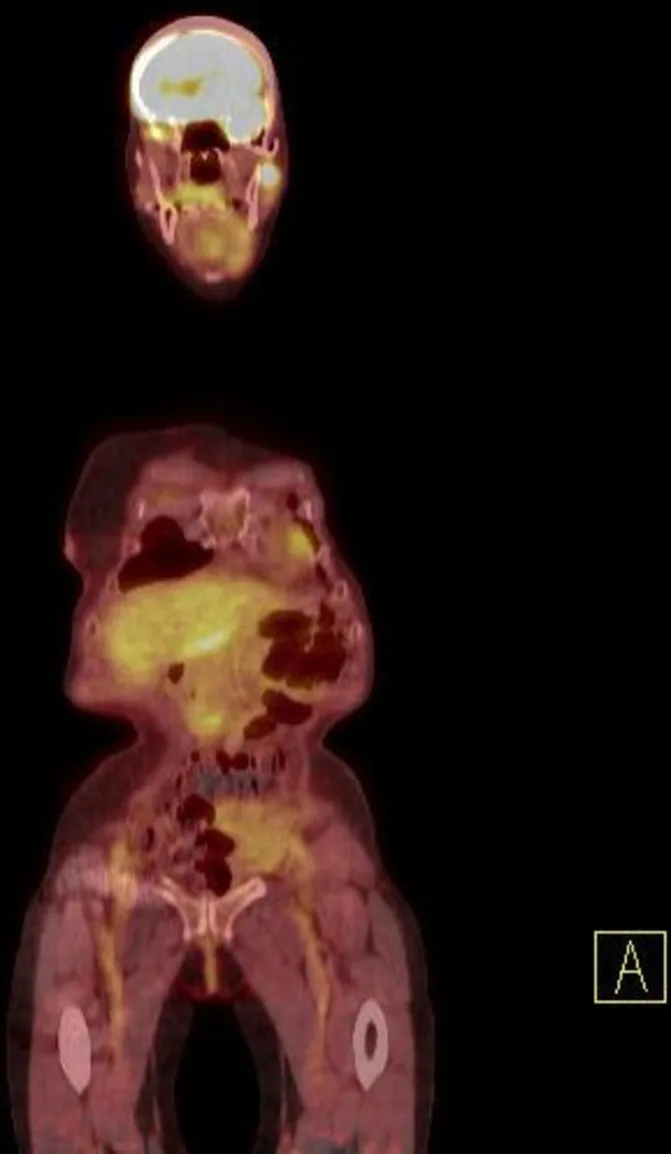 Breast Cancer
Breast cancer returning 21 years later as a solitary parotid metastasis
Patient Info: Anonymized, Female, 70+ | Stage IV
Biomarkers: Parotid metastasis ER positive; PR positive; HER2 borderline by IHC but FISH 1.82
Metastatic Site: left parotid gland
PubMed Central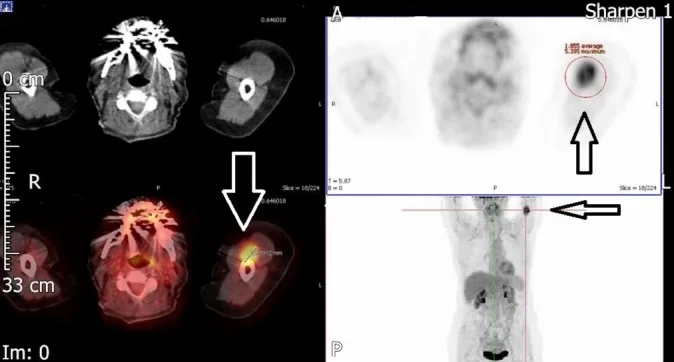 Breast Cancer
Breast cancer returning years later in the biceps muscle
Patient Info: Anonymized, Female, 60s | Stage IV
Biomarkers: ER positive
Metastatic Site: left biceps muscle
PubMed Central Breast Cancer
 Our Cancer Stories
 Breast Cancer
Patient Info: Anonymized, Female, 50s | Stage IV
Biomarkers: ER-positive; PR-positive; delayed-type hypersensitivity to AFTV became pseudo-positive after vaccination and remained pseudo-positive 5.4 years later
Metastatic Site: Th7 vertebra
PubMed Central Breast Cancer
ER-positive breast cancer recurrence with renal metastasis inside angiomyolipoma
Patient Info: Anonymized, Female, 60s | Stage IV
Biomarkers: ER-positive; mammaglobulin-positive; e-cadherin-positive; GCDFP-15-positive; melan A positive in angiomyolipoma component
Metastatic Site: right subpectoral lymph node, left kidney
PubMed Central Breast Cancer
Patient Info: Anonymized, Female, 50s | Stage IV
Biomarkers: ER-positive; PR-positive; HER2-negative; CK7-positive; gross cystic disease fluid protein-15-positive; CK20-negative
Metastatic Site: bilateral ovaries
PubMed Central Breast Cancer
Metastatic lobular breast cancer to gynecologic sites: disease-free after surgery and chemotherapy
Patient Info: Anonymized, Female, 50s | Stage IV
Biomarkers: ER-positive; PR-negative; HER2/C-Erb-B2-negative
Metastatic Site: vagina, uterus, ovaries
PubMed Central Breast Cancer
Metastatic lobular breast cancer to bladder trigone: partial response to tamoxifen
Patient Info: Anonymized, Female, 60s | Stage IV
Biomarkers: progesterone receptor-positive; genetic testing including BRCA1 negative
Metastatic Site: bladder trigone
PubMed Central Breast Cancer
Patient Info: Anonymized, Female, 60s | Stage IV
Biomarkers: Original breast cancer: ER-negative; PR-negative. Extraocular muscle metastasis/recurrent disease: ER strongly positive; PR strongly positive.
Metastatic Site: bilateral extraocular muscles, right upper lobe lung,…
PubMed Central