Paclitaxel for Breast Cancer: 167 Real Stories

167 stories match breast cancer and paclitaxel. 151 of them mention surgery.

A patient, who was diagnosed with Stage III Breast CancerBreast Cancer

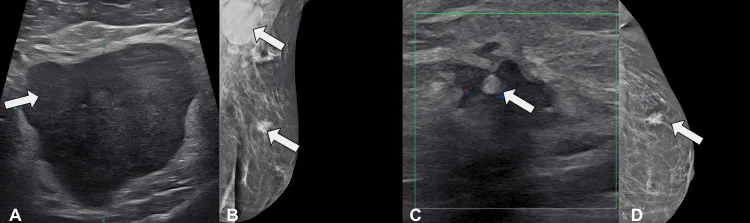
Stage IIIB male encapsulated papillary breast cancer: disease-free after surgery and adjuvant therapy

Patient Info: Anonymized, Male, 60s | Stage III

Biomarkers: ER-positive 100%; PR-positive 100%; HER2-negative / IHC 1+; p63 loss supported encapsulated papillary carcinoma; no neuroendocrine differentiation

Three years after diagnosis, he was clinically doing well without evidence of breast cancer recurrence after mastectomy, radiation, and tamoxifen.

PubMed Central
OutcomeCancer-Free / NED
A patient, who was diagnosed with Invasive Ductal CarcinomaBreast Cancer

Triple-negative node-positive breast cancer with complete pathologic response and benign nodal nevi

Patient Info: Anonymized, Female, 50s

Biomarkers: Triple-negative breast cancer; BRCA testing negative. Axillary melanocytic cells looked benign.

Pathology showed complete response in the breast, no residual breast carcinoma in the sampled specimen, and axillary nodal melanocytic proliferations interpreted as benign nodal nevi rather than metastatic melanoma or breast carcinoma.

PubMed Central
OutcomeCancer-Free / NED
A patient, who was diagnosed with Invasive Ductal CarcinomaBreast Cancer

Synchronous triple-negative breast cancer and rectal adenocarcinoma complicated by hepatitis B reactivation

Patient Info: Anonymized, Female, 50s

Biomarkers: Triple-negative breast cancer with pathogenic BRCA1 mutation; hepatitis B reactivation occurred during treatment.

At 3-year follow-up, she remained healthy and disease-free after treatment for synchronous triple-negative breast cancer and mid-rectal adenocarcinoma, with hepatitis B reactivation controlled on entecavir.

PubMed Central
OutcomeCancer-Free / NED
A patient, who was diagnosed with Stage IV Breast AdenocarcinomaBreast Cancer

Metastatic HER2-positive breast cancer complicated by medication-related osteonecrosis of the jaw

Patient Info: Anonymized, Female, 60s | Stage IV

Biomarkers: HER2-positive breast cancer. Jaw workup focused on osteonecrosis

Metastatic Site: bone / osseous metastasis

The case focused on metastatic HER2-positive breast cancer complicated by medication-related osteonecrosis of the jaw after antiresorptive therapy; dental pain improved transiently after oral-surgery interventions, but systemic cancer response was not described.

PubMed Central
OutcomeLiving With Cancer
A patient, who was diagnosed with Stage III Invasive Lobular CarcinomaBreast Cancer

Stage 3 breast cancer: complete pathological response to chemotherapy

Patient Info: Anonymized, Female, 60s | Stage III

Biomarkers: ER-positive; PR-positive; HER2-negative

At 1-year follow-up, she remained free of breast cancer; a thyroid nodule found on CT had no malignancy on fine-needle aspiration.

PubMed Central
OutcomeCancer-Free / NED
Lynn, who was diagnosed with Stage III Breast CancerBreast Cancer

Stage III Triple-Negative Breast Cancer: Lynn's Survivor Story

Patient Info: Lynn Leiro, Female, Under 40 | Stage III

Biomarkers: ER-negative; PR-negative; HER2-negative

Lynn achieved complete response after breast cancer treatment and remission from therapy-related acute lymphocytic leukemia after CAR T cell therapy and bone marrow transplant; as of July 2025, nearly 1 year post-transplant, she was doing better and getting stronger.

City of Hope
OutcomeCancer-Free / NED
A patient, who was diagnosed with Stage III Breast CancerBreast Cancer

Stage IIIB triple-negative breast cancer: complete response after LVAD-supported neoadjuvant immunotherapy

Patient Info: Anonymized, Female, 60s | Stage III

Biomarkers: ER-negative; PR-negative; HER2-negative; Ki-67 95%; nuclear grade 3, triple negative

As of July 2025, breast cancer remained in remission 2.5 years after mastectomy, after neoadjuvant paclitaxel/carboplatin/pembrolizumab, surgery, radiation, and 1 year of adjuvant pembrolizumab.

PubMed Central
OutcomeCancer-Free / NED
SM
Breast Cancer

Severe Melioidosis During Chemotherapy for Metastatic Breast Cancer

Patient Info: Anonymized, Female, 50s | Stage IV

A 58-year-old woman with metastatic breast cancer developed life-threatening melioidosis and severe low blood counts after her sixth chemotherapy cycle, requiring intensive infection treatment.

PubMed Central
OutcomeNot reported
Kathleen, who was diagnosed with Stage IV Breast CancerBreast Cancer

Stage IV HER2-Positive Breast Cancer: Kathleen's Patient Story

Patient Info: Kathleen McEvoy-Schufreider, female, 60s | Stage IV

Biomarkers: HER2-positive

Metastatic Site: liver, bones

Kathleen continued long-term treatment for metastatic breast cancer, including infusions every 3 weeks after resuming the PATINA regimen outside the trial.

Dana-Farber
OutcomeCare Ongoing
A patient, who was diagnosed with Stage IV Invasive Lobular CarcinomaBreast Cancer

Metastatic ER-positive pleomorphic lobular breast cancer: psoas metastasis and stable disease on eribulin

Patient Info: Anonymized, Female, 70+ | Stage IV

Biomarkers: Primary and chest-wall recurrence were ER/PR positive, HER2 negative. Later psoas metastasis was ER positive, PR/HER2 negative.

Metastatic Site: skin of left chest wall; bone; left psoas muscle;…

As of May 2025, one year after diagnosis of malignant psoas syndrome from breast cancer metastasis, she remained on outpatient treatment with eribulin and had stable disease.

PubMed Central
OutcomeLiving With Cancer
A patient, who was diagnosed with Breast CancerBreast Cancer

Triple-negative sebaceous carcinoma of the breast: no recurrence after multimodality treatment

Patient Info: Anonymized, Female, Under 40

Biomarkers: Triple-negative sebaceous breast carcinoma; EMA-positive; Ki-67 50-60%; inherited breast/ovarian cancer testing negative for pathogenic variants.

As of May 2025, after surgery, adjuvant chemotherapy, and radiation, she had 5 years of follow-up with no evidence of neoplastic recurrence.

PubMed Central
OutcomeCancer-Free / NED
Kelsey, who was diagnosed with Stage II Breast CancerBreast Cancer

Stage II HR-Positive Breast Cancer: Kelsey's Patient Story

Patient Info: Kelsey, Female, Under 40 | Stage II

Biomarkers: ER-positive

As of May 2025, Kelsey had completed chemotherapy, double mastectomy with reconstruction, and 16 radiation sessions, and was continuing tamoxifen with Verzenio planned for 2 years plus Lupron ovarian-suppression shots.

The Patient Story
OutcomeCare Ongoing
Christine, who was diagnosed with Stage III Breast CancerBreast Cancer

Stage III HR-Positive Breast Cancer: Christine's Survivor Story

Patient Info: Christine, Female, Under 40 | Stage III

Biomarkers: ER-positive; PR-positive; HER2-positive

Three years after diagnosis, Christine described herself in the survivorship stage and focused on the physical and emotional effects that continued after active treatment.

The Patient Story
OutcomeSurvivorship / Surveillance
Samantha, who was diagnosed with Stage IV Invasive Ductal CarcinomaBreast Cancer

Stage IV HR-Positive Invasive Ductal Carcinoma: Samantha's Patient Story

Patient Info: Samantha, Female, Under 40 | Stage IV

Biomarkers: ER-positive; PR-positive; HER2-positive

Metastatic Site: Rib; spine; pelvis

After a mixed response on the radium trial, Samantha changed to anastrozole and abemaciclib. She described the newer hormone-targeted combination as easier to tolerate and working better while remaining in ongoing treatment.

The Patient Story
OutcomeLiving With Cancer / Ongoing Therapy
A patient, who was diagnosed with Stage I Invasive Ductal CarcinomaBreast Cancer

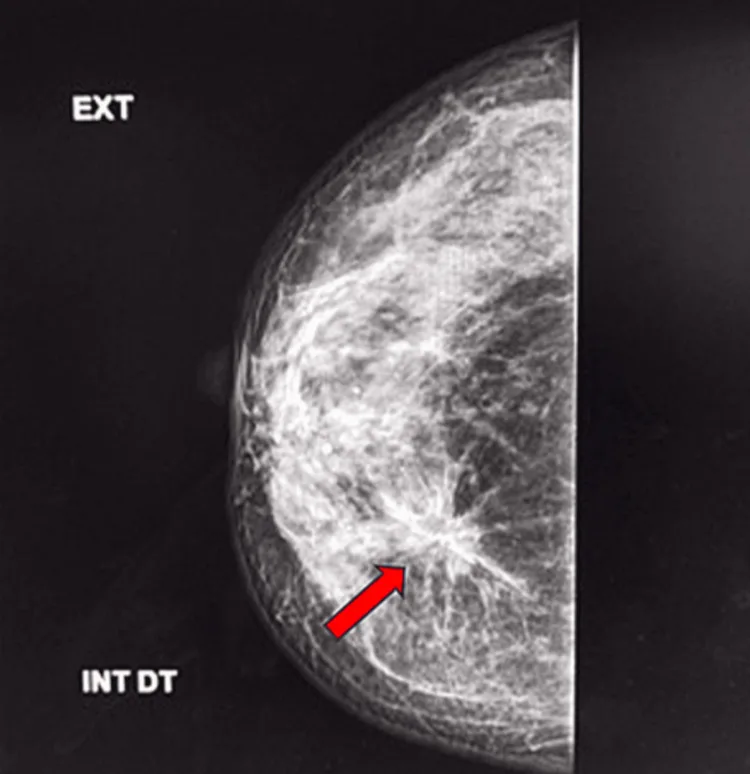
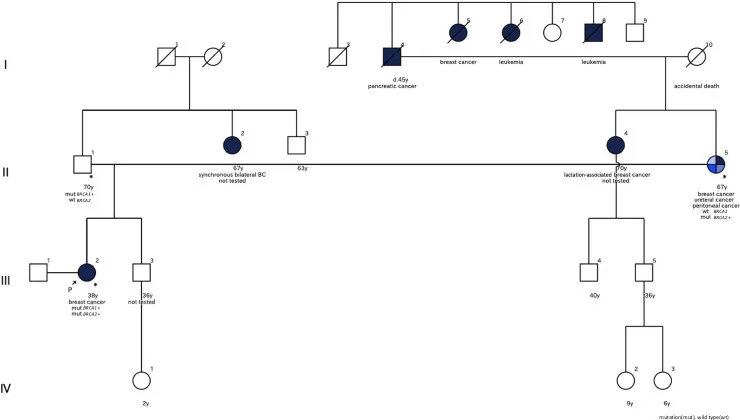
Breast Cancer in a Woman Carrying Both BRCA1 and BRCA2 Mutations

Patient Info: Anonymized, Female | Stage I

Biomarkers: ER-positive, PR-positive, HER2-negative, BRCA1 pathogenic variant, BRCA2 pathogenic variant

Remained free of recurrence 17 months after treatment.

PubMed Central
OutcomeCancer-Free / NED
A patient, who was diagnosed with Invasive Ductal CarcinomaBreast Cancer

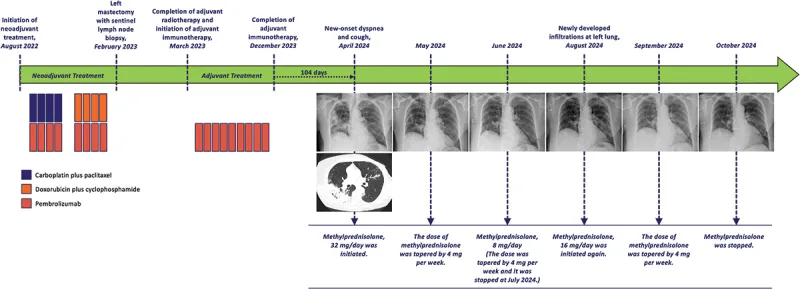
Lung inflammation from pembrolizumab immunotherapy returned months after stopping treatment

Patient Info: Anonymized, Female, 70+

Biomarkers: Estrogen receptor-negative; progesterone receptor-negative; HER2-negative

Surgery confirmed a pathologic complete response, and she remained in breast-cancer remission during routine follow-up after treatment for recurrent pembrolizumab-related pneumonitis.

PubMed Central
OutcomeCancer-Free / NED
A patient, who was diagnosed with Stage IV Breast CancerBreast Cancer

Metastatic Neuroendocrine Breast Cancer With Severe Hormone Overproduction

Patient Info: Anonymized, Female, Under 40 | Stage IV

Biomarkers: ER-negative, PR focally positive, HER2-negative, PIK3CA mutation

Metastatic Site: liver, bone

Died after rapid deterioration and cardiac arrest during progressive metastatic disease.

PubMed Central
OutcomeIn Memory
Maggie, who was diagnosed with Stage IV Breast CancerBreast Cancer

Stage IV Triple-Negative Breast Cancer: Maggie's Survivor Story

Patient Info: Maggie, Female | Stage IV

Biomarkers: ER-negative; PR-negative; HER2-negative

Metastatic Site: lungs, lymph nodes; possible liver

Diagnosed in 2022 with de novo Stage IV triple-negative breast cancer involving the lungs and lymph nodes, with possible liver involvement. After entering a chemotherapy/immunotherapy clinical trial, she reported being cancer-free / no evidence of disease for well over 1 year as of February 2025.

The Patient Story
OutcomeCancer-Free / NED
Chance, who was diagnosed with Stage II Breast CancerBreast Cancer

Facing Triple-Negative Breast Cancer: Chance’s Story

Patient Info: Chance, Female, Under 40 | Stage II

Biomarkers: ER-negative; PR-negative; HER2-negative; BRCA1 mutation

As of February 2025, Chance described follow-up after Stage II BRCA1-associated triple-negative breast cancer and stated that she did not currently have cancer, while continuing close surveillance.

The Patient Story
OutcomeCancer-Free / NED