Letrozole for Breast Cancer: 83 Real Stories

83 stories match breast cancer and letrozole. 70 of them mention hormone therapy.

Kate, who was diagnosed with Stage IV Breast CancerBreast Cancer

Kate's Story: How I Lean Into Every Day With MBC

Patient Info: Kate | Stage IV

Biomarkers: ER-positive, HER2-negative

Metastatic Site: liver

7+ years living with de novo metastatic ER-positive, HER2-negative breast cancer with liver metastases while remaining on first-line palbociclib and letrozole.

breastcancer.org
OutcomeLiving With Cancer
A patient, who was diagnosed with Stage II Breast CancerBreast Cancer

R S

Patient Info: R S | Stage II

R S was still receiving treatment and was taking Femara after choosing a plan that included mastectomy, radiation therapy, and hormonal therapy.

Our Cancer Stories
OutcomeCare Ongoing
Kattysmith, who was diagnosed with Stage IV Breast CancerBreast Cancer

Stage IV Breast Cancer: Kattysmith's Patient Story

Patient Info: Kattysmith, Female, 60s | Stage IV

Metastatic Site: lymphatic system; skin/soft-tissue nodules; possible…

After AC chemotherapy, the metastatic nodules shrank markedly. Kattysmith was stable on palbociclib and letrozole with declining tumor markers, while clearly stating that she was not NED.

breastcancer.org
OutcomeResponding Well
Katie, who was diagnosed with Stage IV Invasive Lobular CarcinomaBreast Cancer

Stage IV Invasive Lobular Carcinoma: Katie's Patient Story

Patient Info: Katie, Female, 50s | Stage IV

Metastatic Site: Stomach | Pelvis | Spine

Katie was living with metastatic ILC involving the stomach wall, pelvis, and spine while taking ribociclib (Kisqali) with letrozole, with improved stomach findings and stable spine metastases after 6 rounds.

Lobular Breast Cancer Alliance
OutcomeResponding Well
Genevieve, who was diagnosed with Breast CancerBreast Cancer

Breast Cancer: Genevieve's Survivor Story

Patient Info: Genevieve, Female, 40s

Biomarkers: 1987 tumor not hormone-receptive; 2017 tumor hormone-receptive. 2022 full marker panel not stated.

After breast cancer episodes beginning in 1987, another tumor in 2017, and cancer found again in 2022, PET scans every 3-4 months were clear and she described herself as in remission again as of May 2025.

breastcancer.org
OutcomeCancer-Free / NED
SI
Breast Cancer

Stage I luminal A invasive ductal breast cancer with post-treatment cognitive symptoms

Patient Info: Anonymized, Female, 70+ | Stage I

Biomarkers: ER 100% positive; PR 95% positive; HER2 score 0 / HER2-negative; Ki-67 10%; P63 negative

As of April 2026, the case focused on survivorship after Stage I luminal A breast cancer treatment, with cognitive complaints after chemotherapy and improved MoCA and depression scores after 12 sessions of tDCS; brain metastases had been ruled out.

PubMed Central
OutcomeSurvivorship / Completed Treatment
Erica, who was diagnosed with Stage IV Breast CancerBreast Cancer

Stage IV Breast Cancer: Erica's Patient Story

Patient Info: Erica, Female, 40s | Stage IV

Biomarkers: Hormone-positive; HER2-negative

Metastatic Site: Bone — ribs, sternum, spine, femur/right hip, shoulder…

Living with stable Stage IV hormone-positive, HER2-negative metastatic breast cancer involving multiple bones, currently managed with monthly hormone-suppressant injections and monitoring.

The Patient Story
OutcomeLiving With Cancer
A patient, who was diagnosed with Stage IV Invasive Lobular CarcinomaBreast Cancer

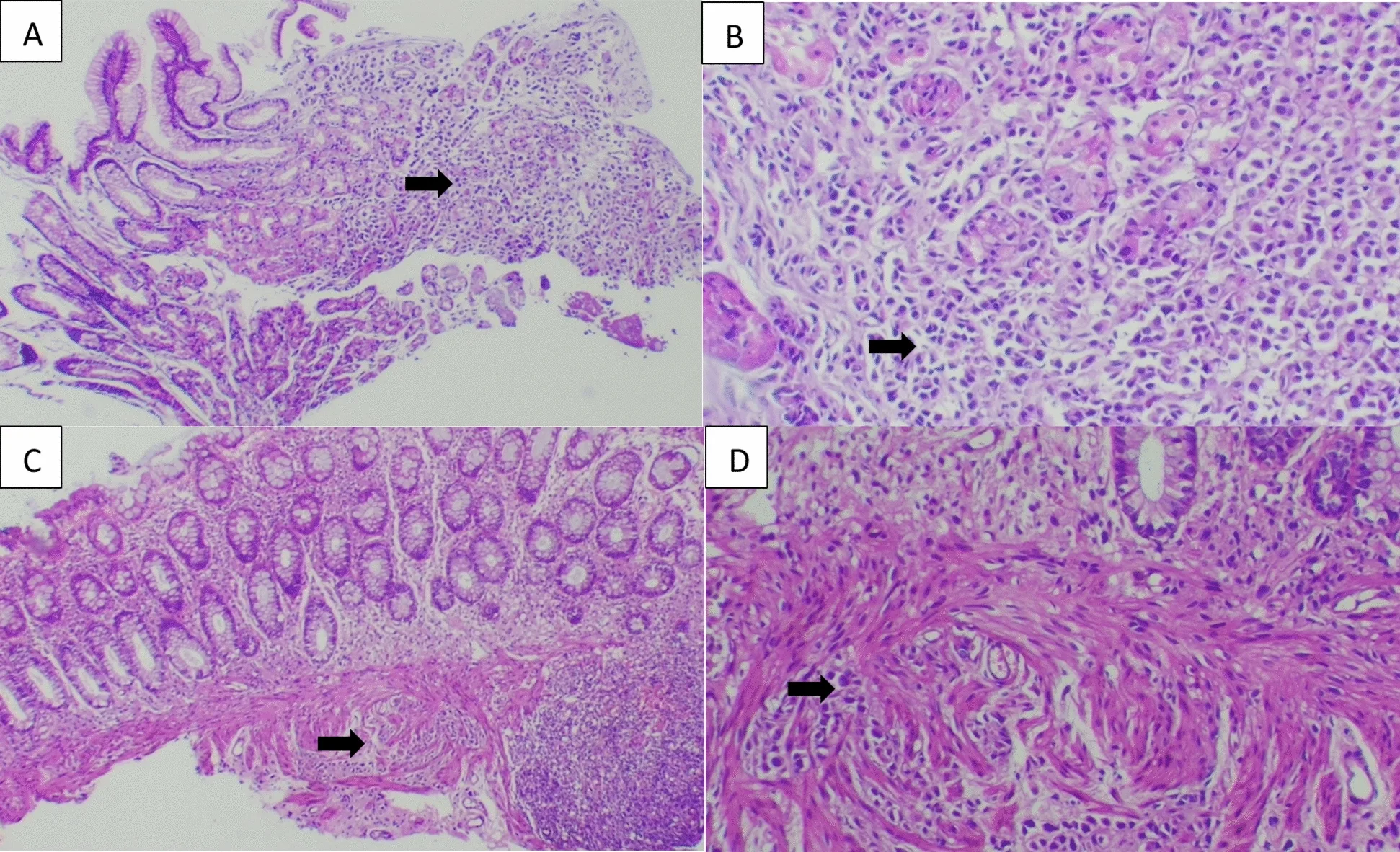
Metastatic invasive lobular breast cancer with stomach, ovarian, peritoneal, rectal, and jejunal spread

Patient Info: Anonymized, Female, 40s | Stage IV

Biomarkers: Primary tumor and gastric metastasis were ER/PR positive and HER2 negative; GATA3 supported breast origin in the metastasis.

Metastatic Site: stomach; ovaries; peritoneum; rectum; jejunum

During 2025, she remained under active oncologic management for metastatic invasive lobular breast cancer with gastrointestinal, ovarian, peritoneal, rectal, and jejunal involvement.

PubMed Central
OutcomeLiving With Cancer
A patient, who was diagnosed with Stage III Invasive Ductal CarcinomaBreast Cancer

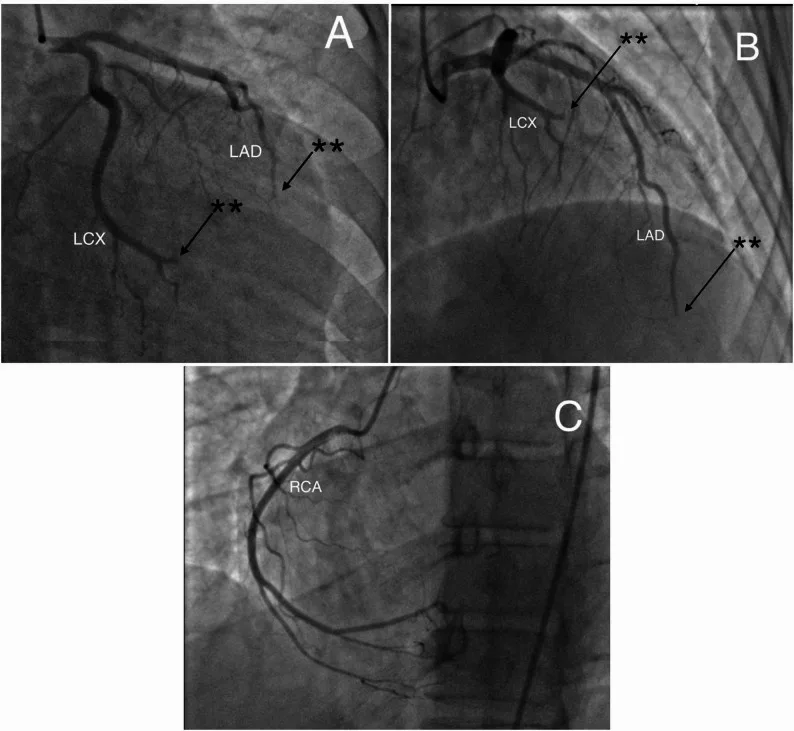
Stage III Breast Cancer Treatment Complicated by Coronary Thrombosis

Patient Info: Anonymized, female, 40s | Stage III

Biomarkers: ER-positive; PR-positive; HER2-negative; Ki-67 25–30%

She achieved complete remission about 12 months after the myocardial infarction and remained in complete oncologic remission at 44 months.

PubMed Central
OutcomeCancer-Free / NED
A patient, who was diagnosed with Stage IV Invasive Ductal CarcinomaBreast Cancer

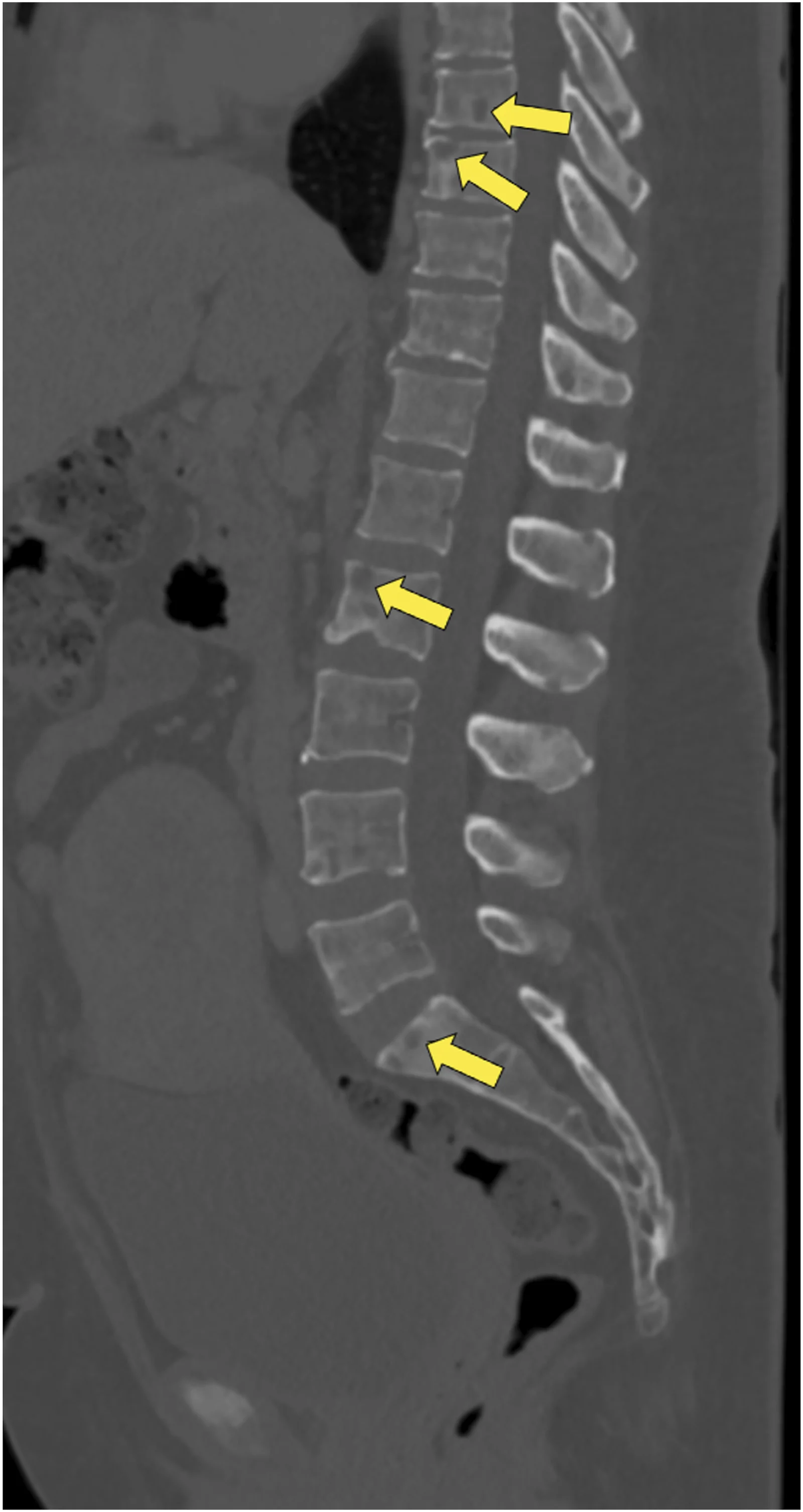
Breast Cancer Discovered After Widespread Bone Metastases

Patient Info: Anonymized, female, 40s | Stage IV

Biomarkers: ER 90–95%; PR 90–95%; HER2 IHC 0; Ki-67 5%; germline BRCA1/2 negative

Metastatic Site: bone, bone marrow

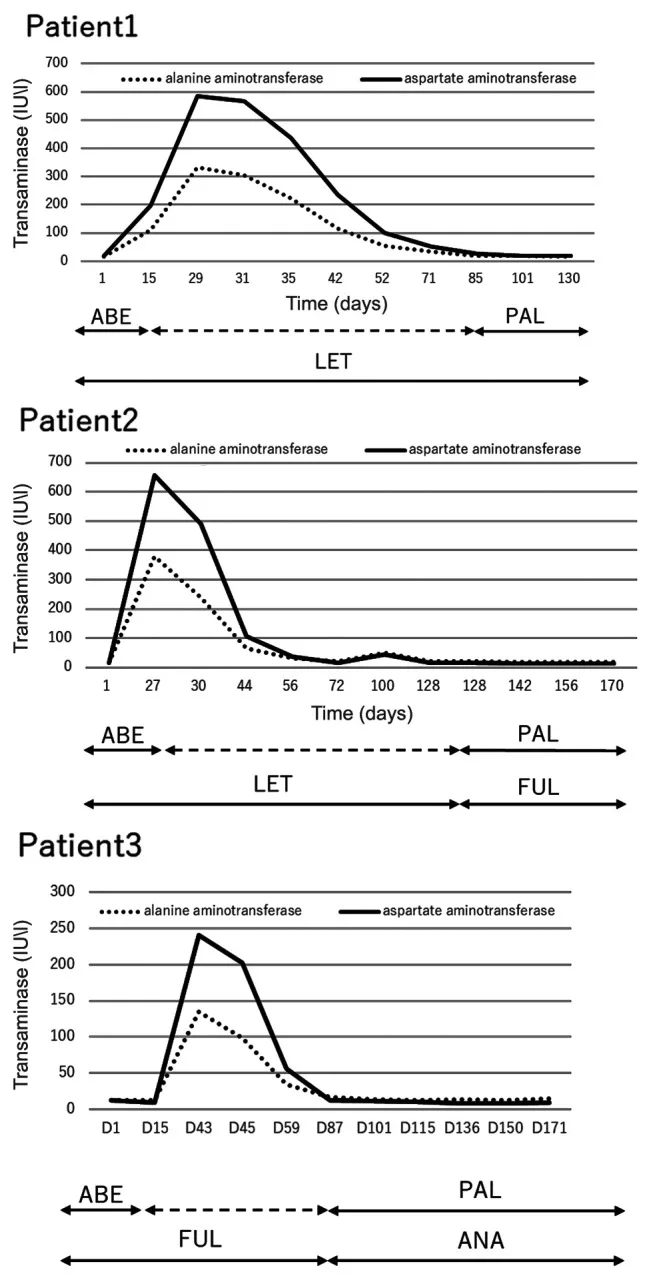
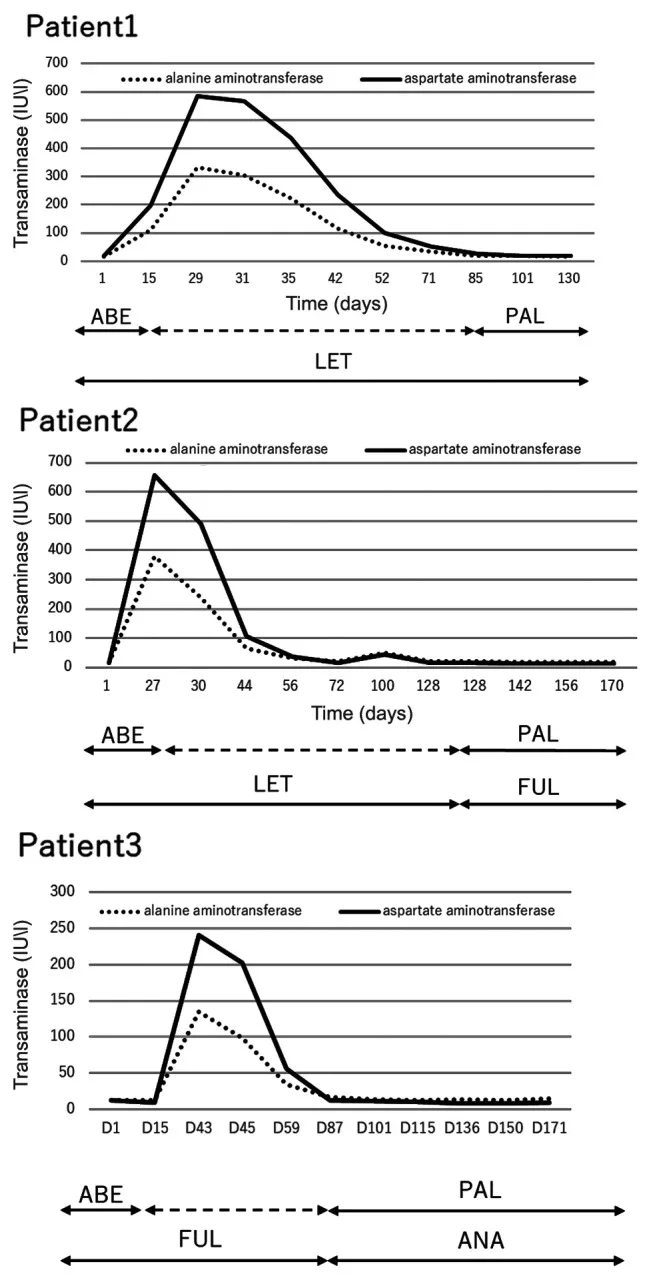
She was receiving ongoing letrozole and ribociclib for Stage IV hormone receptor-positive, HER2-negative breast cancer with diffuse bone involvement.

PubMed Central
OutcomeCare Ongoing
A patient, who was diagnosed with Stage I Invasive Ductal CarcinomaBreast Cancer

Male breast cancer history complicated by suspected bone disease and later IgG-kappa multiple myeloma

Patient Info: Anonymized, Male, 60s | Stage I

Biomarkers: Breast cancer was ER/PR-positive and HER2-negative by FISH. Later workup showed IgG-kappa multiple myeloma with IgH rearrangement.

The patient achieved very good partial response after KBD and completed autologous hematopoietic stem cell transplantation with engraftment, but later died of a novel coronavirus infection.

PubMed Central
OutcomeIn Memory
A patient, who was diagnosed with Breast CancerBreast Cancer

Hormone receptor-positive breast cancer treated with pembrolizumab trial complicated by acquired lipodystrophy

Patient Info: Anonymized, Female, 40s

Biomarkers: HER2-negative breast cancer. Metabolic changes occurred during/after pembrolizumab.

As of December 2025, breast cancer treatment had included neoadjuvant chemotherapy/pembrolizumab, surgery, adjuvant pembrolizumab, and endocrine therapy; CT did not show recurrence during weight-loss evaluation, but she required ongoing metabolic care for pembrolizumab-associated acquired generalized lipodystrophy.

PubMed Central
OutcomeCare Ongoing
A patient, who was diagnosed with Stage IV Invasive Ductal CarcinomaBreast Cancer

Stage IV ER/PR-positive breast cancer with retinal vein and artery occlusion during endocrine-targeted therapy

Patient Info: Anonymized, Female, 50s | Stage IV

Biomarkers: ER 70%; PR 100%; HER2-negative; Ki-67 10%

Metastatic Site: bone (cranial vault, right first rib, sternum, D5, D6,…

As of November 2025, she continued care for Stage IV ER/PR-positive breast cancer with bone metastases while also managing severe left-eye retinal vascular occlusion and limited visual recovery.

PubMed Central
OutcomeCare Ongoing
A patient, who was diagnosed with Stage IV Breast AdenocarcinomaBreast Cancer

Synchronous EGFR-mutated lung adenocarcinoma and metastatic breast cancer: surgery and adjuvant therapy

Patient Info: Anonymized, Female, 50s | Stage IV

Biomarkers: Two cancers: lung adenocarcinoma with EGFR exon 19 deletion; breast cancer ER-positive, PR-low, HER2 non-amplified.

Metastatic Site: lung

Follow-up CT on 26 December 2024 showed no recurrence, with disease-free survival estimated at 27 months to 1 April 2025 while on icotinib and letrozole maintenance.

PubMed Central
OutcomeCancer-Free / NED
Stacy, who was diagnosed with Stage III Invasive Lobular CarcinomaBreast Cancer

Stage III Invasive Lobular Carcinoma: Stacy's Survivor Story

Patient Info: Stacy, Female | Stage III

Biomarkers: Hormone receptor-positive; HER2-negative

Stacy completed chemotherapy, mastectomy, radiation and reconstruction. She remained under regular monitoring and was taking Letrozole as part of a planned 10-year course.

Lobular Breast Cancer Alliance
OutcomeCare Ongoing / Survivorship
A patient, who was diagnosed with Stage IV Invasive Lobular CarcinomaBreast Cancer

Triple-negative metastatic breast cancer with pituitary metastasis: symptom relief after debulking

Patient Info: Anonymized, Female, 60s | Stage IV

Biomarkers: Pituitary metastasis was triple-negative breast cancer with no HER2 amplification.

Metastatic Site: liver; bone/skull; right breast; left orbit/optic…

Transsphenoidal debulking relieved visual symptoms and 6-month MRI showed no pituitary recurrence, while known metastatic breast cancer at other sites remained part of her ongoing cancer course.

PubMed Central
OutcomeLiving With Cancer
Linda, who was diagnosed with Stage IV Breast CancerBreast Cancer

Stage IV Breast Cancer: Linda's Patient Story

Patient Info: Linda Norman, Female, 60s | Stage IV

Metastatic Site: Bone: humerus/shoulder region

As of August 2025, Linda was 1 year into treatment for bone-metastatic breast cancer with letrozole, Verzenio, and bone-strengthening infusions; scans showed the tumor had not grown and bone scarring suggested healing.

Susan G. Komen
OutcomeResponding Well
A patient, who was diagnosed with Stage IV Breast CancerBreast Cancer

Metastatic hormone receptor-positive breast cancer: palbociclib and fulvestrant during dialysis

Patient Info: Anonymized, Female, 60s | Stage IV

Biomarkers: ER-positive; PR-negative; HER2 0 / HER2-negative; Ki-67 20.1%

Metastatic Site: lung, pleura, bone, right supraclavicular lymph node

As of August 2025, metastatic breast cancer had remained stable for 18 months on fulvestrant plus dialysis-adjusted palbociclib dosing, with hematologic toxicity managed through treatment interruptions, transfusion, and dose reduction.

PubMed Central
OutcomeLiving With Cancer
A patient, who was diagnosed with Stage IV Invasive Lobular CarcinomaBreast Cancer

HER2-low lobular breast cancer with bone marrow involvement responding to T-DXd

Patient Info: Anonymized, Female | Stage IV

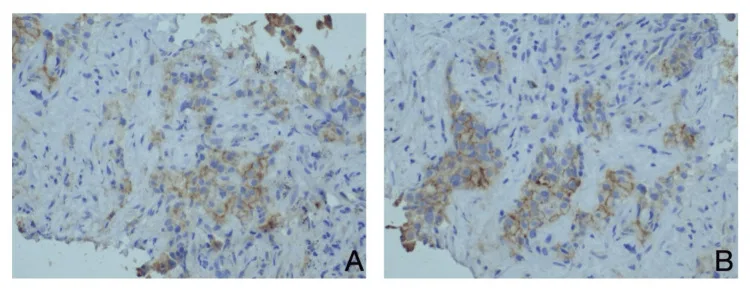
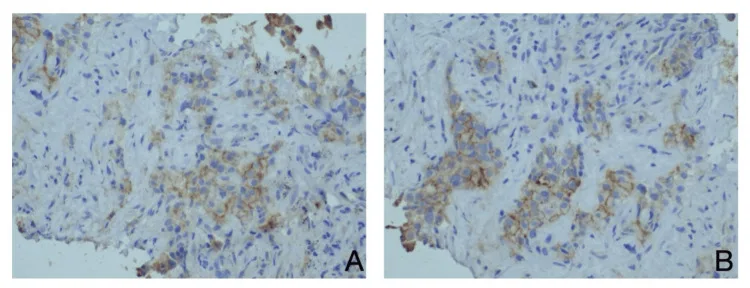
Biomarkers: Initial surgical specimen: ER-positive; PR-negative; HER2-negative. Bone marrow relapse: breast cancer infiltration with low HER2 staining.

Metastatic Site: bone marrow

Two years after starting T-DXd, this patient remained free of bone marrow disease and continued the same treatment regimen.

PubMed Central
OutcomeCancer-Free / NED
A patient, who was diagnosed with Stage IV Invasive Lobular CarcinomaBreast Cancer

HER2-low lobular breast cancer with bone marrow involvement treated with T-DXd

Patient Info: Anonymized, Female | Stage IV

Biomarkers: Initial surgical specimen: ER-positive; PR-negative; HER2-negative. Bone marrow relapse: breast cancer infiltration with low HER2 staining.

Metastatic Site: bone marrow

Two years after starting T-DXd, this patient remained free of bone marrow disease and continued the same treatment regimen.

PubMed Central
OutcomeCancer-Free / NED