Letrozole for Breast Cancer: 83 Real Stories

83 stories match breast cancer and letrozole. 70 of them mention hormone therapy.

A patient, who was diagnosed with Stage IV Invasive Lobular CarcinomaBreast Cancer

Metastatic ER-positive pleomorphic lobular breast cancer: psoas metastasis and stable disease on eribulin

Patient Info: Anonymized, Female, 70+ | Stage IV

Biomarkers: Primary and chest-wall recurrence were ER/PR positive, HER2 negative. Later psoas metastasis was ER positive, PR/HER2 negative.

Metastatic Site: skin of left chest wall; bone; left psoas muscle;…

As of May 2025, one year after diagnosis of malignant psoas syndrome from breast cancer metastasis, she remained on outpatient treatment with eribulin and had stable disease.

PubMed Central
OutcomeLiving With Cancer
Samantha, who was diagnosed with Stage IV Invasive Ductal CarcinomaBreast Cancer

Stage IV HR-Positive Invasive Ductal Carcinoma: Samantha's Patient Story

Patient Info: Samantha, Female, Under 40 | Stage IV

Biomarkers: ER-positive; PR-positive; HER2-positive

Metastatic Site: Rib; spine; pelvis

After a mixed response on the radium trial, Samantha changed to anastrozole and abemaciclib. She described the newer hormone-targeted combination as easier to tolerate and working better while remaining in ongoing treatment.

The Patient Story
OutcomeLiving With Cancer / Ongoing Therapy
Kathleen, who was diagnosed with Stage 0 Invasive Lobular CarcinomaBreast Cancer

Stage 0 Invasive Lobular Carcinoma: Kathleen's Survivor Story

Patient Info: Kathleen, Female | Stage 0

Kathleen completed surgery-focused treatment for DCIS with a very small invasive lobular component. No chemotherapy was needed, endocrine therapy was discussed but not required, and she continued imaging surveillance and advocacy in the flat community.

The Patient Story
OutcomeSurvivorship / Completed Treatment
A patient, who was diagnosed with Breast CancerBreast Cancer

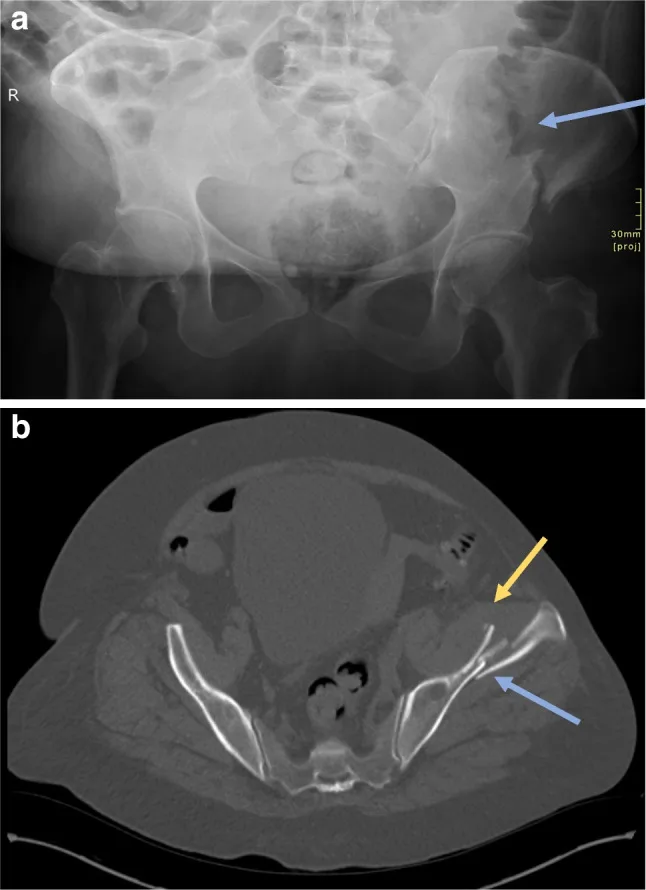
Breast cancer history: atypical pelvic fracture after long-term zoledronic acid

Patient Info: Anonymized, Female, 60s | Stage Metastatic/Advanced

Prior breast cancer treatment had been completed; CT during fracture evaluation showed no metastatic disease, and the atypical iliac wing fracture healed progressively with conservative care and teriparatide.

PubMed Central
OutcomeSurvivorship / Completed Treatment
Katie, who was diagnosed with Stage III Invasive Lobular CarcinomaBreast Cancer

Stage III HR-Positive Invasive Lobular Carcinoma: Katie's Patient Story

Patient Info: Katie, Female, Under 40 | Stage III

Biomarkers: ER-positive; PR-positive; HER2-negative; genetic testing negative

As of February 2025, Katie was a few months beyond active treatment for Stage III ER-positive, PR-positive, HER2-negative ILC and was adjusting to maintenance therapy with Verzenio, Lupron, and Letrozole.

Lobular Breast Cancer Alliance
OutcomeCare Ongoing
A patient, who was diagnosed with Stage IV Invasive Ductal CarcinomaBreast Cancer

Metastatic Breast Cancer Returning About 20 Years After Initial Treatment

Patient Info: Anonymized, Female | Stage IV

Biomarkers: ER-positive, PR-negative, HER2-positive

Metastatic Site: bones

About 20 years after her original breast-cancer treatment and sustained remission, bone biopsy confirmed metastatic recurrence; she became too unwell for planned cancer therapy and chose supportive care.

PubMed Central
OutcomeSetback / Progression
A patient, who was diagnosed with Stage IV Breast CancerBreast Cancer

HER2-Positive Breast Cancer With Metastatic Progression and Drug-Induced Lupus During T-DM1

Patient Info: Anonymized, Female, 50s | Stage IV

Biomarkers: ER-positive, PR-negative, HER2-positive

Metastatic Site: bones, axillary lymph nodes, intra-abdominal lymph…

More than 5 years after her March 2018 diagnosis, she was living with metastatic breast cancer, but T-DM1 had been stopped after disease progression in 2023.

PubMed Central
OutcomeSetback / Progression
MB
Breast Cancer

Metastatic breast cancer with receptor evolution: sequential endocrine, immunotherapy, CDK4/6, and antibody-drug conjugate treatment

Patient Info: Anonymized, Female, 50s | Stage IV

Biomarkers: Markers changed over time: initial tumor ER-positive/HER2-negative; local recurrence triple-negative/HER2-low; pleural fluid ER-negative.

Metastatic Site: mediastinal lymph nodes, pleura; pulmonary nodules…

More than 7 years after diagnosis, she remained on sequential systemic therapy for metastatic breast cancer, with at least a partial response 3 months after starting sacituzumab govitecan for presumed triple-negative pleural disease.

PubMed Central
OutcomeResponding Well
A patient, who was diagnosed with Stage IV Breast CancerBreast Cancer

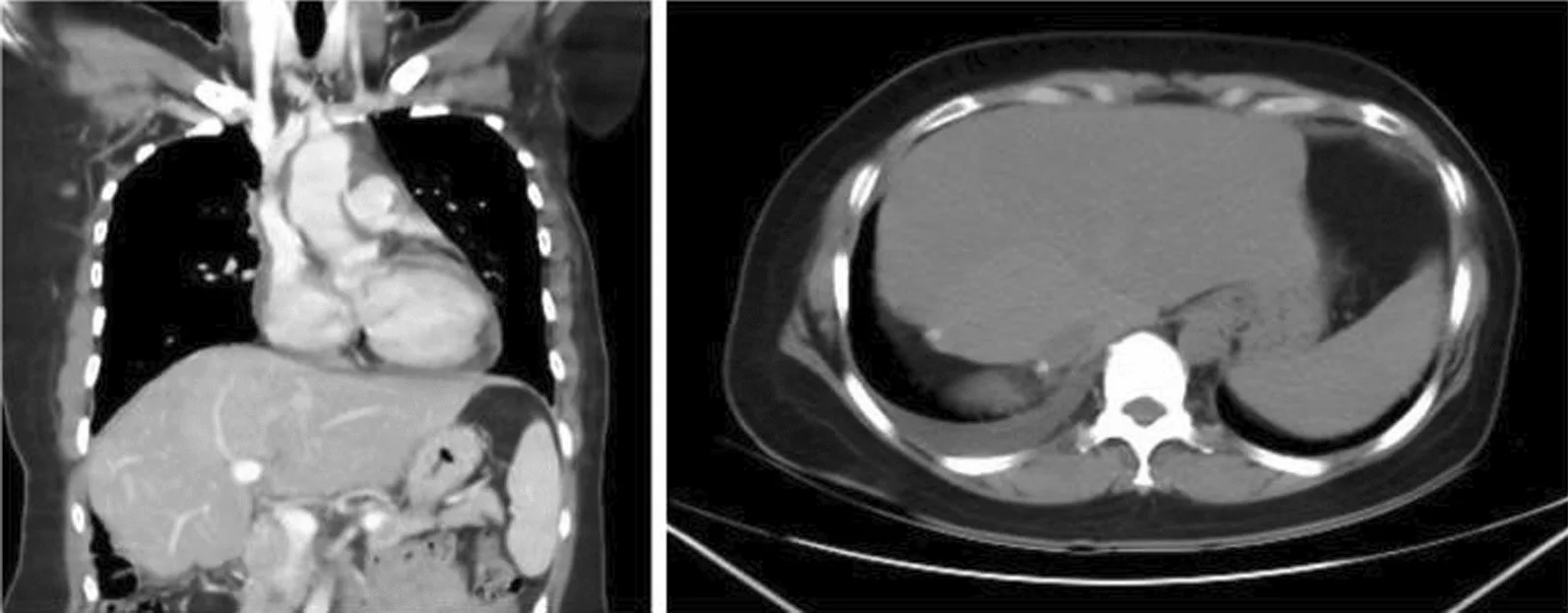
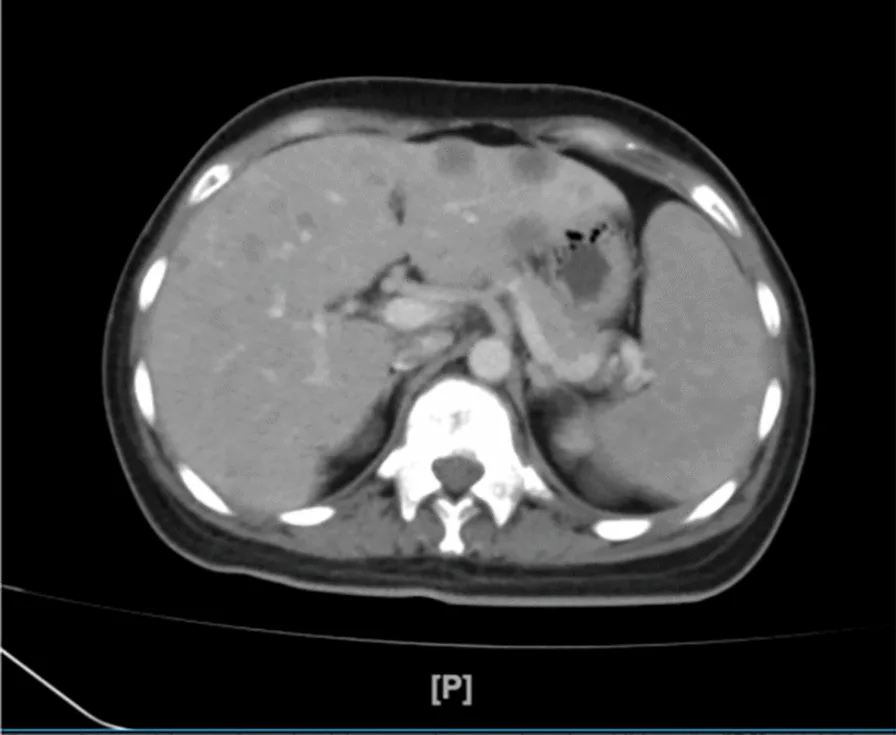
Stage IV luminal A breast cancer: liver resection and disease-free follow-up

Patient Info: Anonymized, Female, 50s | Stage IV

Biomarkers: luminal A; ER-positive; PgR-positive; HER2-negative

Metastatic Site: lung, liver

Disease-free after R0 hepatic segmentectomy for breast cancer liver metastasis, with May 2021 MRI showing no remaining liver nodules while she continued maintenance letrozole and goserelin.

PubMed Central
OutcomeCancer-Free / NED
A patient, who was diagnosed with Stage IV Breast CancerBreast Cancer

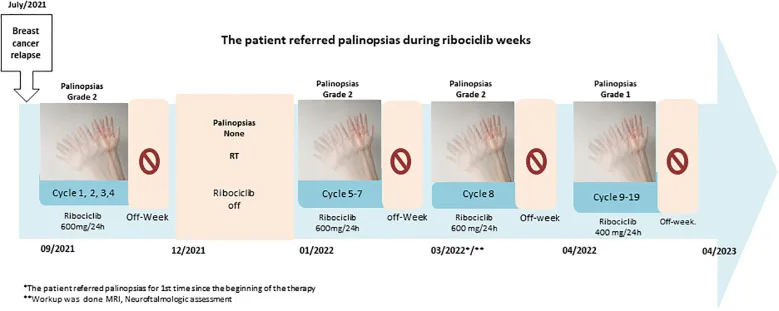
Stage 4 HR-positive breast cancer: stable disease on ribociclib

Patient Info: Anonymized, Female, 40s | Stage IV

Biomarkers: ER-positive; PR-positive; HER2-negative

Metastatic Site: left iliac bone

Metastatic HR-positive, HER2-negative breast cancer remained without progression as of October 2024 while she continued ribociclib 400 mg plus letrozole after SBRT to a left iliac bone metastasis.

PubMed Central
OutcomeLiving With Cancer
A patient, who was diagnosed with Stage IV Breast CancerBreast Cancer

Stage IV luminal B breast cancer with liver, bone, and bone marrow metastases

Patient Info: Anonymized, Female, Under 40 | Stage IV

Biomarkers: ER 90% positive; PR 20% positive; HER2-negative; Ki-67 60%; luminal B

Metastatic Site: liver, bone, bone marrow

The patient had marked clinical and hematologic improvement on leuprorelin, letrozole, ribociclib, and zoledronic acid, with sustained complete remission reported for 4 months from September to December 2023 and monthly follow-up advised.

PubMed Central
OutcomeResponding Well
A patient, who was diagnosed with Stage I Invasive Ductal CarcinomaBreast Cancer

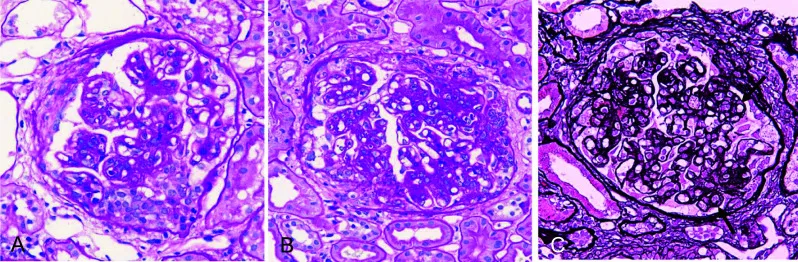
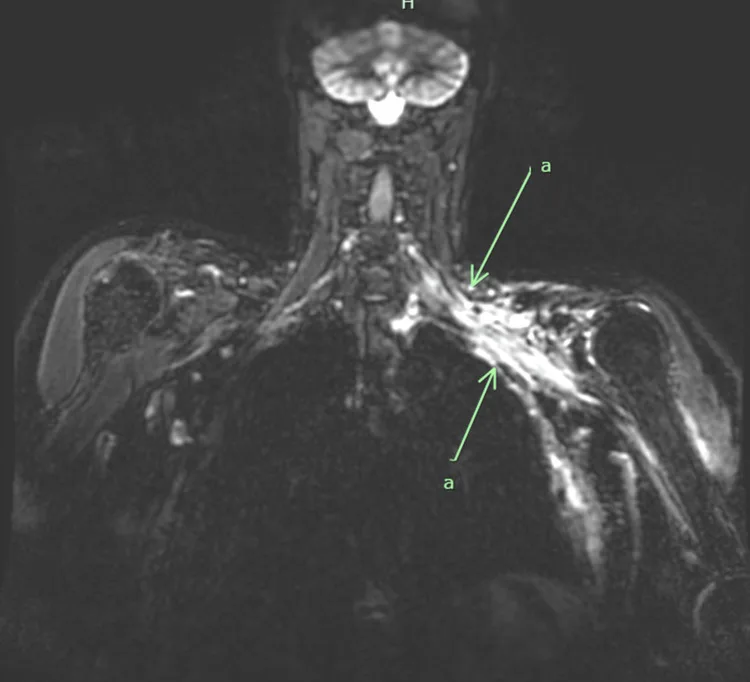
Stage IIIA HR-positive HER2-negative breast cancer with radiation-induced brachial plexopathy

Patient Info: Anonymized, Female, 50s | Stage I

Biomarkers: HR-positive/HER2-negative breast cancer with pathogenic ATM and PALB2 variants plus an ATM VUS.

Approximately 3.5 years after radiation therapy, there was no evidence of breast cancer recurrence, but severe radiation-induced brachial plexopathy, fibrosis, telangiectasias, and lymphedema-related symptoms required ongoing supportive care.

PubMed Central
OutcomeCancer-Free / NED
A patient, who was diagnosed with Stage IV Invasive Ductal CarcinomaBreast Cancer

Metastatic Male Breast Cancer Responding to Abemaciclib and Letrozole

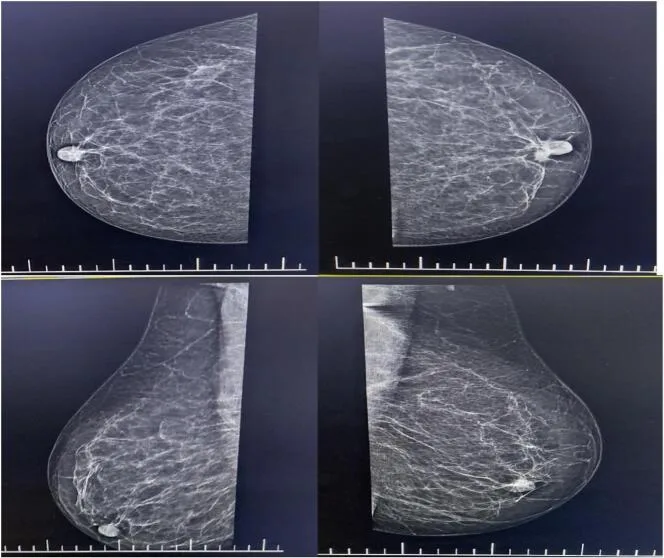
Patient Info: Anonymized, Male, 60s | Stage IV

Biomarkers: ER-positive, PR-negative, HER2-negative

Metastatic Site: soft tissue, distant lymph nodes, bone

The tumor and metastatic soft-tissue and lymph-node disease shrank markedly, with no progression on July 2024 imaging and good clinical condition in September 2024.

PubMed Central
OutcomeResponding Well
A patient, who was diagnosed with Stage IV Invasive Ductal CarcinomaBreast Cancer

Severe Corneal Injury After Trastuzumab for Metastatic HER2-Positive Breast Cancer

Patient Info: Anonymized, Female, 50s | Stage IV

Biomarkers: ER-positive, PR-positive, HER2-positive

Metastatic Site: lungs, spine, left adrenal gland, calvarium, orbit,…

She was living with widespread metastatic breast cancer when trastuzumab was stopped because of severe eye toxicity.

PubMed Central
OutcomeLiving With Cancer
Dee, who was diagnosed with Stage IV Invasive Ductal CarcinomaBreast Cancer

Stage IV HER2-Positive Invasive Ductal Carcinoma: Dee's Patient Story

Patient Info: Dee Doherty, Female, Under 40 | Stage IV

Biomarkers: Hormone-sensitive disease implied by letrozole and ovarian suppression; ER/PR/HER2 status not explicitly stated

Metastatic Site: bone

As of September 2024, Dee was living with Stage IV metastatic breast cancer. Her tumors had not shrunk, but disease was stable on ribociclib/Kisqali, letrozole, and ovarian suppression.

The Patient Story
OutcomeLiving With Cancer
A patient, who was diagnosed with Stage IV Invasive Ductal CarcinomaBreast Cancer

Stage 4 breast cancer: complete remission with letrozole and palbociclib

Patient Info: Anonymized, Female | Stage IV

Biomarkers: Breast cancer was ER/PR positive, HER2 0

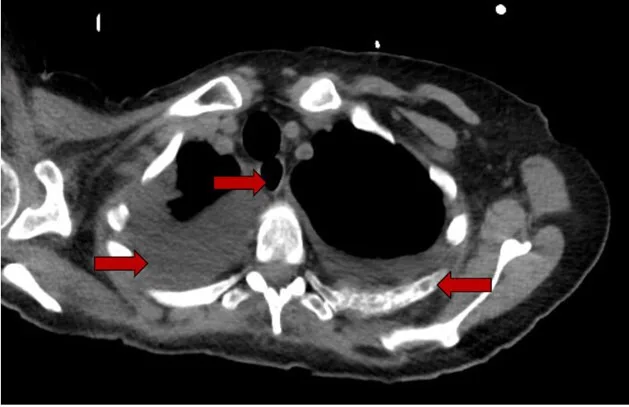
Metastatic Site: pleura/pleural effusion

Breast cancer remained in remission on letrozole after palbociclib was stopped; Ph-positive B-ALL achieved complete response with no molecular residual disease after blinatumomab plus ponatinib, with ongoing monthly outpatient monitoring.

PubMed Central
OutcomeCancer-Free / NED
A patient, who was diagnosed with Stage IV Invasive Ductal CarcinomaBreast Cancer

Stage 4 breast cancer: ongoing treatment with multi-line chemotherapy

Patient Info: Anonymized, Female, 40s | Stage IV

Biomarkers: Initial tumor: hormone receptor-negative; HER2 2+. 2011 recurrence: ER 10%; PR 70%; HER2 2+.

Metastatic Site: pleura/pleural effusion; lung

Metastatic breast cancer with malignant pleural effusion achieved complete response after chemotherapy and long-term endocrine therapy; PET-CT in October 2023 still showed complete response, with ongoing cardiac and bone-health management.

PubMed Central
OutcomeCancer-Free / NED
A patient, who was diagnosed with Stage IV Invasive Ductal CarcinomaBreast Cancer

HR-positive HER2-negative metastatic breast cancer: bone metastases managed with sequential endocrine therapy

Patient Info: Anonymized, Female, 50s | Stage IV

Biomarkers: ER 90%+, PR 80%+, HER2-. CA 15-3 was tracked during treatment.

Metastatic Site: skull base; spine; sternum; ribs; left iliac bone;…

Metastatic HR-positive, HER2-negative breast cancer remained under active management; after earlier progression, palbociclib plus fulvestrant and zoledronic acid produced stable/remission findings on PET/CT at 3 months and again 1 year later, with continued 3-month follow-up recommended.

PubMed Central
OutcomeLiving With Cancer
A patient, who was diagnosed with Stage IV Invasive Ductal CarcinomaBreast Cancer

BRCA2-mutant metastatic breast cancer: complete response with rucaparib maintenance

Patient Info: Anonymized, Female, Under 40 | Stage IV

Biomarkers: Germline BRCA2 mutation; somatic BRCA2 mutation; HER2 amplification not seen by FISH; grade III IDC

Metastatic Site: bone

She maintained a complete response for 2 years on rucaparib, letrozole, and zoledronic acid after upfront metastatic BRCA2-mutated breast cancer involving bone, axillary nodes, and right-breast nodules.

PubMed Central
OutcomeCancer-Free / NED