Targeted Therapy: 720 Real Stories

720 stories match targeted therapy. 488 of them mention chemotherapy.

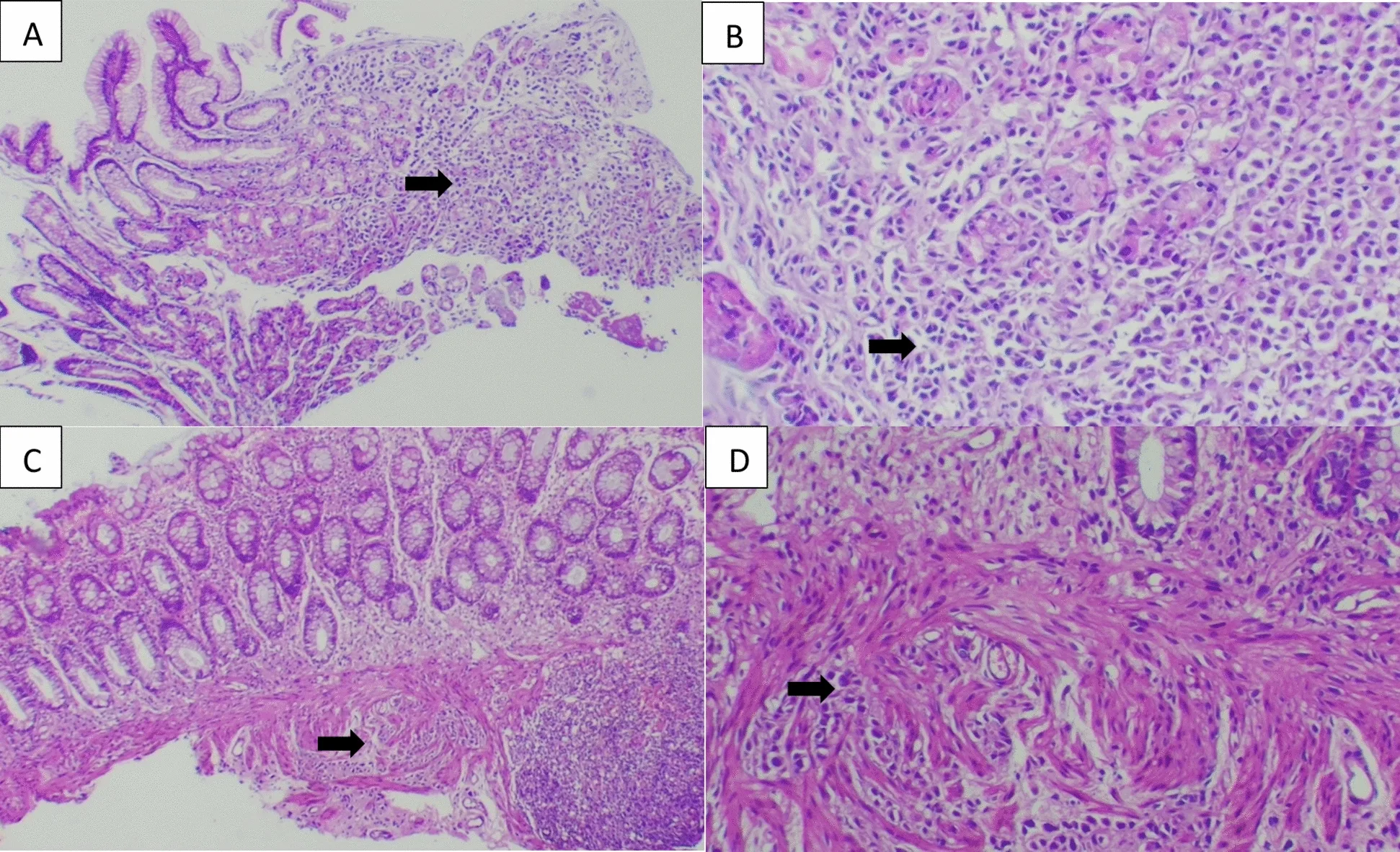
A patient, who was diagnosed with Stage IV Invasive Lobular CarcinomaBreast Cancer

Metastatic invasive lobular breast cancer with stomach, ovarian, peritoneal, rectal, and jejunal spread

Patient Info: Anonymized, Female, 40s | Stage IV

Biomarkers: Primary tumor and gastric metastasis were ER/PR positive and HER2 negative; GATA3 supported breast origin in the metastasis.

Metastatic Site: stomach; ovaries; peritoneum; rectum; jejunum

During 2025, she remained under active oncologic management for metastatic invasive lobular breast cancer with gastrointestinal, ovarian, peritoneal, rectal, and jejunal involvement.

PubMed Central
OutcomeLiving With Cancer
Christina, who was diagnosed with Stage IV Breast CancerBreast Cancer

Stage IV HER2-Positive Breast Cancer: Christina's Patient Story

Patient Info: Christina, Female | Stage IV

Biomarkers: HER2-positive

Metastatic Site: Liver; lymph nodes

Christina was living with Stage IV HER2-positive metastatic breast cancer. Treatment had cleared the liver disease and removed the visible breast tumor, but small armpit lymph-node disease required radiation and she continued IV treatment every 3 weeks.

The Patient Story
OutcomeLiving With Cancer
Maggie, who was diagnosed with Stage IV Non-Small Cell Lung CancerLung Cancer

Stage IV EGFR Non-Small Cell Lung Cancer: Maggie's Patient Story

Patient Info: Maggie, Female, 60s | Stage IV

Biomarkers: EGFR mutation; MET amplification resistance mutation; MET overexpression

Metastatic Site: Brain

Maggie initially reached no evidence of disease on EGFR-targeted therapy, but later had repeated progression, including MET-amplification resistance and MET overexpression, requiring SBRT, a clinical trial, chemotherapy, and later-line targeted treatment.

The Patient Story
OutcomeSetback / Progression
Clara, who was diagnosed with Stage IV Non-Small Cell Lung CancerLung Cancer

Stage IV ALK Non-Small Cell Lung Cancer: Clara's Patient Story

Patient Info: Clara, Female, Under 40 | Stage IV

Biomarkers: ALK-positive / ALK-rearranged after repeat Tempus testing

Metastatic Site: Pelvis; spleen

As of February 2026, ALK-targeted therapy had improved Clara’s symptoms enough that she no longer needed a walker or cane, and upcoming scans would determine whether pelvic tumor surgery remained an option.

The Patient Story
OutcomeResponding Well
Jacqueline, who was diagnosed with Breast CancerBreast Cancer

Triple-Negative Breast Cancer: Jacqueline's Patient Story

Patient Info: Jacqueline Bennett, Female, Under 40

Biomarkers: Initial ER-negative, PR-negative, HER2-negative; later HER2-positive

Jacqueline completed treatment for initial Stage IA triple-negative breast cancer during pregnancy and later developed a HER2-positive, hormone receptor-negative breast cancer. After 3 of 6 current treatments, the tumor was no longer visible on ultrasound or MRI, with targeted therapy and double mastectomy still planned.

The Patient Story
OutcomeResponding Well
A patient, who was diagnosed with Stage IV Invasive Lobular CarcinomaBreast Cancer

Stage IV ER-positive/HER2-negative breast cancer with synchronous gastric and bone metastases

Patient Info: Anonymized, Female, 70+ | Stage IV

Biomarkers: Gastric metastasis showed ER-positive, PR-negative, HER2 0 lobular breast cancer. Breast primary was ER/PR-positive, HER2-negative

Metastatic Site: bone; stomach/gastric

At 2-month follow-up, upper-GI symptoms had improved, anastrozole plus palbociclib was tolerated, and CT showed stable disease with persistent diffuse osseous metastases; no further follow-up was available.

PubMed Central
OutcomeResponding Well
Phil, who was diagnosed with Stage IV Lung CancerLung Cancer

Stage IV ROS1 Lung Cancer: Phil's Patient Story

Patient Info: Phil, Male, 60s | Stage IV

Biomarkers: ROS1 mutation

Metastatic Site: Lymph nodes; other lung

Phil was living with incurable Stage IV ROS1-positive lung cancer. After initial chemotherapy, a ROS1-targeted pill worked for about 2 years, and he later continued on a Mass General clinical-trial treatment with follow-up every 3 months.

The Patient Story
OutcomeLiving With Cancer
A patient, who was diagnosed with Lung CancerLung Cancer

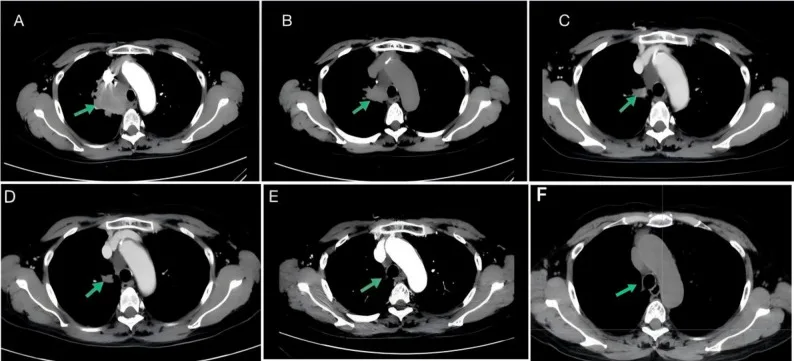
Pulmonary epithelioid hemangioendothelioma with complete response after neoadjuvant therapy

Patient Info: Anonymized, Male, 60s

Biomarkers: WWTR1-CAMTA1 fusion; vascular markers supported epithelioid hemangioendothelioma; lung cancer markers were absent.

The patient achieved radiographic disappearance of the lung tumor after neoadjuvant paclitaxel/carboplatin plus bevacizumab. Surgery then showed no residual tumor and lymph nodes were negative; CT follow-up through April 2024 showed no recurrence.

PubMed Central
OutcomeCancer-Free / NED
A patient, who was diagnosed with Stage IV Invasive Lobular CarcinomaBreast Cancer

Invasive lobular breast cancer with colonic metastases treated with colectomy and capecitabine

Patient Info: Anonymized, Female, 50s | Stage IV

Biomarkers: Breast and colon metastatic samples were ER+ and HER2-; PR varied by sample

Metastatic Site: colon; perivisceral lymph nodes

After laparoscopic left colectomy and capecitabine for colonic metastases, follow-up showed no clinical or radiological evidence of recurrence or progression at 8 months postoperatively.

PubMed Central
OutcomeResponding Well
Stephanie, who was diagnosed with Stage IV Non-Small Cell Lung CancerLung Cancer

Stage IV ALK Non-Small Cell Lung Cancer: Stephanie's Patient Story

Patient Info: Stephanie, Female, 40s | Stage IV

Biomarkers: ALK mutation / ALK-positive

Metastatic Site: ovaries; spine; liver; lung

Stage IV ALK-positive NSCLC is being managed with ALK-directed treatment; follow-up scans were described as improving, but the source does not state complete remission.

The Patient Story
OutcomeResponding Well
Janet, who was diagnosed with Stage II Invasive Ductal CarcinomaBreast Cancer

Stage II HR-Positive Invasive Ductal Carcinoma: Janet's Patient Story

Patient Info: Janet Ayala, Female, Under 40 | Stage II

Biomarkers: ER-positive; PR-positive; HER2-positive; ATM mutation

After complete pathologic response and completion of HER2-targeted infusions, Janet remained in survivorship-focused ongoing care with estrogen suppression and additional endocrine/targeted therapy planning to reduce recurrence risk.

City of Hope
OutcomeCare Ongoing
A patient, who was diagnosed with Stage IV Lung AdenocarcinomaLung Cancer

EGFR L858R lung adenocarcinoma with rapid neurologic decline

Patient Info: Anonymized, Female, 40s | Stage IV

Biomarkers: EGFR L858R mutation; CK7-positive; Napsin A-positive; TTF-1-positive; p40-negative; Ki-67 about 1%

Metastatic Site: brain parenchyma and meninges

The patient developed rapidly progressive cognitive decline with multifocal brain lesions. Lung biopsy confirmed EGFR L858R lung adenocarcinoma, and she received amivantamab, but neurologic deterioration continued and she died in the fourth month of the disease course.

PubMed Central
OutcomeIn Memory
A patient, who was diagnosed with Invasive Ductal CarcinomaBreast Cancer

Stage IIB breast cancer with severe radiation recall after abemaciclib

Patient Info: Anonymized, Female, 40s

Biomarkers: ER-positive; PR-positive; HER2 1+ / HER2-negative

The flap healed after abemaciclib was stopped and the tissue expander/patch were removed, but her long-term cancer-control and reconstruction outcomes were not yet reported.

PubMed Central
OutcomeCare Ongoing
Ruchira, who was diagnosed with Stage IV Lung CancerLung Cancer

Stage IV ALK Lung Cancer: Ruchira's Survivor Story

Patient Info: Ruchira, Female | Stage IV

Biomarkers: ALK-positive

Metastatic Site: Not reported

Although the disease progressed to Stage IV after lobectomy, ALK testing led to lorlatinib; she reported no evidence of disease after 3 months and continued daily targeted therapy.

The Patient Story
OutcomeCancer-Free / NED
A patient, who was diagnosed with Stage IV Lung AdenocarcinomaLung Cancer

BRAF-mutant stage IV lung adenocarcinoma complicated by immunotherapy-induced diabetes

Patient Info: Anonymized, Female, 60s | Stage IV

Biomarkers: BRAF mutation; GADA-positive during immune-related diabetes evaluation

Metastatic Site: left lower lung, pleural

The patient had Stage IV BRAF V600E-mutant lung adenocarcinoma treated with targeted therapy and later tislelizumab. Immunotherapy was suspended after hypoadrenocorticism and diabetic ketosis; she required ongoing insulin therapy, with persistently low C-peptide at 6-month follow-up.

PubMed Central
OutcomeCare Ongoing
A patient, who was diagnosed with Stage IV Lung AdenocarcinomaLung Cancer

EGFR-mutant lung adenocarcinoma with acquired ROS1 rearrangement after EGFR-TKI resistance

Patient Info: Anonymized, Female, 50s | Stage IV

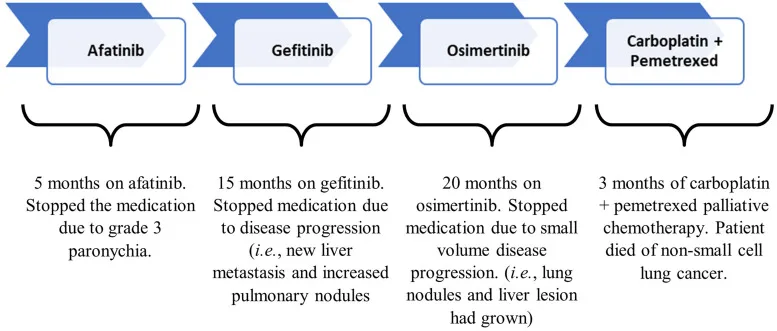
Biomarkers: EGFR exon 19 deletion; acquired EGFR T790M; acquired EZR exon10-ROS1 exon34 rearrangement

Metastatic Site: bone (distal femur); contralateral lung;…

After fourth-line crizotinib for acquired EZR-ROS1 rearrangement, response evaluation on August 27, 2025 showed partial response, and September 2025 bone scan showed stable bone lesions.

PubMed Central
OutcomeResponding Well
A patient, who was diagnosed with Stage IV Lung AdenocarcinomaLung Cancer

Stage 4 lung cancer: never-smoker with complete remission

Patient Info: Anonymized, Female, 50s | Stage IV

Biomarkers: EGFR20ins mutation; TP53 p.Q192 mutation; PD-L1 TPS 0%; CPS 0%

Metastatic Site: bilateral lungs, mediastinal lymph nodes, bilateral…

The patient had a durable response to high-dose furmonertinib, later developed a right cerebellar metastasis treated with stereotactic radiation, and continued to benefit from furmonertinib as of April 2025 with 27 months of progression-free survival reported.

PubMed Central
OutcomeResponding Well
A patient, who was diagnosed with Lung CancerLung Cancer

EGFR R252C multifocal lung cancer responding to afatinib

Patient Info: Anonymized

Biomarkers: EGFR R252C extracellular-domain mutation

Afatinib was associated with suppression of primary tumor growth and extended progression-free survival in a patient with multifocal lung cancer and glioma driven by EGFR R252C. Stage and metastatic sites were not established from the available case summary.

PubMed Central
OutcomeResponding Well
Tina, who was diagnosed with Stage IV Lung CancerLung Cancer

Stage IV Lung Cancer treatment and follow-up story

Patient Info: Tina Powell, Female | Stage IV

As of January 2026, Tina was 3 years into Stage IV lung cancer, on a clinical trial at Memorial Sloan Kettering, and undergoing CT chest, CT pelvis, and brain MRI every 6 weeks.

YouTube (JA search)
OutcomeLiving With Cancer
A patient, who was diagnosed with Stage IV Non-Small Cell Lung CancerLung Cancer

Stage 4 lung cancer: persistent cough led to diagnosis

Patient Info: Anonymized, Male, 60s | Stage IV

Biomarkers: KRAS and TP53 ; PD-L1 TPS 95%. Other common lung drivers were not detected.

Metastatic Site: liver, left adrenal gland, lymph nodes, pleural…

After more than 2 years of disease control and partial response on antiangiogenic therapy plus sintilimab, the patient developed fulminant immune-checkpoint-inhibitor-induced type 1 diabetes with severe diabetic ketoacidosis, inflammatory crisis, sepsis, and died shortly after discharge against medical advice.

PubMed Central
OutcomeIn Memory
John, who was diagnosed with Stage IV Colorectal CancerColorectal Cancer

Stage IV HER2-Positive Colorectal Cancer: John's Patient Story

Patient Info: John E., Male, 40s | Stage IV

Biomarkers: HER2-positive

Metastatic Site: lungs

After several months on HER2-targeted therapy, many of John's lung metastases had shrunk or stabilized, and he remained active with good quality of life.

Colorectal Cancer Alliance
OutcomeResponding Well
A patient, who was diagnosed with Stage IV Lung AdenocarcinomaLung Cancer

EGFR-Mutant Lung Adenocarcinoma With Bone and Leptomeningeal Metastases

Patient Info: Anonymized, male, 40s | Stage IV

Biomarkers: EGFR exon 19 deletion; acquired EGFR T790M mutation

Metastatic Site: bone, leptomeninges

In May 2025, leptomeningeal disease remained present and he continued combination chemotherapy with bevacizumab and high-dose furmonertinib, leaving hospital in stable condition after cycle 8.

PubMed Central
OutcomeCare Ongoing