Targeted Therapy: 720 Real Stories

720 stories match targeted therapy. 488 of them mention chemotherapy.

A patient, who was diagnosed with Stage IV Invasive Ductal CarcinomaBreast Cancer

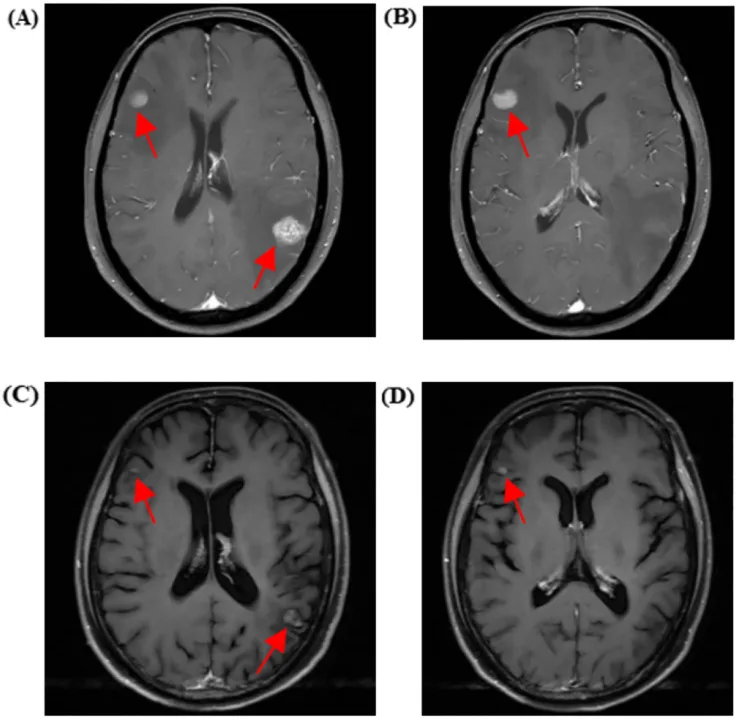
HER2-positive breast cancer with brain, skin, and lymph-node metastases responding to dual-targeted therapy

Patient Info: Anonymized, Female, 50s | Stage IV

Biomarkers: HER2-positive breast cancer. Initial tumor was ER/PR negative with Ki-67 30%; skin metastasis had Ki-67 70%.

Metastatic Site: brain, left cervical lymph nodes, skin of left chest…

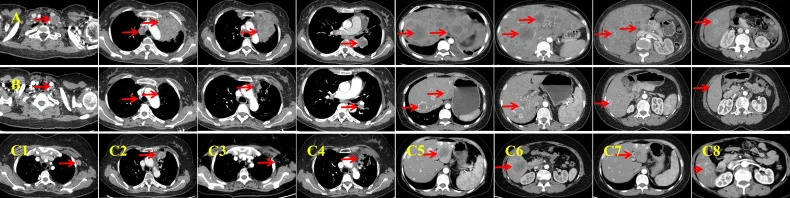
After 1 cycle of inetetamab trastuzumab, pyrotinib, and capecitabine, skin metastases regressed, CEA and CA125 decreased, brain lesions shrank, and the largest lesion decreased by about 46%, meeting partial response; disease remained stable as of September 2024.

PubMed Central
OutcomeResponding Well
Elissa, who was diagnosed with Stage IV Breast CancerBreast Cancer

Stage IV HER2-Positive Breast Cancer: Elissa's Patient Story

Patient Info: Elissa, Female, Under 40 | Stage IV

Biomarkers: HER2-positive; no hereditary mutation reported

Metastatic Site: lymph nodes, liver, spine

Elissa had Stage IV HER2-positive metastatic breast cancer with an early strong response to systemic therapy, but she described the disease as long-term and not curative. As of July 2025, she had lived with metastatic breast cancer for about 4 years and had received roughly 5 lines of treatment.

The Patient Story
OutcomeLiving With Cancer
A patient, who was diagnosed with Stage IV Lung AdenocarcinomaLung Cancer

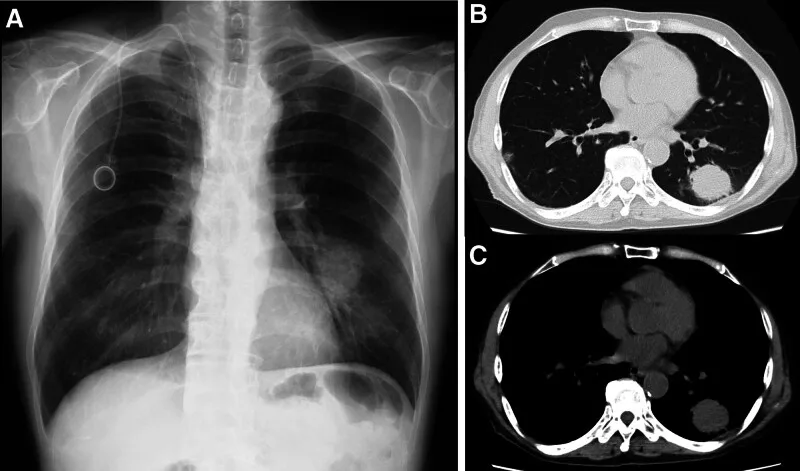
ALK-rearranged Stage IVA lung adenocarcinoma: partial response to pembrolizumab as eighth-line treatment

Patient Info: Anonymized, Male, 70+ | Stage IV

Biomarkers: ALK strongly positive by IHC 3+; ALK rearrangement confirmed by FISH; PD-L1 expression 95% by 22C3 immunostaining; CEA 2.3 ng/mL at diagnosis

Metastatic Site: brain

Nine months after pembrolizumab was started as eighth-line therapy, he maintained a partial response after prior progression on multiple ALK inhibitors and chemotherapies.

PubMed Central
OutcomeResponding Well
A patient, who was diagnosed with Stage IV Invasive Ductal CarcinomaBreast Cancer

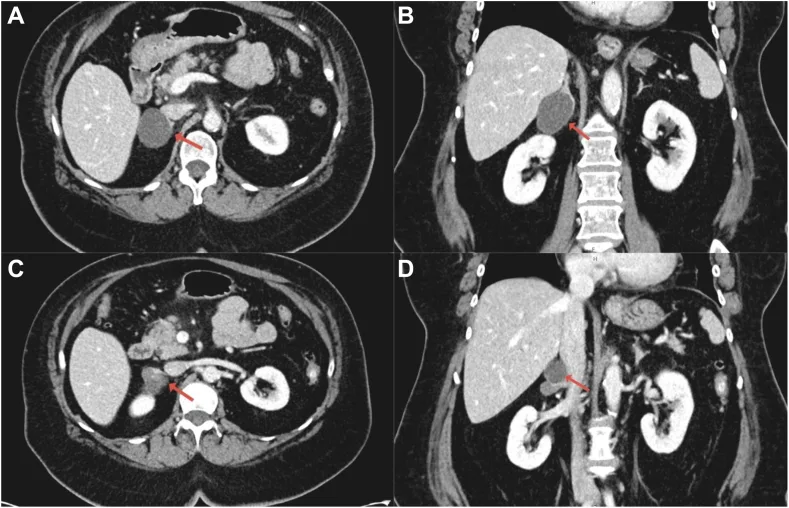
Isolated adrenal metastasis from breast cancer: adrenalectomy and exemestane plus palbociclib

Patient Info: Anonymized, Female, 60s | Stage IV

Biomarkers: ER-positive; PR-positive; HER2-negative; GATA3-positive; CK7-positive; mammaglobin-positive; GCDFP-15 rare staining

Metastatic Site: right adrenal gland

After laparoscopic right adrenalectomy for isolated metastatic breast carcinoma, follow-up CT abdomen/pelvis and PET-CT showed no metastatic disease elsewhere; surveillance while on exemestane and palbociclib showed no recurrence so far.

PubMed Central
OutcomeCancer-Free / NED
Kathrin, who was diagnosed with Stage IV Lung CancerLung Cancer

Stage IV ALK Lung Cancer: Kathrin's Patient Story

Patient Info: Kathrin, Female | Stage IV

Biomarkers: ALK-positive

Metastatic Site: bones including left foot, liver, abdomen/belly

Kathrin had Stage IV ALK-positive lung cancer with metastases including left foot/bone, liver, and abdomen. Radiation and targeted therapy worked quickly, with PET imaging after about 8 weeks showing almost everything gone; she remained on lifelong targeted therapy and did not describe being cured.

The Patient Story
OutcomeResponding Well
A patient, who was diagnosed with Stage III Non-Small Cell Lung CancerLung Cancer

Stage IIIA EGFR lung adenocarcinoma: no recurrence after early osimertinib stop

Patient Info: Anonymized, Female, 70+ | Stage III

Biomarkers: EGFR exon 19 deletion mutation; elevated KL-6 and SP-D during interstitial lung disease episode

During 9 months of follow-up after osimertinib was stopped, she had no recurrence of interstitial lung disease, pulmonary embolism, or non-small cell lung cancer.

PubMed Central
OutcomeCancer-Free / NED
A patient, who was diagnosed with Stage IV Lung AdenocarcinomaLung Cancer

Stage IVA EGFR L858R lung adenocarcinoma with malignant effusions and thrombosis

Patient Info: Anonymized, Male, Under 40 | Stage IV

Biomarkers: EGFR exon 21 L858R mutation; TTF-1 weak positive; Napsin A positive; p40 negative; Ki-67 about 10%

Metastatic Site: malignant pleural effusion; malignant pericardial…

As of May 2025, abdominal pain had resolved, splenic infarction had not progressed, thromboembolic events were regressing, no new thrombus formation was seen, and outpatient follow-up continued while he remained on cancer and anticoagulation management.

PubMed Central
OutcomeCare Ongoing
A patient, who was diagnosed with Stage IV Invasive Lobular CarcinomaBreast Cancer

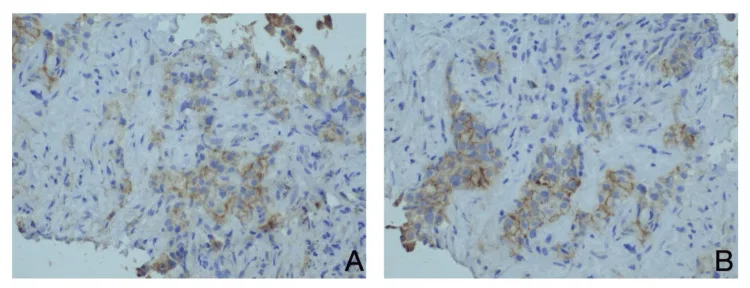
HER2-low lobular breast cancer with bone marrow involvement responding to T-DXd

Patient Info: Anonymized, Female | Stage IV

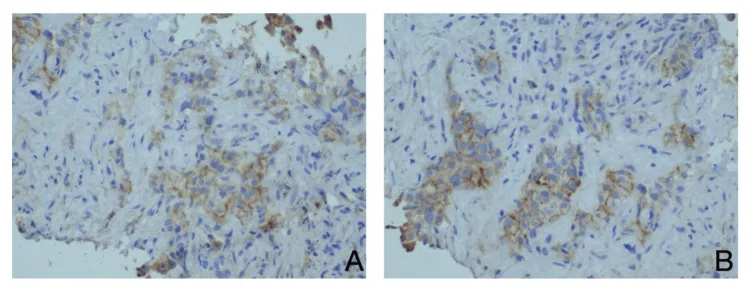
Biomarkers: Initial surgical specimen: ER-positive; PR-negative; HER2-negative. Bone marrow relapse: breast cancer infiltration with low HER2 staining.

Metastatic Site: bone marrow

Two years after starting T-DXd, this patient remained free of bone marrow disease and continued the same treatment regimen.

PubMed Central
OutcomeCancer-Free / NED
A patient, who was diagnosed with Stage IV Invasive Lobular CarcinomaBreast Cancer

HER2-low lobular breast cancer with bone marrow involvement treated with T-DXd

Patient Info: Anonymized, Female | Stage IV

Biomarkers: Initial surgical specimen: ER-positive; PR-negative; HER2-negative. Bone marrow relapse: breast cancer infiltration with low HER2 staining.

Metastatic Site: bone marrow

Two years after starting T-DXd, this patient remained free of bone marrow disease and continued the same treatment regimen.

PubMed Central
OutcomeCancer-Free / NED
A patient, who was diagnosed with Stage IV Small Cell Lung CancerLung Cancer

Extensive-stage small cell lung cancer with brain and adrenal progression after prolonged disease control

Patient Info: Anonymized, Male, 50s | Stage IV

Biomarkers: Small-cell lung cancer markers included CD56, CgA and TTF-1; Ki-67 was 80%.

Metastatic Site: brain, right adrenal gland, left adrenal gland

After 31 months of stability on second-line anlotinib with palliative chemoradiotherapy, disease progressed in July 2024 with new brain lesions and adrenal progression; the patient declined additional systemic options and continued anlotinib.

PubMed Central
OutcomeSetback / Progression
A patient, who was diagnosed with Stage IV Non-Small Cell Lung CancerLung Cancer

Metastatic NSCLC with ATM mutations: 28-month response to olaparib before progression

Patient Info: Anonymized, Male, 70+ | Stage IV

Biomarkers: cfDNA showed ATM and ATM mutations. Common NSCLC drivers were negative; initial tumor markers were negative.

Metastatic Site: liver, left pubic bone, bilateral pulmonary nodules,…

After 28 months of remission and improved quality of life on olaparib, June 2024 PET-CT showed progression with a new 1.2 cm hypermetabolic left lower-lobe pulmonary nodule; olaparib was still being continued at the October 2024 clinic visit.

PubMed Central
OutcomeSetback / Progression
Samantha, who was diagnosed with Stage II Lung CancerLung Cancer

Stage II EGFR Lung Cancer: Samantha's Patient Story

Patient Info: Samantha Vaughn, Female | Stage II

Biomarkers: EGFR mutation

Samantha had Stage II EGFR-mutated lung cancer removed surgically and was receiving post-operative daily Tagrisso through a clinical trial. As of June 2025, she reported clear results so far but remained on active targeted therapy.

The Patient Story
OutcomeCare Ongoing
A patient, who was diagnosed with Stage IV Colorectal AdenocarcinomaColorectal Cancer

Stage 4 colorectal cancer: complete response with panitumumab and FOLFOX4

Patient Info: Anonymized, Female, 60s | Stage IV

Biomarkers: KRAS/NRAS/BRAF wild type; MSS/pMMR; HER2 not overexpressed. CEA and CA19-9 were elevated.

Metastatic Site: periaortic and pelvic lymph nodes; left ovary/adnexa

As of November 2024, she was alive and continuing second-line FOLFIRI with stable disease after prior complete remission on panitumumab plus FOLFOX4 and later progression with ovarian metastasis.

PubMed Central
OutcomeLiving With Cancer
A patient, who was diagnosed with Stage IV Breast CancerBreast Cancer

HER2-positive breast cancer with metastatic recurrence and complete response to T-DM1

Patient Info: Anonymized, Female, 40s | Stage IV

Biomarkers: HER2 IHC 3+ and hormone receptor-negative in primary and metastatic breast cancer; no liver metastases seen.

Metastatic Site: major pectoralis muscle, lung, broncho-hilar lymph…

After complete radiologic response on T-DM1, treatment was stopped after 22 months because of porto-sinusoidal vascular disorder. Seven months later, she remained asymptomatic and under surveillance with no signs of recurrent disease.

PubMed Central
OutcomeCancer-Free / NED
Kathleen, who was diagnosed with Stage IV Breast CancerBreast Cancer

Stage IV HER2-Positive Breast Cancer: Kathleen's Patient Story

Patient Info: Kathleen McEvoy-Schufreider, female, 60s | Stage IV

Biomarkers: HER2-positive

Metastatic Site: liver, bones

Kathleen continued long-term treatment for metastatic breast cancer, including infusions every 3 weeks after resuming the PATINA regimen outside the trial.

Dana-Farber
OutcomeCare Ongoing
A patient, who was diagnosed with Stage IV Lung CancerLung Cancer

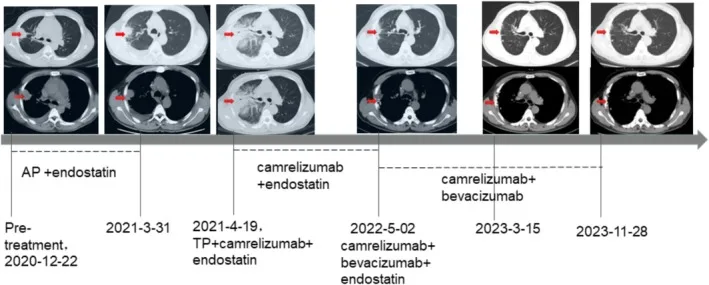
Stage I Pleomorphic Lung Cancer Recurring With Bone Metastasis Within Five Months

Patient Info: Anonymized, male, 60s | Stage IV

Biomarkers: PD-L1 high; no detected driver mutation

Metastatic Site: bone

PET-CT in December 2024 showed a partial response. As of February 2025, he remained on sintilimab and bevacizumab maintenance with about 9 months of progression-free survival after recurrence treatment.

PubMed Central
OutcomeResponding Well
Jennifer, who was diagnosed with Stage IV Breast CancerBreast Cancer

Stage IV HER2-Positive Breast Cancer: Jennifer's Survivor Story

Patient Info: Jennifer Masters, Female, 60s | Stage IV

Biomarkers: HER2-positive

Metastatic Site: Chest wall/skin near surgery incision; lymph nodes

As of May 2025, Jennifer had no reported recurrence for several years after Stage IV HER2-positive metastatic breast cancer responded completely to clinical-trial treatment with T-DM1 and neratinib; she continued annual Cleveland Clinic visits and remained active with family and volunteering.

Cleveland Clinic
OutcomeCancer-Free / NED
A patient, who was diagnosed with Stage IV Colorectal AdenocarcinomaColorectal Cancer

Metastatic colon cancer: soft-tissue and adrenal metastases responding to FOLFIRI plus bevacizumab

Patient Info: Anonymized, Female, 60s | Stage IV

Biomarkers: KRAS codon 146 mutation; BRAF wild type. CK20 and Ki-67 supported colorectal metastasis; CEA/CA19-9 were elevated.

Metastatic Site: lungs; left arm/biceps soft tissue; right…

As of May 2025, metastatic colon cancer involving soft tissue, muscle, lung history, and right adrenal gland had regressed after 12 months of FOLFIRI plus bevacizumab, and the patient was alive 1 year after chemotherapy completion.

PubMed Central
OutcomeResponding Well
A patient, who was diagnosed with Stage IV Invasive Ductal CarcinomaBreast Cancer

Metastatic male breast cancer: complete metabolic response after restarting anastrozole, leuprolide, abemaciclib, zoledronic acid, and radiation

Patient Info: Anonymized, Male, 60s | Stage IV

Biomarkers: ER >95%; PR >95%; HER2/neu-negative; Ki-67 30%; PIK3CA exon 21 pathogenic variant; BRCA1 not mutated; BRCA2 not mutated

Metastatic Site: bone (vertebral bodies T2-T6, L1, and L5)

As of May 2025, after restarting endocrine and targeted therapy and receiving palliative radiation, the last two PET scans showed complete metabolic response without disease progression, and brain MRI showed no metastasis.

PubMed Central
OutcomeResponding Well
Alisa, who was diagnosed with Stage IV Non-Small Cell Lung CancerLung Cancer

Stage IV ALK Non-Small Cell Lung Cancer: Alisa's Patient Story

Patient Info: Alisa Secaida, Female, Under 40 | Stage IV

Biomarkers: ALK-positive / ALK-rearranged

Metastatic Site: Brain; lymph nodes

As of May 2025, after alectinib and lung surgery, pathology still showed active tumor and lymph-node cancer cells, and Alisa was receiving IMRT for remaining disease.

City of Hope
OutcomeCare Ongoing