Surgery: 2,208 Real Stories

2,208 stories match surgery. 1,436 of them mention chemotherapy.

Lee, who was diagnosed with Stage IV Colorectal CancerColorectal Cancer

Stage IV Colorectal Cancer: Lee's Patient Story

Patient Info: Lee, Male, 50s | Stage IV

Metastatic Site: Liver

Lee initially reached no evidence of disease after chemotherapy and right hemicolectomy, but the cancer recurred in the liver about 1 year later, requiring FOLFIRI and liver resection with major postoperative complications.

The Patient Story
OutcomeSetback / Progression
Rachel, who was diagnosed with Stage I Colorectal CancerColorectal Cancer

Stage I Colorectal Cancer: Rachel's Survivor Story

Patient Info: Rachel, Female, Under 40 | Stage I

As of June 2026, Rachel’s story described Stage I colon cancer treated with colectomy, no chemotherapy needed, and an oncologist-confirmed NED status, with lingering digestive and scar-tissue effects from surgery.

The Patient Story
OutcomeCancer-Free / NED
Bethany, who was diagnosed with Stage II Breast CancerBreast Cancer

Stage II HR-Positive Breast Cancer: Bethany's Patient Story

Patient Info: Bethany W., Female, Under 40 | Stage II

Biomarkers: ER-positive; hormone-positive

As of June 2026, Bethany described care for late Stage II/early Stage III ER-positive breast cancer, beginning with AC chemotherapy and Taxol after scans showed no distant spread, with surgery, radiation, and hormone therapy planned as next phases.

The Patient Story
OutcomeCare Ongoing
Natalie, who was diagnosed with Stage 0 Invasive Ductal CarcinomaBreast Cancer

Stage 0 HR-Positive Invasive Ductal Carcinoma: Natalie's Survivor Story

Patient Info: Natalie, Female | Stage 0

Biomarkers: ER-positive

As of June 2026, Natalie was living after Stage 0 DCIS, later nipple/Paget's disease recurrence, and 20 surgeries through May 2019, with a full life and ongoing attention to physical changes after reconstruction.

The Patient Story
OutcomeSurvivorship / Completed Treatment
Rachel, who was diagnosed with Stage I Invasive Ductal CarcinomaBreast Cancer

Stage I Invasive Ductal Carcinoma: Rachel's Patient Story

Patient Info: Rachel, Female | Stage I

Biomarkers: Genetic testing inconclusive; receptor status not reported

As of June 2026, Rachel had completed double mastectomy and chemotherapy for Stage IB breast cancer and remained on planned 10-year tamoxifen therapy, with ongoing joint/muscle pain, weight gain, and survivorship effects.

The Patient Story
OutcomeCare Ongoing
Stephanie, who was diagnosed with Stage III Breast CancerBreast Cancer

Stage III Triple-Negative Breast Cancer: Stephanie's Survivor Story

Patient Info: Stephanie, Female | Stage III

Biomarkers: ER-negative; PR-negative; HER2-negative; BRCA1 mutation

As of June 2026, Stephanie described being a 10-year survivor after Stage III BRCA1-positive triple-negative breast cancer, with remission shown after chemotherapy and no recurrence described.

The Patient Story
OutcomeCancer-Free / NED
Tina, who was diagnosed with Stage III Invasive Lobular CarcinomaBreast Cancer

Stage III HR-Positive Invasive Lobular Carcinoma: Tina's Patient Story

Patient Info: Tina, Female, Under 40 | Stage III

Biomarkers: ER-positive

As of June 2026, Tina was in survivorship after double mastectomy, AC-T chemotherapy, radiation, and ongoing hormone therapy with daily tamoxifen and Zoladex every 3 months.

The Patient Story
OutcomeCare Ongoing
Andrea, who was diagnosed with Stage III Breast CancerBreast Cancer

Stage III Breast Cancer: Andrea's Survivor Story

Patient Info: Andrea, Female, Under 40 | Stage III

Completed chemotherapy, mastectomy/reconstruction, and radiation for Stage IIB-to-Stage III breast cancer diagnosed during pregnancy, and later described survivorship, parenting, fatigue, relationship strain, and recovery after treatment.

The Patient Story
OutcomeSurvivorship / Surveillance
Margaret, who was diagnosed with Stage II Invasive Ductal CarcinomaBreast Cancer

Stage II Invasive Ductal Carcinoma: Margaret's Survivor Story

Patient Info: Margaret, Female | Stage II

Biomarkers: Onco-typing score 18; hormone-responsive tumor described; exact receptor status not reported

As of June 2026, Margaret’s story described completed surgery, chemotherapy, radiation, and later reconstruction for Stage II IDC/DCIS breast cancer, with survivorship focused on recovery, neuropathy, and integrative support rather than an explicit NED claim.

The Patient Story
OutcomeSurvivorship / Surveillance
Doreen, who was diagnosed with Stage II Invasive Ductal CarcinomaBreast Cancer

Stage II HR-Positive Invasive Ductal Carcinoma: Doreen's Patient Story

Patient Info: Doreen, Female | Stage II

Biomarkers: ER-positive; PR-positive; HER2-positive

As of June 2026, Doreen had completed TCHP chemotherapy with a complete response before surgery and had undergone lumpectomy and radiation for Stage IIA triple-positive breast cancer.

The Patient Story
OutcomeResponding Well
Bonnie, who was diagnosed with Stage III Lung CancerLung Cancer

Stage III Lung Cancer: Bonnie's Patient Story

Patient Info: Bonnie Ulrich, Female, 40s | Stage III

Biomarkers: CA-125 elevated during 2019 workup; no lung cancer driver biomarker reported

After surgery-only Stage I lung cancer and 13 years in remission, Bonnie was later diagnosed with Stage III lung cancer in 2019; the later treatment regimen is not reported.

The Patient Story
OutcomeSetback / Progression
Catherine, who was diagnosed with Stage III Colorectal CancerColorectal Cancer

Stage III Colorectal Cancer: Catherine's Patient Story

Patient Info: Catherine, Female | Stage III

Catherine had a complete pathological response after chemoradiation and surgery for Stage III rectal cancer, then continued adjuvant Xeloda/oxaliplatin while waiting for post-treatment scans before accepting an NED label.

The Patient Story
OutcomeResponding Well
Callie, who was diagnosed with Stage II Invasive Ductal CarcinomaBreast Cancer

Stage II HR-Positive Invasive Ductal Carcinoma: Callie's Survivor Story

Patient Info: Callie, Female, Under 40 | Stage II

Biomarkers: ER-positive

As of June 2026, Callie described survivorship after mastectomy, ACT chemotherapy, reconstruction, and hysterectomy for Stage IIB ER-positive IDC, with all cancer-directed treatment completed by the end of 2019.

The Patient Story
OutcomeSurvivorship / Completed Treatment
Amanda, who was diagnosed with Stage II Colorectal CancerColorectal Cancer

Amanda: Stage II Colorectal Cancer

Patient Info: Amanda, Female, Under 40 | Stage II

Completed surgery for Stage IIA colon cancer with clean resection, clear liver appearance, and 28 clear lymph nodes; follow-up colonoscopy surveillance moved from yearly to every 3 years.

The Patient Story
OutcomeSurvivorship / Surveillance
Jackie, who was diagnosed with Stage IV Colorectal CancerColorectal Cancer

Stage IV Colorectal Cancer: Jackie's Patient Story

Patient Info: Jackie, Female | Stage IV

Biomarkers: Lynch syndrome

Metastatic Site: Not reported

Jackie’s Stage IIIB rectal cancer later recurred as Stage IV/metastatic disease, but early immunotherapy response was strong, with no visible tumor on MD Anderson sigmoid scope about 6 weeks after starting treatment.

The Patient Story
OutcomeResponding Well
Allison, who was diagnosed with Stage II Colorectal CancerColorectal Cancer

Allison’s Stage 2C Colorectal Cancer Story

Patient Info: Allison, Female, Under 40 | Stage II

As of June 2026, Allison was sharing her Stage IIC colorectal cancer experience as a patient advocate after concurrent radiation/Xeloda, major surgery with J-pouch and temporary ileostomy, and chemotherapy.

The Patient Story
OutcomeSurvivorship / Completed Treatment
Joy, who was diagnosed with Stage II Breast CancerBreast Cancer

Stage II BRCA1 Breast Cancer: Joy's Survivor Story

Patient Info: Joy R., Female | Stage II

Biomarkers: BRCA1 mutation

As of June 2026, Joy had no evidence of disease after chemotherapy, double mastectomy, and hysterectomy for Stage II breast cancer with a BRCA1 mutation, and had moved from 3-month to 6-month oncology monitoring.

The Patient Story
OutcomeCancer-Free / NED
Maria, who was diagnosed with Stage III Colorectal CancerColorectal Cancer

Stage III Colorectal Cancer: Maria's Survivor Story

Patient Info: Maria, Female | Stage III

Maria’s PET scan came back clear after 7 months of chemotherapy, 7 weeks of radiation, and surgery for Stage IIIC rectal cancer, but she described herself as still under surveillance with blood tests every 6 months and not cancer-free until 5 years.

The Patient Story
OutcomeSurvivorship / Surveillance
Ken, who was diagnosed with Stage IV Colorectal CancerColorectal Cancer

Stage IV Colorectal Cancer: Ken's Patient Story

Patient Info: Ken, Male, 50s | Stage IV

Metastatic Site: Liver

As of May 2026, Ken was more than 3 years into Stage IV colorectal cancer. He was not cancer-free or NED, but described the disease as minimal and manageable with surveillance, maintenance chemotherapy/targeted therapy, and occasional ablation.

The Patient Story
OutcomeLiving With Cancer
A patient, who was diagnosed with Colorectal CancerColorectal Cancer

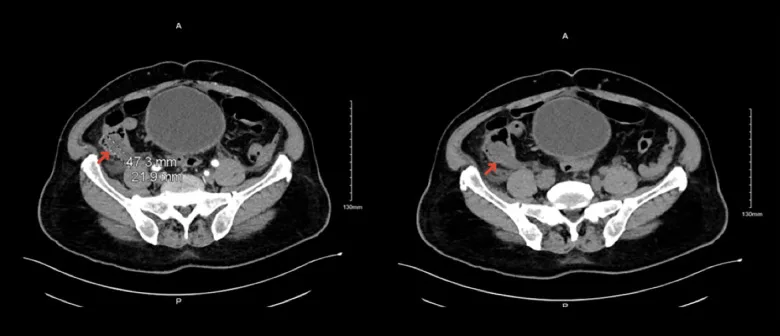
Colorectal cancer mimic: benign isolated colonic neurofibroma treated with hemicolectomy

Patient Info: Anonymized, Male

Biomarkers: CEA was normal before surgery. Final pathology showed benign neurofibroma, not colorectal cancer; lymph node was reactive only.

As of May 2026, the benign cecal neurofibroma had been completely resected with negative margins, symptoms resolved, and there was no recurrence at 3 years.

PubMed Central
OutcomeSurvivorship / Completed Treatment
Carrie, who was diagnosed with Stage IV Colorectal CancerColorectal Cancer

Stage IV Colorectal Cancer: Carrie's Patient Story

Patient Info: Carrie, Female | Stage IV

Metastatic Site: ovaries; uterus; retroperitoneal/behind-kidney tumor

As of May 2026, Carrie had recurrent Stage IV signet ring cell colon cancer after a prior no-evidence-of-disease period and was receiving more aggressive chemotherapy plus radiation after surgery for a tumor behind the kidney.

The Patient Story
OutcomeSetback / Progression
A patient, who was diagnosed with Stage IV Lung AdenocarcinomaLung Cancer

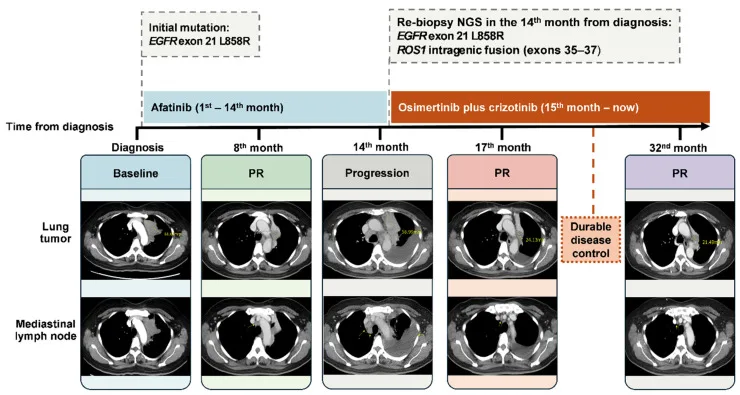
EGFR-mutated Stage IV lung cancer with later brain progression

Patient Info: Anonymized, Female, 60s | Stage IV

Biomarkers: EGFR exon 19 deletion; acquired EGFR C797S mutation; acquired ROS1 rearrangement

Metastatic Site: brain|bone

She died about 20 months after diagnosis after brain progression and a severe postoperative stroke.

PubMed Central
OutcomeIn Memory