SBRT: 63 Real Stories

63 stories match SBRT. 35 of them mention chemotherapy.

A patient, who was diagnosed with Stage IV Small Cell Lung CancerSmall-cell Esophageal Cancer

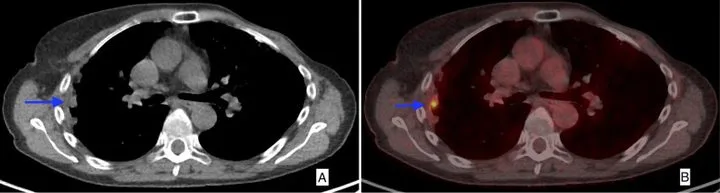
Stage IV small-cell esophageal cancer: initial complete response before brain, lung, liver, and adrenal progression

Patient Info: Anonymized, Female, 60s | Stage IV

Biomarkers: pancytokeratin and CD56; PD-L1 TPS 5%; later lung lesion Ki-67 80%.

Metastatic Site: abdominal lymph nodes, brain, lung, liver, right…

After an extended initial complete response, she developed progressive metastatic disease involving brain, lung, liver, and right adrenal gland; whole-brain radiation and lurbinectedin were started, but septic shock and acute hypoxic respiratory failure with ARDS led to comfort care.

PubMed Central
OutcomeSetback / Progression
A patient, who was diagnosed with Stage IV Lung AdenocarcinomaLung Cancer

ALK-Positive Metastatic Lung Cancer Responding to Lorlatinib During Hemodialysis

Patient Info: Anonymized, female, 70+ | Stage IV

Biomarkers: ALK rearrangement 80%; EGFR and BRAF negative; ROS1 negative; PD-L1 negative

Metastatic Site: brain

After about 1 year of lorlatinib, imaging was almost compatible with a complete response, brain MRI showed no active lesions, and she continued treatment with manageable high cholesterol as the main reported side effect.

PubMed Central
OutcomeResponding Well
A patient, who was diagnosed with Stage IV Breast CancerBreast Cancer

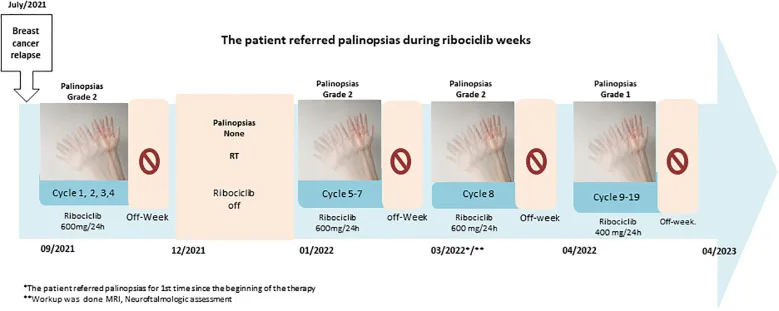
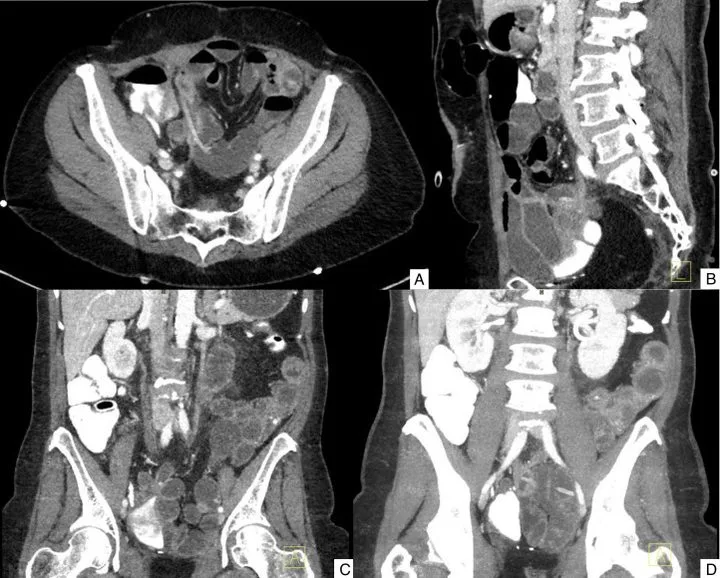
Stage 4 HR-positive breast cancer: stable disease on ribociclib

Patient Info: Anonymized, Female, 40s | Stage IV

Biomarkers: ER-positive; PR-positive; HER2-negative

Metastatic Site: left iliac bone

Metastatic HR-positive, HER2-negative breast cancer remained without progression as of October 2024 while she continued ribociclib 400 mg plus letrozole after SBRT to a left iliac bone metastasis.

PubMed Central
OutcomeLiving With Cancer
Leah, who was diagnosed with Stage IV Lung CancerLung Cancer

Stage IV EGFR Lung Cancer: Leah's Patient Story

Patient Info: Leah Phillips, Female, 40s | Stage IV

Biomarkers: EGFR mutation

Metastatic Site: Not reported

As of December 2024, Leah was recovering well a few weeks after right-middle-lobe lobectomy, but remained a Stage IV EGFR-mutated lung cancer patient needing ongoing treatment and follow-up.

MD Anderson
OutcomeCare Ongoing
Filipe, who was diagnosed with Stage IV Non-Small Cell Lung CancerLung Cancer

Stage IV EGFR Non-Small Cell Lung Cancer: Filipe's Patient Story

Patient Info: Filipe, Male, Under 40 | Stage IV

Biomarkers: EGFR exon 19 deletion

Metastatic Site: brain, bone, left lung, kidney

As of November 2024, Filipe was living with ongoing Stage IV EGFR exon 19-mutated lung cancer after initial response to osimertinib, later progression and current amivantamab plus chemotherapy.

The Patient Story
OutcomeLiving With Cancer
A patient, who was diagnosed with Stage I Lung AdenocarcinomaLung Cancer

Stage I lung adenocarcinoma treated with SBRT after pacemaker relocation

Patient Info: Anonymized, Female, 70+ | Stage I

As of December 2024, CT showed complete resolution of the lung ground-glass lesion and no recurrence 4 years and 10 months after SBRT for Stage I lung adenocarcinoma, with stable pacemaker function.

PubMed Central
OutcomeCancer-Free / NED
A patient, who was diagnosed with Stage IV Lung AdenocarcinomaLung Cancer

Lung Adenocarcinoma With Immune-Related Abdominal Inflammation and Later Bone Progression

Patient Info: Anonymized, male | Stage IV

Biomarkers: PD-L1 30%; KRAS G13X mutation; EGFR/ALK/ROS1 negative

Metastatic Site: bone

After several periods of response or stability, lymph-node progression recurred and bone progression was documented in July 2024. Another treatment line was being planned.

PubMed Central
OutcomeSetback / Progression
A patient, who was diagnosed with Stage IV Non-Small Cell Lung CancerLung Cancer

Stage 4 ALK-positive lung cancer: remission on lorlatinib

Patient Info: Anonymized, Male, Under 40 | Stage IV

Biomarkers: ALK-positive rearrangement; TTF-1-positive

Metastatic Site: bilateral lungs, mediastinal lymph nodes, bone, liver,…

Metastatic ALK-positive lung adenocarcinoma remained in radiologic and clinical remission on lorlatinib after CNS progression on earlier ALK-directed therapy and stereotactic radiosurgery.

PubMed Central
OutcomeLiving With Cancer
A patient, who was diagnosed with Stage IV Non-Small Cell Lung CancerLung Cancer

Stage 4 lung cancer with brainstem metastasis: complete remission on chemotherapy

Patient Info: Anonymized, Male, 50s | Stage IV

Metastatic Site: pons, right parietal lobe, brain

Stage IV NSCLC with pontine and right parietal brain metastases achieved complete remission after 2 years of chemotherapy with an anti-VEGF drug; the pontine lesion remained stable, and severe SRS-related central neuropathic pain improved after methadone escalation.

PubMed Central
OutcomeCancer-Free / NED
A patient, who was diagnosed with Stage IV Lung AdenocarcinomaLung Cancer

Seven-year response journey in EGFR-mutated metastatic lung adenocarcinoma

Patient Info: Anonymized, Male, 70+ | Stage IV

Biomarkers: EGFR mutation

Metastatic Site: pleura, brain

About 7 years after presentation with metastatic lung adenocarcinoma, he remained on targeted therapy. Gefitinib controlled the disease for 5 years; after brain progression, osimertinib followed by stereotactic radiation produced a complete intracranial response.

PubMed Central
OutcomeResponding Well
Leah, who was diagnosed with Stage IV Non-Small Cell Lung CancerLung Cancer

Stage IV EGFR Non-Small Cell Lung Cancer: Leah's Patient Story

Patient Info: Leah Phillips, Female, 40s | Stage IV

Biomarkers: EGFR exon 19 deletion

Metastatic Site: bone (spine, pelvis); malignant right pleural…

As of July 2024, Leah remained on daily Tagrisso with stable Stage IV EGFR-mutated lung cancer, no reported progression, healing/sclerotic bone metastases, and durable response for more than 4 years.

The Patient Story
OutcomeResponding Well
A patient, who was diagnosed with Lung CancerLung Cancer

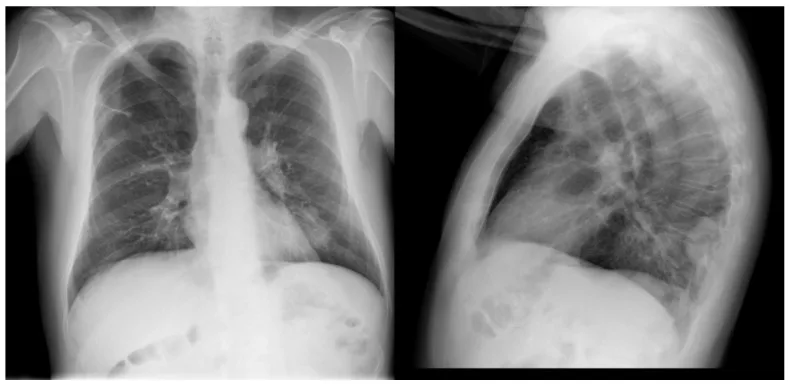
Second primary lung cancer treated with SBRT two years later

Patient Info: Anonymized, male, 70+

At 17 months after the second SBRT, the left-lung lesion had shrunk with no local recurrence, and the patient remained alive and walking independently.

PubMed Central
OutcomeResponding Well
A patient, who was diagnosed with Stage IV Small Cell Lung CancerLung Cancer

EGFR-mutated lung cancer with later small-cell transformation

Patient Info: Anonymized, male, 60s | Stage IV

Biomarkers: EGFR L858R mutation; acquired EGFR T790M mutation

Metastatic Site: pleura/chest wall, ribs, brain, meninges,…

Disease progressed through multiple lines of therapy with brain and meningeal involvement. He died in September 2021, more than 9 years after his original 2012 diagnosis.

PubMed Central
OutcomeIn Memory
Jessica, who was diagnosed with Stage IV Colorectal CancerColorectal Cancer

Stage IV Colorectal Cancer: Jessica's Survivor Story

Patient Info: Jessica Dazzler, Female, Under 40 | Stage IV

Biomarkers: FoundationOne testing performed; exact mutation not stated

Metastatic Site: lungs, spine, rib

As of May 2024, Jessica said it took 3 years and 4 months to reach no evidence of disease after Stage IV colorectal cancer, though she remained anxious about future scans and possible circulating cancer.

The Patient Story
OutcomeCancer-Free / NED
A patient, who was diagnosed with Non-Small Cell Lung CancerLung Cancer

Stage IB squamous lung cancer: SBRT, second primary tumor, and local persistence

Patient Info: Anonymized, Female, 70+

Biomarkers: EGFR wild-type / no EGFR mutations detected

As of April 2024, the second left-lower-lobe primary remained without progression after SBRT, but the original right-lower-lobe tumor site had biopsy-confirmed persistent squamous cell carcinoma 4.3 years after SBRT and required salvage local therapy planning.

PubMed Central
OutcomeSetback / Progression
Deborah, who was diagnosed with Stage IV Lung CancerLung Cancer

Stage IV Lung Cancer: Deborah's Patient Story

Patient Info: Deborah Persinger, Female, 70+ | Stage IV

Metastatic Site: Brain

As of January 2024, Deborah was living actively 13 years after lung cancer diagnosis, with recurrent brain metastases managed through repeated Gamma Knife radiosurgery and ongoing MRI surveillance.

Cleveland Clinic
OutcomeLiving With Cancer
Jeff, who was diagnosed with Stage IV Colorectal CancerColorectal Cancer

Stage IV Colorectal Cancer: Jeff's Patient Story

Patient Info: Jeff Williams, Male, 50s | Stage IV

Metastatic Site: Liver; lungs

As of December 2023, Jeff was living with recurrent Stage IV colorectal cancer, had recently developed more lung tumors, continued chemotherapy locally every 2 weeks, and returned to UT MD Anderson every 3 months for scans.

MD Anderson
OutcomeLiving With Cancer
A patient, who was diagnosed with Lung AdenocarcinomaLung Cancer

Severe colitis from pembrolizumab immunotherapy requiring additional treatment

Patient Info: Anonymized, Male

Infliximab stopped the bleeding and reduced bowel movements from 11–12 to about 3–4 per day within 1 week, allowing discharge. Continued follow-up was needed for the colitis, hepatitis B reactivation risk and lung cancer.

PubMed Central
OutcomeCare Ongoing
A patient, who was diagnosed with Stage IV Lung AdenocarcinomaLung Cancer

BRCA2-Mutated Metastatic Lung Adenocarcinoma Controlled for 30 Months With Olaparib

Patient Info: Anonymized, female, 60s | Stage IV

Biomarkers: PD-L1-negative; BRCA2 mutation; ATM mutation; EGFR-negative; ALK-negative

Metastatic Site: brain

Olaparib provided about 30 months of disease control, and PET imaging remained overall stable when a separate new breast primary was found in February 2023.

PubMed Central
OutcomeStable Disease
Terri, who was diagnosed with Stage I Lung CancerLung Cancer

Stage I Lung Cancer: Terri's Survivor Story

Patient Info: Terri Ann DiJulio, Female, 40s | Stage I

Biomarkers: Not reported for patient; family history of lung cancer noted

As of June 2023, Terri Ann was considered no evidence of disease after 3 early-stage lung cancer diagnoses treated with surgery and SBRT, and she had returned to 6-month follow-up while continuing advocacy and cycling.

The Patient Story
OutcomeCancer-Free / NED