Cetuximab: 17 Real Stories

17 stories match cetuximab. 15 of them mention chemotherapy.

A patient, who was diagnosed with Stage IV Colorectal AdenocarcinomaColorectal Cancer

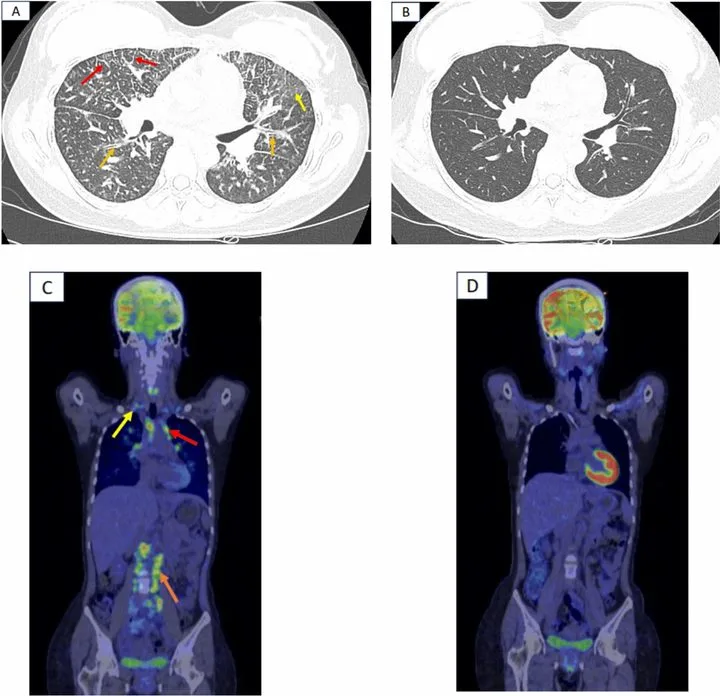
Rectal cancer that spread through the lungs: complete remission after BRAF-targeted therapy

Patient Info: Anonymized, Female, Under 40 | Stage IV

Biomarkers: BRAF mutation; HER2-negative; microsatellite stable; no detectable KRAS or NRAS mutations

Metastatic Site: lungs (pulmonary lymphangitic carcinomatosis);…

After progression with recurrent lung metastases and a new pericardial effusion, she chose hospice care and died in February 2025, 19 months after diagnosis.

PubMed Central
OutcomeIn Memory
A patient, who was diagnosed with Stage IV Colorectal AdenocarcinomaColorectal Cancer

Stage IV sigmoid colon cancer: recurrence after FOLFOX, hepatectomy, and colectomy

Patient Info: Anonymized, Male, 60s | Stage IV

Biomarkers: Mismatch repair proficient; microsatellite stable; KRAS wild-type; BRAF wild-type; CEA 3.8 ng/mL at diagnosis

Metastatic Site: liver, lung

As of September 2025, metastatic sigmoid colon cancer had recurred in the lungs and remnant liver after initial FOLFOX, hepatectomy, and colectomy, requiring FOLFIRI plus cetuximab.

PubMed Central
OutcomeSetback / Progression
A patient, who was diagnosed with Stage IV Colorectal AdenocarcinomaColorectal Cancer

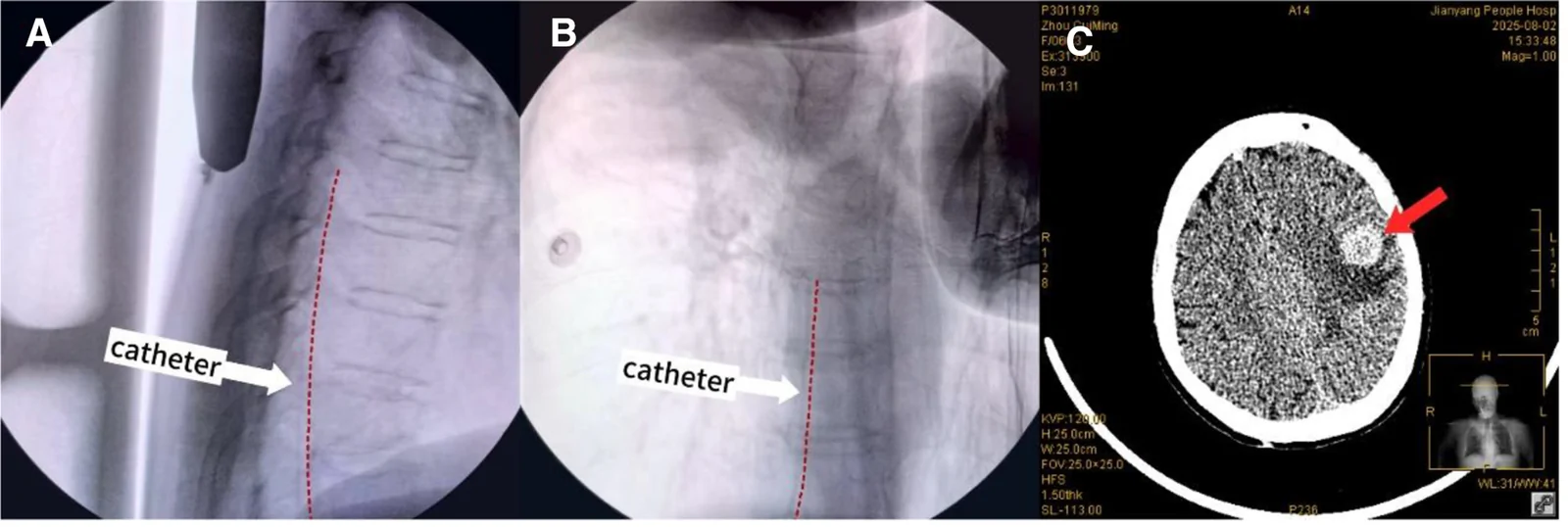
Stage IV transverse colon cancer with NTRK fusion: entrectinib response followed by fatal PTTM

Patient Info: Anonymized, Male, 70+ | Stage IV

Biomarkers: RAS/BRAF wild type, low TMB. CEA and CA19-9 were elevated before entrectinib and fell with response.

Metastatic Site: peritoneum, greater omentum, pleura,…

He died 7 weeks after hospitalization from pulmonary tumor thrombotic microangiopathy causing severe pulmonary hypertension and right-heart failure, despite biochemical and ascites response to entrectinib.

PubMed Central
OutcomeIn Memory
A patient, who was diagnosed with Stage IV Colorectal AdenocarcinomaColorectal Cancer

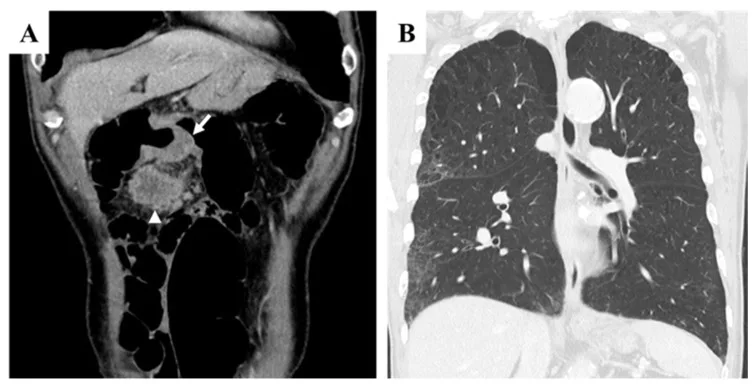
Colon cancer recurring in the spleen with a serious splenic abscess

Patient Info: Anonymized, Male, 40s | Stage IV

Biomarkers: KRAS wild-type, NRAS wild-type, BRAF wild-type

Metastatic Site: spleen

More than 5 years after his 2016 colectomy, he was treated for metastatic recurrence. Disease was assessed as stable during systemic therapy, and he later recovered well after splenectomy for confirmed splenic metastasis.

PubMed Central
OutcomeStable Disease
A patient, who was diagnosed with Stage IV Colorectal AdenocarcinomaColorectal Cancer

32-year-old woman with Stage IV rectal cancer, liver and lung metastases, targeted chemotherapy, surgery, ablation, radiation, and ongoing chemotherapy

Patient Info: Anonymized, Female, Under 40 | Stage IV

Biomarkers: KRAS wild-type; NRAS wild-type; BRAF wild-type

Metastatic Site: Liver | Lung | Presacral/perirectal lymph nodes

As of the story endpoint around December 2020, she was 5 years into treatment for Stage IV rectal cancer after multiple systemic regimens, bowel/liver/lung surgery, liver recurrence treatment, ablation, lung surgery, TOMO radiation, and ongoing chemotherapy.

Cancer361 (中文)
OutcomeCare Ongoing
A patient, who was diagnosed with Stage IV Colorectal CancerColorectal Cancer

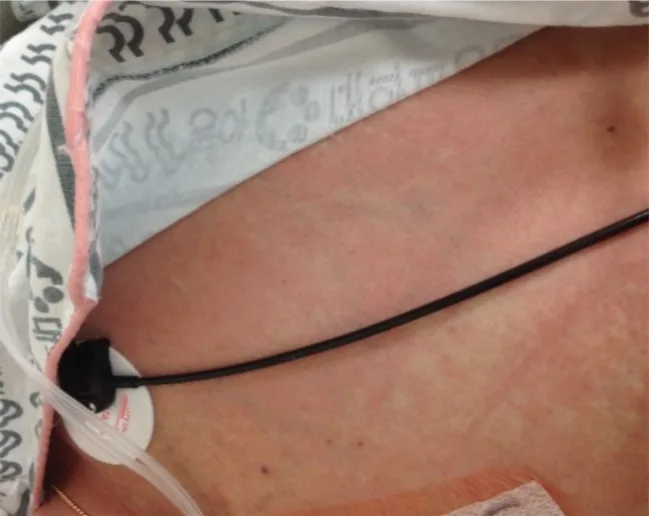
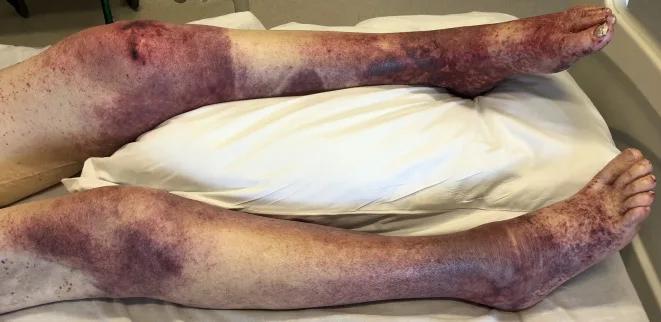
Scurvy and Severe Bruising During Metastatic Colon Cancer Care

Patient Info: Anonymized, Female, 50s | Stage IV

Metastatic Site: vagina|sacrum

She died one year after hospitalization for scurvy and Klebsiella bacteremia, following progressive malignancy, recurrent infections, and community palliative care.

PubMed Central
OutcomeIn Memory
A patient, who was diagnosed with Stage IV Colorectal AdenocarcinomaColorectal Cancer

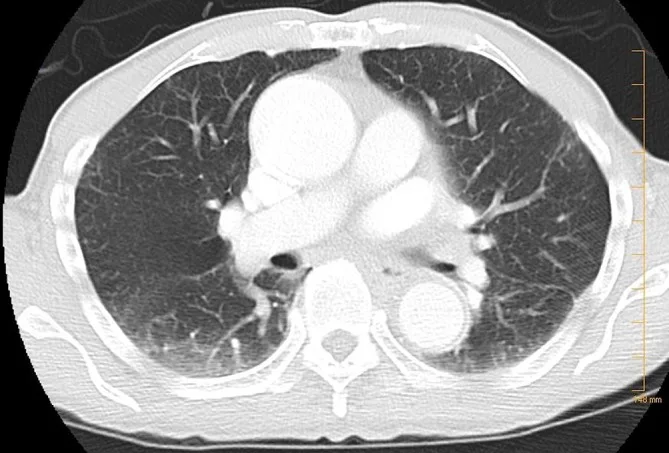
Metastatic Colorectal Cancer Treatment Complicated by Severe Lung Inflammation

Patient Info: Anonymized, Male, 70+ | Stage IV

Biomarkers: KRAS wild type; NRAS wild type

Metastatic Site: liver

He recovered from the severe treatment-related lung inflammation, was weaned off oxygen within 1 month, and continued oncology follow-up while living with Stage IV colorectal cancer.

PubMed Central
OutcomeLiving With Cancer
A patient, who was diagnosed with Stage IV Colorectal AdenocarcinomaColorectal Cancer

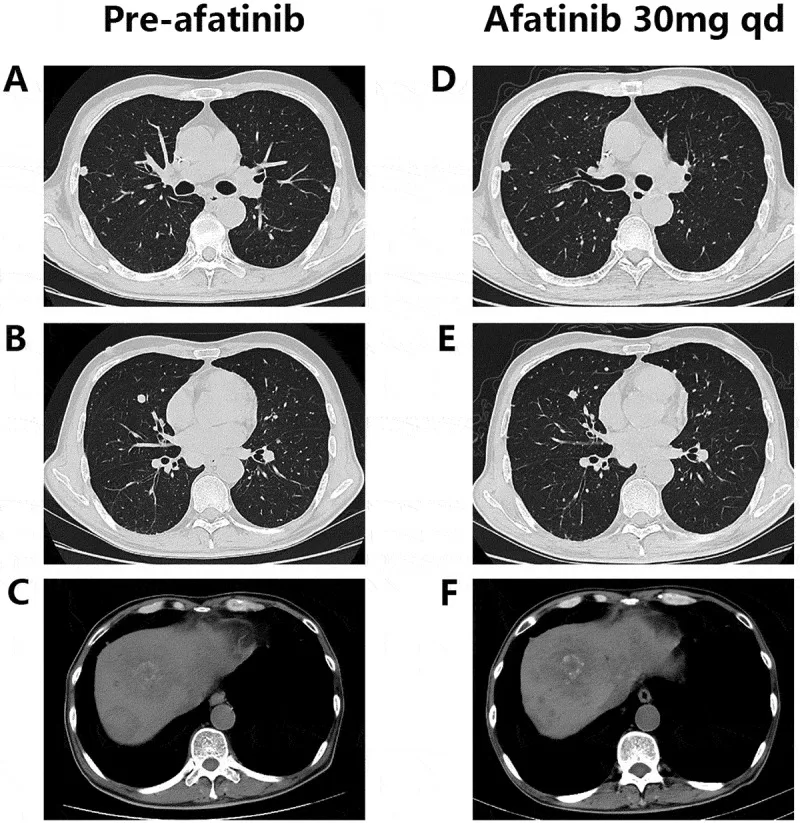
HER2-amplified metastatic colon cancer treated with afatinib after several therapies

Patient Info: Anonymized, Male, 60s | Stage IV

Biomarkers: RAS wild-type; BRAF wild-type; HER2 amplification; HER2 mutation

Metastatic Site: liver|abdominal wall|lung

After multiple treatment lines and a 3-month period of stable disease on afatinib, the cancer progressed again. He died in January 2018 from severe lung infection and kidney failure.

PubMed Central
OutcomeIn Memory
A patient, who was diagnosed with Lung CancerLung Cancer

T790M-negative lung cancer on afatinib after AZD9291 trial ineligibility

Patient Info: Anonymized, Male

Biomarkers: T790M-negative blood test; EGFR/TKI treatment context

On 21 April 2016, the patient was not eligible for the AZD9291 trial because the blood sample was T790M-negative, so he continued afatinib/Giotrif while weighing future options and advance-care preferences.

Noxte (Blog Cáncer de Pulmón)
OutcomeCare Ongoing
A patient, who was diagnosed with Stage IV Colorectal AdenocarcinomaColorectal Cancer

Sigmoid colon cancer: complete response after repeated metastatic recurrences and multimodal therapy

Patient Info: Anonymized, Male, 60s | Stage IV

Biomarkers: KRAS/NRAS/BRAF status not reported; CEA elevation used for recurrence monitoring

Metastatic Site: left lung, mediastinal lymph nodes, left adrenal…

By 2011, all metastatic lesions had achieved complete response; nearly 1 year after the last adrenal irradiation, no recurrence had been detected.

PubMed Central
OutcomeCancer-Free / NED
A patient, who was diagnosed with Stage IV Colorectal AdenocarcinomaColorectal Cancer

Sigmoid colon cancer with later inguinal lymph-node metastasis: surgery, FOLFOX, FOLFIRI, and cetuximab

Patient Info: Anonymized, Male, 60s | Stage IV

Biomarkers: CEA was elevated at diagnosis and recurrence. Metastatic lymph node was CK20 positive/CK7 negative; EGFR mutation status not reported.

Metastatic Site: left inguinal lymph node

Apparently disease-free 8 months after surgical removal of the left inguinal lymph-node metastasis followed by FOLFIRI plus cetuximab.

PubMed Central
OutcomeCancer-Free / NED