Supportive Care for Stage 4 Lung Cancer: 72 Real Stories

72 stories match lung cancer, stage 4 and supportive care. 39 of them mention chemotherapy.

A patient, who was diagnosed with Stage IV Lung AdenocarcinomaLung Cancer

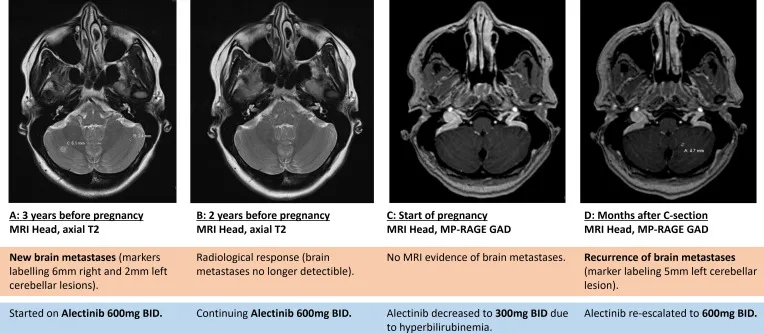
ALK-positive lung cancer treated with alectinib throughout pregnancy

Patient Info: Anonymized, Female | Stage IV

Biomarkers: ALK rearrangement / fusion-positive

Metastatic Site: pleura; liver; bone; brain

Alectinib produced a complete radiologic response and maintained intracranial control through pregnancy. She delivered a healthy infant at 37 weeks, with normal development at 26 months.

PubMed Central
OutcomeResponding Well
A patient, who was diagnosed with Stage IV Lung CancerLung Cancer

Lung cancer first discovered through a skin metastasis

Patient Info: Anonymized, Male | Stage IV

Metastatic Site: skin and subcutaneous tissues; soft tissue and muscle;…

His metastatic disease progressed rapidly, and he died 4.5 months after the initial dermatology referral.

PubMed Central
OutcomeIn Memory
A patient, who was diagnosed with Stage IV Non-Small Cell Lung CancerLung Cancer

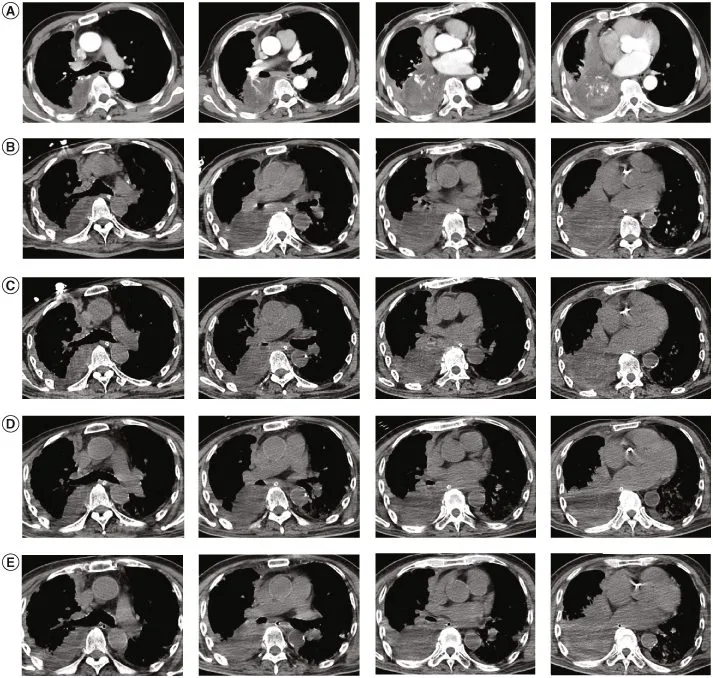
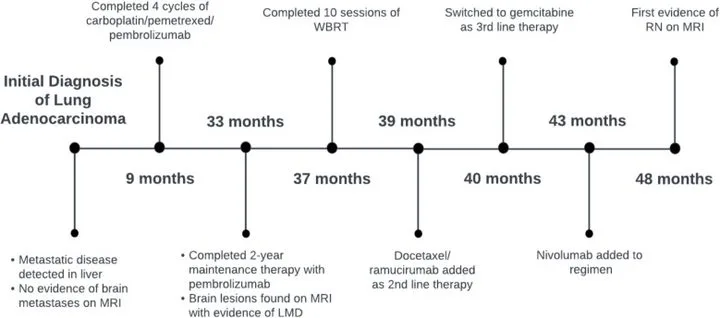
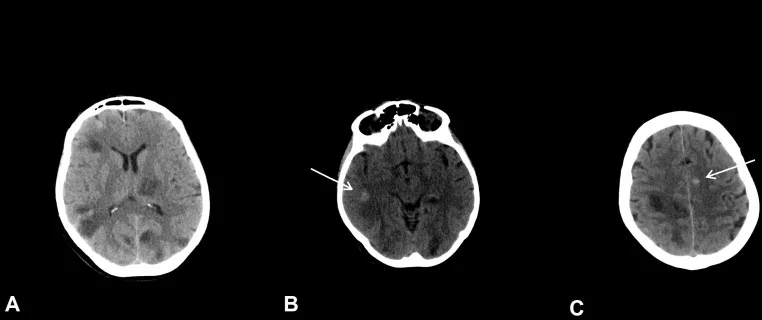
Brain radiation therapy complication (radionecrosis) potentially linked to combined chemo-immunotherapy

Patient Info: Anonymized, Female | Stage IV

Biomarkers: PD-L1 0%; tumour mutational burden 33 mutations/Mb; TP53 mutation at diagnosis; later ctDNA included KEAP1 and NOTCH3 alterations

Metastatic Site: brain; presumed leptomeningeal disease

She recovered completely from surgery for radiation necrosis, resumed cancer treatment and remained neurologically intact at 18 months. She was found deceased 9 months later; the cause of death was unknown.

PubMed Central
OutcomeIn Memory
Christine, who was diagnosed with Stage IV Non-Small Cell Lung CancerLung Cancer

Stage IV ALK Non-Small Cell Lung Cancer: Christine's Patient Story

Patient Info: Christine, Female, 50s | Stage IV

Biomarkers: ALK mutation / ALK-positive

Metastatic Site: Brain | Liver

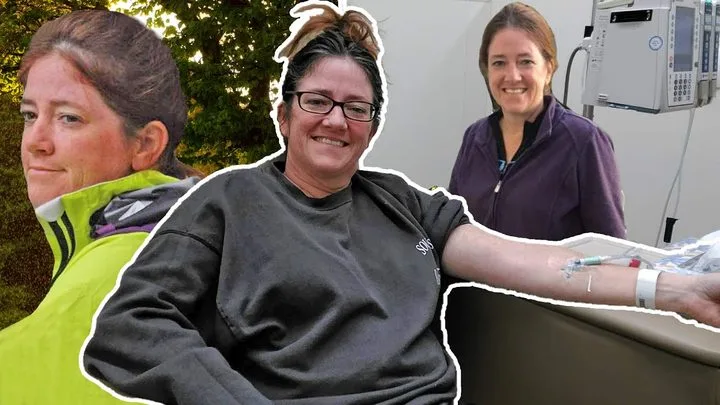
As of October 2023, Christine was living with Stage IV ALK-positive NSCLC that remained in check on targeted therapy after alectinib cleared brain and liver spots and lorlatinib continued, with significant chronic side effects.

Lung Cancer Research Foundation
OutcomeLiving With Cancer
A patient, who was diagnosed with Stage IV Lung AdenocarcinomaLung Cancer

MET-mutated lung cancer: testing savolitinib before surgery

Patient Info: Anonymized, Male, 60s | Stage IV

Biomarkers: MET exon 14 skipping, TP53 and BRAF mutations; PD-L1 expression 5%

Metastatic Site: pleura; mediastinal lymph node

Savolitinib produced a partial radiological response, but surgery confirmed persistent pleural and mediastinal nodal metastases with ypStage IVA disease. He recovered and continued adjuvant savolitinib.

PubMed Central
OutcomeIn Treatment
A patient, who was diagnosed with Stage IV Non-Small Cell Lung CancerLung Cancer

HER2-positive metastatic lung cancer treated with trastuzumab deruxtecan (Enhertu)

Patient Info: Anonymized, Female | Stage IV

Biomarkers: ERBB2/HER2 copy-number gain of at least 20 copies; TP53 C242fs; CDK12 copy-number gain; tumour mutational burden 3.2 mutations/Mb

Metastatic Site: lungs / multiple pulmonary nodules

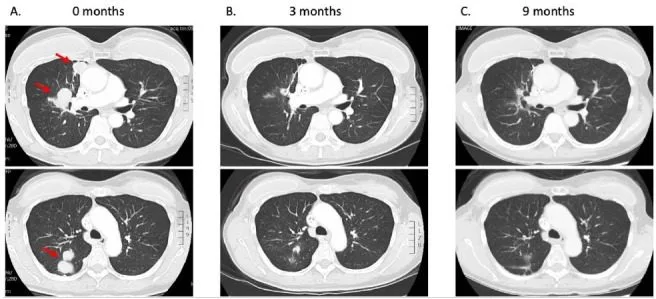
Trastuzumab deruxtecan reduced the pulmonary nodules by more than 50% at 3 months and produced a documented response lasting 13.8 months.

PubMed Central
OutcomeResponding Well
Amy, who was diagnosed with Stage IV Lung Squamous Cell CarcinomaLung Cancer

Stage IV MET Lung Squamous Cell Carcinoma: Amy's Patient Story

Patient Info: Amy, Female | Stage IV

Biomarkers: MET amplification

Metastatic Site: Bone/femur; lymph nodes; shoulder; adrenal glands;…

As of July 2022, Amy had a rapid and strong response to Crizotinib after MET amplification was found, with pain and lumps improving within about 2 weeks after Keytruda had failed.

The Patient Story
OutcomeResponding Well
A patient, who was diagnosed with Stage IV Non-Small Cell Lung CancerLung Cancer

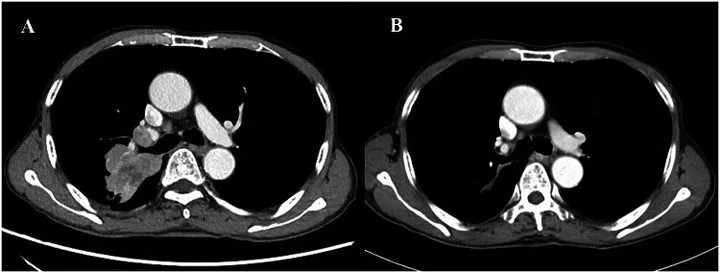
Long-term erlotinib treatment alongside worsening kidney vasculitis

Patient Info: Anonymized, Male, 70+ | Stage IV

Metastatic Site: bone

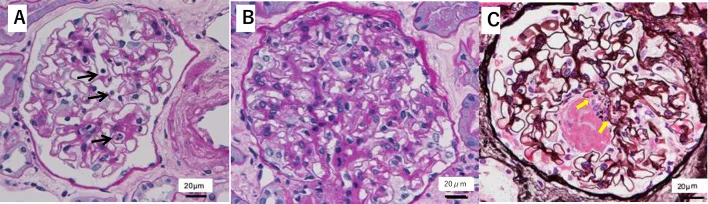
Bone metastases showed osteosclerotic change after erlotinib began, and the drug continued because he was benefiting from treatment despite worsening renal vasculitis.

PubMed Central
OutcomeResponding Well
A patient, who was diagnosed with Stage IV Lung AdenocarcinomaLung Cancer

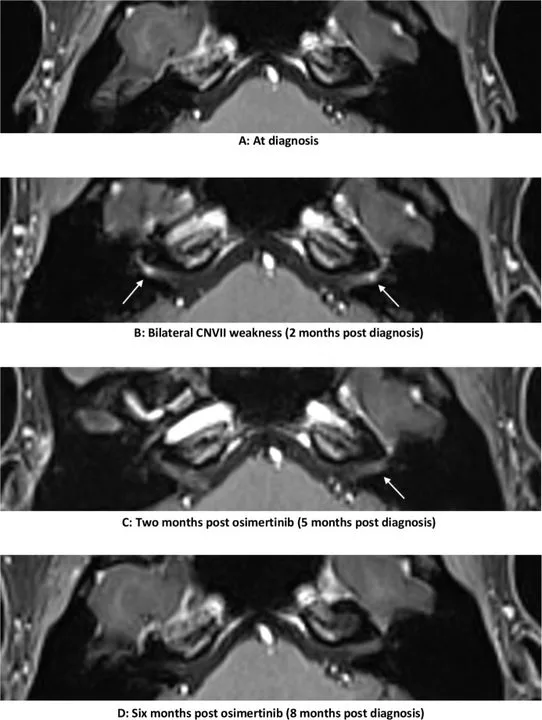
Facial paralysis from progression of EGFR-positive metastatic lung cancer improved with osimertinib

Patient Info: Anonymized, Female, Under 40 | Stage IV

Biomarkers: EGFR exon 21 p.Leu858Arg mutation.

Metastatic Site: brain; leptomeninges and facial nerves

Osimertinib rapidly resolved the bilateral facial weakness and reduced the brain lesions, but after 15 months seizures recurred and three smaller brain metastases had increased in size.

PubMed Central
OutcomeSetback / Progression
A patient, who was diagnosed with Stage IV Lung CancerLung Cancer

Likely lung carcinoma presenting as bilateral adrenal metastases

Patient Info: Anonymized, Male, 70+ | Stage IV

Metastatic Site: bilateral adrenal glands

Three months after bilateral adrenalectomy, he remained under regular oncology surveillance, was receiving steroid replacement, and had not required adjuvant chemotherapy.

PubMed Central
OutcomeCare Ongoing
A patient, who was diagnosed with Stage IV Lung AdenocarcinomaLung Cancer

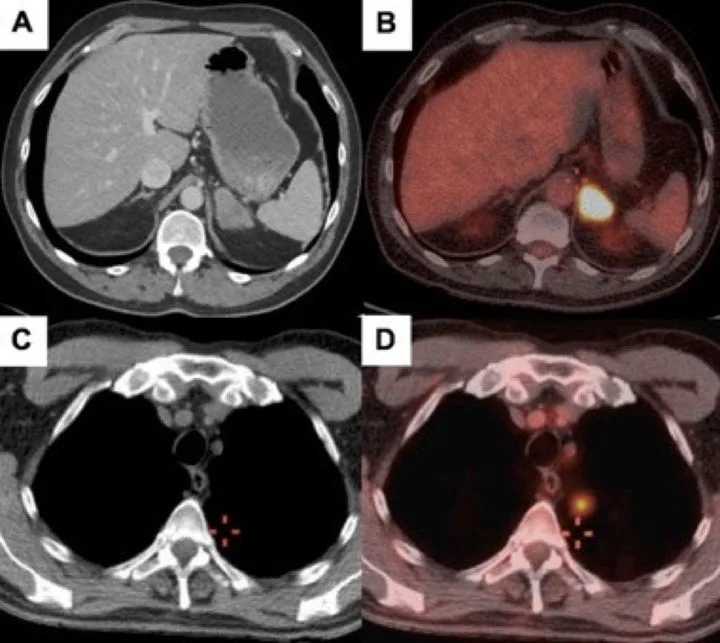
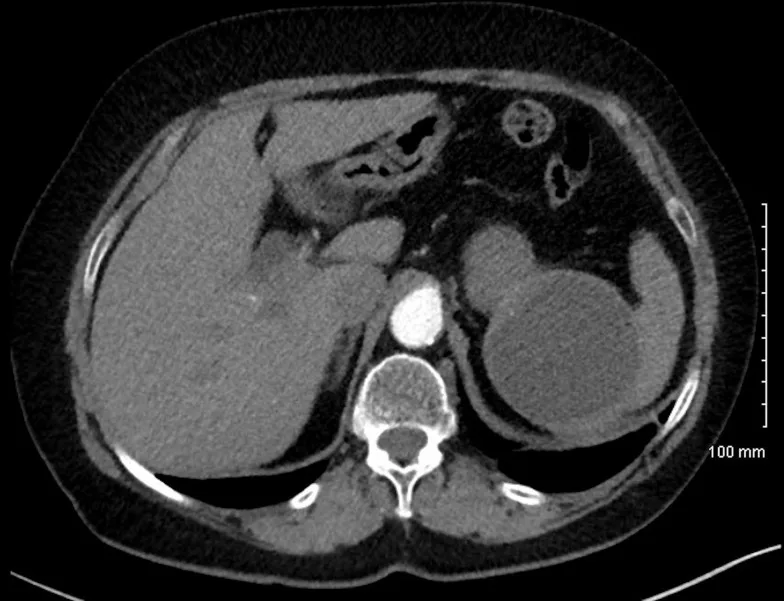
Surgery for an isolated splenic metastasis from lung adenocarcinoma

Patient Info: Anonymized, Female, 70+ | Stage IV

Metastatic Site: spleen

Nine months after removal of the isolated splenic metastasis, follow-up showed no local or disseminated recurrence and she remained under regular lung-cancer surveillance.

PubMed Central
OutcomeCancer-Free / NED
A patient, who was diagnosed with Stage IV Small Cell Lung CancerLung Cancer

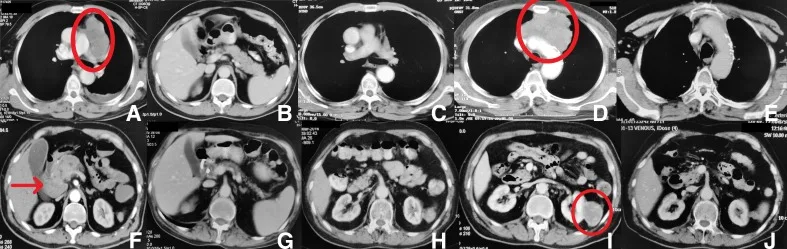
More than 10 years living with relapsing extensive-stage small cell lung cancer

Patient Info: Anonymized, Male, 60s | Stage IV

Biomarkers: Chromogranin-positive.

Metastatic Site: pleura; pancreas; left kidney and perinephric region

After five treatment lines and several metastatic relapses over more than 10 years, his latest irinotecan and carboplatin course produced another partial response and he was doing well at the last follow-up.

PubMed Central
OutcomeResponding Well
A patient, who was diagnosed with Stage IV Small Cell Lung CancerLung Cancer

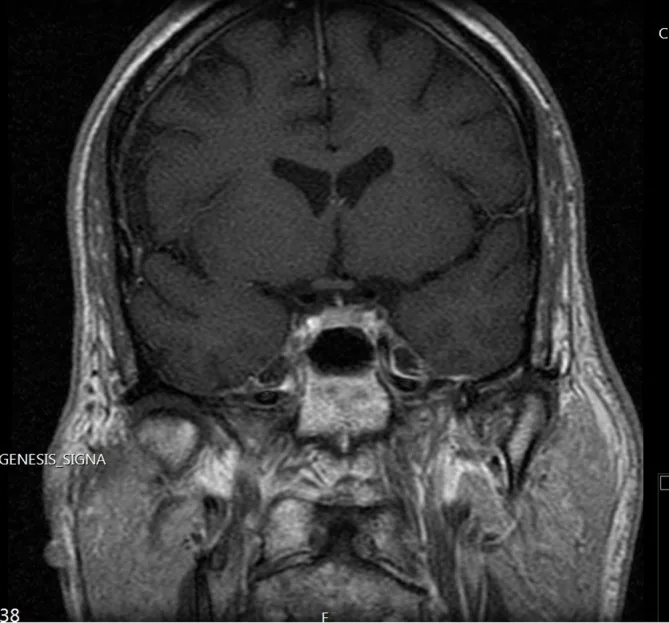
Late-onset mania revealed advanced small cell lung cancer

Patient Info: Anonymized, Male, 50s | Stage IV

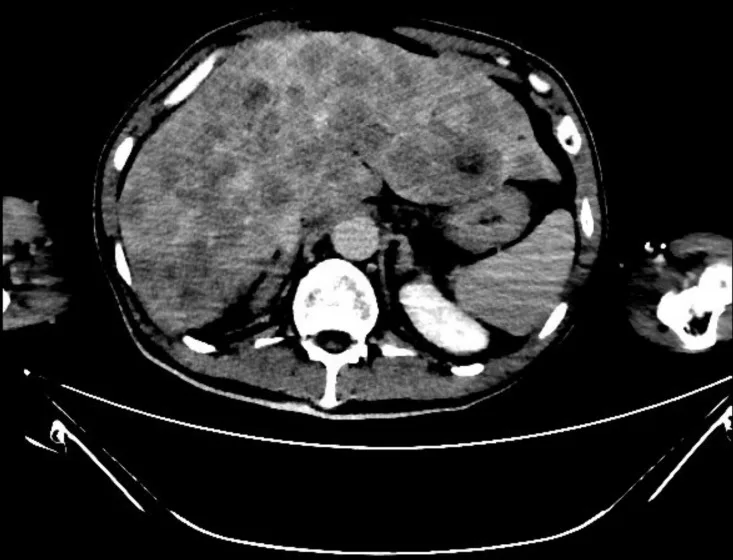
Biomarkers: ACTH-producing tumor with ACTH 776 pg/mL and morning cortisol 206.8 micrograms/dL.

Metastatic Site: right lung; liver

He died a few months after diagnosis from aspiration pneumonia and multiorgan failure in the setting of rapidly deteriorating stage IV small cell lung cancer.

PubMed Central
OutcomeIn Memory
A patient, who was diagnosed with Stage IV Lung AdenocarcinomaLung Cancer

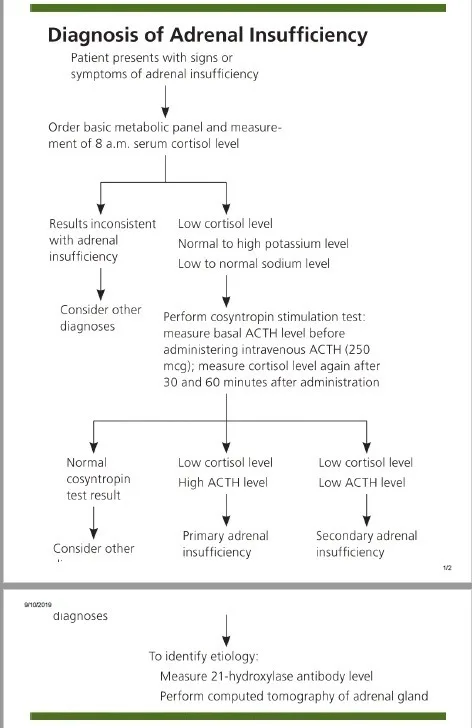
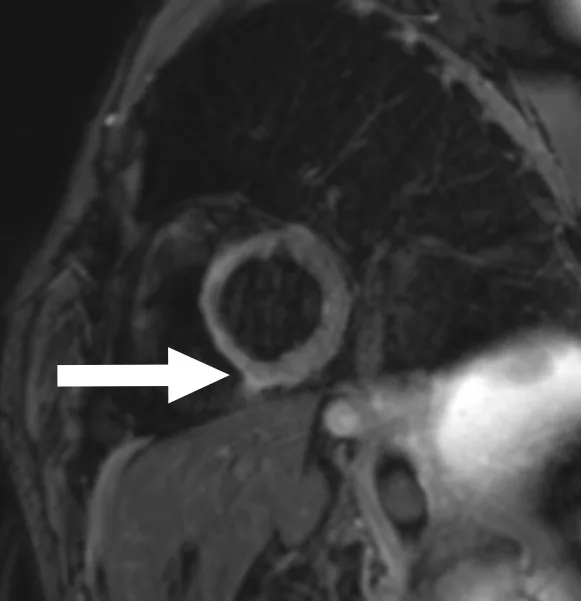
Nivolumab-related adrenal failure during treatment for metastatic lung cancer

Patient Info: Anonymized, Female, 60s | Stage IV

Metastatic Site: brain (left cerebellum)

Her confusion, gastrointestinal symptoms, and hyponatremia improved after glucocorticoid and mineralocorticoid replacement, and she was discharged on ongoing hormone replacement.

PubMed Central
OutcomeNot reported
A patient, who was diagnosed with Stage IV Lung AdenocarcinomaLung Cancer

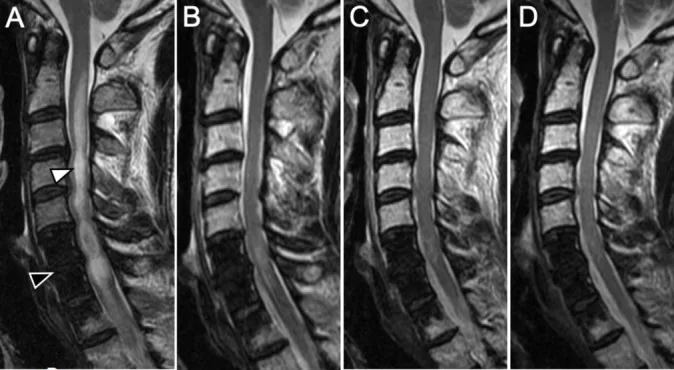
Osimertinib Improved Spinal Cord Metastases in Long-Standing Lung Cancer

Patient Info: Anonymized, Male, 50s | Stage IV

Biomarkers: Initial surgical specimen: no detected EGFR mutation and ALK-negative. Later pleural-fluid tumor: acquired EGFR T790M mutation with no other detected EGFR mutation.

Metastatic Site: cervical and mediastinal lymph nodes; bone; brain;…

Osimertinib improved neurologic function and kept the lung cancer stable for 14 months; he later died from bacterial pneumonia.

PubMed Central
OutcomeIn Memory
A patient, who was diagnosed with Stage IV Lung AdenocarcinomaLung Cancer

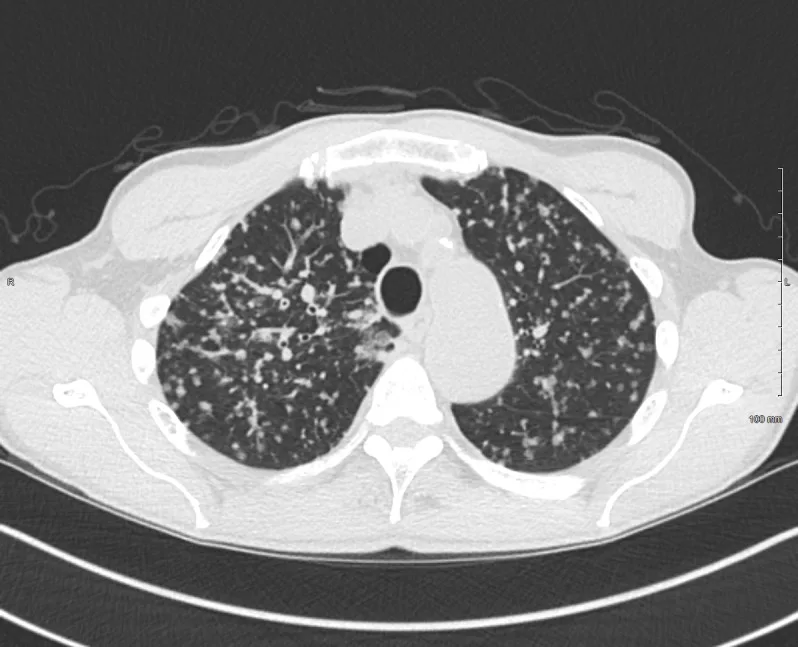
Rapidly Progressive Stage IV Lung Adenocarcinoma With a Miliary Imaging Pattern

Patient Info: Anonymized, Male, 60s | Stage IV

Biomarkers: TTF-1-positive; p40-negative; chromogranin-negative; synaptophysin-negative; EGFR-negative; ALK-negative; ROS1-negative; PD-L1 expression 5%–10%.

The cancer progressed rapidly, and he died approximately four months after diagnosis while being transported to inpatient hospice.

PubMed Central
OutcomeIn Memory
A patient, who was diagnosed with Stage IV Lung AdenocarcinomaLung Cancer

Stage IV lung adenocarcinoma with brain metastasis: partial remission after pemetrexed/cisplatin and AOSD-like paraneoplastic syndrome

Patient Info: Anonymized, Male, 50s | Stage IV

Biomarkers: No tumor molecular biomarkers reported. AOSD-like syndrome had high ferritin, inflammation markers, and RF/ANA negative.

Metastatic Site: brain

As of November 2011, pemetrexed/cisplatin produced partial remission of Stage IV lung adenocarcinoma and controlled the AOSD-like paraneoplastic syndrome without recurrent fever, rash, or arthralgia.

PubMed Central
OutcomeResponding Well