Supportive Care for Stage 4 Lung Cancer: 72 Real Stories

72 stories match lung cancer, stage 4 and supportive care. 39 of them mention chemotherapy.

A patient, who was diagnosed with Stage IV Lung AdenocarcinomaLung Cancer

Stage IV ROS1-positive lung adenocarcinoma: entrectinib-associated ventricular tachyarrhythmia treated with plasma exchange

Patient Info: Anonymized, Male, Under 40 | Stage IV

Biomarkers: ROS1-positive lung adenocarcinoma

Metastatic Site: not specified

As of October 2025, the patient survived severe entrectinib-associated ventricular tachyarrhythmia, was weaned from VA-ECMO by day 5 after therapeutic plasma exchange, and was discharged improved on day 13; later lung-cancer response was not described.

PubMed Central
OutcomeCare Ongoing
A patient, who was diagnosed with Stage IV Small Cell Lung CancerLung Cancer

Extensive-stage small-cell lung cancer with serplulimab-associated diabetes: care ongoing

Patient Info: Anonymized, Male, 60s | Stage IV

Biomarkers: Tumor biomarkers not reported. Diabetes workup after immunotherapy: autoantibodies negative, C-peptide very low.

After 11 days in the hospital, diabetic ketoacidosis was controlled; he continued insulin therapy with good glucose control and resumed serplulimab plus levothyroxine.

PubMed Central
OutcomeCare Ongoing
A patient, who was diagnosed with Stage IV Small Cell Lung CancerLung Cancer

Extensive-stage small-cell lung cancer with serplulimab-associated diabetes

Patient Info: Anonymized, Male, 70+ | Stage IV

Biomarkers: Tumor biomarkers not reported. Diabetes autoantibodies were negative, C-peptide was low, and hypothyroidism labs were severe.

After 10 days of hospitalization, diabetic ketoacidosis was controlled; he was discharged on insulin therapy and resumed serplulimab immunotherapy.

PubMed Central
OutcomeCare Ongoing
A patient, who was diagnosed with Stage IV Non-Small Cell Lung CancerLung Cancer

Stage IV lung adenocarcinoma with paraneoplastic nephrotic syndrome during pembrolizumab therapy

Patient Info: Anonymized, Male, 60s | Stage IV

Biomarkers: PD-L1 tumor proportion score >50% by Roche SP263 assay; KRAS exon 3 mutation; NGS/FISH did not identify targets for first-line targeted therapy

Metastatic Site: brain, bone

Pembrolizumab produced partial response and improved nephrotic-syndrome parameters, but bone metastases progressed in September 2022 and the right upper-lobe target lesion progressed 2 months later, leading to carboplatin plus pemetrexed.

PubMed Central
OutcomeSetback / Progression
A patient, who was diagnosed with Stage IV Lung Squamous Cell CarcinomaLung Cancer

Stage IVA right lung squamous cell carcinoma: partial response complicated by camrelizumab-related pneumonitis and pulmonary bullae

Patient Info: Anonymized, Male, 70+ | Stage IV

Biomarkers: Squamous lung cancer marker profile: P40/CK5/6 positive, TTF-1/Napsin A negative. CEA/CYFRA tumor markers were elevated. PD-L1 not reported.

Metastatic Site: suspected pleural involvement / right pleural effusion

The cancer had a partial response to albumin-bound paclitaxel, carboplatin, and camrelizumab; camrelizumab was stopped after suspected immune-related pneumonitis, pulmonary embolism, and reversible pulmonary bullae, which improved after methylprednisolone was resumed.

PubMed Central
OutcomeResponding Well
A patient, who was diagnosed with Stage IV Small Cell Lung CancerLung Cancer

Extensive-stage small-cell lung cancer with immune-related diabetes and stable disease at 2 years

Patient Info: Anonymized, Female, 60s | Stage IV

Biomarkers: Tumor PD-L1 not reported. Immune-related diabetes showed very low C-peptide and negative diabetes autoantibodies; thyroiditis also occurred.

Metastatic Site: pancreas; pleura/pleural effusion; mediastinal lymph…

Two years after the SCLC diagnosis, she was alive with stable oncologic disease after later brain metastases were treated with whole-brain radiotherapy, and she remained insulin-dependent.

PubMed Central
OutcomeLiving With Cancer
A patient, who was diagnosed with Stage IV Non-Small Cell Lung CancerLung Cancer

Stage IV lung adenocarcinoma with gelatinous malignant pleural effusion managed with PleurX catheter and hyaluronidase

Patient Info: Anonymized, Female, 40s | Stage IV

Biomarkers: TTF-1-positive; Napsin A-positive; non-small-cell carcinoma consistent with adenocarcinoma; next-generation sequencing pending

Metastatic Site: pleura / malignant pleural effusion

Her Stage IV lung adenocarcinoma symptoms improved through pleural drainage with PleurX catheter and intrapleural hyaluronidase while oncology planned definitive chemoradiation and possible biomarker-guided therapy.

PubMed Central
OutcomeCare Ongoing
A patient, who was diagnosed with Stage IV Lung AdenocarcinomaLung Cancer

Stage IV lung adenocarcinoma with Aspergillus-associated empyema: disease control after chemotherapy and antifungal therapy

Patient Info: Anonymized, Male | Stage IV

Biomarkers: Pathogenic NF1 mutation; CEA elevated in pleural fluid; Aspergillus fumigatus cultured from bronchoalveolar lavage fluid

Metastatic Site: pleural disease/effusion (M1a)

After 6 cycles of pemetrexed/cisplatin and 6 months of antifungal therapy for Aspergillus-associated empyema, 12-month follow-up showed disease stability without recurrence.

PubMed Central
OutcomeResponding Well
A patient, who was diagnosed with Stage IV Non-Small Cell Lung CancerLung Cancer

Metastatic lung adenocarcinoma presenting with central diabetes insipidus

Patient Info: Anonymized, Male, 50s | Stage IV

Biomarkers: Weak TTF-1-positive; weak Napsin A-positive; weak p63-positive; CK5/6-negative; molecular testing not performed because of financial constraints

Metastatic Site: brain lesions, cervical spine bone lesions

He died shortly after the second cycle of platinum-based chemotherapy for metastatic lung adenocarcinoma that presented with central diabetes insipidus and brain/bone lesions.

PubMed Central
OutcomeIn Memory
A patient, who was diagnosed with Stage IV Lung AdenocarcinomaLung Cancer

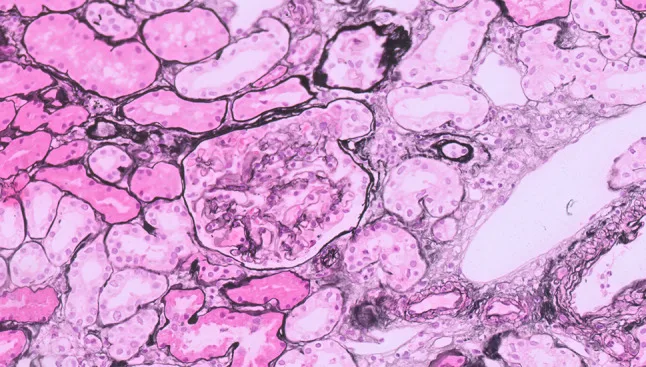
Recurrent lung adenocarcinoma with bevacizumab-associated glomerular microangiopathy

Patient Info: Anonymized, Male, 50s | Stage IV

Biomarkers: No tumor molecular biomarkers reported. Kidney biopsy and complement/immune deposits supported bevacizumab-related kidney microangiopathy.

Metastatic Site: pleura

He was living with recurrent metastatic lung adenocarcinoma after pleural spread and had persistent renal dysfunction and severe proteinuria from bevacizumab-associated glomerular microangiopathy despite stopping bevacizumab.

PubMed Central
OutcomeLiving With Cancer
A patient, who was diagnosed with Stage IV Lung CancerLung Cancer

Stage IVA lung adenosquamous carcinoma: complete response after paclitaxel, nedaplatin, and tislelizumab

Patient Info: Anonymized, Male, 60s | Stage IV

Biomarkers: Adenosquamous lung cancer markers; PD-L1 TPS 18%; KRAS, BRAF, PIK3CA, FLT1 mutation; TMB 3.7

Metastatic Site: pleura/chest wall, cervical lymph nodes, axillary…

As of March 30, 2025, he maintained complete response with normal tumor markers, no radiologic evidence of progression or recurrence, and progression-free survival of 46.5 months after paclitaxel/nedaplatin/tislelizumab followed by maintenance tislelizumab.

PubMed Central
OutcomeCancer-Free / NED
A patient, who was diagnosed with Stage IV Non-Small Cell Lung CancerLung Cancer

EML4-ALK lung cancer: complete remission on alectinib for 4 years

Patient Info: Anonymized, Female, 60s | Stage IV

Biomarkers: EML4-ALK fusion

Metastatic Site: brain

Alectinib produced complete remission for nearly 4 years; after grade 3 colitis/ulcers, she switched to ceritinib and maintained stable tumor control without recurrent intestinal ulcers or colitis.

PubMed Central
OutcomeResponding Well
A patient, who was diagnosed with Stage IV Lung AdenocarcinomaLung Cancer

Stage 4 lung cancer: managing pembrolizumab-induced myasthenia gravis

Patient Info: Anonymized, Female, 70+ | Stage IV

Biomarkers: Anti-acetylcholine receptor antibody elevated; TSH elevated during immune-related adverse event workup; cancer biomarkers not reported

At 9 months after the immune-related myasthenia gravis presentation, lung cancer remained in complete response while she continued low-dose prednisolone, pyridostigmine, levothyroxine, and nighttime NIV.

PubMed Central
OutcomeCancer-Free / NED
A patient, who was diagnosed with Stage IV Small Cell Lung CancerLung Cancer

Stage 4 small cell lung cancer with paraneoplastic neurological syndrome

Patient Info: Anonymized, Female, 60s | Stage IV

Biomarkers: Paraneoplastic antibody panel positive for anti-Hu, anti-AMPH, anti-Ri

Metastatic Site: left axillary lymph nodes

Over 2 years of follow-up, CT showed stable complete response, tumor markers stayed normal, no new metastases appeared, and neurological symptoms did not worsen.

PubMed Central
OutcomeCancer-Free / NED
A patient, who was diagnosed with Stage IV Small Cell Lung CancerLung Cancer

Stage IV small cell lung cancer: no abnormality after chemotherapy, radiotherapy, and TCM follow-up

Patient Info: Anonymized, Male, 60s | Stage IV

Metastatic Site: bilateral lungs; left supraclavicular lymph nodes;…

After chemotherapy, radiotherapy, supportive care, and longitudinal TCM follow-up, imaging showed disappearance of the main lung, nodal, and intrapulmonary lesions, with no abnormality found after 4 years of follow-up.

PubMed Central
OutcomeCancer-Free / NED
A patient, who was diagnosed with Stage IV Lung Squamous Cell CarcinomaLung Cancer

Stage 4 lung cancer: complete response to chemoimmunotherapy and surgery

Patient Info: Anonymized, Male, 50s | Stage IV

Biomarkers: EGFR exon 20 duplication with PD-L1 TPS 70%; P40/CK5/6 positive squamous markers; Ki-67 60%.

Metastatic Site: right adrenal gland; possible adjacent…

As of May 7, 2024, CT follow-up showed no evidence of disease after chemoimmunotherapy, conversion surgery with pathologic complete response, and pembrolizumab maintenance.

PubMed Central
OutcomeCancer-Free / NED
A patient, who was diagnosed with Stage IV Lung AdenocarcinomaLung Cancer

Metastatic EGFR-positive lung adenocarcinoma: osimertinib cardiomyopathy managed with SGLT2 inhibitor support

Patient Info: Anonymized, Male, 70+ | Stage IV

Biomarkers: EGFR-positive; specific EGFR sequence variant not reported in extracted case text

As of December 2024, he remained clinically stable and asymptomatic 12 months after osimertinib rechallenge with empagliflozin, losartan, metoprolol, and close cardiac monitoring; the extracted case focuses on cardiotoxicity management rather than tumor response.

PubMed Central
OutcomeCare Ongoing
Lindsay, who was diagnosed with Stage IV Non-Small Cell Lung CancerLung Cancer

Stage IV ALK Non-Small Cell Lung Cancer: Lindsay's Patient Story

Patient Info: Lindsay Wagner, Female, 40s | Stage IV

Biomarkers: ALK-positive mutation / ALK rearrangement

Metastatic Site: brain; liver; bone; kidneys; lungs;…

As of September 2024, Lindsay was still on lorlatinib/Lorbrena with her lungs, liver, and kidneys described as stable, while isolated brain/bone areas were treated with radiation and monitored.

The Patient Story
OutcomeResponding Well
A patient, who was diagnosed with Stage IV Non-Small Cell Lung CancerLung Cancer

Stage 4 lung cancer with brainstem metastasis: complete remission on chemotherapy

Patient Info: Anonymized, Male, 50s | Stage IV

Metastatic Site: pons, right parietal lobe, brain

Stage IV NSCLC with pontine and right parietal brain metastases achieved complete remission after 2 years of chemotherapy with an anti-VEGF drug; the pontine lesion remained stable, and severe SRS-related central neuropathic pain improved after methadone escalation.

PubMed Central
OutcomeCancer-Free / NED
A patient, who was diagnosed with Stage IV Lung AdenocarcinomaLung Cancer

EGFR exon 19 deletion lung cancer: gefitinib after osimertinib toxicity

Patient Info: Anonymized, Female, 70+ | Stage IV

Biomarkers: EGFR exon 19 deletion

As of August 2024, Stage IVB EGFR exon 19 deletion lung adenocarcinoma was being treated with gefitinib after osimertinib-induced grade 3 interstitial lung disease; ILD had not recurred, and low-dose prednisolone continued.

PubMed Central
OutcomeCare Ongoing
A patient, who was diagnosed with Stage IV Lung AdenocarcinomaLung Cancer

Stage 4 EGFR-mutant lung cancer controlled on gefitinib after osimertinib intolerance

Patient Info: Anonymized, Female, 70+ | Stage IV

Biomarkers: EGFR exon 21 L858R mutation

As of August 2024, Stage IVB EGFR L858R lung adenocarcinoma was being treated with gefitinib after grade 3 osimertinib-induced interstitial lung disease; the cancer had not progressed when steroids were completed and ILD had not recurred on gefitinib.

PubMed Central
OutcomeCare Ongoing
A patient, who was diagnosed with Stage IV Lung Squamous Cell CarcinomaLung Cancer

Stage 4 lung cancer: complete response to chemo-immunotherapy combo

Patient Info: Anonymized, Male, 40s | Stage IV

Metastatic Site: right hilar lymph nodes, mediastinal lymph nodes

Stage IVA lung squamous cell carcinoma achieved complete response at 12 months. Pembrolizumab was stopped after immune-related RS3PE and likely colitis; 8 months after glucocorticoid initiation, there was no relapse of lung cancer or RS3PE.

PubMed Central
OutcomeCancer-Free / NED