Osimertinib for EGFR Mutation Lung Cancer: 56 Real Stories

56 stories match lung cancer, EGFR mutation and osimertinib. 23 of them mention surgery.

Natasha, who was diagnosed with Stage IV Lung CancerLung Cancer

Stage IV EGFR Lung Cancer: Natasha's Patient Story

Patient Info: Natasha, Female | Stage IV

Biomarkers: EGFR-positive

Metastatic Site: brain

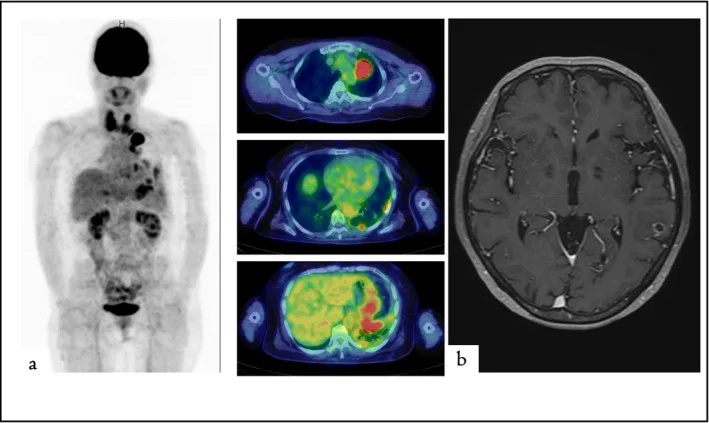
Natasha had Stage IV EGFR-positive lung cancer with brain metastases. Tagrisso/osimertinib was her main treatment, but a new brain metastasis later appeared and was treated with Gamma Knife. As of May 2025, she was awaiting follow-up MRI while continuing care.

The Patient Story
OutcomeSetback / Progression
Leah, who was diagnosed with Stage IV Lung CancerLung Cancer

How We Got Here: 6 Young Lung Cancer Patients & Their Paths To Surgery- Part 1

Patient Info: Leah Phillips, Female | Stage IV

Biomarkers: EGFR exon 19 deletion

Metastatic Site: bone (pelvis; spine; ribs)

As of April 2025, Leah was living with Stage IV EGFR exon 19 deletion lung cancer while continuing Tagrisso after SBRT and right middle lobe lobectomy.

YouTube (JA search)
OutcomeLiving With Cancer
A patient, who was diagnosed with Stage IV Small Cell Lung CancerLung Cancer

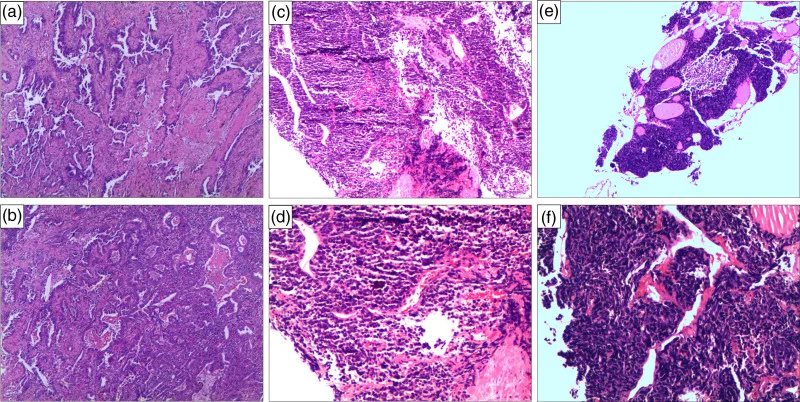
EGFR-Mutant Lung Adenocarcinoma That Transformed to Small Cell Lung Cancer

Patient Info: Anonymized, female, 40s | Stage IV

Biomarkers: EGFR exon 19 deletion; acquired EGFR T790M mutation

Metastatic Site: liver

The cancer progressed after transformation to small cell lung cancer, and she died 49 months after the original diagnosis.

PubMed Central
OutcomeIn Memory
A patient, who was diagnosed with Stage IV Small Cell Lung CancerLung Cancer

EGFR-Mutant Lung Adenocarcinoma That Transformed to Small Cell Lung Cancer

Patient Info: Anonymized, female, 40s | Stage IV

Biomarkers: EGFR exon 19 deletion

Metastatic Site: brain, adrenal gland, liver, thyroid

The cancer progressed after small-cell transformation with adrenal, thyroid, liver and brain involvement, and she died 52.7 months after the original diagnosis from disease progression and organ failure.

PubMed Central
OutcomeIn Memory
Jeff, who was diagnosed with Stage IV Non-Small Cell Lung CancerLung Cancer

Stage IV EGFR Non-Small Cell Lung Cancer: Jeff's Patient Story

Patient Info: Jeff, Male, 60s | Stage IV

Biomarkers: EGFR-positive; exon 19 mentioned

Metastatic Site: brain; bones — ribs, femur/hip, clavicle

Jeff has Stage IV EGFR-positive non-small cell lung cancer with brain and bone metastases. Biomarker testing changed the plan from radiation/chemotherapy toward Tagrisso targeted therapy. As of March 2025, he was living with metastatic lung cancer and emphasizing hope and self-advocacy.

The Patient Story
OutcomeLiving With Cancer
A patient, who was diagnosed with Stage IV Lung AdenocarcinomaLung Cancer

EGFR-Mutant Lung Cancer With Pleomorphic Transformation Treated With Local Surgery

Patient Info: Anonymized, female, 60s | Stage IV

Biomarkers: EGFR L858R mutation; PD-L1 less than 1% initially and greater than 75% after transformation

Metastatic Site: brain

Nine months after surgery for isolated progression, no recurrence had been seen and she remained on osimertinib.

PubMed Central
OutcomeResponding Well
Leah, who was diagnosed with Stage IV Lung CancerLung Cancer

Stage IV EGFR Lung Cancer: Leah's Patient Story

Patient Info: Leah Phillips, Female, 40s | Stage IV

Biomarkers: EGFR mutation

Metastatic Site: Not reported

As of December 2024, Leah was recovering well a few weeks after right-middle-lobe lobectomy, but remained a Stage IV EGFR-mutated lung cancer patient needing ongoing treatment and follow-up.

MD Anderson
OutcomeCare Ongoing
A patient, who was diagnosed with Stage IV Lung AdenocarcinomaLung Cancer

Metastatic EGFR-positive lung adenocarcinoma: osimertinib cardiomyopathy managed with SGLT2 inhibitor support

Patient Info: Anonymized, Male, 70+ | Stage IV

Biomarkers: EGFR-positive; specific EGFR sequence variant not reported in extracted case text

As of December 2024, he remained clinically stable and asymptomatic 12 months after osimertinib rechallenge with empagliflozin, losartan, metoprolol, and close cardiac monitoring; the extracted case focuses on cardiotoxicity management rather than tumor response.

PubMed Central
OutcomeCare Ongoing
Filipe, who was diagnosed with Stage IV Non-Small Cell Lung CancerLung Cancer

Stage IV EGFR Non-Small Cell Lung Cancer: Filipe's Patient Story

Patient Info: Filipe, Male, Under 40 | Stage IV

Biomarkers: EGFR exon 19 deletion

Metastatic Site: brain, bone, left lung, kidney

As of November 2024, Filipe was living with ongoing Stage IV EGFR exon 19-mutated lung cancer after initial response to osimertinib, later progression and current amivantamab plus chemotherapy.

The Patient Story
OutcomeLiving With Cancer
A patient, who was diagnosed with Stage III Lung AdenocarcinomaLung Cancer

Stage III EGFR exon 19-deleted lung adenocarcinoma: osimertinib and surgery

Patient Info: Anonymized, Female, 50s | Stage III

Biomarkers: EGFR exon 19 deletion

No sign of metastasis on PET-CT or brain MRI after 24 months of follow-up following neoadjuvant osimertinib, left upper-lobe resection, and adjuvant osimertinib.

PubMed Central
OutcomeCancer-Free / NED
A patient, who was diagnosed with Stage IV Lung AdenocarcinomaLung Cancer

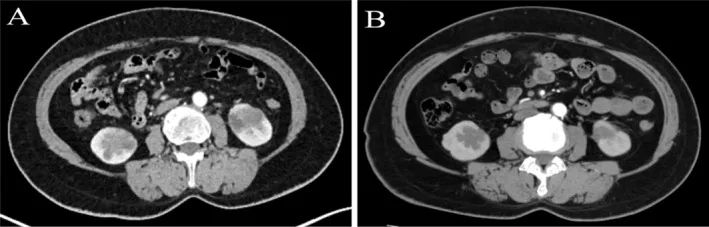
Stage I Lung Adenocarcinoma With Later Kidney Metastases Responding to Osimertinib

Patient Info: Anonymized, female, 50s | Stage IV

Biomarkers: EGFR L858R mutation; RB1 mutation; MAP3K1 mutation; PD-L1 negative

Metastatic Site: kidneys, peritoneal lymph nodes

Osimertinib produced a partial response within 6 weeks after metastatic recurrence in the kidneys. She remained alive and continued targeted treatment.

PubMed Central
OutcomeResponding Well
A patient, who was diagnosed with Stage IV Lung AdenocarcinomaLung Cancer

EGFR exon 19 deletion lung cancer: gefitinib after osimertinib toxicity

Patient Info: Anonymized, Female, 70+ | Stage IV

Biomarkers: EGFR exon 19 deletion

As of August 2024, Stage IVB EGFR exon 19 deletion lung adenocarcinoma was being treated with gefitinib after osimertinib-induced grade 3 interstitial lung disease; ILD had not recurred, and low-dose prednisolone continued.

PubMed Central
OutcomeCare Ongoing
A patient, who was diagnosed with Stage IV Lung AdenocarcinomaLung Cancer

Stage 4 EGFR-mutant lung cancer controlled on gefitinib after osimertinib intolerance

Patient Info: Anonymized, Female, 70+ | Stage IV

Biomarkers: EGFR exon 21 L858R mutation

As of August 2024, Stage IVB EGFR L858R lung adenocarcinoma was being treated with gefitinib after grade 3 osimertinib-induced interstitial lung disease; the cancer had not progressed when steroids were completed and ILD had not recurred on gefitinib.

PubMed Central
OutcomeCare Ongoing
A patient, who was diagnosed with Lung AdenocarcinomaLung Cancer

Stage IIIA EGFR-mutated lung adenocarcinoma: surgery after osimertinib

Patient Info: Anonymized, Male, 60s

Biomarkers: EGFR E746_A750 deletion; PD-L1 TPS 15%; TMB 5.01 Muts/Mb; TTF-1 3+; CK7 3+; Ki67 60%

As of July 2024, surveillance CT scans at 2, 6, and 12 months after surgery showed no recurrent malignancy while he continued adjuvant osimertinib.

PubMed Central
OutcomeCancer-Free / NED
Leah, who was diagnosed with Stage IV Non-Small Cell Lung CancerLung Cancer

Stage IV EGFR Non-Small Cell Lung Cancer: Leah's Patient Story

Patient Info: Leah Phillips, Female, 40s | Stage IV

Biomarkers: EGFR exon 19 deletion

Metastatic Site: bone (spine, pelvis); malignant right pleural…

As of July 2024, Leah remained on daily Tagrisso with stable Stage IV EGFR-mutated lung cancer, no reported progression, healing/sclerotic bone metastases, and durable response for more than 4 years.

The Patient Story
OutcomeResponding Well
A patient, who was diagnosed with Stage III Non-Small Cell Lung CancerLung Cancer

Stage 3 EGFR-mutant lung cancer: osimertinib response to surgery

Patient Info: Anonymized, Female, 50s | Stage III

Biomarkers: EGFR exon 19 deletion; PD-L1 tumor proportion score <=1%

No recurrence or metastasis was reported after neoadjuvant osimertinib, R0 left upper lobectomy with mediastinal lymphadenectomy, and ongoing adjuvant osimertinib for Stage IIIA EGFR exon 19 deletion lung adenocarcinoma.

PubMed Central
OutcomeCancer-Free / NED
Daniel, who was diagnosed with Stage II Non-Small Cell Lung CancerLung Cancer

Stage II EGFR Non-Small Cell Lung Cancer: Daniel's Survivor Story

Patient Info: Daniel West, Male | Stage II

Biomarkers: EGFR alteration

At the latest report, Daniel had no evidence of active cancer; small lung nodules were being monitored without progression while he continued osimertinib.

AACR
OutcomeCancer-Free / NED
Jeff, who was diagnosed with Stage IV Non-Small Cell Lung CancerLung Cancer

Jeff

Patient Info: Jeff, Male | Stage IV

Biomarkers: EGFR exon 19 deletion

Metastatic Site: brain|bones|lymph nodes

The lung mass shrank, 5 brain lesions and the involved lymph node had no evidence of disease, and Jeff described his condition as stable while continuing osimertinib and bone-strengthening infusions.

Lung Cancer Research Foundation
OutcomeResponding Well
Anne, who was diagnosed with Stage IV Non-Small Cell Lung CancerLung Cancer

Stage IV EGFR Non-Small Cell Lung Cancer: Anne's Patient Story

Patient Info: Anne Laporte, Female | Stage IV

Biomarkers: EGFR-mutated; several additional mutations mentioned but not specified

Metastatic Site: Spine; liver; lymph nodes

As of March 2024, Anne was living with Stage IVB EGFR-mutated NSCLC on a clinical trial after progression on Tagrisso, with early signs of decreased tumor burden and major improvement in pain.

The Patient Story
OutcomeResponding Well
Ashley, who was diagnosed with Stage IV Non-Small Cell Lung CancerLung Cancer

Stage IV EGFR Non-Small Cell Lung Cancer: Ashley's Patient Story

Patient Info: Ashley, Female | Stage IV

Biomarkers: EGFR T790M mutation

Metastatic Site: Both lungs / bilateral lung nodules

As of March 2024, Ashley was living with Stage IV EGFR-mutated NSCLC controlled on daily Tagrisso for 43 months, with stable scans but no cancer-free or NED claim.

The Patient Story
OutcomeLiving With Cancer
A patient, who was diagnosed with Stage IV Lung AdenocarcinomaLung Cancer

Stage IV EGFR-Mutant Lung Adenocarcinoma Responding to Osimertinib

Patient Info: Anonymized, female, 70+ | Stage IV

Biomarkers: EGFR L833V/H835L mutations; PD-L1 50%; CDK4 amplification; MDM2 amplification

Metastatic Site: contralateral lung, brain

After 3 months of osimertinib, the right upper lobe lesion had decreased and right hilar lymphadenopathy had resolved. The brain lesion remained stable, and subsequent imaging continued to show improvement in the lung lesion.

PubMed Central
OutcomeResponding Well
A patient, who was diagnosed with Stage IV Lung AdenocarcinomaLung Cancer

Lung cancer recurrence in the thyroid, initially mistaken for thyroid cancer

Patient Info: Anonymized, Male | Stage IV

Biomarkers: EGFR exon 19 deletion; TTF-1-positive; Napsin A-positive; PAX8-negative; thyroglobulin staining limited to tumour cells adjacent to normal thyroid tissue

Metastatic Site: thyroid; cervical lymph nodes

After starting osimertinib for EGFR exon 19-deleted recurrent lung adenocarcinoma, he was disease free 5 months after thyroid surgery.

PubMed Central
OutcomeCancer-Free / NED
Tiffany, who was diagnosed with Stage IV Non-Small Cell Lung CancerLung Cancer

Stage IV EGFR Non-Small Cell Lung Cancer: Tiffany's Patient Story

Patient Info: Tiffany, Female | Stage IV

Biomarkers: EGFR mutation

Metastatic Site: Bone: pelvis, right femur, cervical spine

As of March 2023, Tiffany had benefited from Tagrisso plus Cyramza, but later CT findings suggested worsening disease and she had started a new early-stage clinical trial with results pending.

The Patient Story
OutcomeSetback / Progression
Ashley, who was diagnosed with Stage IV Non-Small Cell Lung CancerLung Cancer

Living with Cancer & My Survivorship : Lung Cancer

Patient Info: Ashley, Female, Under 40 | Stage IV

Biomarkers: EGFR-positive; T790M mutation

As of September 2021, Ashley was living with incurable but treatable EGFR-positive T790M non-small cell lung cancer and described 43 months on treatment/journey while using community support to sustain hope.

The Patient Story
OutcomeLiving With Cancer