Surgery for Breast Cancer: 974 Real Stories

974 stories match breast cancer and surgery. 653 of them mention chemotherapy.

Jeanine, who was diagnosed with Stage III Invasive Lobular CarcinomaBreast Cancer

Stage III HR-Positive Invasive Lobular Carcinoma: Jeanine's Patient Story

Patient Info: Jeanine, Female | Stage III

Biomarkers: ER-positive; PR-positive; HER2-negative; genetic testing negative

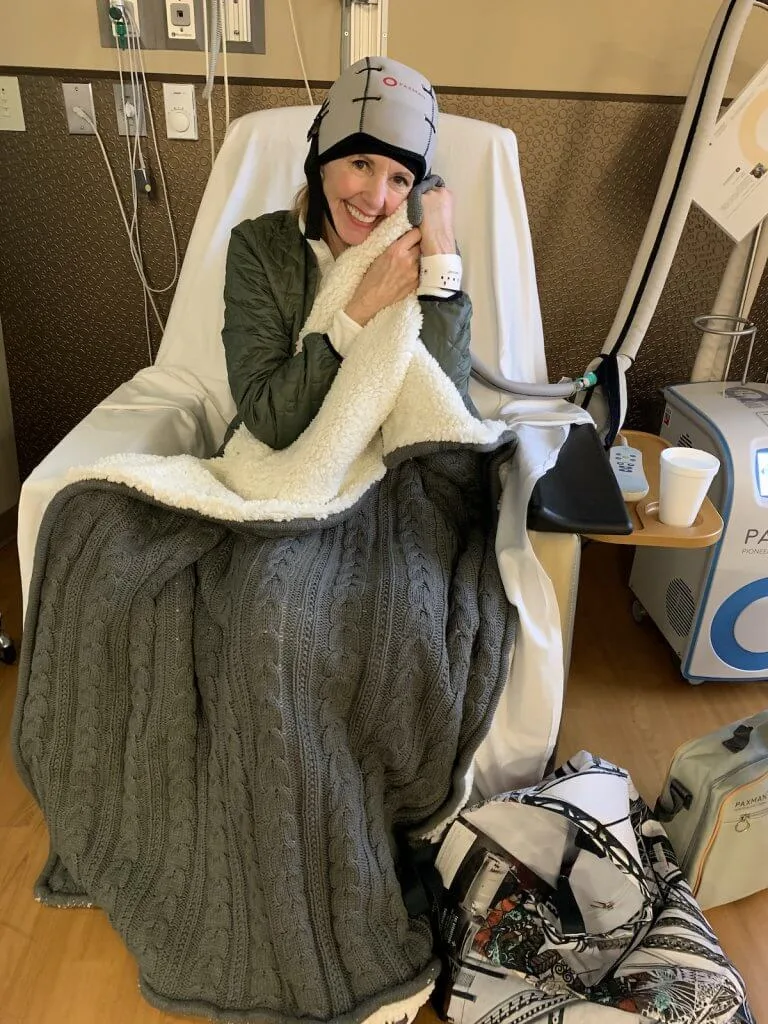
Jeanine completed chemotherapy, bilateral mastectomy, and post-surgery radiation after her disease was restaged from Stage II to Stage III, and she described continued active oncology care and advocacy as of June 2021.

Lobular Breast Cancer Alliance
OutcomeCare Ongoing
Susie's, who was diagnosed with Invasive Lobular CarcinomaBreast Cancer

Invasive Lobular Carcinoma: Susie's's Patient Story

Patient Info: Susie's daughter, Female, 40s

As of May 2021, Susie’s daughter was living after treatment for an 8 cm invasive lobular carcinoma and dealing with side effects from different endocrine therapies, while Susie became active in ILC advocacy and research support.

Lobular Breast Cancer Alliance
OutcomeCare Ongoing
MB
Breast Cancer

Male breast cancer discovered after years of stiff-person syndrome

Patient Info: Anonymized, Male, 50s

Biomarkers: ER-positive; PR-positive; HER2-negative; anti-amphiphysin antibody positive at 1:64; hereditary cancer panel negative for pathogenic germline variants.

He completed curative-intent breast cancer treatment and reported substantial improvement in upper-body stiffness, although lower-extremity stiffness, cramps, and unsteadiness persisted.

PubMed Central
OutcomeNot reported
A patient, who was diagnosed with Invasive Lobular CarcinomaBreast Cancer

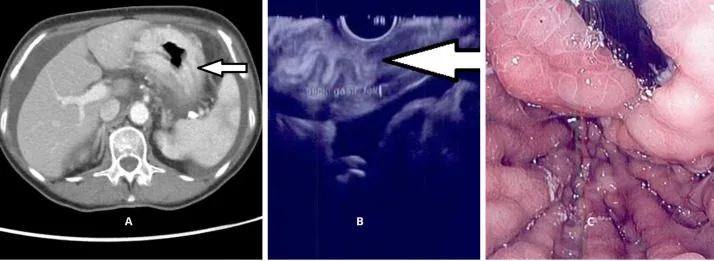
Breast cancer returned in the stomach and peritoneum after three years in remission

Patient Info: Anonymized, Female, 60s | Stage Metastatic/Advanced

Biomarkers: Initial breast tumor: ER 95%, PR 5%, HER2-negative, Nottingham grade 2. Metastatic peritoneal tumor: ER 80%

Metastatic Site: stomach; peritoneum

After metastatic breast cancer was confirmed in the stomach and peritoneum, she chose palliative care and inpatient hospice and died a few weeks later.

PubMed Central
OutcomeIn Memory
A patient, who was diagnosed with Invasive Lobular CarcinomaBreast Cancer

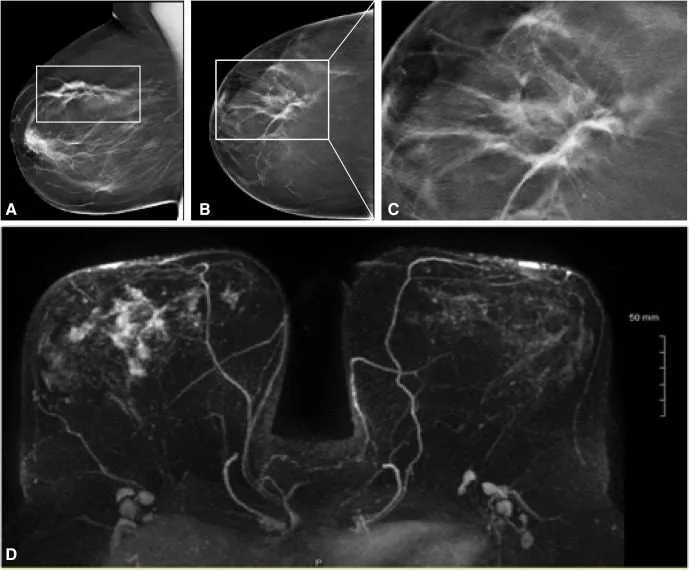
Breast cancer with sarcoidosis that mimicked metastatic disease

Patient Info: Anonymized, Female, 40s

Biomarkers: ER-positive; PR-positive; HER2-negative.

Her most recent mammogram showed no recurrent breast cancer while she continued letrozole, goserelin, and six-monthly follow-up.

PubMed Central
OutcomeCancer-Free / NED
Joy, who was diagnosed with Breast CancerBreast Cancer

HER2-Positive Breast Cancer: Joy's Survivor Story

Patient Info: Joy Albi

Biomarkers: HER2-positive

Joy was in complete remission after the breast tumor was removed and she completed systemic chemotherapy.

Dana-Farber
OutcomeCancer-Free / NED
Laurie, who was diagnosed with Invasive Lobular CarcinomaBreast Cancer

Invasive Lobular Carcinoma: Laurie's Patient Story

Patient Info: Laurie, Female, 60s

As of April 2021, Laurie had gone through surgery for invasive lobular carcinoma and was in post-surgery treatment while becoming deeply involved in LBCA advocacy and leadership.

Lobular Breast Cancer Alliance
OutcomeCare Ongoing
Hillary, who was diagnosed with Invasive Lobular CarcinomaBreast Cancer

Invasive Lobular Carcinoma: Hillary's Survivor Story

Patient Info: Hillary, Female, 50s

As of April 2021, Hillary had completed surgery, chemotherapy, radiation, lymphedema rehabilitation and staged reconstruction for node-positive breast cancer, with return toward normal life; no formal stage or NED status was stated.

Cleveland Clinic
OutcomeSurvivorship / Surveillance
A patient, who was diagnosed with Small Cell Lung CancerBreast Cancer

Primary small-cell neuroendocrine breast cancer treated with mastectomy

Patient Info: Anonymized, Female, 40s

Biomarkers: ER-negative; HER2 not overexpressed; Ki-67 90%; synaptophysin-positive; chromogranin A-positive; TTF-1-positive.

Her postoperative recovery was uncomplicated, and she was referred for adjuvant oncology after chemotherapy and radiation were recommended.

PubMed Central
OutcomeNot reported
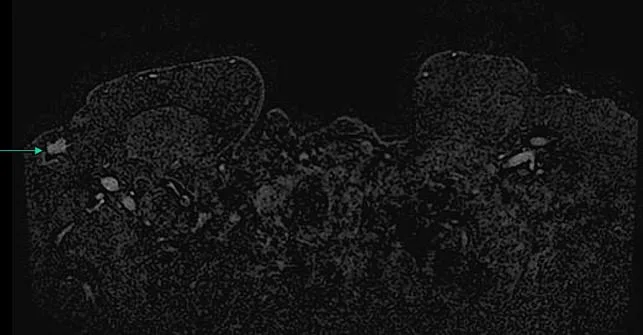
A patient, who was diagnosed with Invasive Ductal CarcinomaBreast Cancer

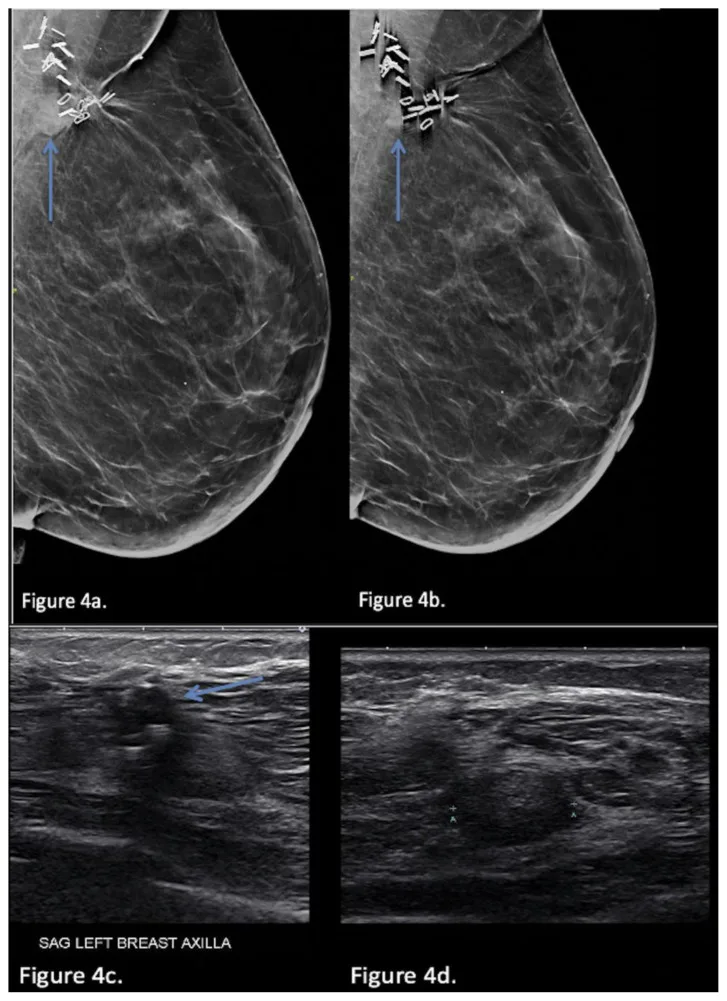
A second primary breast cancer in ectopic right axillary breast tissue

Patient Info: Anonymized, Female, 60s

Biomarkers: ER-positive greater than 90%; PR-positive greater than 90%; HER2-negative; Ki-67 20%; Oncotype DX recurrence score 17.

Her incision healed with normal shoulder movement and no lymphedema, and she was preparing to start radiation and anastrozole.

PubMed Central
OutcomeNot reported
A patient, who was diagnosed with Invasive Ductal CarcinomaBreast Cancer

HER2-positive left breast cancer treated with trastuzumab and mastectomy

Patient Info: Anonymized, Female, 60s | Stage Metastatic/Advanced

Biomarkers: ER-negative; PR-negative; HER2/CerbB2 strongly positive; BRCA1/2 negative for known pathogenic variants; FANCA variant of uncertain significance.

She remained alive, asymptomatic, and disease-free while undergoing annual surveillance after treatment for the left HER2-positive breast cancer.

PubMed Central
OutcomeCancer-Free / NED
A patient, who was diagnosed with Stage IV Invasive Ductal CarcinomaBreast Cancer

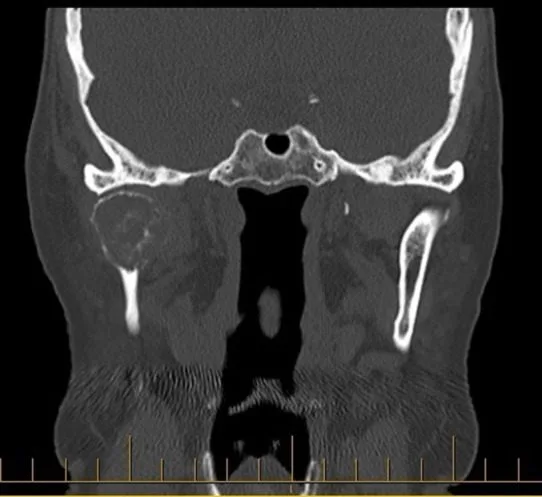
Breast cancer recurrence in the mandibular condyle causing jaw pain

Patient Info: Anonymized, Female, 50s | Stage IV

Biomarkers: ER-positive; PR-positive; HER2-negative.

Metastatic Site: right mandibular condyle with extension into the…

After anastrozole and 60 Gy of radiation, her jaw pain, mouth opening, and function improved, although some discomfort remained and palliative systemic treatment was continuing.

PubMed Central
OutcomeResponding Well
A patient, who was diagnosed with Invasive Ductal CarcinomaBreast Cancer

Local Breast Cancer Recurrence Was Found During BioZorb Surveillance

Patient Info: Anonymized, Female, 70+

Biomarkers: Initial right breast tumor: ER-positive, PR-positive, HER2-equivocal. Recurrent right breast tumor: ER-positive, HER2-negative.

Two sites of right-breast recurrence were confirmed three years after lumpectomy, leading to right mastectomy.

PubMed Central
OutcomeCare Ongoing
A patient, who was diagnosed with Breast CancerBreast Cancer

A BioZorb-Site Density Two Years After Lumpectomy Was Fat Necrosis

Patient Info: Anonymized, Female, 60s

Biomarkers: ER-positive; PR-positive; HER2-negative.

A new density at the lumpectomy site was confirmed as fat necrosis rather than recurrent cancer during ongoing surveillance.

PubMed Central
OutcomeCare Ongoing
A patient, who was diagnosed with Invasive Ductal CarcinomaBreast Cancer

A New Mass Three Years After Lumpectomy Was Fat Necrosis

Patient Info: Anonymized, Female, 50s

Biomarkers: ER-positive; PR-positive; HER2-negative.

A new mass detected three years after treatment was biopsy-proven fat necrosis rather than recurrent cancer.

PubMed Central
OutcomeCare Ongoing
A patient, who was diagnosed with Invasive Ductal CarcinomaBreast Cancer

A Mass Beside a BioZorb Implant Was Fat Necrosis, Not Recurrence

Patient Info: Anonymized, Female, 50s

Biomarkers: ER-positive; PR-positive; HER2-negative.

A 1.8 cm mass detected beside the BioZorb site was confirmed as fat necrosis, with continued imaging follow-up recommended.

PubMed Central
OutcomeCare Ongoing
A patient, who was diagnosed with Breast CancerBreast Cancer

Silicone lymphadenopathy after treatment for recurrent triple-negative breast cancer

Patient Info: Anonymized, Female, 50s

Biomarkers: Triple-negative; BRCA1-negative; BRCA2-negative; latest recurrence Ki-67 60%–70%.

At the May 2020 follow-up, biopsies confirmed silicone-related lymph-node changes rather than cancer, and imaging showed no recurrent disease while six-monthly surveillance continued.

PubMed Central
OutcomeCancer-Free / NED
A patient, who was diagnosed with Stage IV Invasive Ductal CarcinomaBreast Cancer

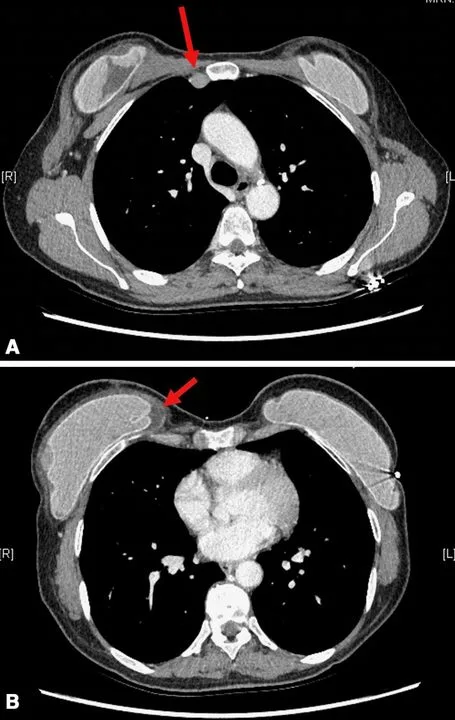
Right breast cancer with contralateral axillary lymph-node metastasis

Patient Info: Anonymized, Female, 60s | Stage IV

Biomarkers: Right breast primary: ER-positive; PR-positive; HER2-negative; Ki-67 70%. Left axillary metastasis: ER-positive; PR-negative; HER2-negative; Ki-67 15%; GATA3-positive.

Metastatic Site: contralateral left axillary lymph nodes

Two years after bilateral surgery, clinical and radiological follow-up showed no metastasis or disease recurrence.

PubMed Central
OutcomeCancer-Free / NED