Hormone Therapy for PR Positive Breast Cancer: 85 Real Stories

85 stories match breast cancer, PR positive and hormone therapy. 78 of them mention surgery.

A patient, who was diagnosed with Invasive Ductal CarcinomaBreast Cancer

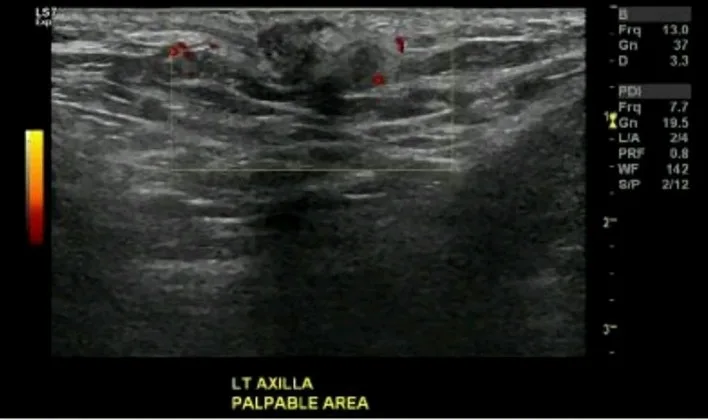
Breast Cancer Arising in Ectopic Tissue in the Armpit

Patient Info: Anonymized, Female, 40s

Biomarkers: ER positive; PR positive; HER2 negative

A 43-year-old woman’s presumed axillary cyst proved to be hormone-receptor-positive breast cancer arising in ectopic breast tissue.

PubMed Central
OutcomeNot reported
Cath, who was diagnosed with Stage II Breast CancerBreast Cancer

Stage II HR-Positive Breast Cancer: Cath's Survivor Story

Patient Info: Cath, Female, 60s | Stage II

Biomarkers: ER-positive; PR-positive; HER2-negative

Cath was declared cancer-free in June 2024 after Stage II luminal A ER-positive/PR-positive/HER2-negative breast cancer treated with surgery, radiation, and hormone therapy, though she continued to manage long-term side effects and recurrence fear.

Our Cancer Stories
OutcomeCancer-Free / NED
A patient, who was diagnosed with Invasive Lobular CarcinomaBreast Cancer

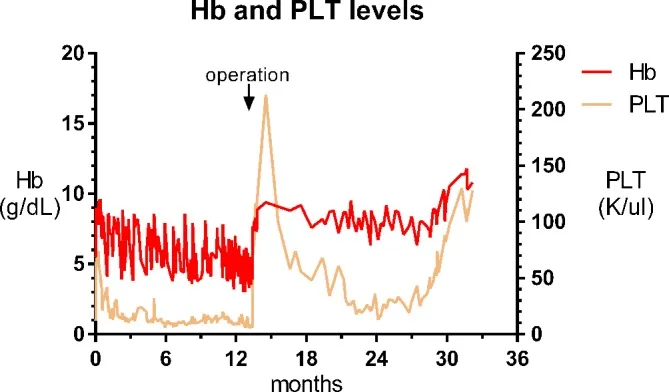
Splenectomy Reduced Transfusion Needs in Metastatic Lobular Breast Cancer

Patient Info: Anonymized, Female, 40s | Stage Metastatic/Advanced

Biomarkers: ER positive; PR positive; HER2 negative

Metastatic Site: skin|bone|bone marrow|spleen

She remained independent through her last oncology visit 18 months after splenectomy and died 1 month later.

PubMed Central
OutcomeIn Memory
A patient, who was diagnosed with Invasive Lobular CarcinomaBreast Cancer

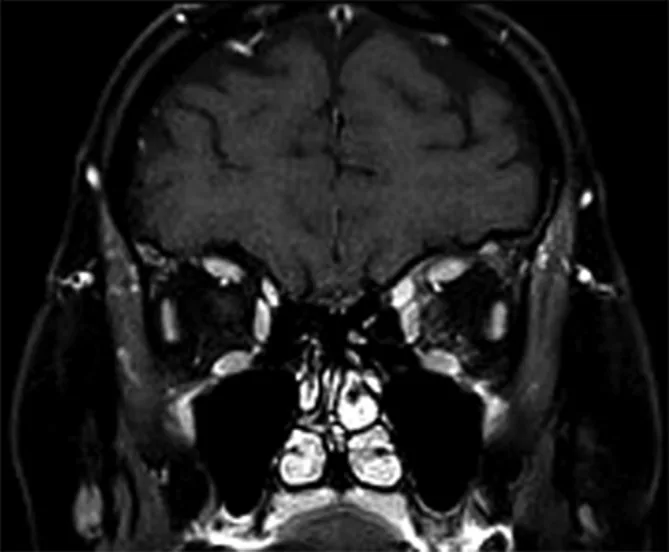
Lobular Breast Cancer Spreading to an Eye Muscle

Patient Info: Anonymized, Female, 40s | Stage Metastatic/Advanced

Biomarkers: Hormone receptor-positive; HER2-negative; E-cadherin-negative; CK7-positive

Metastatic Site: bones|left superior oblique eye muscle

The eye-muscle metastasis entered complete local remission, while bone disease was stable after 6 months of weekly paclitaxel and denosumab.

PubMed Central
OutcomeStable Disease
A patient, who was diagnosed with Stage IV Invasive Lobular CarcinomaBreast Cancer

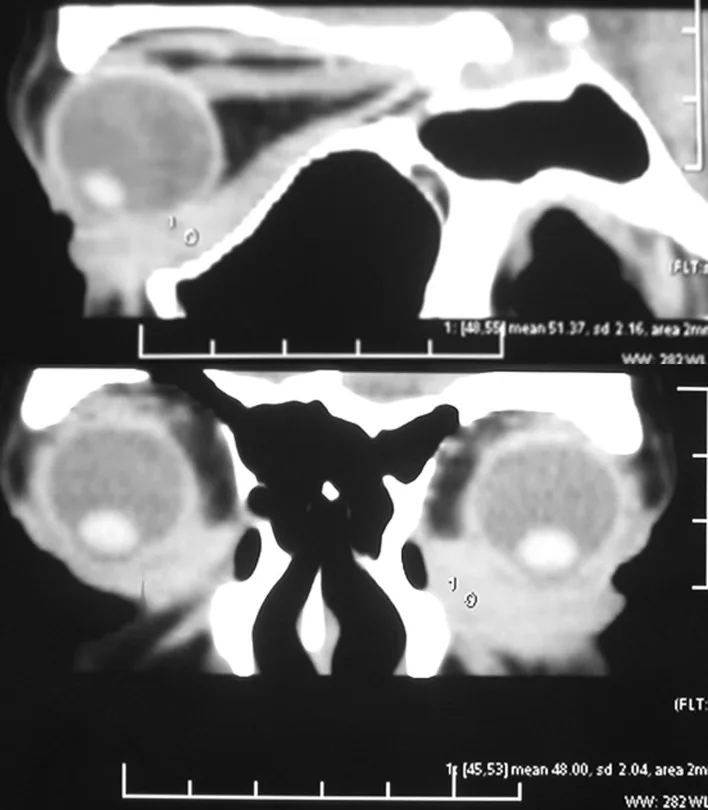
Occult lobular breast cancer presenting as an orbital metastasis

Patient Info: Anonymized, Female, 60s | Stage IV

Biomarkers: ER positive; PR positive; HER2 negative; CK7 positive; CK CAM5.2 positive; E-cadherin negative

Metastatic Site: left orbit, bone

The orbital metastasis decreased with treatment and systemic disease remained controlled on hormonal therapy during 5 years of clinical follow-up.

PubMed Central
OutcomeResponding Well
A patient, who was diagnosed with Stage IV Invasive Lobular CarcinomaBreast Cancer

Breast cancer returning 21 years later as a solitary parotid metastasis

Patient Info: Anonymized, Female, 70+ | Stage IV

Biomarkers: Parotid metastasis ER positive; PR positive; HER2 borderline by IHC but FISH 1.82

Metastatic Site: left parotid gland

More than 5 months after the parotid metastasis was diagnosed, the tumour had slightly decreased in size and her metastatic disease remained stable on endocrine therapy.

PubMed Central
OutcomeLiving With Cancer
A patient, who was diagnosed with Breast CancerBreast Cancer

ER/PR-positive mucinous breast cancer treated with mastectomy and tamoxifen

Patient Info: Anonymized, Female, Under 40

Biomarkers: ER-positive; PR-positive; HER2/neu not overexpressed; no pathogenic BRCA1 or BRCA2 mutations identified; chromosome 13q34 duplication

After radical right mastectomy with nipple and areola preservation followed by tamoxifen, she showed no evidence of local recurrence or metastasis of breast cancer.

PubMed Central
OutcomeCancer-Free / NED
A patient, who was diagnosed with Stage IV Breast CancerBreast Cancer

Stage IV ER/PR-positive mucinous breast cancer: long-term no evidence of disease after surgery, AFTV, radiation, CEF, and endocrine therapy

Patient Info: Anonymized, Female, 50s | Stage IV

Biomarkers: ER-positive; PR-positive; delayed-type hypersensitivity to AFTV became pseudo-positive after vaccination and remained pseudo-positive 5.4 years later

Metastatic Site: Th7 vertebra

More than 6 years after primary surgery, she remained well with no evidence of vertebral metastasis activity, new metastasis, or local recurrence.

PubMed Central
OutcomeCancer-Free / NED
A patient, who was diagnosed with Stage IV Breast CancerBreast Cancer

ER/PR-positive breast cancer with bilateral ovarian metastases controlled after oophorectomy and aromatase inhibitor

Patient Info: Anonymized, Female, 50s | Stage IV

Biomarkers: ER-positive; PR-positive; HER2-negative; CK7-positive; gross cystic disease fluid protein-15-positive; CK20-negative

Metastatic Site: bilateral ovaries

After bilateral oophorectomies and aromatase inhibitor therapy, pleural effusion resolved, CEA and CA 15-3 decreased below the normal upper limit, and she remained well with no further recurrence for 40 months.

PubMed Central
OutcomeCancer-Free / NED
A patient, who was diagnosed with Stage IV Invasive Lobular CarcinomaBreast Cancer

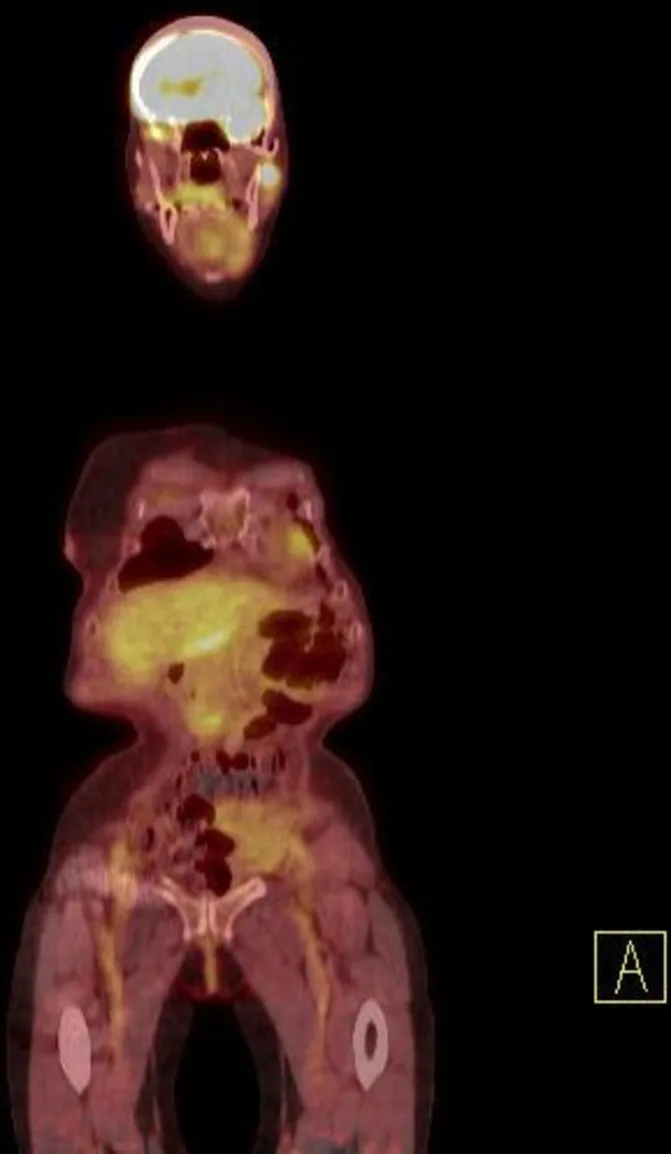
Metastatic lobular breast cancer to bladder trigone: partial response to tamoxifen

Patient Info: Anonymized, Female, 60s | Stage IV

Biomarkers: progesterone receptor-positive; genetic testing including BRCA1 negative

Metastatic Site: bladder trigone

As of January 2012, urge incontinence had resolved and PET showed decreased activity in the breast and bladder trigone lesions nearly 10 months after starting tamoxifen, consistent with clinical and partial radiologic remission.

PubMed Central
OutcomeResponding Well
A patient, who was diagnosed with Stage IV Invasive Lobular CarcinomaBreast Cancer

Lobular breast cancer with extraocular muscle and lung metastases: ocular improvement after radiotherapy and tamoxifen

Patient Info: Anonymized, Female, 60s | Stage IV

Biomarkers: Original breast cancer: ER-negative; PR-negative. Extraocular muscle metastasis/recurrent disease: ER strongly positive; PR strongly positive.

Metastatic Site: bilateral extraocular muscles, right upper lobe lung,…

At 18 months after presentation with extraocular muscle metastases, PET showed no abnormality, diplopia had resolved, and ocular motility had markedly improved, with mild bilateral ptosis remaining.

PubMed Central
OutcomeCancer-Free / NED