KRAS Mutation: 39 Real Stories

39 stories match KRAS mutation. 35 of them mention chemotherapy.

Maureen, who was diagnosed with Stage IV Non-Small Cell Lung CancerLung Cancer

Stage IV KRAS Non-Small Cell Lung Cancer: Maureen's Patient Story

Patient Info: Maureen, Female | Stage IV

Biomarkers: KRAS mutation

Metastatic Site: Not reported

Living with KRAS-mutated Stage IV lung cancer after initial Stage I diagnosis, later surgery, and radiation, while remaining active in KRAS and lung cancer advocacy.

Lung Cancer Research Foundation
OutcomeLiving With Cancer
A patient, who was diagnosed with Stage IV Lung AdenocarcinomaLung Cancer

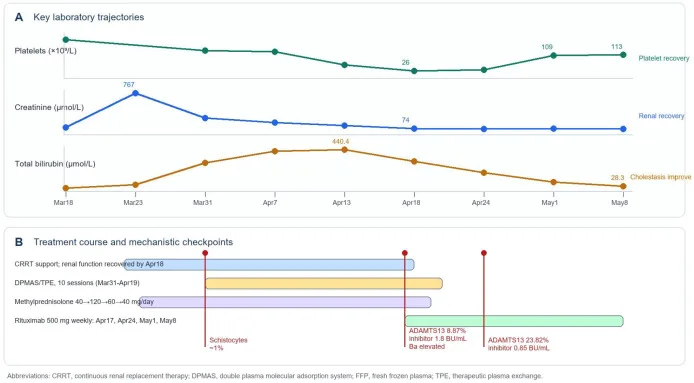
Severe blood-clotting disorder, liver injury, and reversible kidney injury during treatment for Stage IV lung cancer

Patient Info: Anonymized, Male, 60s | Stage IV

Biomarkers: PD-L1 about 1%; KRAS mutation

Metastatic Site: bone (right 4th and 5th ribs)

Restaging before cycle 4 showed a partial response. Cancer treatment was then interrupted as severe acquired iTTP, cholestatic liver injury, and reversible acute kidney injury required intensive management.

PubMed Central
OutcomeCare Ongoing
A patient, who was diagnosed with Stage IV Lung AdenocarcinomaLung Cancer

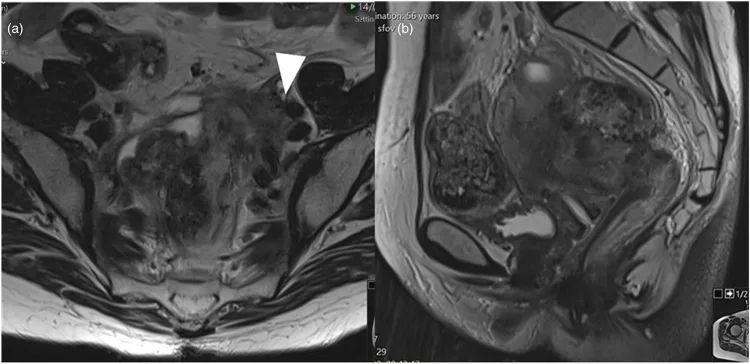
Lynch-associated lung and colorectal cancers responded to immunotherapy

Patient Info: Anonymized, Female, 50s | Stage IV

Biomarkers: dMMR/MSI-H pattern with MLH1/PMS2 loss and germline MLH1 mutation; KRAS and PTEN mutations; PD-L1 TPS 15%.

Metastatic Site: right paraspinal metastatic lesion from lung…

After starting iparomlimab plus tuvonralimab, pleural and pelvic disease improved, intestinal wall involvement decreased further after 5 cycles, the paraspinal lung metastasis remained stable, tumor markers stayed normal, and treatment continued.

PubMed Central
OutcomeResponding Well
A patient, who was diagnosed with Stage IV Colorectal AdenocarcinomaColorectal Cancer

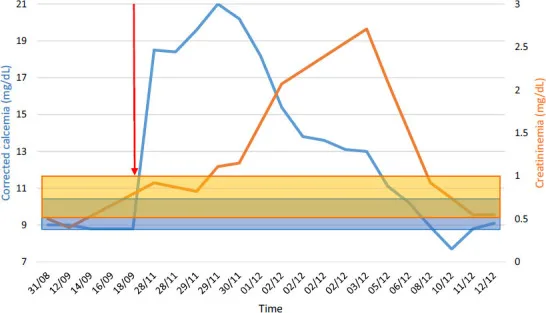
Stage IV MSI-H KRAS-mutant colorectal adenocarcinoma: severe pembrolizumab-associated hypercalcemia resolved with steroids and zoledronic acid

Patient Info: Anonymized, Female, 70+ | Stage IV

Biomarkers: KRAS G12xa mutation; MSI-H; BRAF wild type; NRAS wild type; PTH low-normal

Metastatic Site: liver

After the second pembrolizumab dose, severe hypercalcemia and electrolyte abnormalities resolved with high-dose glucocorticoids, zoledronic acid, and supportive care; cancer response was not yet described.

PubMed Central
OutcomeCare Ongoing
A patient, who was diagnosed with Stage III Lung AdenocarcinomaLung Cancer

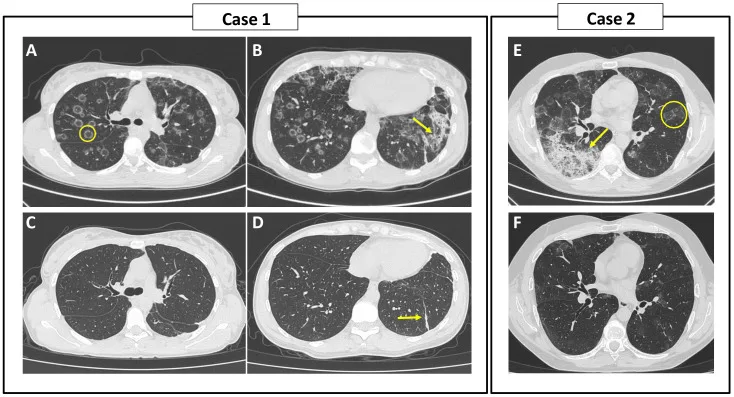
Stage IIIA KRAS/STK11/TP53-mutated lung adenocarcinoma: fatal pembrolizumab-induced myocarditis after adjuvant therapy

Patient Info: Anonymized, Male, 70+ | Stage III

Biomarkers: Ki-67 20-25%; PD-L1 expression 10%; KRAS exon 2 mutation; STK11 mutation; TP53 mutation

As of December 2025, he had died after 15 days of hospitalization from sepsis and multi-organ failure following severe pembrolizumab-induced myocarditis after adjuvant treatment for resected Stage IIIA lung adenocarcinoma.

PubMed Central
OutcomeIn Memory
A patient, who was diagnosed with Stage IV Colorectal AdenocarcinomaColorectal Cancer

Stage IV KRAS-mutant colorectal cancer with bilobar liver metastases: multimodality treatment and no evidence of disease

Patient Info: Anonymized, Female, 40s | Stage IV

Biomarkers: KRAS-mutated; BRAF wild-type; mismatch repair proficient

Metastatic Site: liver

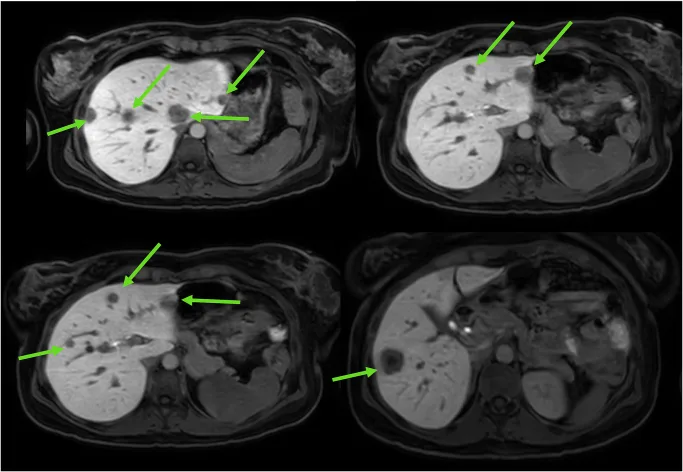
After second liver resection, follow-up MRI at 8 weeks showed continued response at the SABR site and no recurrent disease; she was receiving adjuvant capecitabine and remained well.

PubMed Central
OutcomeCancer-Free / NED
A patient, who was diagnosed with Stage IV Gastric CancerGastric Cancer

ALK-Fusion Gastric Cancer Responds to Alectinib Before Progression

Patient Info: Anonymized, female, 50s | Stage IV

Biomarkers: DCTN1–ALK fusion; ATM p.E1724*; CDK6 amplification; HER2 negative; mismatch-repair proteins intact; later KRAS amplification

Metastatic Site: bone

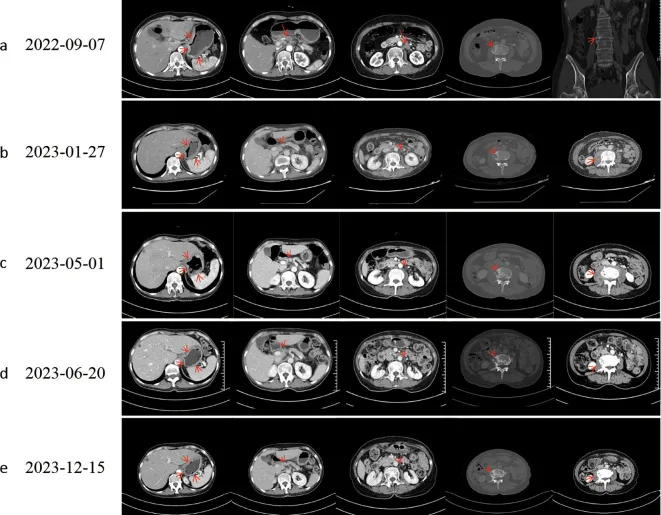
Alectinib produced a partial response for about 11.5 months, but the cancer later progressed systemically and she died from uncontrollable gastrointestinal bleeding.

PubMed Central
OutcomeIn Memory
A patient, who was diagnosed with Stage IV Non-Small Cell Lung CancerLung Cancer

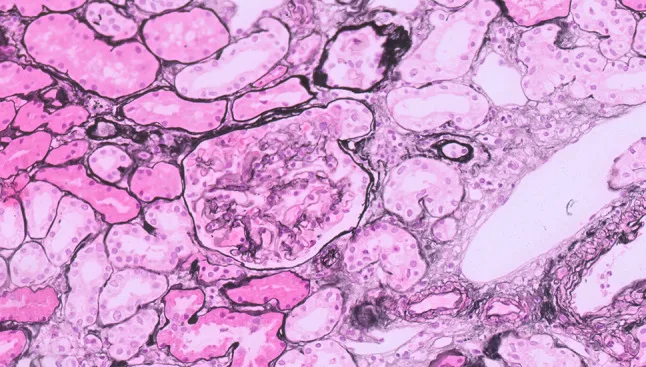
Stage IV lung adenocarcinoma with paraneoplastic nephrotic syndrome during pembrolizumab therapy

Patient Info: Anonymized, Male, 60s | Stage IV

Biomarkers: PD-L1 tumor proportion score >50% by Roche SP263 assay; KRAS exon 3 mutation; NGS/FISH did not identify targets for first-line targeted therapy

Metastatic Site: brain, bone

Pembrolizumab produced partial response and improved nephrotic-syndrome parameters, but bone metastases progressed in September 2022 and the right upper-lobe target lesion progressed 2 months later, leading to carboplatin plus pemetrexed.

PubMed Central
OutcomeSetback / Progression
A patient, who was diagnosed with Stage III Lung AdenocarcinomaLung Cancer

Stage IIIA KRAS p.G12V lung adenocarcinoma: pathologic complete response after chemoimmunotherapy and surgery

Patient Info: Anonymized, Female, 70+ | Stage III

Biomarkers: KRAS p.G12V mutation; PD-L1 0% tumor-cell staining; <1% tumor-associated inflammatory-cell staining; no EGFR, ALK, or ROS1 driver mutation reported

Pathology after lobectomy showed a pathologic complete response, and surveillance imaging 12 months later showed no evidence of disease recurrence.

PubMed Central
OutcomeCancer-Free / NED
Wyatt, who was diagnosed with Lung CancerLung Cancer

KRAS Lung Cancer: Wyatt's Patient Story

Patient Info: Wyatt, Male

Biomarkers: KRAS mutation mentioned indirectly; exact variant not stated in available source text

Wyatt was living with lung cancer on ongoing chemotherapy and immunotherapy, with multiple prior lines of treatment and significant side effects. As of August 2025, he had tried to access clinical trials but had not enrolled.

The Patient Story
OutcomeLiving With Cancer
A patient, who was diagnosed with Stage IV Lung CancerLung Cancer

Stage IVA lung adenosquamous carcinoma: complete response after paclitaxel, nedaplatin, and tislelizumab

Patient Info: Anonymized, Male, 60s | Stage IV

Biomarkers: Adenosquamous lung cancer markers; PD-L1 TPS 18%; KRAS, BRAF, PIK3CA, FLT1 mutation; TMB 3.7

Metastatic Site: pleura/chest wall, cervical lymph nodes, axillary…

As of March 30, 2025, he maintained complete response with normal tumor markers, no radiologic evidence of progression or recurrence, and progression-free survival of 46.5 months after paclitaxel/nedaplatin/tislelizumab followed by maintenance tislelizumab.

PubMed Central
OutcomeCancer-Free / NED
A patient, who was diagnosed with Stage IV Colorectal AdenocarcinomaColorectal Cancer

Metastatic rectal cancer responding well after intensive treatment despite severe chemotherapy complications

Patient Info: Anonymized, Male, 40s | Stage IV

Biomarkers: KRAS exon 4 mutation, BRAF wild-type, PD-L1 CPS 2

Metastatic Site: liver, lung

After more than 14 months of treatment, the primary rectal tumor and most lung metastases had been resected, liver lesions had largely regressed, and he was described as near NED while continuing maintenance capecitabine plus bevacizumab.

PubMed Central
OutcomeResponding Well
A patient, who was diagnosed with Stage III Colorectal AdenocarcinomaColorectal Cancer

Stage III colon cancer followed by a second gastro-oesophageal adenocarcinoma

Patient Info: Anonymized, Female | Stage III

Biomarkers: KRAS-mutated, NRAS-negative, BRAF-negative

After surgery and 4 cycles of CAPEOX, imaging initially showed no metastases. Later imaging showed new bilobar liver lesions, and a separate primary gastro-oesophageal adenocarcinoma was diagnosed about 1 year after the colon cancer.

PubMed Central
OutcomeNot reported
Bill, who was diagnosed with Stage IV Colorectal CancerColorectal Cancer

Stage IV KRAS Colorectal Cancer: Bill's Patient Story

Patient Info: Bill, Male, 40s | Stage IV

Biomarkers: KRAS mutation

Metastatic Site: liver; lung; brain

Bill has Stage IV KRAS G12A-mutated colon cancer with liver, lung, and brain metastases. After multiple surgeries, ablation, Gamma Knife, and repeated chemotherapy, tumors shrank and he moved to lifelong maintenance chemotherapy every 2 weeks as of March 2025.

The Patient Story
OutcomeLiving With Cancer
Rosemary, who was diagnosed with Stage IV Lung CancerLung Cancer

Stage IV KRAS Lung Cancer: Rosemary's Patient Story

Patient Info: Rosemary Conway, female, 60s | Stage IV

Biomarkers: KRAS mutation

After 14 months on daraxonracib in a clinical trial, Rosemary’s Stage IV lung cancer had stopped growing and she had returned to walking and lifting weights.

Dana-Farber
OutcomeStable Disease
A patient, who was diagnosed with Stage IV Non-Small Cell Lung CancerLung Cancer

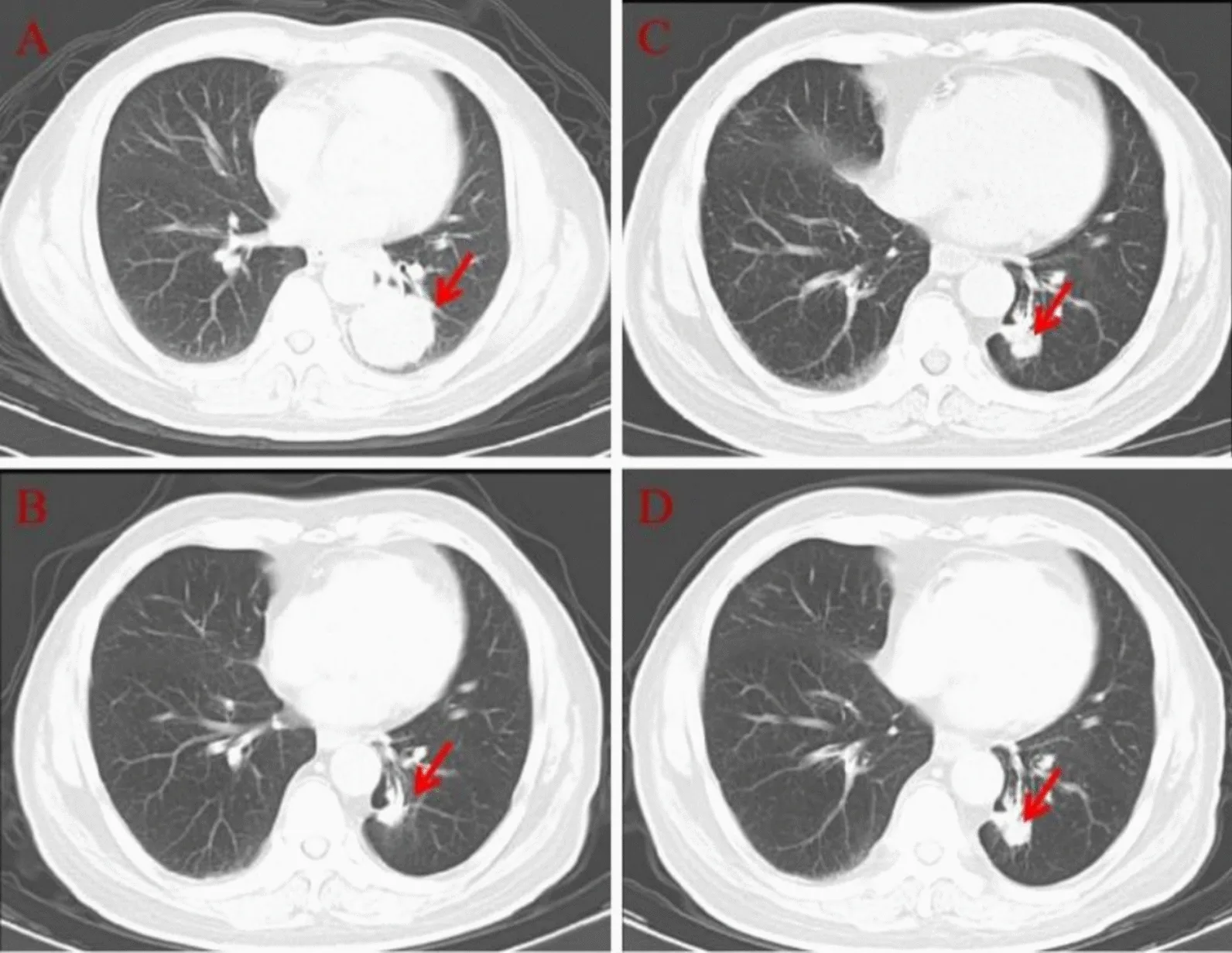
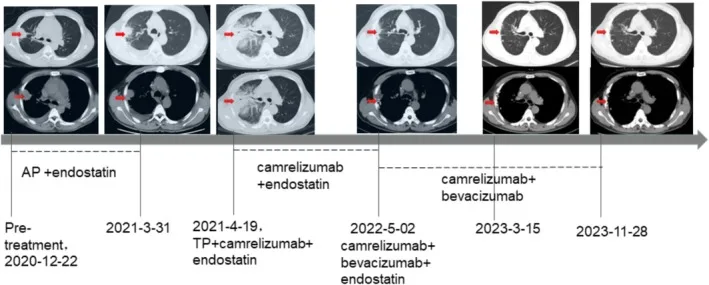
Stage IV lung cancer: brain metastasis complete response after chemoimmunotherapy

Patient Info: Anonymized, Male, 60s | Stage IV

Biomarkers: KRAS-mutated; BRG-1 partial loss; PD-L1 TPS 5%; CPS 20

Metastatic Site: brain (right cerebellar hemisphere)

The right cerebellar brain metastasis completely resolved and chest CT showed only postsurgical changes after carrelizumab plus paclitaxel/carboplatin; immune-mediated adrenal insufficiency improved with systemic glucocorticoids.

PubMed Central
OutcomeResponding Well
A patient, who was diagnosed with Stage IV Lung AdenocarcinomaLung Cancer

Lung Adenocarcinoma With Immune-Related Abdominal Inflammation and Later Bone Progression

Patient Info: Anonymized, male | Stage IV

Biomarkers: PD-L1 30%; KRAS G13X mutation; EGFR/ALK/ROS1 negative

Metastatic Site: bone

After several periods of response or stability, lymph-node progression recurred and bone progression was documented in July 2024. Another treatment line was being planned.

PubMed Central
OutcomeSetback / Progression
Lauren, who was diagnosed with Stage IV Breast CancerBreast Cancer

Stage IV KRAS Breast Cancer: Lauren's Patient Story

Patient Info: Lauren, Female | Stage IV

Biomarkers: KRAS mutation in colon cancer context

Metastatic Site: Abdominal lining; spine

As of September 2024, Lauren was living with a history of Stage IV colon cancer and recurrent metastatic breast cancer in the spine, with low colon tumor markers, recurring spinal spots, and PET scans every 3 months.

The Patient Story
OutcomeLiving With Cancer