EGFR Mutation: 126 Real Stories

126 stories match EGFR mutation. 109 of them mention targeted therapy.

Kelsey, who was diagnosed with Stage IV Lung CancerLung Cancer

Stage IV EGFR Lung Cancer: Kelsey's Patient Story

Patient Info: Kelsey, Female, Under 40 | Stage IV

Biomarkers: EGFR mutation; later ALK mutation after progression

Metastatic Site: Bone — pelvis and spine/L5

Living with Stage IV lung cancer on a clinical trial after progression, with current treatment described as working and quality of life improved.

The Patient Story
OutcomeResponding Well
Daniel, who was diagnosed with Stage II Non-Small Cell Lung CancerLung Cancer

Stage II EGFR Non-Small Cell Lung Cancer: Daniel's Patient Story

Patient Info: Daniel West, Male, 50s | Stage II

Biomarkers: EGFR positive

As of April 2026, Daniel had shown no evidence of active disease for more than 2 years, while remaining on daily osimertinib through June 2026 and receiving checkups and scans every 3 months for stable monitored lung nodules.

MD Anderson
OutcomeCare Ongoing
Roxanne, who was diagnosed with Stage III Lung CancerLung Cancer

Stage III EGFR Lung Cancer: Roxanne's Patient Story

Patient Info: Roxanne, Female, 40s | Stage III

Biomarkers: EGFR mutation

Roxanne had Stage III EGFR-mutated lung cancer after surgery found mediastinal lymph-node involvement. As of March 2026, she was living with the long-term effects of surgery, chemotherapy, radiation, and ongoing EGFR-targeted therapy, while also managing the emotional and financial burden of cancer as a single parent.

The Patient Story
OutcomeCare Ongoing
Maggie, who was diagnosed with Stage IV Non-Small Cell Lung CancerLung Cancer

Stage IV EGFR Non-Small Cell Lung Cancer: Maggie's Patient Story

Patient Info: Maggie, Female, 60s | Stage IV

Biomarkers: EGFR mutation; MET amplification resistance mutation; MET overexpression

Metastatic Site: Brain

Maggie initially reached no evidence of disease on EGFR-targeted therapy, but later had repeated progression, including MET-amplification resistance and MET overexpression, requiring SBRT, a clinical trial, chemotherapy, and later-line targeted treatment.

The Patient Story
OutcomeSetback / Progression
Shira, who was diagnosed with Stage I Lung CancerLung Cancer

Stage I EGFR Lung Cancer: Shira's Survivor Story

Patient Info: Shira, Female | Stage I

Biomarkers: EGFR exon 20 insertion

Shira had Stage IB lung cancer detected early through imaging and treated with surgery alone. Her tumor was later categorized as low risk of recurrence, and she described herself as cancer-free as of February 2026.

The Patient Story
OutcomeCancer-Free / NED
A patient, who was diagnosed with Stage IV Lung AdenocarcinomaLung Cancer

EGFR L858R lung adenocarcinoma with rapid neurologic decline

Patient Info: Anonymized, Female, 40s | Stage IV

Biomarkers: EGFR L858R mutation; CK7-positive; Napsin A-positive; TTF-1-positive; p40-negative; Ki-67 about 1%

Metastatic Site: brain parenchyma and meninges

The patient developed rapidly progressive cognitive decline with multifocal brain lesions. Lung biopsy confirmed EGFR L858R lung adenocarcinoma, and she received amivantamab, but neurologic deterioration continued and she died in the fourth month of the disease course.

PubMed Central
OutcomeIn Memory
A patient, who was diagnosed with Stage IV Lung AdenocarcinomaLung Cancer

Stage 4 lung cancer: never-smoker with complete remission

Patient Info: Anonymized, Female, 50s | Stage IV

Biomarkers: EGFR20ins mutation; TP53 p.Q192 mutation; PD-L1 TPS 0%; CPS 0%

Metastatic Site: bilateral lungs, mediastinal lymph nodes, bilateral…

The patient had a durable response to high-dose furmonertinib, later developed a right cerebellar metastasis treated with stereotactic radiation, and continued to benefit from furmonertinib as of April 2025 with 27 months of progression-free survival reported.

PubMed Central
OutcomeResponding Well
A patient, who was diagnosed with Lung CancerLung Cancer

EGFR R252C multifocal lung cancer responding to afatinib

Patient Info: Anonymized

Biomarkers: EGFR R252C extracellular-domain mutation

Afatinib was associated with suppression of primary tumor growth and extended progression-free survival in a patient with multifocal lung cancer and glioma driven by EGFR R252C. Stage and metastatic sites were not established from the available case summary.

PubMed Central
OutcomeResponding Well
A patient, who was diagnosed with Stage IV Lung AdenocarcinomaLung Cancer

EGFR-Mutant Lung Adenocarcinoma With Bone and Leptomeningeal Metastases

Patient Info: Anonymized, male, 40s | Stage IV

Biomarkers: EGFR exon 19 deletion; acquired EGFR T790M mutation

Metastatic Site: bone, leptomeninges

In May 2025, leptomeningeal disease remained present and he continued combination chemotherapy with bevacizumab and high-dose furmonertinib, leaving hospital in stable condition after cycle 8.

PubMed Central
OutcomeCare Ongoing
Jennifer, who was diagnosed with Stage IV Non-Small Cell Lung CancerLung Cancer

Stage IV EGFR Non-Small Cell Lung Cancer: Jennifer's Patient Story

Patient Info: Jennifer, Female | Stage IV

Biomarkers: EGFR genomic mutation

Metastatic Site: Not reported

Jennifer is alive more than 5.5 years after a Stage IV adenocarcinoma diagnosis, continuing EGFR-targeted treatment and living with ongoing side effects and surveillance needs.

The Patient Story
OutcomeLiving With Cancer
A patient, who was diagnosed with Stage IV Non-Small Cell Lung CancerLung Cancer

Stage IVA EGFR-mutated lung adenocarcinoma with malignant pleural effusion: stable disease on ivonescimab plus pemetrexed

Patient Info: Anonymized, Male, 50s | Stage IV

Biomarkers: EGFR exon 19 deletion persisted. Later pleural fluid had PD-L1 TPS 40% / CPS 41, low TMB

Metastatic Site: pleura / malignant pleural effusion

As of August 2025, Stage IVA EGFR-mutated lung adenocarcinoma with malignant pleural effusion was stable on ivonescimab plus pemetrexed after prior progression on gefitinib, almonertinib, and ivonescimab monotherapy.

PubMed Central
OutcomeLiving With Cancer
A patient, who was diagnosed with Stage IV Lung CancerLung Cancer

Stage IV EGFR-mutant lung cancer: treatment and follow-up story

Patient Info: Anonymized, Female | Stage IV

Biomarkers: EGFR-mutated

As of November 2025, she was newly living with Stage IV EGFR-mutated lung cancer after starting first-generation targeted therapy on 5 March and managing treatment side effects during the first 3 months.

YouTube (ZH search)
OutcomeCare Ongoing
Michelle, who was diagnosed with Non-Small Cell Lung CancerLung Cancer

EGFR Non-Small Cell Lung Cancer: Michelle's Patient Story

Patient Info: Michelle Vacca, Female, 40s

Biomarkers: EGFR mutation at recurrence; later rare mutation not named

As of November 2025, Michelle still actively had recurrent NSCLC, but her disease had remained stable on targeted therapy and an investigational kinase inhibitor clinical trial, allowing good quality of life.

City of Hope
OutcomeLiving With Cancer
A patient, who was diagnosed with Stage IV Non-Small Cell Lung CancerLung Cancer

Stage IVA EGFR-mutant lung adenocarcinoma: response to triple targeted therapy and surgery

Patient Info: Anonymized, Female, 50s | Stage IV

Biomarkers: Initial EGFR exon 19 deletion; acquired BRAF V600E mutation in progressive lesion while EGFR exon 19 deletion persisted

Metastatic Site: pleura, pulmonary metastases; mediastinal and left…

As of May 2025, she continued osimertinib, dabrafenib, and trametinib after segmentectomy/lymphadenectomy, with 1% viable residual tumor in resected lung lesions, complete nodal pathologic response, and no disease progression.

PubMed Central
OutcomeResponding Well
A patient, who was diagnosed with Stage IV Non-Small Cell Lung CancerLung Cancer

EGFR L858R lung adenocarcinoma presenting as rectal and peritoneal metastases

Patient Info: Anonymized, Male, 70+ | Stage IV

Biomarkers: Rectal/peritoneal tumors supported lung origin. Key result: EGFR L858R with TP53 mutations; no other actionable lung alteration reported.

Metastatic Site: rectum; peritoneum; omentum; mesentery; colonic wall

After transverse colostomy and confirmation of EGFR L858R-mutant lung adenocarcinoma metastasis, aumolertinib led to clinical stabilization; palliative radiotherapy was later given to the rectal lesion, but long-term follow-up was not yet available.

PubMed Central
OutcomeResponding Well
Emily, who was diagnosed with Stage IV Lung CancerLung Cancer

Stage IV EGFR Lung Cancer: Emily's Patient Story

Patient Info: Emily, Female, 40s | Stage IV

Biomarkers: EGFR mutation

Metastatic Site: Right lung; right 8th rib; sacrum; pancreas; brain

Emily had Stage IV EGFR-mutated lung cancer treated with daily targeted therapy, 4 rounds of chemotherapy, and later radiation. As of September 2025, she felt well and described being almost/basically in remission, but her cancer remained treatable rather than curable and she continued daily targeted therapy.

The Patient Story
OutcomeResponding Well
A patient, who was diagnosed with Stage IV Lung AdenocarcinomaLung Cancer

EGFR-Mutant Stage IV Lung Cancer Treated After Osimertinib-Related Lung Toxicity

Patient Info: Anonymized, female, 60s | Stage IV

Biomarkers: EGFR exon 19 deletion; later EGFR T790M resistance mutation

Metastatic Site: brain, lungs, bones, left adrenal gland, meninges

The latest documented treatment was a lower-dose osimertinib rechallenge with corticosteroids, which reduced the tumor without recurrence of the prior interstitial lung disease.

PubMed Central
OutcomeResponding Well
A patient, who was diagnosed with Stage III Non-Small Cell Lung CancerLung Cancer

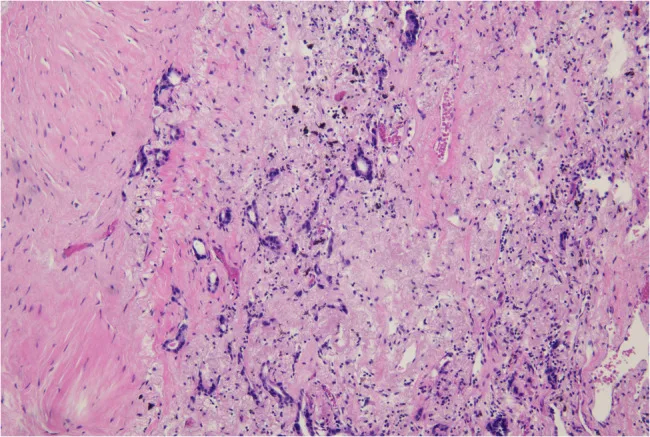
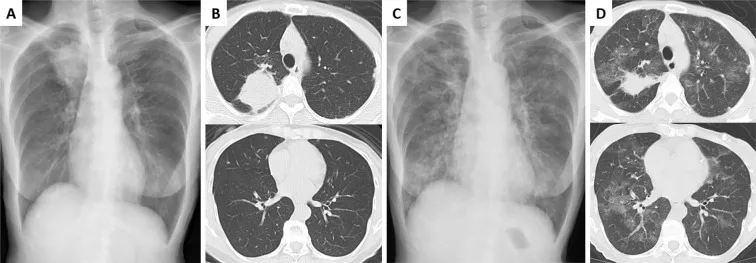
Stage IIIA EGFR lung adenocarcinoma: no recurrence after early osimertinib stop

Patient Info: Anonymized, Female, 70+ | Stage III

Biomarkers: EGFR exon 19 deletion mutation; elevated KL-6 and SP-D during interstitial lung disease episode

During 9 months of follow-up after osimertinib was stopped, she had no recurrence of interstitial lung disease, pulmonary embolism, or non-small cell lung cancer.

PubMed Central
OutcomeCancer-Free / NED