Supportive Care: 342 Real Stories

342 stories match supportive care. 208 of them mention chemotherapy.

Onjalai, who was diagnosed with Stage II Invasive Ductal CarcinomaBreast Cancer

Stage II BRCA2 Invasive Ductal Carcinoma: Onjalai's Survivor Story

Patient Info: Onjalai Brown, Female, Under 40 | Stage II

Biomarkers: Patient-specific biomarker/genetic result not reported; family history suggests BRCA2 mutation

After lumpectomy, 20 rounds of chemotherapy and 36 rounds of radiation for Stage II invasive ductal carcinoma with lymph-node involvement, Onjalai had been cancer-free for 3 years as of May 2025.

City of Hope
OutcomeCancer-Free / NED
A patient, who was diagnosed with Stage IV Breast CancerBreast Cancer

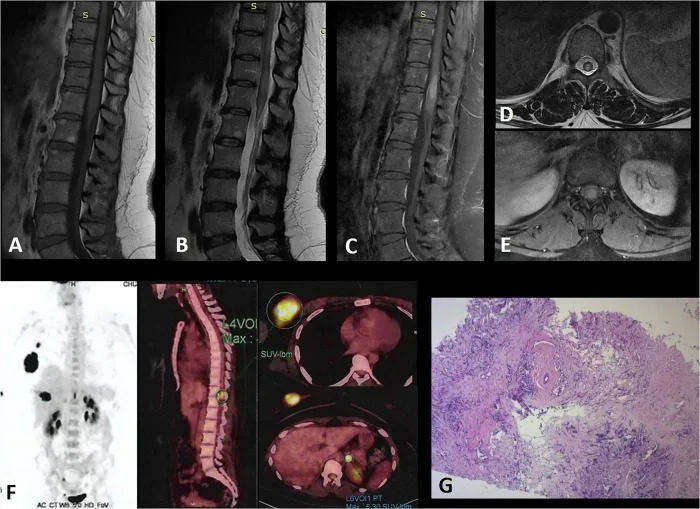
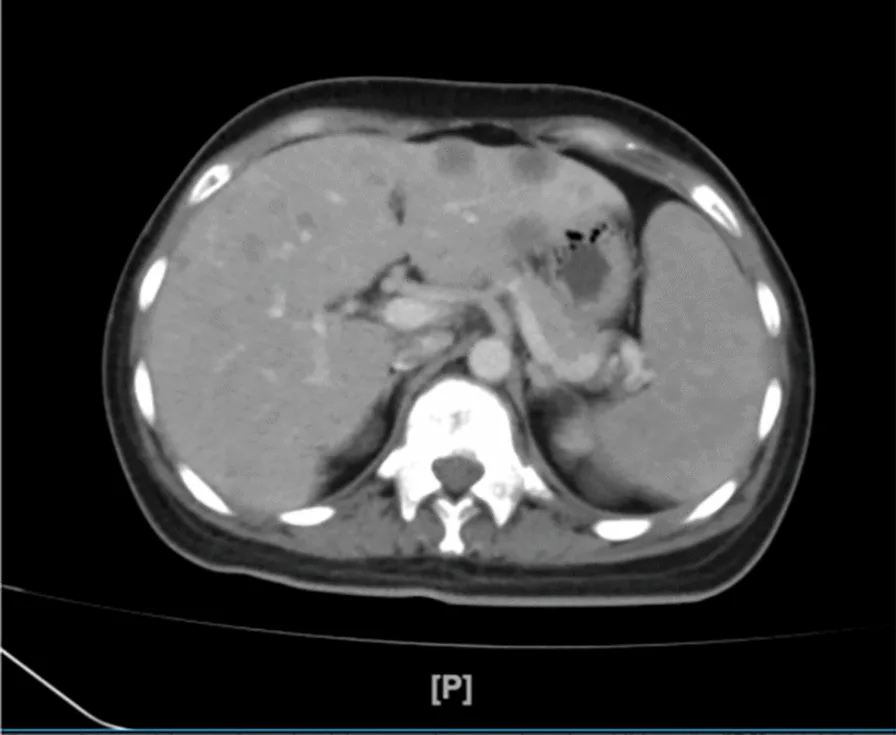
Breast cancer first discovered after it had already spread to the spinal cord

Patient Info: Anonymized, Female, 40s | Stage IV

Biomarkers: Estrogen receptor-positive; progesterone receptor-negative; HER2 score 0

Metastatic Site: intramedullary spinal cord (D11-D12); bilateral…

Her paraplegia did not improve after spinal radiation, and she died from disease progression 3 months after the breast-cancer diagnosis.

PubMed Central
OutcomeIn Memory
A patient, who was diagnosed with Invasive Ductal CarcinomaBreast Cancer

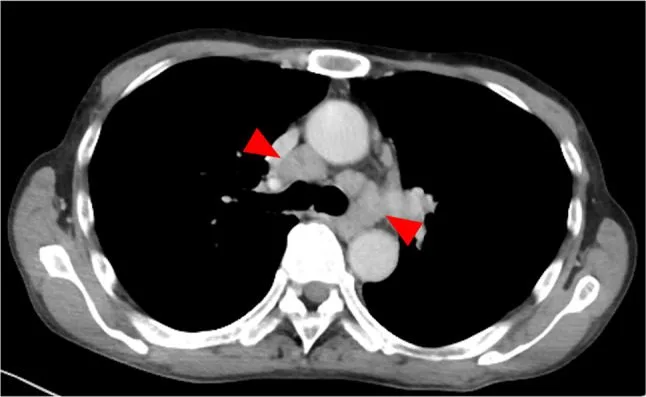
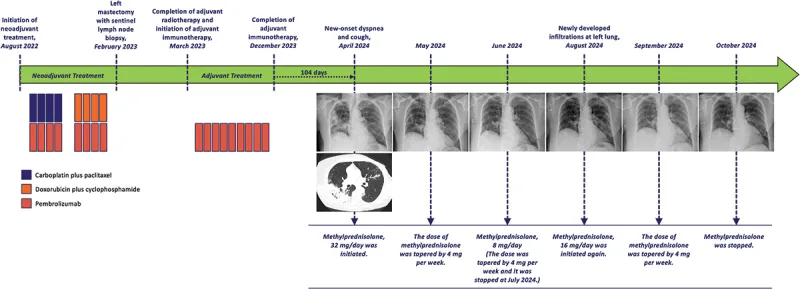
Lung inflammation from pembrolizumab immunotherapy returned months after stopping treatment

Patient Info: Anonymized, Female, 70+

Biomarkers: Estrogen receptor-negative; progesterone receptor-negative; HER2-negative

Surgery confirmed a pathologic complete response, and she remained in breast-cancer remission during routine follow-up after treatment for recurrent pembrolizumab-related pneumonitis.

PubMed Central
OutcomeCancer-Free / NED
A patient, who was diagnosed with Stage IV Non-Small Cell Lung CancerLung Cancer

EML4-ALK lung cancer: complete remission on alectinib for 4 years

Patient Info: Anonymized, Female, 60s | Stage IV

Biomarkers: EML4-ALK fusion

Metastatic Site: brain

Alectinib produced complete remission for nearly 4 years; after grade 3 colitis/ulcers, she switched to ceritinib and maintained stable tumor control without recurrent intestinal ulcers or colitis.

PubMed Central
OutcomeResponding Well
A patient, who was diagnosed with Breast CancerBreast Cancer

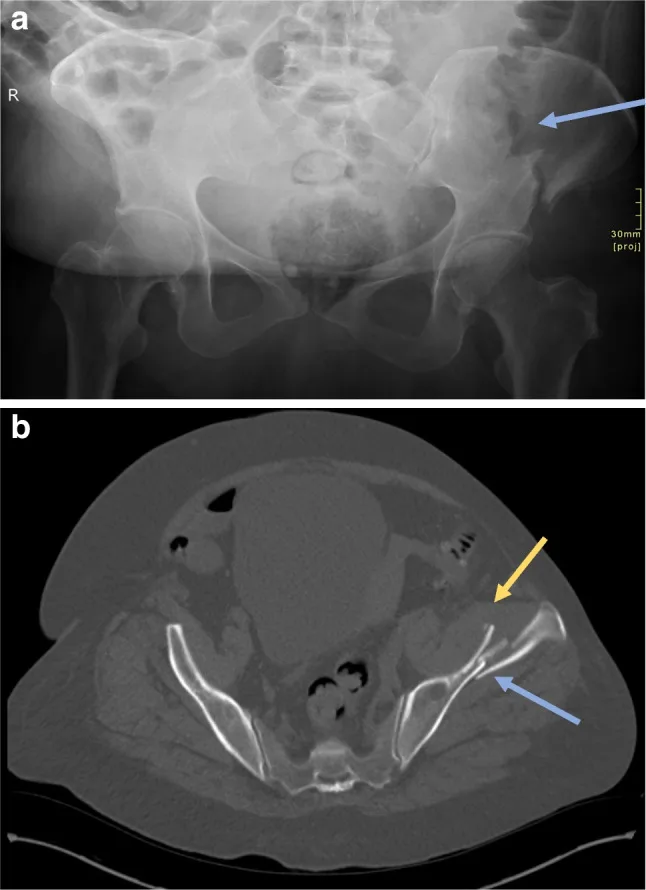
Breast cancer history: atypical pelvic fracture after long-term zoledronic acid

Patient Info: Anonymized, Female, 60s | Stage Metastatic/Advanced

Prior breast cancer treatment had been completed; CT during fracture evaluation showed no metastatic disease, and the atypical iliac wing fracture healed progressively with conservative care and teriparatide.

PubMed Central
OutcomeSurvivorship / Completed Treatment
A patient, who was diagnosed with Stage IV Lung AdenocarcinomaLung Cancer

Stage 4 lung cancer: managing pembrolizumab-induced myasthenia gravis

Patient Info: Anonymized, Female, 70+ | Stage IV

Biomarkers: Anti-acetylcholine receptor antibody elevated; TSH elevated during immune-related adverse event workup; cancer biomarkers not reported

At 9 months after the immune-related myasthenia gravis presentation, lung cancer remained in complete response while she continued low-dose prednisolone, pyridostigmine, levothyroxine, and nighttime NIV.

PubMed Central
OutcomeCancer-Free / NED
A patient, who was diagnosed with Non-Small Cell Lung CancerLung Cancer

Recurrent lung adenocarcinoma: sick sinus syndrome during anlotinib treatment

Patient Info: Anonymized, Female, 70+

Biomarkers: driver genes negative

Recurrent/progressive lung adenocarcinoma was being treated with anlotinib when sick sinus syndrome developed; the patient received a permanent pacemaker and remained alive under follow-up, but post-pacemaker cancer status was not fully reported.

PubMed Central
OutcomeLiving With Cancer
A patient, who was diagnosed with Stage IV Small Cell Lung CancerLung Cancer

Stage 4 small cell lung cancer with paraneoplastic neurological syndrome

Patient Info: Anonymized, Female, 60s | Stage IV

Biomarkers: Paraneoplastic antibody panel positive for anti-Hu, anti-AMPH, anti-Ri

Metastatic Site: left axillary lymph nodes

Over 2 years of follow-up, CT showed stable complete response, tumor markers stayed normal, no new metastases appeared, and neurological symptoms did not worsen.

PubMed Central
OutcomeCancer-Free / NED
A patient, who was diagnosed with Breast CancerBreast Cancer

Breast cancer survivor with synchronous intercostal nerve schwannomas mimicking metastasis

Patient Info: Anonymized, Female, Under 40

Biomarkers: Breast cancer biomarkers not reported; schwannomas were S100-positive

After prior breast cancer treatment, later D6-D7/rib lesions were proven to be S100-positive schwannomas rather than metastases, and surgical removal relieved the patient’s rib-cage numbness and pain.

PubMed Central
OutcomeSurvivorship / Completed Treatment
A patient, who was diagnosed with Stage IV Small Cell Lung CancerLung Cancer

Stage IV small cell lung cancer: no abnormality after chemotherapy, radiotherapy, and TCM follow-up

Patient Info: Anonymized, Male, 60s | Stage IV

Metastatic Site: bilateral lungs; left supraclavicular lymph nodes;…

After chemotherapy, radiotherapy, supportive care, and longitudinal TCM follow-up, imaging showed disappearance of the main lung, nodal, and intrapulmonary lesions, with no abnormality found after 4 years of follow-up.

PubMed Central
OutcomeCancer-Free / NED
India, who was diagnosed with Stage II Breast CancerBreast Cancer

Stage II Breast Cancer: India's Survivor Story

Patient Info: India Robinson, Female, 40s | Stage II

As of January 2025, India had completed Stage II breast cancer treatment and had returned to work, the gym and daily life after robotic lymphatic microsurgery resolved breast lymphedema; the story does not explicitly state NED.

Cleveland Clinic
OutcomeSurvivorship / Surveillance
A patient, who was diagnosed with Stage IV Small Cell Lung CancerSmall-cell Esophageal Cancer

Stage IV small-cell esophageal cancer: initial complete response before brain, lung, liver, and adrenal progression

Patient Info: Anonymized, Female, 60s | Stage IV

Biomarkers: pancytokeratin and CD56; PD-L1 TPS 5%; later lung lesion Ki-67 80%.

Metastatic Site: abdominal lymph nodes, brain, lung, liver, right…

After an extended initial complete response, she developed progressive metastatic disease involving brain, lung, liver, and right adrenal gland; whole-brain radiation and lurbinectedin were started, but septic shock and acute hypoxic respiratory failure with ARDS led to comfort care.

PubMed Central
OutcomeSetback / Progression
A patient, who was diagnosed with Stage IV Colorectal CancerColorectal Cancer

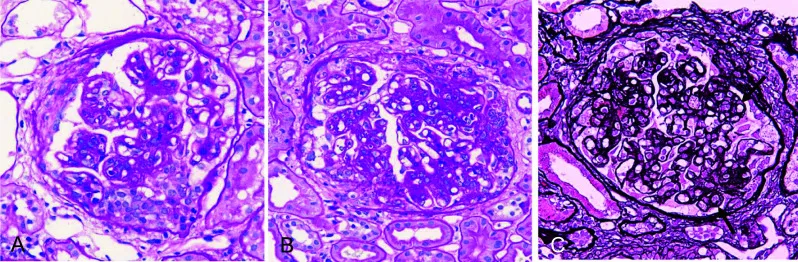
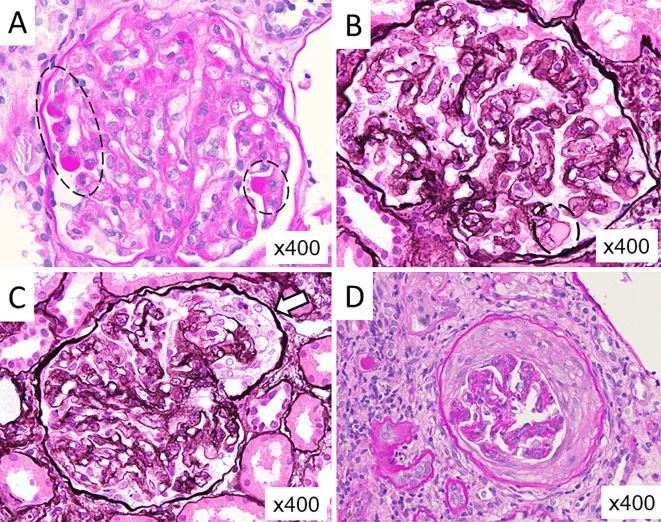
Stage IV cecum cancer with liver and ovarian metastases: ramucirumab-related nephrotic syndrome and glomerular microangiopathy

Patient Info: Anonymized, Female, 50s | Stage IV

Biomarkers: Cancer biomarkers were not reported. Kidney injury workup showed severe protein leakage and biopsy-proven glomerular microangiopathy.

Metastatic Site: liver, right ovary

The liver metastasis shrank after XELOX plus bevacizumab and metastatic liver/ovarian sites were resected, but ramucirumab-based second-line therapy was stopped after nephrotic syndrome and severe glomerular microangiopathy; blood pressure and proteinuria improved with telmisartan.

PubMed Central
OutcomeCare Ongoing
A patient, who was diagnosed with Stage IV Lung Squamous Cell CarcinomaLung Cancer

Stage 4 lung cancer: complete response to chemoimmunotherapy and surgery

Patient Info: Anonymized, Male, 50s | Stage IV

Biomarkers: EGFR exon 20 duplication with PD-L1 TPS 70%; P40/CK5/6 positive squamous markers; Ki-67 60%.

Metastatic Site: right adrenal gland; possible adjacent…

As of May 7, 2024, CT follow-up showed no evidence of disease after chemoimmunotherapy, conversion surgery with pathologic complete response, and pembrolizumab maintenance.

PubMed Central
OutcomeCancer-Free / NED
A patient, who was diagnosed with Stage IV Breast CancerBreast Cancer

Stage IV luminal B breast cancer with liver, bone, and bone marrow metastases

Patient Info: Anonymized, Female, Under 40 | Stage IV

Biomarkers: ER 90% positive; PR 20% positive; HER2-negative; Ki-67 60%; luminal B

Metastatic Site: liver, bone, bone marrow

The patient had marked clinical and hematologic improvement on leuprorelin, letrozole, ribociclib, and zoledronic acid, with sustained complete remission reported for 4 months from September to December 2023 and monthly follow-up advised.

PubMed Central
OutcomeResponding Well
A patient, who was diagnosed with Stage IV Lung AdenocarcinomaLung Cancer

Metastatic EGFR-positive lung adenocarcinoma: osimertinib cardiomyopathy managed with SGLT2 inhibitor support

Patient Info: Anonymized, Male, 70+ | Stage IV

Biomarkers: EGFR-positive; specific EGFR sequence variant not reported in extracted case text

As of December 2024, he remained clinically stable and asymptomatic 12 months after osimertinib rechallenge with empagliflozin, losartan, metoprolol, and close cardiac monitoring; the extracted case focuses on cardiotoxicity management rather than tumor response.

PubMed Central
OutcomeCare Ongoing
A patient, who was diagnosed with Stage I Lung AdenocarcinomaLung Cancer

Stage I lung adenocarcinoma: post-lobectomy hemothorax resolved with tPA/DNase

Patient Info: Anonymized, Female, 70+ | Stage I

Early-stage lung adenocarcinoma was surgically treated with left upper lobectomy; postoperative hemothorax resolved after chest-tube drainage, bronchoscopy, and intrapleural tPA/DNase, with no hemothorax recurrence at follow-up.

PubMed Central
OutcomeSurvivorship / Completed Treatment
A patient, who was diagnosed with Stage I Invasive Ductal CarcinomaBreast Cancer

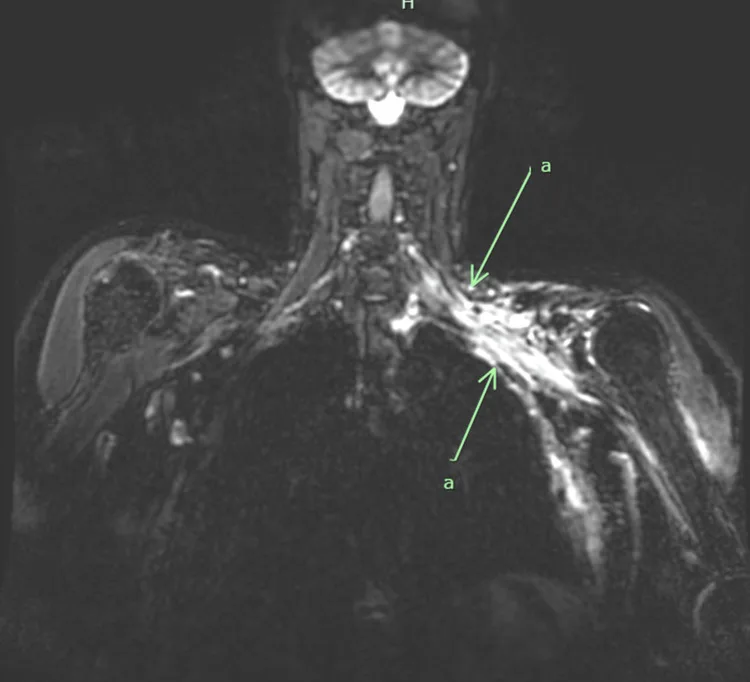
Stage IIIA HR-positive HER2-negative breast cancer with radiation-induced brachial plexopathy

Patient Info: Anonymized, Female, 50s | Stage I

Biomarkers: HR-positive/HER2-negative breast cancer with pathogenic ATM and PALB2 variants plus an ATM VUS.

Approximately 3.5 years after radiation therapy, there was no evidence of breast cancer recurrence, but severe radiation-induced brachial plexopathy, fibrosis, telangiectasias, and lymphedema-related symptoms required ongoing supportive care.

PubMed Central
OutcomeCancer-Free / NED