Pembrolizumab: 145 Real Stories

145 stories match pembrolizumab. 140 of them mention immunotherapy.

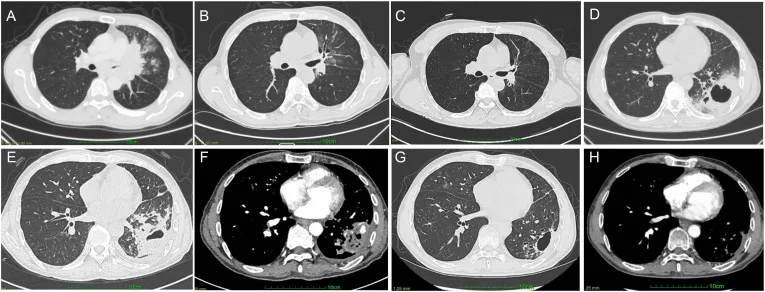
Joanne, who was diagnosed with Stage IV Lung CancerLung Cancer

Stage IV Lung Cancer: Joanne's Patient Story

Patient Info: Joanne Sabol, Female, 60s | Stage IV

Metastatic Site: abdomen

More than 2 years after starting pembrolizumab for recurrent Stage IV lung cancer, Joanne had an 81% tumor reduction and continued to feel well while remaining on treatment.

Memorial Sloan Kettering
OutcomeResponding Well
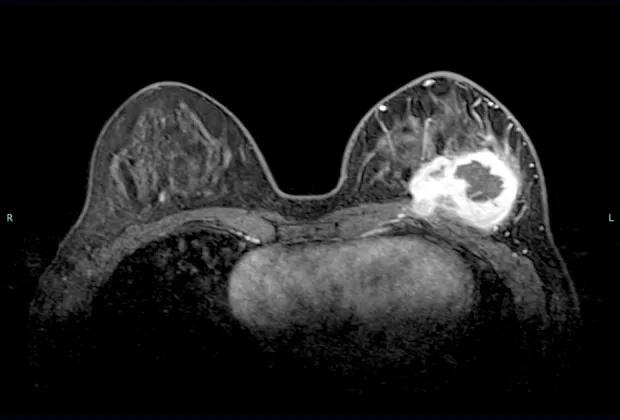
Stephanie, who was diagnosed with Stage II Invasive Ductal CarcinomaBreast Cancer

Stage II BRCA1 Invasive Ductal Carcinoma: Stephanie's Patient Story

Patient Info: Stephanie Hargis, Female, Under 40 | Stage II

Biomarkers: ER-negative; PR-negative; HER2-negative; BRCA1 mutation

Stephanie had Stage II triple-negative breast cancer with BRCA1 mutation, then a local recurrence in April 2023 without distant spread; after surgery, chemotherapy, Keytruda, radiation, and Lynparza, she remained in ongoing post-recurrence treatment.

BreastCancer.org (ES)
OutcomeCare Ongoing
Amy, who was diagnosed with Stage IV Non-Small Cell Lung CancerLung Cancer

Stage IV Non-Small Cell Lung Cancer: Amy's Patient Story

Patient Info: Amy, Female | Stage IV

Metastatic Site: Neck lymph node; bones — hips, femurs, foot; adrenal…

Living 5 years after Stage IV squamous NSCLC diagnosis, after Keytruda did not work and treatment included bone radiation, SBRT to the lung nodule, and adrenal cryoablation.

Lung Cancer Research Foundation
OutcomeLiving With Cancer
A patient, who was diagnosed with Stage IV Lung AdenocarcinomaLung Cancer

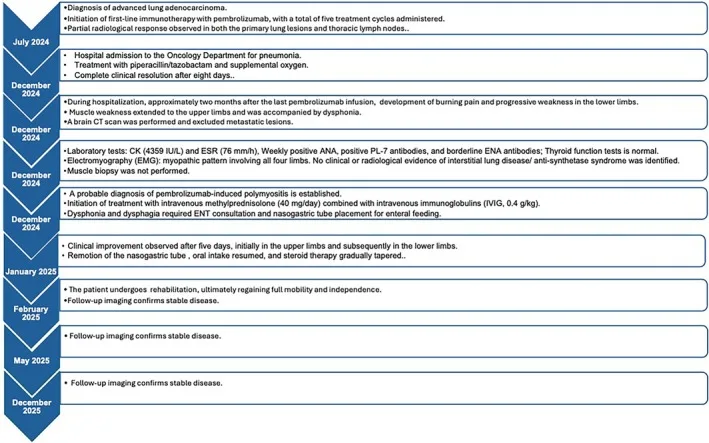
Long-term lung cancer control after immunotherapy-related diabetes

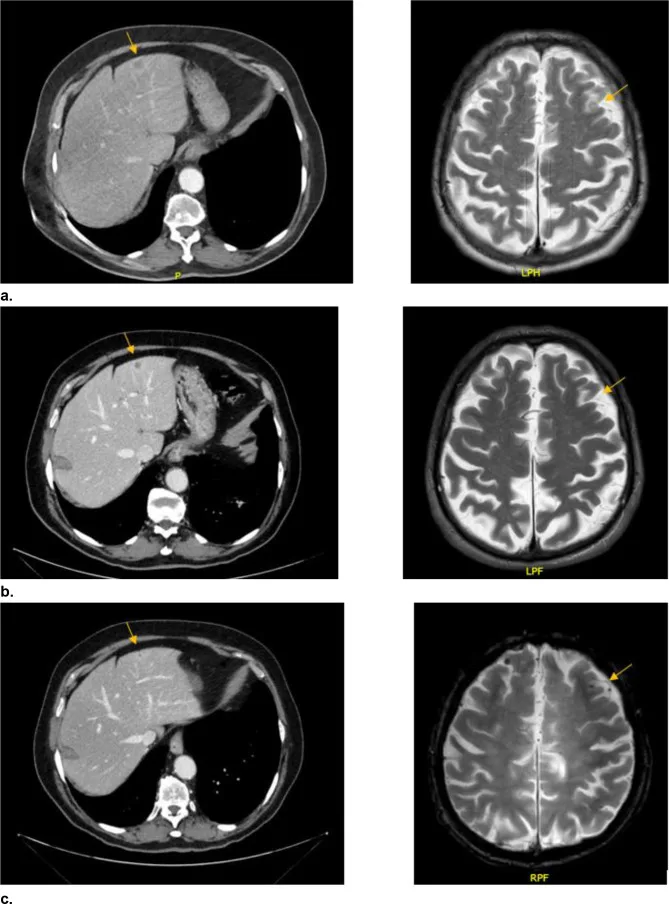
Patient Info: Anonymized, Male, 70+ | Stage IV

Biomarkers: PD-L1 80%; EGFR, ALK, ROS1 and BRAF negative

Metastatic Site: brain|liver

After years of disease control off pembrolizumab, a new brain lesion appeared in December 2025 and was treated with focused radiation. He remained clinically stable under oncology follow-up.

PubMed Central
OutcomeLiving With Cancer
JJ, who was diagnosed with Stage IV Colorectal CancerColorectal Cancer

Stage IV MSI-High Colorectal Cancer: JJ's Patient Story

Patient Info: JJ, Male, Under 40 | Stage IV

Biomarkers: Lynch syndrome; microsatellite instability

Metastatic Site: Abdominal wall; lymph nodes throughout the body

At the latest scan, the main abdominal tumor remained stable. JJ had completed 126 rounds of chemo-immunotherapy and continued treatment every 3 weeks; small lung nodules were being watched but were not confirmed as metastases.

The Patient Story
OutcomeStable Disease / Ongoing Therapy
A patient, who was diagnosed with Stage IV Non-Small Cell Lung CancerLung Cancer

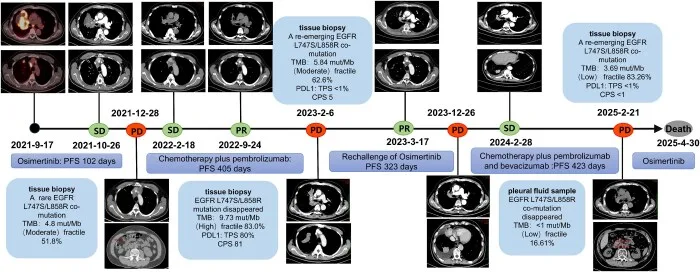
Stage IVA EGFR-mutant lung adenocarcinoma: clonal evolution, chemoimmunotherapy response, osimertinib rechallenge, and death after progression

Patient Info: Anonymized, Male, 60s | Stage IV

Biomarkers: Markers changed over time: started with EGFR L747S/L858R; later MET-amplified, PD-L1 TPS 80%, high TMB clone; later EGFR reappeared.

Metastatic Site: pleura, peritoneal nodule, retroperitoneal lymph nodes

The patient died on 30 April 2025 after progression through multiple lines and infection related to treatment-associated myelosuppression.

PubMed Central
OutcomeIn Memory
A patient, who was diagnosed with Stage II Breast CancerBreast Cancer

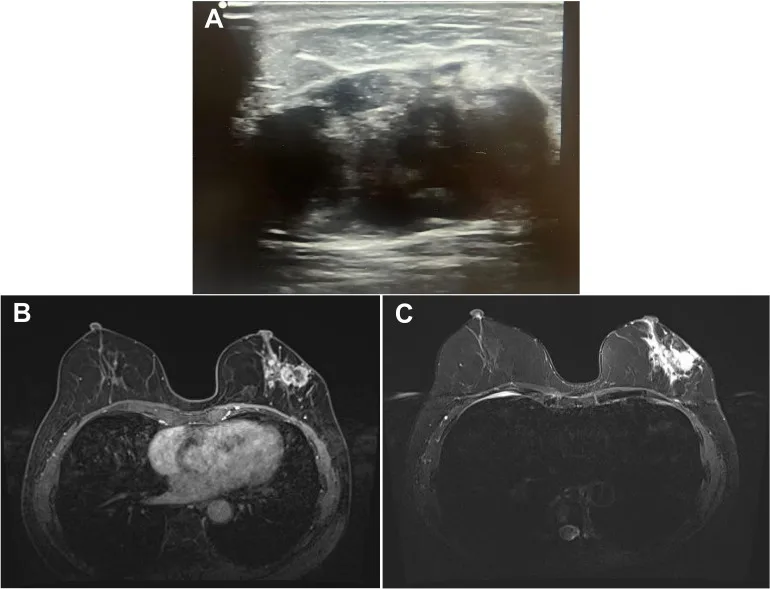
Stage IIA triple-negative neuroendocrine breast carcinoma with chemoimmunotherapy response

Patient Info: Anonymized, Female, 70+ | Stage II

Biomarkers: Triple-negative neuroendocrine breast carcinoma with PD-L1 CPS >=10, and reported germline BRCA1/2 mutation.

As of March 2025, 12 months after surgery, follow-up imaging and tumor-marker testing showed no local recurrence or distant metastasis, and she remained in good general condition.

PubMed Central
OutcomeCancer-Free / NED
A patient, who was diagnosed with Non-Small Cell Lung CancerLung Cancer

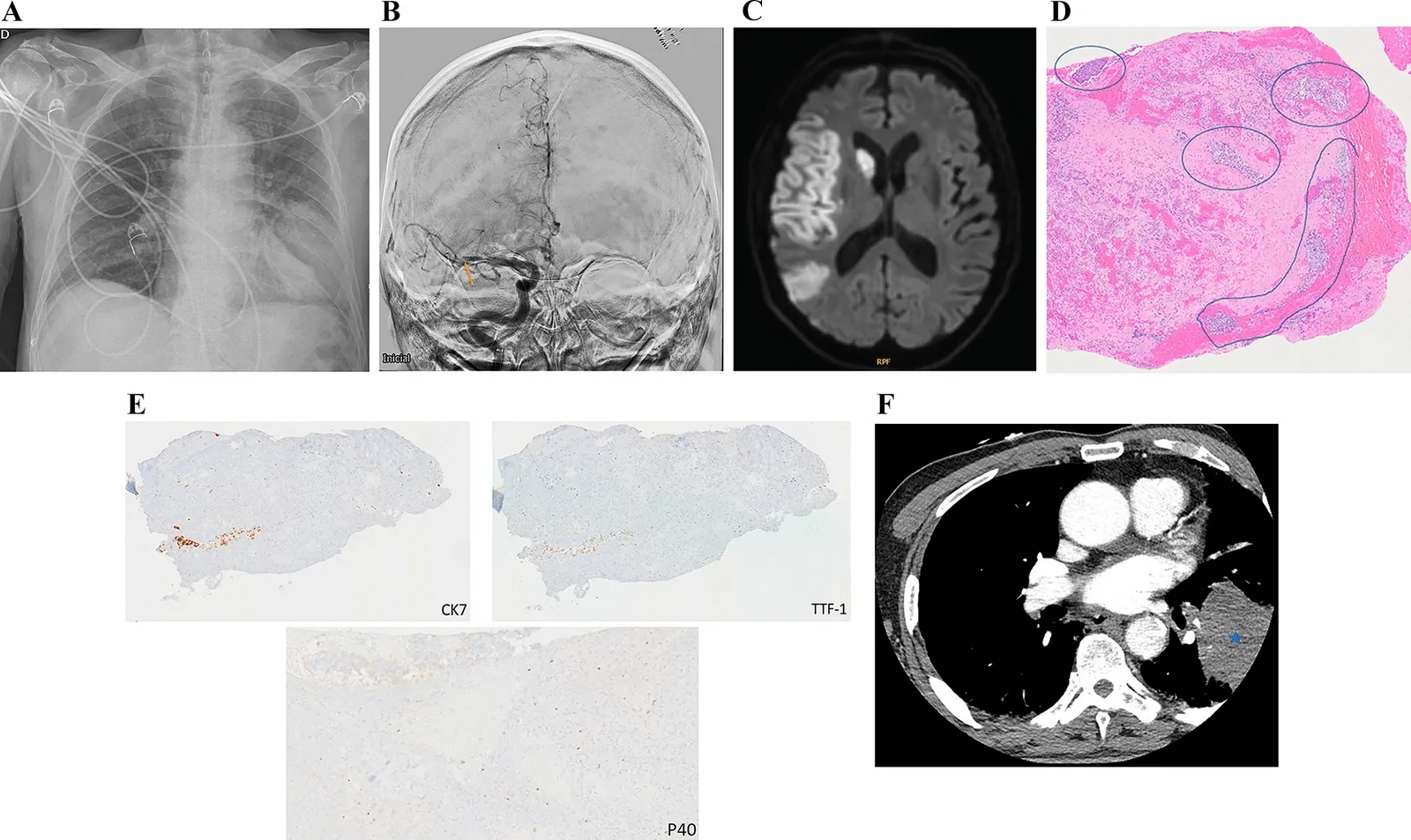
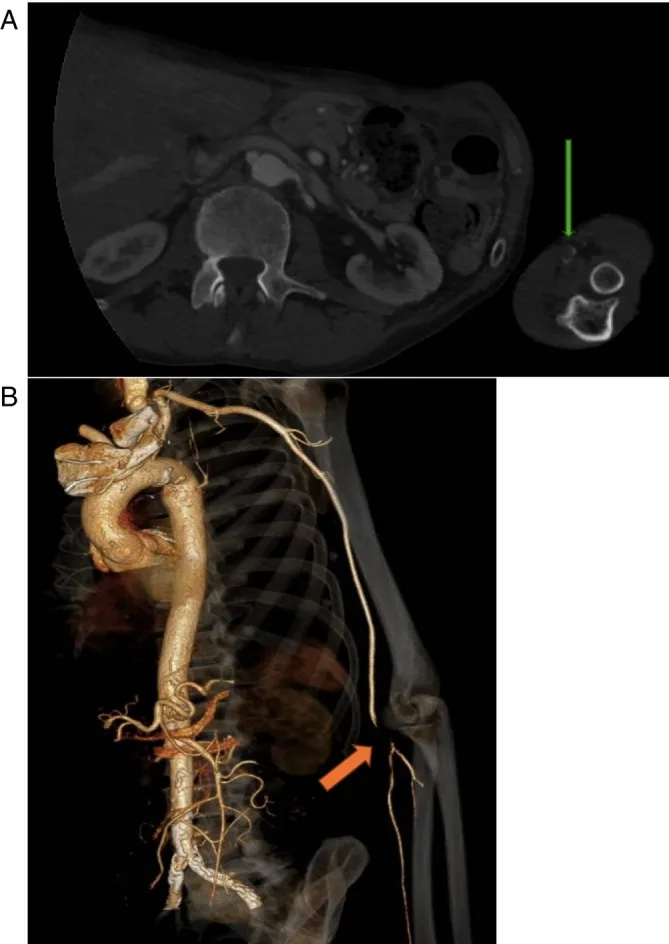
Recurrent squamous lung cancer with tumor emboli, acute limb ischemia, brain metastases, and death

Patient Info: Anonymized, Male, 60s | Stage Metastatic/Advanced

Biomarkers: p40-positive; TTF-1-negative; PD-L1 not expressed / no PD-L1 reported in raw case

Metastatic Site: brain/cerebral metastases; tumor emboli in upper and…

The patient developed recurrent acute limb ischemia from tumor emboli, then new cerebral metastases, and died from advanced disease 7 months after the bilateral lower-limb ischemia presentation.

PubMed Central
OutcomeIn Memory
Caitlin, who was diagnosed with Stage II Ovarian Squamous Cell CarcinomaOvarian Cancer

Stage II Ovarian Squamous Cell Carcinoma: Caitlin's Survivor Story

Patient Info: Caitlin Koehler, female, Under 40 | Stage II

Biomarkers: PD-L1: high expression

After surgery for recurrence, Caitlin remained on maintenance therapy and her follow-up scans showed no evidence of disease.

MD Anderson
OutcomeCancer-Free / NED
A patient, who was diagnosed with Stage IV Breast CancerBreast Cancer

Stage IIB triple-negative metaplastic breast cancer with early metastatic recurrence: durable response to pembrolizumab-based therapy

Patient Info: Anonymized, Female, 50s | Stage IV

Biomarkers: Triple-negative metaplastic breast cancer with PD-L1 CPS 83.2, BRCA1/2 negative

Metastatic Site: lung, sternum

As of May 2026, she had more than 30 months of disease control after pembrolizumab-based therapy for early recurrent metastatic metaplastic breast cancer, with only mild residual sternal uptake and no disease progression.

PubMed Central
OutcomeResponding Well
A patient, who was diagnosed with Stage IV Non-Small Cell Lung CancerLung Cancer

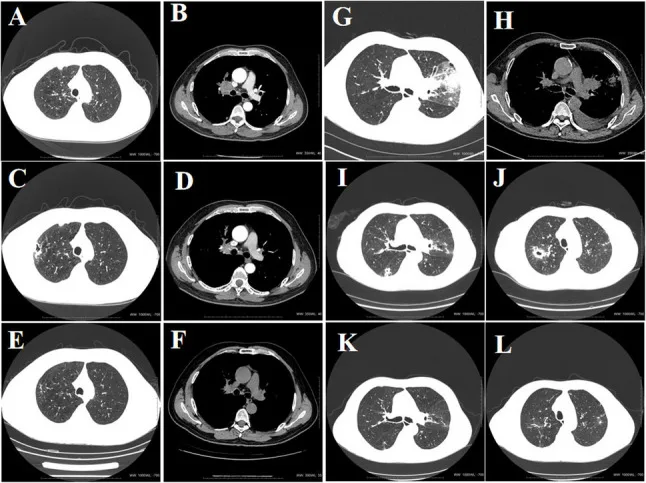
Stage IV squamous NSCLC: durable pembrolizumab response followed by invasive aspergillosis, marrow failure, and death

Patient Info: Anonymized, Male, 50s | Stage IV

Biomarkers: PD-L1 20%

Metastatic Site: bilateral lungs

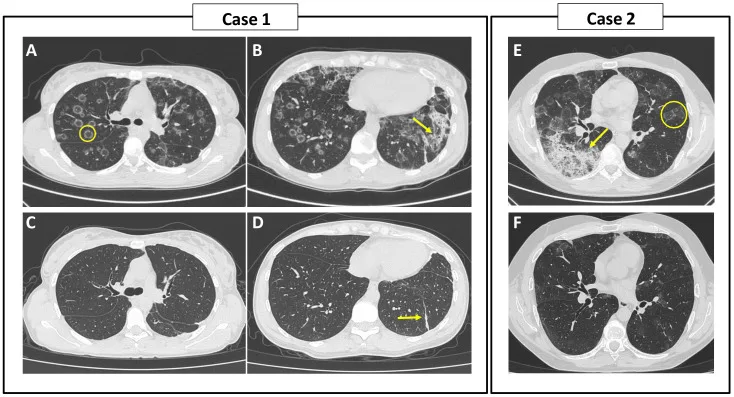
After durable partial response to pembrolizumab-based therapy, he developed severe pulmonary infection, invasive pulmonary aspergillosis, progressive AA-like bone marrow failure with severe cytopenias, declined further treatment, and died at home in early 2025.

PubMed Central
OutcomeIn Memory
A patient, who was diagnosed with Stage IV Lung Squamous Cell CarcinomaLung Cancer

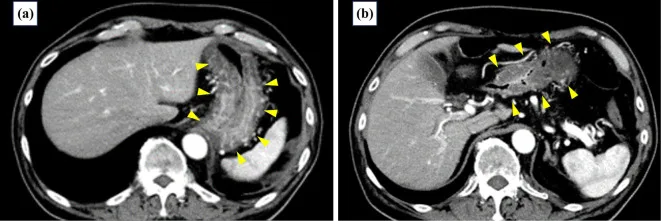
Stage IV squamous lung cancer with steroid-refractory immune-related gastritis after pembrolizumab

Patient Info: Anonymized, Male, 70+ | Stage IV

Biomarkers: Gastric biopsy during immune gastritis showed CD8-positive lymphocyte inflammation, no cancer

After about 2 years of carboplatin, pemetrexed, and pembrolizumab, lung cancer treatment was stopped because of tumor growth; the later immune-related gastritis improved after escalation to infliximab, while the cancer course remained a setback/progression story.

PubMed Central
OutcomeSetback / Progression
Ken, who was diagnosed with Stage IV MelanomaMelanoma

Stage IV Melanoma: Ken's Survivor Story

Patient Info: Ken Herich, Male, 60s | Stage IV

Metastatic Site: Abdomen; shinbone/bone; near lungs

After Stage IV melanoma progressed on prior immunotherapies, TIL therapy produced a complete response; as of April 2026, scans showed no evidence of disease and no sign of melanoma returning nearly 1 year after treatment.

City of Hope
OutcomeCancer-Free / NED
A patient, who was diagnosed with Breast CancerBreast Cancer

Triple-negative breast cancer diagnosed during pregnancy: remission

Patient Info: Anonymized, Female, Under 40

Biomarkers: ER-negative; PR-negative; HER2-negative

The patient remains in remission 30 months after surgery. Immune-related brachial plexopathy after treatment improved after steroids, IVIG, and plasmapheresis, with electrophysiologic resolution and near-complete strength and sensory recovery.

PubMed Central
OutcomeCancer-Free / NED
A patient, who was diagnosed with Stage III Breast CancerBreast Cancer

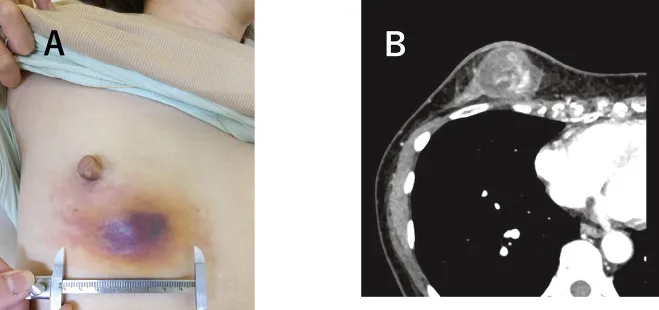
Stage IIIB triple-negative metaplastic breast cancer: urgent mastectomy and reconstruction after rapid progression on neoadjuvant therapy

Patient Info: Anonymized, Female, 40s | Stage III

Biomarkers: ER-negative; PR-negative; HER2-negative; nuclear grade 3

At 18-month follow-up, she was disease-free after urgent mastectomy, axillary dissection, flap/skin-graft reconstruction, resumed chemotherapy, and radiation for rapidly progressive triple-negative metaplastic breast cancer.

PubMed Central
OutcomeCancer-Free / NED
A patient, who was diagnosed with Stage III Breast CancerBreast Cancer

Stage 3 triple-negative breast cancer complicated by immunotherapy endocrine toxicity

Patient Info: Anonymized, Female, 40s | Stage III

Biomarkers: ER-negative; PgR-negative/PR-negative; HER2 0; Ki-67 70%; triple-negative breast cancer

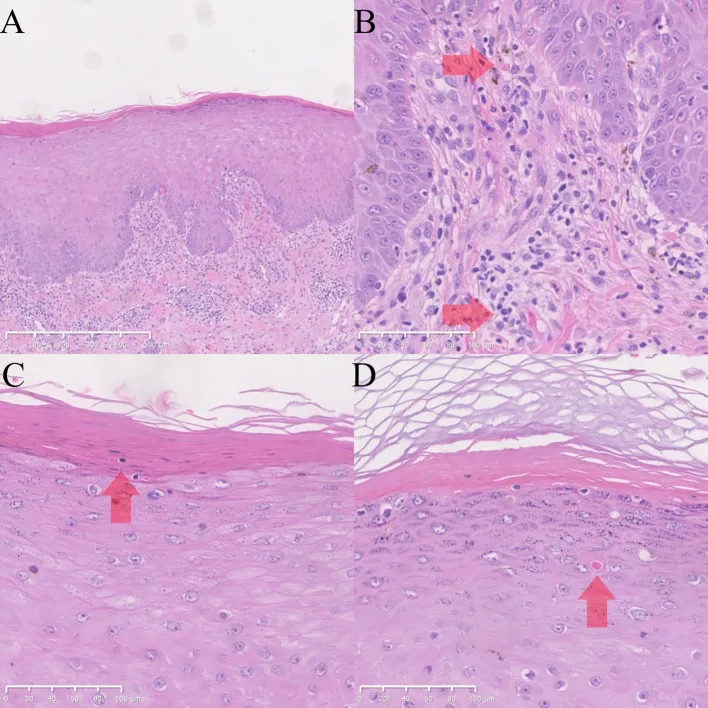
After neoadjuvant therapy complicated by immune-related hypothyroidism, adrenal insufficiency, and suspected hypophysitis, surgery showed residual ypT1c ypN0 triple-negative disease. Pembrolizumab was stopped, adjuvant capecitabine was completed in June 2025, and endocrine replacement/follow-up continued.

PubMed Central
OutcomeCare Ongoing
A patient, who was diagnosed with Stage IV Non-Small Cell Lung CancerLung Cancer

MET exon 14 skipping lung adenocarcinoma: sequential MET-TKI toxicity and ongoing chemotherapy

Patient Info: Anonymized, Male, 70+ | Stage IV

Biomarkers: MET exon 14 skipping mutation; EGFR negative; ALK negative; ROS1 negative; PD-L1 tumor proportion score 10%

Metastatic Site: pleura

The cancer recurred with pleural dissemination after surgery and adjuvant UFT. Sequential MET inhibitors and systemic therapies provided periods of disease control but were limited by ILD and non-ILD toxicities; at the report, he remained on carboplatin, pemetrexed, and bevacizumab.

PubMed Central
OutcomeLiving With Cancer
A patient, who was diagnosed with Stage IV Colorectal AdenocarcinomaColorectal Cancer

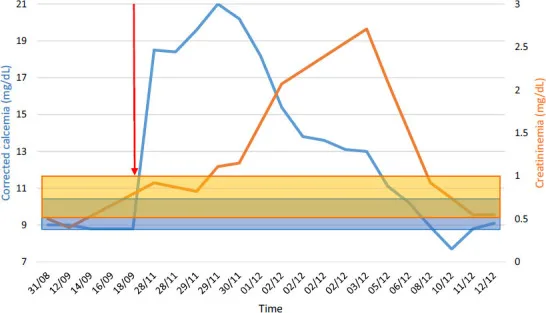
Stage IV MSI-H KRAS-mutant colorectal adenocarcinoma: severe pembrolizumab-associated hypercalcemia resolved with steroids and zoledronic acid

Patient Info: Anonymized, Female, 70+ | Stage IV

Biomarkers: KRAS G12xa mutation; MSI-H; BRAF wild type; NRAS wild type; PTH low-normal

Metastatic Site: liver

After the second pembrolizumab dose, severe hypercalcemia and electrolyte abnormalities resolved with high-dose glucocorticoids, zoledronic acid, and supportive care; cancer response was not yet described.

PubMed Central
OutcomeCare Ongoing