Immunotherapy: 424 Real Stories

424 stories match immunotherapy. 352 of them mention chemotherapy.

A patient, who was diagnosed with Stage III Lung AdenocarcinomaLung Cancer

Stage IIIA KRAS/STK11/TP53-mutated lung adenocarcinoma: fatal pembrolizumab-induced myocarditis after adjuvant therapy

Patient Info: Anonymized, Male, 70+ | Stage III

Biomarkers: Ki-67 20-25%; PD-L1 expression 10%; KRAS exon 2 mutation; STK11 mutation; TP53 mutation

As of December 2025, he had died after 15 days of hospitalization from sepsis and multi-organ failure following severe pembrolizumab-induced myocarditis after adjuvant treatment for resected Stage IIIA lung adenocarcinoma.

PubMed Central
OutcomeIn Memory
A patient, who was diagnosed with Stage IV Lung Squamous Cell CarcinomaLung Cancer

Stage IV squamous lung cancer: complete response followed by fatal bone marrow metastasis

Patient Info: Anonymized, Male, 60s | Stage IV

Biomarkers: with PD-L1 95%. SCC antigen/CYFRA rose at relapse.

Metastatic Site: bone (spine, bilateral humerus, bilateral femur); bone…

As of December 2025, he had died of aspiration pneumonia 1 month after admission for biopsy-confirmed bone marrow metastasis from squamous lung cancer, despite a prior complete response to chemoimmunotherapy and pembrolizumab maintenance.

PubMed Central
OutcomeIn Memory
A patient, who was diagnosed with Stage IV Lung AdenocarcinomaLung Cancer

Stage IV NSCLC with brain and leptomeningeal metastases responding to radiotherapy, camrelizumab, GM-CSF, and chemotherapy

Patient Info: Anonymized, Male, 50s | Stage IV

Biomarkers: Lung cancer markers supported adenocarcinoma. PD-L1 negative; no common lung driver found; TMB high; MSI not detected.

Metastatic Site: brain, leptomeningeal disease, left supraclavicular…

As of March 2025, leptomeningeal metastases had complete response, brain lesions had further regression, the lung lesion had decreased from 76 mm to 21 mm, and overall disease remained in partial response with 69 months of progression-free survival since radiotherapy.

PubMed Central
OutcomeResponding Well
A patient, who was diagnosed with Stage IV Non-Small Cell Lung CancerLung Cancer

Stage IVB SMARCA4-deficient NSCLC with brain metastasis: stable disease after surgery, radiation, chemotherapy, immunotherapy, and bevacizumab

Patient Info: Anonymized, Male, 70+ | Stage IV

Biomarkers: SMARCA4/BRG-1 loss with TP53 and other mutations; TMB high; PD-L1 <1%; MSI-H not detected.

Metastatic Site: brain

As of October 2025, the patient had stable disease, no brain recurrence, a controlled left lower-lobe lung lesion, and manageable treatment toxicity while continuing bevacizumab plus pemetrexed maintenance.

PubMed Central
OutcomeLiving With Cancer
Tommy, who was diagnosed with Stage III Colorectal CancerColorectal Cancer

Stage III MSI-High Colorectal Cancer: Tommy's Survivor Story

Patient Info: Tommy Allen, Male, 50s | Stage III

Biomarkers: MSI-high; Lynch syndrome

As of November 2025, Tommy was cancer-free 5 years after pembrolizumab, ileostomy, Whipple procedure, partial colectomy, and ileostomy closure for Stage III MSI-high colon cancer with Lynch syndrome.

MD Anderson
OutcomeCancer-Free / NED
A patient, who was diagnosed with Stage IV Small Cell Lung CancerLung Cancer

Stage IV small cell lung cancer: complete tumor response with recovery from paraneoplastic limbic encephalitis

Patient Info: Anonymized, Male, 60s | Stage IV

Biomarkers: Small-cell lung cancer markers included TTF-1/chromogranin-A with Ki-67 90%. Paraneoplastic testing showed GABA-B receptor IgG positive.

Metastatic Site: adrenal glands, diaphragmatic lymph nodes, lungs,…

After 4 cycles of chemotherapy, PET showed complete tumor response. He was alive, clinically well, fully recovered from neurologic symptoms, and April 2025 brain MRI showed improvement of limbic encephalitis changes with evolution toward hippocampal atrophy.

PubMed Central
OutcomeResponding Well
A patient, who was diagnosed with Stage III Breast CancerBreast Cancer

Triple-negative breast cancer with pathologic complete response after neoadjuvant chemoimmunotherapy complicated by immune toxicity

Patient Info: Anonymized, Female, 40s | Stage III

Biomarkers: ER-negative; PR-negative; HER2-negative

Left mastectomy on November 17 confirmed pathologic complete response, and 5-month follow-up showed no residual hepatic, dermatological, metabolic, or neurological sequelae from the treatment-related complications.

PubMed Central
OutcomeCancer-Free / NED
A patient, who was diagnosed with Stage IV Lung Squamous Cell CarcinomaLung Cancer

Synchronous primary squamous lung cancers: long disease control after multimodal therapy, then Stage IVA lung recurrence

Patient Info: Anonymized, Male, 60s | Stage IV

Biomarkers: Squamous lung cancers with PD-L1 20% and no driver mutation detected; P40/P63 markers supported squamous type.

Metastatic Site: bilateral lung metastases at recurrence

As of November 2025, the patient had achieved 72 months of progression-free survival and remained alive at 75 months, but had developed Stage IVA recurrent pulmonary squamous cell carcinoma with bilateral lung metastases and had restarted systemic therapy.

PubMed Central
OutcomeSetback / Progression
A patient, who was diagnosed with Stage I Lung AdenocarcinomaLung Cancer

Second primary Stage I lung adenocarcinoma treated with segmentectomy and adjuvant pembrolizumab

Patient Info: Anonymized, Female, 70+ | Stage I

Biomarkers: PD-L1 <1%; no common targetable lung cancer changes found in EGFR, ALK, KRAS, BRAF, MET, PIK3CA, RET, ROS1, or NTRK.

At 6-month oncologic follow-up, PET-CT showed complete metabolic response with no evidence of residual disease after segmentectomy and adjuvant pembrolizumab.

PubMed Central
OutcomeCancer-Free / NED
A patient, who was diagnosed with Stage IV Lung AdenocarcinomaLung Cancer

Stage 4 lung cancer: 2-year survival with immunotherapy

Patient Info: Anonymized, Male, 50s | Stage IV

Biomarkers: SMARCA4/BRG1 loss; MET exon 14 ; BRCA1/MSH6/CDK12 mutations; PD-L1 TPS 90%; no MSI. Other common lung drivers not detected.

Metastatic Site: pleural effusion, multiple bilateral lung nodules,…

The patient declined MET inhibitor therapy and chemotherapy but responded strongly to sintilimab plus anlotinib, with marked shrinkage after 2 cycles, sustained lesion control through 32 cycles, and more than 2 years of progression-free survival.

PubMed Central
OutcomeResponding Well
A patient, who was diagnosed with Stage IV Gastric CancerGastric Cancer

ALK-Fusion Gastric Cancer Responds to Alectinib Before Progression

Patient Info: Anonymized, female, 50s | Stage IV

Biomarkers: DCTN1–ALK fusion; ATM p.E1724*; CDK6 amplification; HER2 negative; mismatch-repair proteins intact; later KRAS amplification

Metastatic Site: bone

Alectinib produced a partial response for about 11.5 months, but the cancer later progressed systemically and she died from uncontrollable gastrointestinal bleeding.

PubMed Central
OutcomeIn Memory
A patient, who was diagnosed with Metastasizing ameloblastoma involving lung Squamous Cell CarcinomaMetastasizing ameloblastoma involving lung

Metastasizing ameloblastoma involving lung: initially treated as squamous lung cancer

Patient Info: Anonymized, Male, 40s

Biomarkers: Final tumor had AKT1 mutation and BRAF -negative status. Initial testing found no common actionable lung-cancer drivers.

As of October 2025, final pathology had changed the diagnosis from suspected squamous lung cancer to metastasizing ameloblastoma involving the lung, and the patient was under specialist head-and-neck and thoracic follow-up.

PubMed Central
OutcomeCare Ongoing
A patient, who was diagnosed with Stage IV Small Cell Lung CancerLung Cancer

Extensive-stage small-cell lung cancer with serplulimab-associated diabetes: care ongoing

Patient Info: Anonymized, Male, 60s | Stage IV

Biomarkers: Tumor biomarkers not reported. Diabetes workup after immunotherapy: autoantibodies negative, C-peptide very low.

After 11 days in the hospital, diabetic ketoacidosis was controlled; he continued insulin therapy with good glucose control and resumed serplulimab plus levothyroxine.

PubMed Central
OutcomeCare Ongoing
A patient, who was diagnosed with Stage IV Small Cell Lung CancerLung Cancer

Extensive-stage small-cell lung cancer with serplulimab-associated diabetes

Patient Info: Anonymized, Male, 70+ | Stage IV

Biomarkers: Tumor biomarkers not reported. Diabetes autoantibodies were negative, C-peptide was low, and hypothyroidism labs were severe.

After 10 days of hospitalization, diabetic ketoacidosis was controlled; he was discharged on insulin therapy and resumed serplulimab immunotherapy.

PubMed Central
OutcomeCare Ongoing
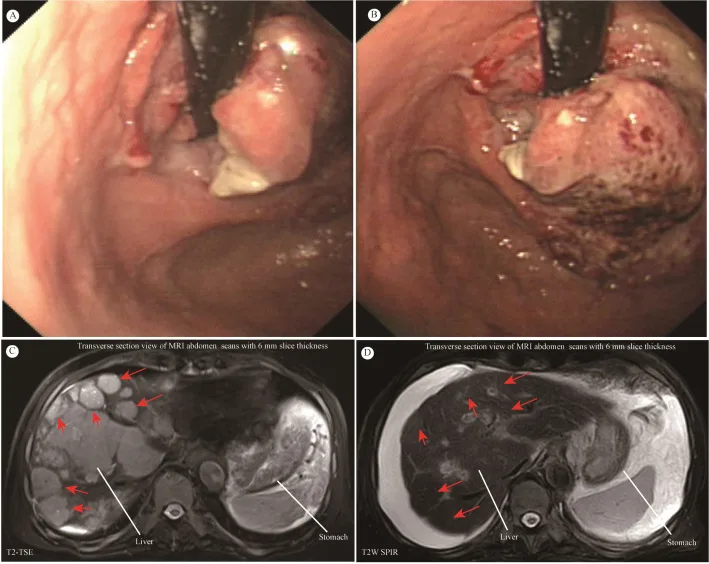
A patient, who was diagnosed with Stage IV Gastric AdenocarcinomaGastric Cancer

Stage IV Gastric Cancer Responds to Nivolumab Before Severe Immune Hepatitis

Patient Info: Anonymized, male, 70+ | Stage IV

Biomarkers: HER2 1+; PD-L1 tumor-cell score 5%; mismatch-repair proteins intact; p53 mutated

Metastatic Site: liver

After an initial reduction in the gastric tumor and liver metastases, nivolumab was stopped for severe hepatitis and later disease progression with multi-organ failure was documented.

PubMed Central
OutcomeSetback / Progression
Jennifer, who was diagnosed with Stage II Breast CancerBreast Cancer

Stage II HR-Positive Breast Cancer: Jennifer's Survivor Story

Patient Info: Jennifer Njathi, Female, 40s | Stage II

Biomarkers: Triple-positive; ER-positive; PR-positive; HER2-positive

As of October 2025, Jennifer was more than 1 year past treatment for triple-positive Stage IIA breast cancer and had a recent clear MRI.

City of Hope
OutcomeCancer-Free / NED