Radiation for Stage 4 Lung Cancer: 150 Real Stories

150 stories match lung cancer, stage 4 and radiation. 100 of them mention chemotherapy.

Saila, who was diagnosed with Stage IV Non-Small Cell Lung CancerLung Cancer

Stage IV EGFR Non-Small Cell Lung Cancer: Saila's Patient Story

Patient Info: Saila Hanninen, Under 40 | Stage IV

Biomarkers: EGFR mutation

After progression on earlier EGFR-directed treatment and other therapies, Saila began chemotherapy and her cancer was stable at the time of the story.

Dana-Farber
OutcomeStable Disease
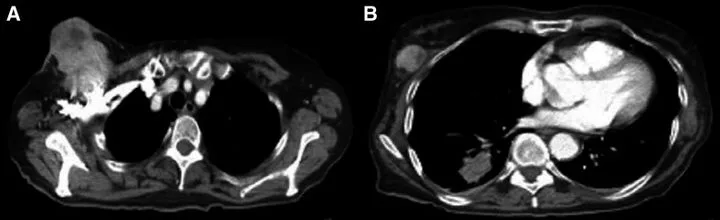
A patient, who was diagnosed with Stage IV Lung AdenocarcinomaLung Cancer

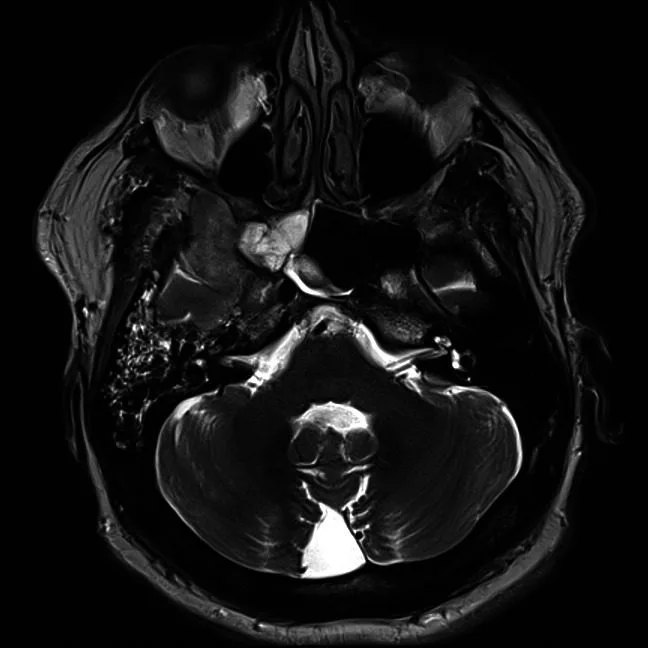
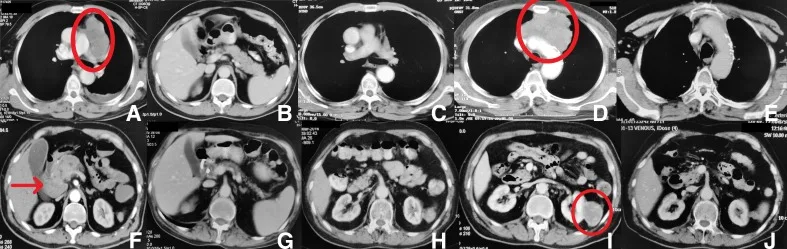
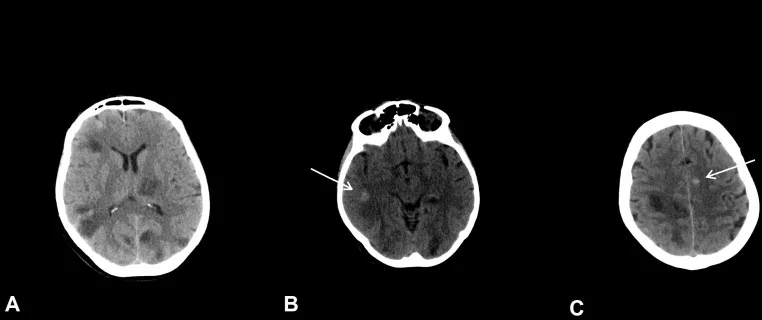
Lung adenocarcinoma first presented through skin and haemorrhagic brain metastases

Patient Info: Anonymized, Female, 60s | Stage IV

Biomarkers: TTF-1-positive; CK7-positive; CEA-positive; PD-L1 10%; EGFR-negative; ALK-negative; ROS1-negative; BRAF-negative

Metastatic Site: skin|brain

Her condition declined rapidly after brain radiation, systemic therapy could not be started, and she died from metastatic lung cancer within 6 weeks of presentation.

PubMed Central
OutcomeIn Memory
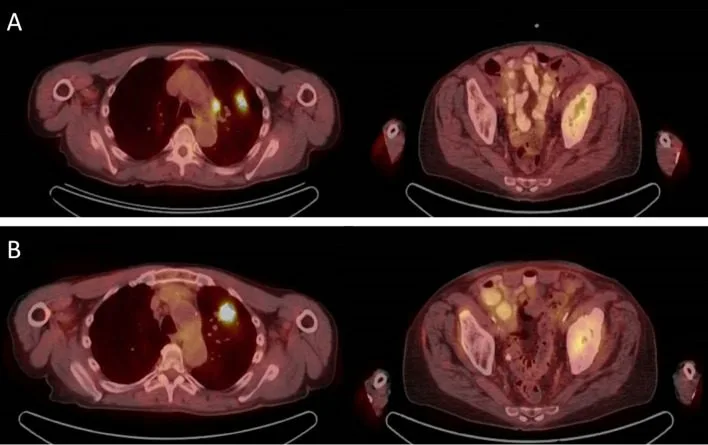
A patient, who was diagnosed with Stage IV Non-Small Cell Lung CancerLung Cancer

Metastatic Lung Cancer Responded Completely After a Change in Immunotherapy

Patient Info: Anonymized, Male, 70+ | Stage IV

Biomarkers: TTF-1-positive; napsin-positive; PD-L1 0%; high tumour mutational burden; no actionable mutations

Metastatic Site: bone (left iliac bone, acetabulum and thoracic…

After progression on nivolumab, atezolizumab produced a complete response by the 6-month scan; after 35 cycles, the response remained sustained, he was alive and well, and no immune-related adverse effects were documented.

PubMed Central
OutcomeResponding Well
Tomma, who was diagnosed with Stage IV Non-Small Cell Lung CancerLung Cancer

Stage IV Non-Small Cell Lung Cancer: Tomma's Patient Story

Patient Info: Tomma Hargraves, Female | Stage IV

Metastatic Site: brain

After a later brain and lymph-node relapse was brought under control, Tomma had no further cancer treatment and remained active in survivorship advocacy. She died on September 7, 2023.

AACR
OutcomeIn Memory
A patient, who was diagnosed with Stage IV Small Cell Lung CancerLung Cancer

More than 10 years living with relapsing extensive-stage small cell lung cancer

Patient Info: Anonymized, Male, 60s | Stage IV

Biomarkers: Chromogranin-positive.

Metastatic Site: pleura; pancreas; left kidney and perinephric region

After five treatment lines and several metastatic relapses over more than 10 years, his latest irinotecan and carboplatin course produced another partial response and he was doing well at the last follow-up.

PubMed Central
OutcomeResponding Well
Sara, who was diagnosed with Stage IV Non-Small Cell Lung CancerLung Cancer

Stage IV RET Non-Small Cell Lung Cancer: Sara's Patient Story

Patient Info: Sara Whitlock, Female, 40s | Stage IV

Biomarkers: RET fusion-positive NSCLC

Metastatic Site: Brain; abdomen; bowel

As of November 2019, Sara had Stage IV RET fusion-positive NSCLC with a long-term response and no signs of cancer while taking selpercatinib/LOXO-292 on a clinical trial, with ongoing monthly follow-up.

Cleveland Clinic
OutcomeCare Ongoing
James, who was diagnosed with Stage IV Non-Small Cell Lung CancerLung Cancer

Stage IV ALK Non-Small Cell Lung Cancer: James's Patient Story

Patient Info: James “Rocky” Lagno, Male | Stage IV

Biomarkers: ALK-positive

Metastatic Site: brain

After starting ceritinib through compassionate use, Rocky reported stable disease from the middle of 2013 with quality of life close to his pre-diagnosis level, while recognizing that he was not in remission or cancer-free.

AACR
OutcomeStable Disease
A patient, who was diagnosed with Stage IV Lung AdenocarcinomaLung Cancer

Osimertinib Improved Spinal Cord Metastases in Long-Standing Lung Cancer

Patient Info: Anonymized, Male, 50s | Stage IV

Biomarkers: Initial surgical specimen: no detected EGFR mutation and ALK-negative. Later pleural-fluid tumor: acquired EGFR T790M mutation with no other detected EGFR mutation.

Metastatic Site: cervical and mediastinal lymph nodes; bone; brain;…

Osimertinib improved neurologic function and kept the lung cancer stable for 14 months; he later died from bacterial pneumonia.

PubMed Central
OutcomeIn Memory
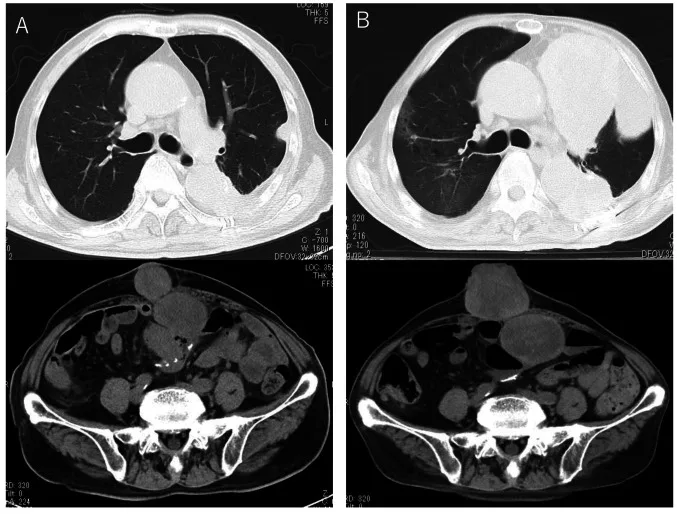
A patient, who was diagnosed with Stage IV Lung AdenocarcinomaLung Cancer

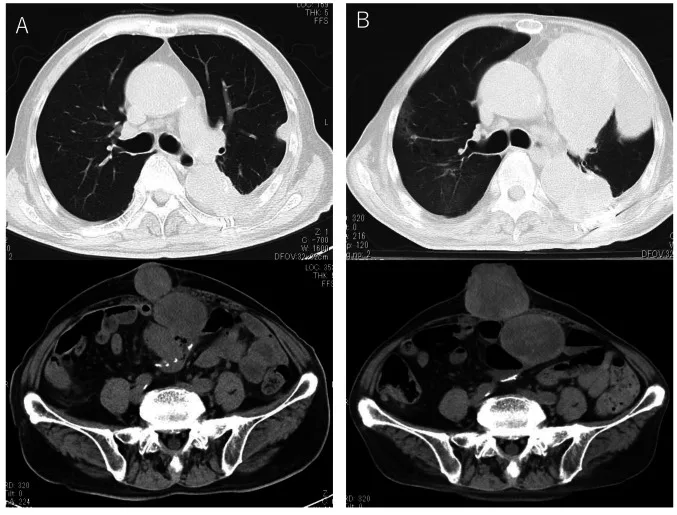
Rapidly Progressive Stage IV Lung Adenocarcinoma With a Miliary Imaging Pattern

Patient Info: Anonymized, Male, 60s | Stage IV

Biomarkers: TTF-1-positive; p40-negative; chromogranin-negative; synaptophysin-negative; EGFR-negative; ALK-negative; ROS1-negative; PD-L1 expression 5%–10%.

The cancer progressed rapidly, and he died approximately four months after diagnosis while being transported to inpatient hospice.

PubMed Central
OutcomeIn Memory
A patient, who was diagnosed with Stage IV Lung AdenocarcinomaLung Cancer

Hormone Problems During Nivolumab Treatment for Advanced Lung Cancer

Patient Info: Anonymized, Female, 60s | Stage IV

Biomarkers: EGFR/ALK/ROS1/BRAF wild type

Metastatic Site: abdominal wall|brain

She was living with Stage IVA lung cancer after about 1 year of nivolumab. Thyroid levels normalized after levothyroxine adjustment, and continued endocrine monitoring was planned for treatment-related pituitary dysfunction.

PubMed Central
OutcomeLiving With Cancer
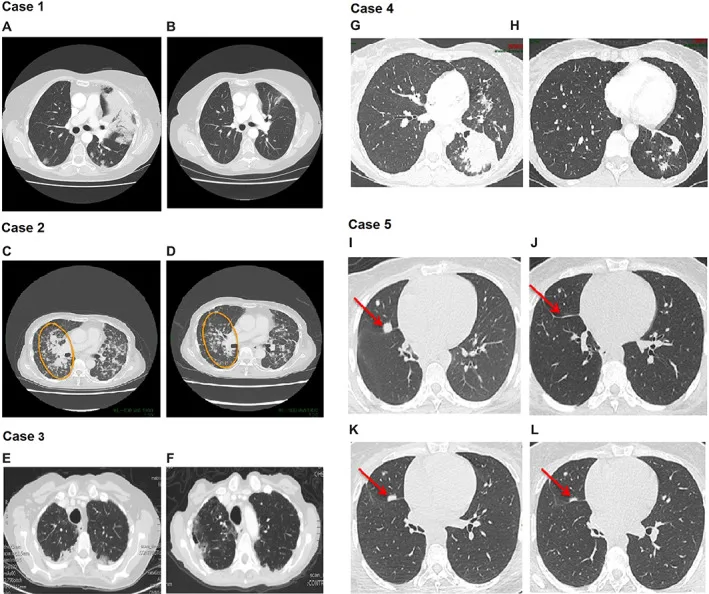
A patient, who was diagnosed with Stage IV Non-Small Cell Lung CancerLung Cancer

Durable brain and leptomeningeal response to pembrolizumab in Stage IV lung cancer

Patient Info: Anonymized, Female, 70+ | Stage IV

Biomarkers: PD-L1 high positive; EGFR negative; BRAF negative; KRAS negative; ROS1 negative; ALK negative

Metastatic Site: right adrenal gland, left sixth rib, brain,…

After 29 pembrolizumab cycles over 20 months, imaging showed no leptomeningeal disease, resolution of 3 brain lesions and marked reduction of the dominant frontal lesion; she remained neurologically intact and radiographically stable.

PubMed Central
OutcomeResponding Well
Cynthia, who was diagnosed with Stage IV Lung CancerLung Cancer

Stage IV Lung Cancer: Cynthia's Patient Story

Patient Info: Cynthia Hess, Female | Stage IV

Metastatic Site: Spine

As of October 2018, Cynthia’s spine metastasis had stopped growing after one stereotactic spinal radiosurgery treatment, her neck pain had subsided and future MRI scans were planned for monitoring.

Cleveland Clinic
OutcomeCare Ongoing
A patient, who was diagnosed with Stage IV Small Cell Lung CancerLung Cancer

Stage IV Small Cell Lung Cancer Causing Severe Cushing Syndrome

Patient Info: Anonymized, Male, 40s | Stage IV

Biomarkers: Ectopic ACTH secretion with markedly elevated ACTH and cortisol

Metastatic Site: liver|bones

The cancer and hormone syndrome progressed after an initial response, and he died after cardiopulmonary arrest 1 year after diagnosis.

PubMed Central
OutcomeIn Memory
A patient, who was diagnosed with Stage IV Lung AdenocarcinomaLung Cancer

Lung cancer presenting with brain and leptomeningeal spread

Patient Info: Anonymized, Male, 70+ | Stage IV

Biomarkers: PD-L1 100%; EGFR negative; ALK rearrangement negative

Metastatic Site: brain, leptomeninges

His condition deteriorated within weeks of radiotherapy. He was readmitted with pneumonia and an acute right frontal brain haemorrhage and died within 1 week; metastatic lung adenocarcinoma was recorded as the cause of death.

PubMed Central
OutcomeIn Memory
A patient, who was diagnosed with Stage IV Lung AdenocarcinomaLung Cancer

Metastatic lung adenocarcinoma causing sudden hearing loss and vertigo

Patient Info: Anonymized, Female, 60s | Stage IV

Metastatic Site: bone|liver|brain|internal auditory meatus

About 10 months after the metastatic diagnosis, she developed new left-sided deafness, vertigo and facial weakness associated with metastatic involvement of the internal auditory meatus.

PubMed Central
OutcomeSetback / Progression
A patient, who was diagnosed with Stage IV Lung CancerLung Cancer

Stage IV ERBB2-Mutated Lung Cancer With Extensive Bone Metastases

Patient Info: Anonymized, female, 60s | Stage IV

Biomarkers: ERBB2 exon 20 insertion. A PIK3CA mutation was later detected at progression and considered a possible resistance mechanism.

Metastatic Site: bone

After progression on pemetrexed following several earlier treatment lines, she transitioned to hospice care.

PubMed Central
OutcomeSetback / Progression
A patient, who was diagnosed with Stage IV Lung AdenocarcinomaLung Cancer

Stage IV ERBB2-Mutated Lung Adenocarcinoma With Brain Metastases and Multiple Targeted Therapies

Patient Info: Anonymized, female, Under 40 | Stage IV

Biomarkers: ERBB2 exon 20 insertion, exact sequence not specified. ERBB2 copy-number gain was identified during progression on afatinib.

Metastatic Site: brain, adrenal gland, liver

The final documented afatinib plus bevacizumab rechallenge produced a mixed response followed by liver progression after 3 months.

PubMed Central
OutcomeSetback / Progression