Radiation for Stage 4 Lung Cancer: 150 Real Stories

150 stories match lung cancer, stage 4 and radiation. 100 of them mention chemotherapy.

A patient, who was diagnosed with Stage IV Non-Small Cell Lung CancerLung Cancer

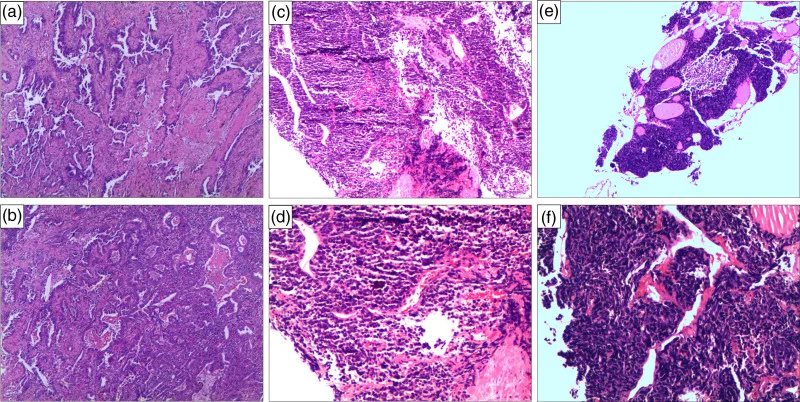
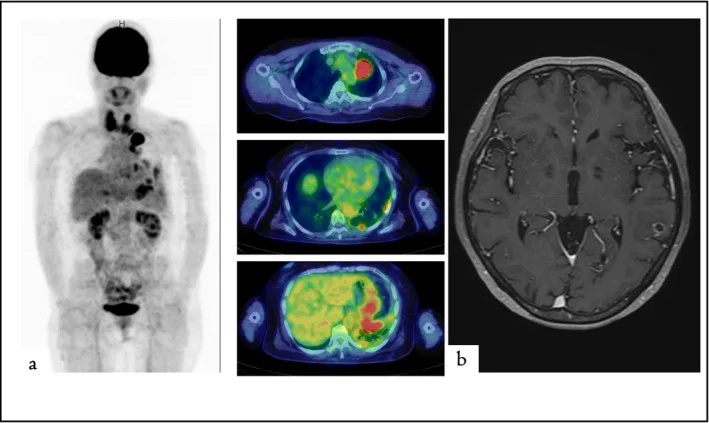
Metastatic SMARCA4-Deficient Lung Cancer Controlled for More Than Two Years With Tislelizumab and Fruquintinib

Patient Info: Anonymized, male, 60s | Stage IV

Biomarkers: PD-L1 8%; no target-sensitive mutation identified

Metastatic Site: left adrenal gland, cervical lymph nodes

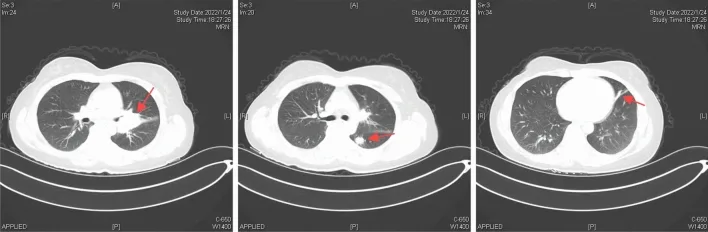
After radiotherapy reduced the cervical-node metastasis, imaging on April 26, 2024 showed stable disease. He ended trial treatment after 2 years and continued regular follow-up.

PubMed Central
OutcomeStable Disease
A patient, who was diagnosed with Stage IV Lung AdenocarcinomaLung Cancer

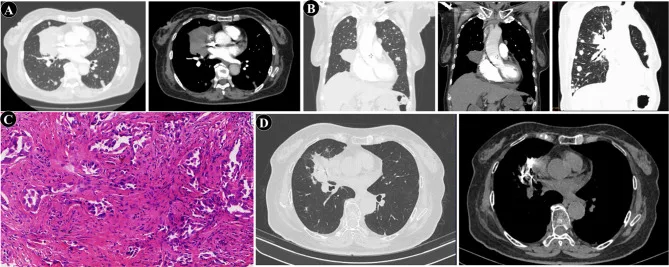
Stage 4 ALK-rearranged lung cancer: complete response with alectinib and SBRT

Patient Info: Anonymized, Female, 70+ | Stage IV

Biomarkers: Initial tumor: EML4-ALK fusion, EGFR wild type. Later tumor: EGFR L858R/T790M and TP53 L194R, without ALK rearrangement.

Metastatic Site: pleura, lymph nodes

As of March 2025, the original ALK-rearranged metastatic disease had responded to alectinib, the separate EGFR-mutant right upper-lobe lesion had responded to SBRT, and PET-CT showed no hypermetabolic lung lesion.

PubMed Central
OutcomeCancer-Free / NED
A patient, who was diagnosed with Stage IV Non-Small Cell Lung CancerLung Cancer

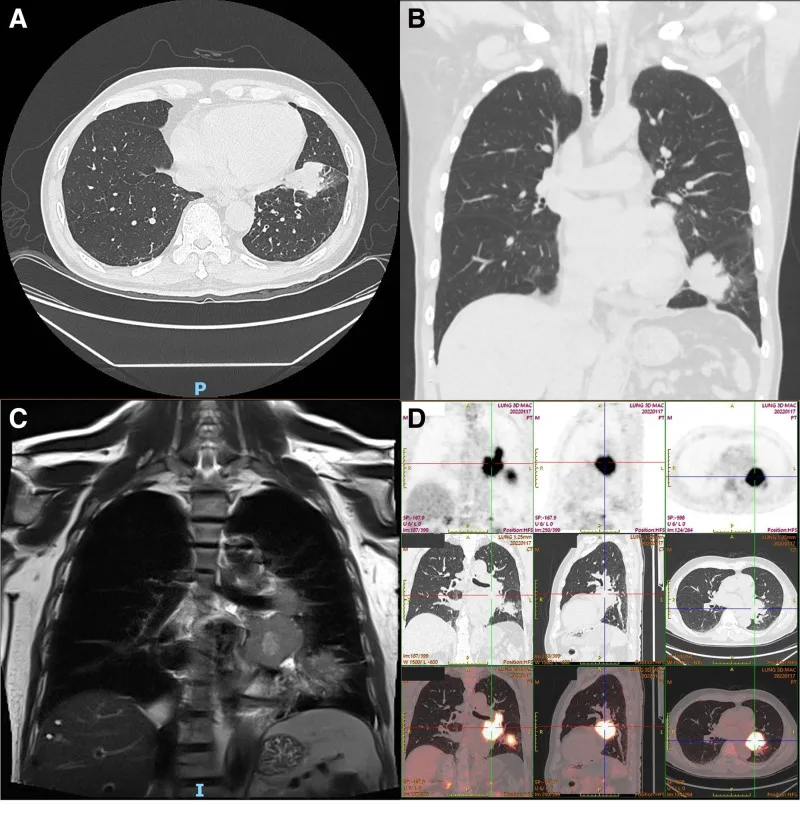
Stage 4 SMARCA4-deficient lung cancer: ongoing treatment response

Patient Info: Anonymized, Male, 50s | Stage IV

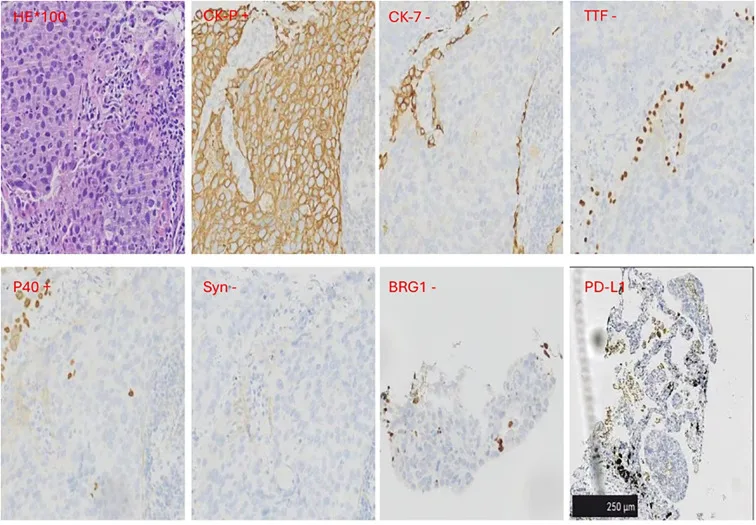
Biomarkers: SMARCA4-deficient lung cancer with BRG-1 loss, CK/CK7 positive, Ki-67 >40%. CEA

Metastatic Site: sigmoid colon, left adrenal gland

After colon metastasis surgery, continued radiotherapy, and later gemcitabine/nedaplatin/bevacizumab/camrelizumab for adrenal metastasis, the cancer showed a favorable response with no further recurrence or new metastasis reported.

PubMed Central
OutcomeResponding Well
A patient, who was diagnosed with Stage IV Lung AdenocarcinomaLung Cancer

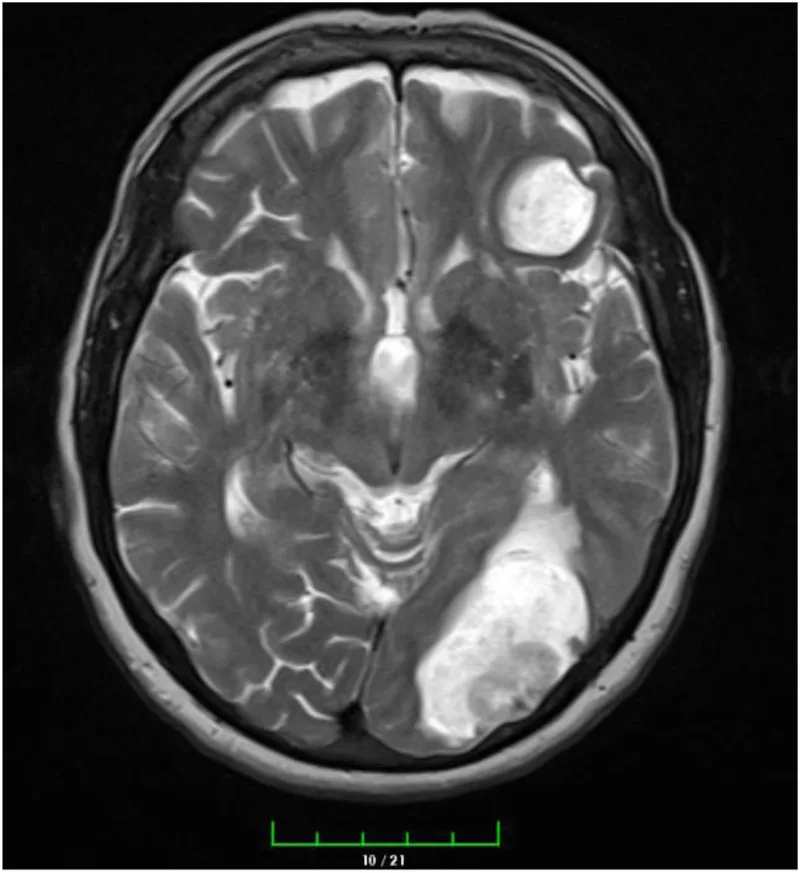
Metastatic lung adenocarcinoma: complete remission on nivolumab complicated by immune-mediated diabetes

Patient Info: Anonymized, Male, 50s | Stage IV

Biomarkers: Lung tumor: EGFR wild type, ALK rearrangement not detected. Immune-mediated diabetes: islet/GAD antibodies negative and C-peptide undetectable.

Metastatic Site: brain (cerebellum and occipital lobe); liver

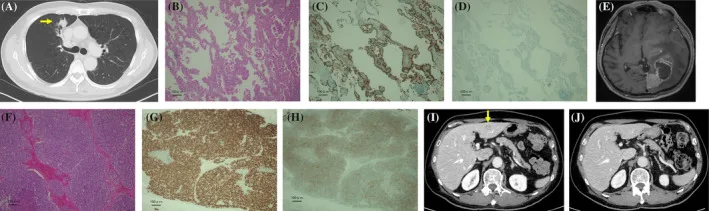
As of March 2025, serial CT and MRI scans through October 2023 showed no evidence of oncologic disease after nivolumab, while immune-mediated diabetes was controlled with basal-bolus insulin.

PubMed Central
OutcomeCancer-Free / NED
Rosemary, who was diagnosed with Stage IV Lung CancerLung Cancer

Stage IV KRAS Lung Cancer: Rosemary's Patient Story

Patient Info: Rosemary Conway, female, 60s | Stage IV

Biomarkers: KRAS mutation

After 14 months on daraxonracib in a clinical trial, Rosemary’s Stage IV lung cancer had stopped growing and she had returned to walking and lifting weights.

Dana-Farber
OutcomeStable Disease
A patient, who was diagnosed with Stage IV Small Cell Lung CancerLung Cancer

EGFR-Mutant Lung Adenocarcinoma That Transformed to Small Cell Lung Cancer

Patient Info: Anonymized, female, 40s | Stage IV

Biomarkers: EGFR exon 19 deletion; acquired EGFR T790M mutation

Metastatic Site: liver

The cancer progressed after transformation to small cell lung cancer, and she died 49 months after the original diagnosis.

PubMed Central
OutcomeIn Memory
A patient, who was diagnosed with Stage IV Small Cell Lung CancerLung Cancer

EGFR-Mutant Lung Adenocarcinoma That Transformed to Small Cell Lung Cancer

Patient Info: Anonymized, female, 40s | Stage IV

Biomarkers: EGFR exon 19 deletion

Metastatic Site: brain, adrenal gland, liver, thyroid

The cancer progressed after small-cell transformation with adrenal, thyroid, liver and brain involvement, and she died 52.7 months after the original diagnosis from disease progression and organ failure.

PubMed Central
OutcomeIn Memory
A patient, who was diagnosed with Stage IV Small Cell Lung CancerLung Cancer

ALK-Fusion Small Cell Lung Cancer Responding to ALK-Targeted Therapy

Patient Info: Anonymized, female, 40s | Stage IV

Biomarkers: EML4-ALK fusion

Metastatic Site: brain

After several earlier treatments stopped controlling the cancer, ALK-targeted iruplinalkib produced a partial response and was still controlling disease after more than 8 months.

PubMed Central
OutcomeResponding Well
Eugenia, who was diagnosed with Stage IV Non-Small Cell Lung CancerLung Cancer

Stage IV Non-Small Cell Lung Cancer: Eugenia's Patient Story

Patient Info: Eugenia Horan, Female, 40s | Stage IV

Eugenia became Stage IV while critically ill in the ICU and was later told hospice might be appropriate, but she started Keytruda on August 29, 2019 and was alive 5 years later. As of February 2025, she described that treatment as the medicine that saved her.

The Patient Story
OutcomeResponding Well
A patient, who was diagnosed with Stage IV Small Cell Lung CancerLung Cancer

Stage IV small cell lung cancer: no abnormality after chemotherapy, radiotherapy, and TCM follow-up

Patient Info: Anonymized, Male, 60s | Stage IV

Metastatic Site: bilateral lungs; left supraclavicular lymph nodes;…

After chemotherapy, radiotherapy, supportive care, and longitudinal TCM follow-up, imaging showed disappearance of the main lung, nodal, and intrapulmonary lesions, with no abnormality found after 4 years of follow-up.

PubMed Central
OutcomeCancer-Free / NED
A patient, who was diagnosed with Stage IV Lung Squamous Cell CarcinomaLung Cancer

Stage IV Squamous Lung Cancer Complicated by an Esophageal-Mediastinal Fistula

Patient Info: Anonymized, male, 70+ | Stage IV

Metastatic Site: brain, bone

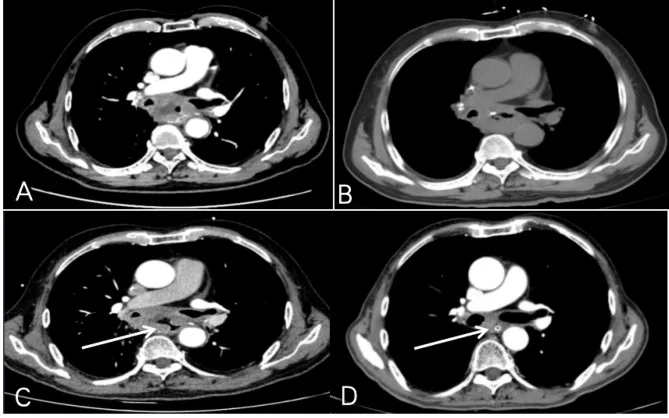
Four months after the fistula was treated conservatively, imaging showed the fistula had resolved and the lung tumor and metastatic hilar nodes had decreased despite no additional antitumor treatment during that interval.

PubMed Central
OutcomeResponding Well
A patient, who was diagnosed with Stage IV Small Cell Lung CancerLung Cancer

Lung Adenocarcinoma That Transformed to Small Cell Cancer After Recurrence

Patient Info: Anonymized, male, 60s | Stage IV

Biomarkers: PD-L1 1%-24%; no druggable driver alteration identified

Metastatic Site: brain, liver

After treatment for the small-cell-transformed recurrence, the liver metastases showed sustained regression and progression-free survival had reached 13 months by September 2024.

PubMed Central
OutcomeResponding Well
A patient, who was diagnosed with Stage IV Lung AdenocarcinomaLung Cancer

EGFR-Mutant Lung Cancer With Pleomorphic Transformation Treated With Local Surgery

Patient Info: Anonymized, female, 60s | Stage IV

Biomarkers: EGFR L858R mutation; PD-L1 less than 1% initially and greater than 75% after transformation

Metastatic Site: brain

Nine months after surgery for isolated progression, no recurrence had been seen and she remained on osimertinib.

PubMed Central
OutcomeResponding Well
A patient, who was diagnosed with Stage IV Lung AdenocarcinomaLung Cancer

ALK-Positive Metastatic Lung Cancer Responding to Lorlatinib During Hemodialysis

Patient Info: Anonymized, female, 70+ | Stage IV

Biomarkers: ALK rearrangement 80%; EGFR and BRAF negative; ROS1 negative; PD-L1 negative

Metastatic Site: brain

After about 1 year of lorlatinib, imaging was almost compatible with a complete response, brain MRI showed no active lesions, and she continued treatment with manageable high cholesterol as the main reported side effect.

PubMed Central
OutcomeResponding Well
Shirley, who was diagnosed with Stage IV Lung AdenocarcinomaLung Cancer

Doctors Assured Me It Wasn’t Cancer!

Patient Info: Shirley, Female, Under 40 | Stage IV

Biomarkers: ALK-rearranged

Metastatic Site: mediastinum, pleura

Shirley was living with Stage IV ALK-positive lung cancer on a phase 2 ALK clinical trial; scans remained stable after 2 scan sets, but the large mass persisted.

The Patient Story
OutcomeLiving With Cancer
A patient, who was diagnosed with Stage IV Small Cell Lung CancerLung Cancer

Small Cell Lung Cancer With Paraneoplastic Cushing Syndrome Treated With Immunochemotherapy

Patient Info: Anonymized, male, 60s | Stage IV

Biomarkers: PD-L1 negative; low tumor mutation burden; microsatellite stable

Metastatic Site: liver, abdominal wall, left ilium

He lived 20 months after diagnosis. After repeated treatment responses and later progression, he died in September 2023 from respiratory and cardiac failure during a severe infection following treatment-related myelosuppression.

PubMed Central
OutcomeIn Memory
Leah, who was diagnosed with Stage IV Lung CancerLung Cancer

Stage IV EGFR Lung Cancer: Leah's Patient Story

Patient Info: Leah Phillips, Female, 40s | Stage IV

Biomarkers: EGFR mutation

Metastatic Site: Not reported

As of December 2024, Leah was recovering well a few weeks after right-middle-lobe lobectomy, but remained a Stage IV EGFR-mutated lung cancer patient needing ongoing treatment and follow-up.

MD Anderson
OutcomeCare Ongoing
A patient, who was diagnosed with Stage IV Lung AdenocarcinomaLung Cancer

Stage IV Lung Adenocarcinoma With Delayed Pembrolizumab-Related Pneumonitis

Patient Info: Anonymized, female, 70+ | Stage IV

Metastatic Site: contralateral lung

After brachytherapy and continued pembrolizumab, imaging 1 year later showed a smaller right hilar lesion with otherwise stable disease. She later recovered from delayed pembrolizumab-related pneumonitis after immunotherapy had been stopped.

PubMed Central
OutcomeStable Disease
Filipe, who was diagnosed with Stage IV Non-Small Cell Lung CancerLung Cancer

Stage IV EGFR Non-Small Cell Lung Cancer: Filipe's Patient Story

Patient Info: Filipe, Male, Under 40 | Stage IV

Biomarkers: EGFR exon 19 deletion

Metastatic Site: brain, bone, left lung, kidney

As of November 2024, Filipe was living with ongoing Stage IV EGFR exon 19-mutated lung cancer after initial response to osimertinib, later progression and current amivantamab plus chemotherapy.

The Patient Story
OutcomeLiving With Cancer
A patient, who was diagnosed with Stage IV Lung AdenocarcinomaLung Cancer

Lung Adenocarcinoma With Immune-Related Abdominal Inflammation and Later Bone Progression

Patient Info: Anonymized, male | Stage IV

Biomarkers: PD-L1 30%; KRAS G13X mutation; EGFR/ALK/ROS1 negative

Metastatic Site: bone

After several periods of response or stability, lymph-node progression recurred and bone progression was documented in July 2024. Another treatment line was being planned.

PubMed Central
OutcomeSetback / Progression
A patient, who was diagnosed with Stage IV Non-Small Cell Lung CancerLung Cancer

Stage 4 ALK-positive lung cancer: remission on lorlatinib

Patient Info: Anonymized, Male, Under 40 | Stage IV

Biomarkers: ALK-positive rearrangement; TTF-1-positive

Metastatic Site: bilateral lungs, mediastinal lymph nodes, bone, liver,…

Metastatic ALK-positive lung adenocarcinoma remained in radiologic and clinical remission on lorlatinib after CNS progression on earlier ALK-directed therapy and stereotactic radiosurgery.

PubMed Central
OutcomeLiving With Cancer
A patient, who was diagnosed with Stage IV Small Cell Lung CancerLung Cancer

Stage 4 small-cell lung cancer: ongoing response to immunotherapy

Patient Info: Anonymized, Male, 50s | Stage IV

Biomarkers: PD-L1-negative

Metastatic Site: liver, bone, brain

Extensive-stage small-cell lung cancer had complete response in the primary lung, liver, bone, and treated brain lesions, with partial response in hilar/mediastinal nodes; after about 20 months of serplulimab-based first-line therapy, the patient had no deterioration, no immunotherapy-related adverse effects, and high quality of life.

PubMed Central
OutcomeResponding Well
Ashley, who was diagnosed with Stage IV Non-Small Cell Lung CancerLung Cancer

Stage IV Non-Small Cell Lung Cancer: Ashley's Survivor Story

Patient Info: Ashley Vasallo, Female, Under 40 | Stage IV

Biomarkers: No actionable driver biomarker identified; rare fusion reported

Metastatic Site: spine, hip/bone, chest cavity

As of October 2024, Ashley reported clear labs and scans after radiation for small chest-cavity and hip lesions, with scans planned every 3 months.

The Patient Story
OutcomeCancer-Free / NED