Pemetrexed for Stage 4 Lung Cancer: 85 Real Stories

85 stories match lung cancer, stage 4 and pemetrexed. 83 of them mention chemotherapy.

A patient, who was diagnosed with Stage IV Non-Small Cell Lung CancerLung Cancer

Stage 4 lung cancer: immunotherapy plus particle therapy halts progression

Patient Info: Anonymized, Male, 70+ | Stage IV

Biomarkers: PD-L1 90%; high tumor mutational burden; PIK3CA ; TP53 mutation; MET mutation

Metastatic Site: left proximal femur

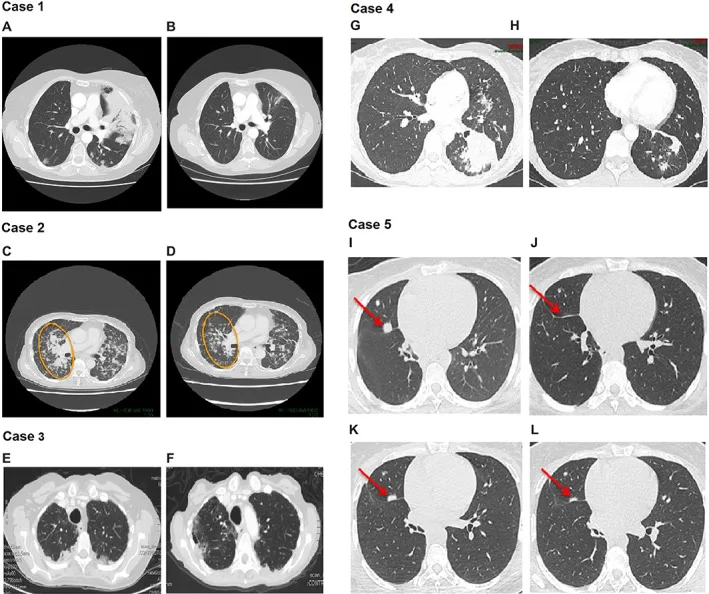
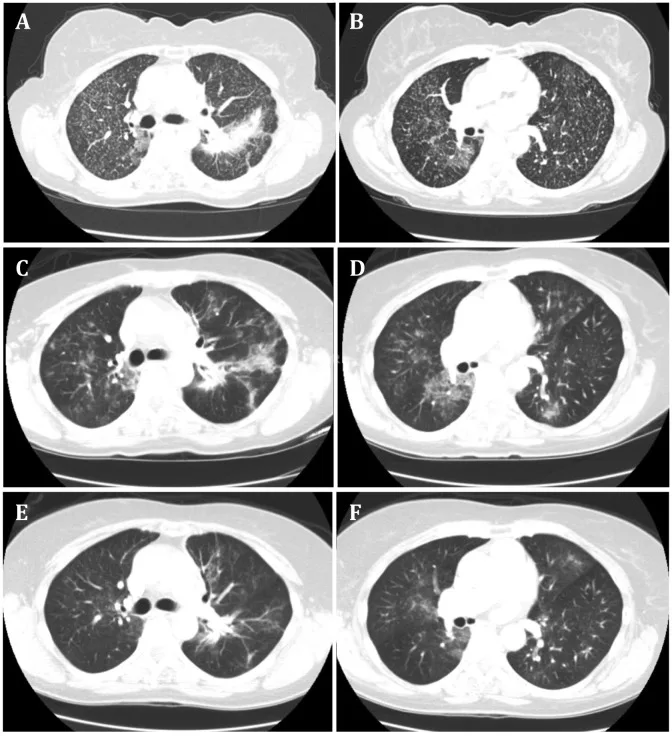
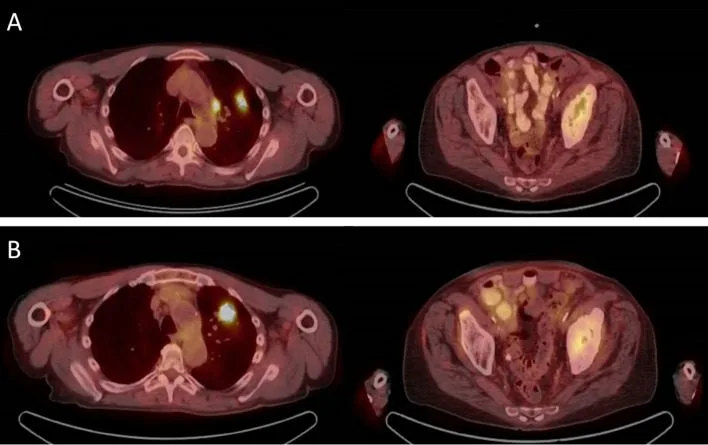
Stage IV oligometastatic NSCLC had good CT response to carboplatin, pemetrexed, and pembrolizumab, then no disease progression 6 months after PULSAR radiotherapy plus pembrolizumab; grade 2 pneumonitis improved with prednisone.

PubMed Central
OutcomeResponding Well
Lenny, who was diagnosed with Stage IV Non-Small Cell Lung CancerLung Cancer

Stage IV Non-Small Cell Lung Cancer: Lenny's Survivor Story

Patient Info: Lenny, Male, 50s | Stage IV

Biomarkers: PD-L1 expression positive

Metastatic Site: right femur; brain/cerebellum

As of July 2024, Lenny described himself as NED/no evidence of disease after surgery, CyberKnife radiation, chemotherapy, and Keytruda-based immunotherapy.

The Patient Story
OutcomeCancer-Free / NED
A patient, who was diagnosed with Stage IV Lung AdenocarcinomaLung Cancer

Stage IVA lung adenocarcinoma with solitary brain metastasis: pCR after brain surgery, chemoradiation, immunotherapy, and lobectomy

Patient Info: Anonymized, Male, 70+ | Stage IV

Biomarkers: PD-L1 75%; negative for driver gene mutations and translocations

Metastatic Site: brain

As of May 2024, he had no recurrence after brain metastasis resection and radiation, carboplatin/pemetrexed/atezolizumab, robot-assisted right upper lobectomy with pathologic complete response, and 13 cycles of maintenance atezolizumab.

PubMed Central
OutcomeCancer-Free / NED
A patient, who was diagnosed with Stage IV Lung AdenocarcinomaLung Cancer

Stage 4 lung adenocarcinoma: complete response on immunotherapy combination

Patient Info: Anonymized, Male | Stage IV

Biomarkers: No targetable mutation found. Tissue showed TP53/ARID1A; liquid biopsy added KEAP1, and SMARCA4. PD-L1 not evaluable.

Metastatic Site: bilateral lung nodules, left adrenal gland

As of May 2024, metastatic lung adenocarcinoma had a complete radiologic response lasting more than 14 months on pembrolizumab maintenance, and a new PET-avid lung nodule was benign inflammation rather than cancer.

PubMed Central
OutcomeCancer-Free / NED
A patient, who was diagnosed with Stage IV Lung AdenocarcinomaLung Cancer

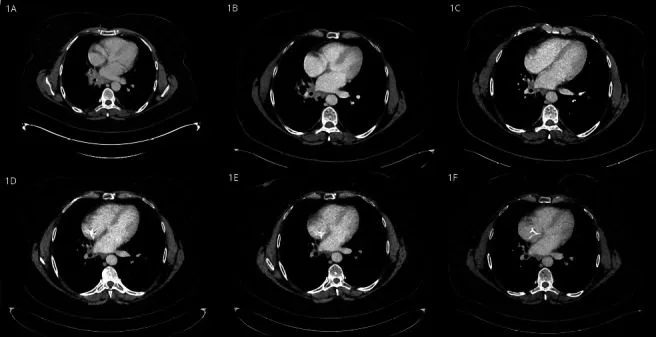
Stage IV lung adenocarcinoma with brain metastases and an aortic blood clot

Patient Info: Anonymized, female, 60s | Stage IV

Biomarkers: KRAS ; EIF1AZ mutation; PD-L1 30%

Metastatic Site: brain

She remained in active care after whole-brain radiation, with systemic chemo-immunotherapy planned for Stage IV lung adenocarcinoma.

PubMed Central
OutcomeCare Ongoing
A patient, who was diagnosed with Stage IV Lung AdenocarcinomaLung Cancer

Stage IV BRAF-mutated lung adenocarcinoma responding to second-line chemo-immunotherapy

Patient Info: Anonymized, female, Under 40 | Stage IV

Biomarkers: BRAF exon 15 p.T599dup; PD-L1 5%

Metastatic Site: pleura, pericardium

After progression on BRAF/MEK-targeted therapy, second-line chemo-immunotherapy produced a partial response that was still ongoing after about 1 year of second-line treatment.

PubMed Central
OutcomeResponding Well
A patient, who was diagnosed with Stage IV Lung AdenocarcinomaLung Cancer

Stage IV enteric-type lung adenocarcinoma with EGFR mutations and MSI-high disease

Patient Info: Anonymized, male, 60s | Stage IV

Biomarkers: EGFR exon 19 deletion; acquired EGFR T790M; MSI-high; high tumor mutation burden; MLH1 mutation; pMMR; PD-L1-negative

Metastatic Site: lung, pleura

The cancer progressed through multiple targeted, chemotherapy, and immunotherapy regimens. He died about 30 months after the initial diagnosis.

PubMed Central
OutcomeIn Memory
A patient, who was diagnosed with Stage IV Lung AdenocarcinomaLung Cancer

Rare lung cancer first discovered as a mass in the skull

Patient Info: Anonymized, Male | Stage IV

Biomarkers: KRAS ; CK7-positive; CDX2-positive; pathology favoured pulmonary enteric adenocarcinoma

Metastatic Site: skull base / sphenoid sinus; right posterior acetabulum

He received palliative radiation and prolonged systemic therapy, completing 35 cycles including 31 maintenance cycles of pemetrexed and pembrolizumab.

PubMed Central
OutcomeNot reported
A patient, who was diagnosed with Stage IV Non-Small Cell Lung CancerLung Cancer

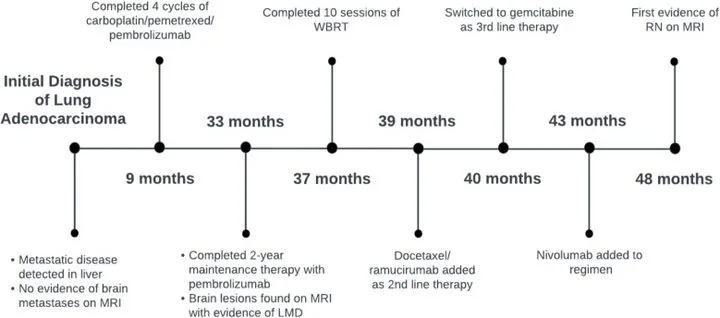
Brain radiation therapy complication (radionecrosis) potentially linked to combined chemo-immunotherapy

Patient Info: Anonymized, Female | Stage IV

Biomarkers: PD-L1 0%; tumour mutational burden 33 mutations/Mb; TP53 mutation at diagnosis; later ctDNA included KEAP1 and NOTCH3 alterations

Metastatic Site: brain; presumed leptomeningeal disease

She recovered completely from surgery for radiation necrosis, resumed cancer treatment and remained neurologically intact at 18 months. She was found deceased 9 months later; the cause of death was unknown.

PubMed Central
OutcomeIn Memory
A patient, who was diagnosed with Stage IV Lung AdenocarcinomaLung Cancer

BRCA2-Mutated Metastatic Lung Adenocarcinoma Controlled for 30 Months With Olaparib

Patient Info: Anonymized, female, 60s | Stage IV

Biomarkers: PD-L1-negative; BRCA2 mutation; ATM mutation; EGFR-negative; ALK-negative

Metastatic Site: brain

Olaparib provided about 30 months of disease control, and PET imaging remained overall stable when a separate new breast primary was found in February 2023.

PubMed Central
OutcomeStable Disease
A patient, who was diagnosed with Stage IV Lung AdenocarcinomaLung Cancer

MET-mutated lung cancer: testing savolitinib before surgery

Patient Info: Anonymized, Male, 60s | Stage IV

Biomarkers: MET exon 14 skipping, TP53 and BRAF mutations; PD-L1 expression 5%

Metastatic Site: pleura; mediastinal lymph node

Savolitinib produced a partial radiological response, but surgery confirmed persistent pleural and mediastinal nodal metastases with ypStage IVA disease. He recovered and continued adjuvant savolitinib.

PubMed Central
OutcomeIn Treatment
A patient, who was diagnosed with Stage IV Non-Small Cell Lung CancerLung Cancer

HER2-positive metastatic lung cancer treated with trastuzumab deruxtecan (Enhertu)

Patient Info: Anonymized, Female | Stage IV

Biomarkers: ERBB2/HER2 copy-number gain of at least 20 copies; TP53 C242fs; CDK12 copy-number gain; tumour mutational burden 3.2 mutations/Mb

Metastatic Site: lungs / multiple pulmonary nodules

Trastuzumab deruxtecan reduced the pulmonary nodules by more than 50% at 3 months and produced a documented response lasting 13.8 months.

PubMed Central
OutcomeResponding Well
A patient, who was diagnosed with Stage IV Non-Small Cell Lung CancerLung Cancer

Stage IV Lung Cancer Reached Remission After Severe Nerve Damage and Neck Surgery

Patient Info: Anonymized, Female | Stage IV

Metastatic Site: left cervical lymph nodes

Considered in complete remission after cervical lymph-node surgery, with no clinical or radiological progression 24 months after systemic treatment; alive and back at work 3 years after diagnosis.

PubMed Central
OutcomeCancer-Free / NED
A patient, who was diagnosed with Stage IV Non-Small Cell Lung CancerLung Cancer

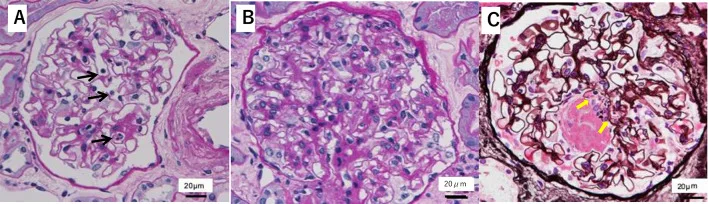
Long-term erlotinib treatment alongside worsening kidney vasculitis

Patient Info: Anonymized, Male, 70+ | Stage IV

Metastatic Site: bone

Bone metastases showed osteosclerotic change after erlotinib began, and the drug continued because he was benefiting from treatment despite worsening renal vasculitis.

PubMed Central
OutcomeResponding Well
AP
Lung Cancer

A painful scalp metastasis from sarcomatoid lung cancer

Patient Info: Anonymized, Female, 50s | Stage IV

Biomarkers: No targetable mutations identified; CAM5.2-positive; p63-positive; CD10-positive; vimentin-positive.

Metastatic Site: chest wall and rib; liver; right gluteal region; scalp…

Her disease progressed with a further liver lesion and additional metastatic complications, and systemic treatment was stopped because of severe immune-related toxicity and the absence of targetable mutations.

PubMed Central
OutcomeSetback / Progression
A patient, who was diagnosed with Stage IV Lung AdenocarcinomaLung Cancer

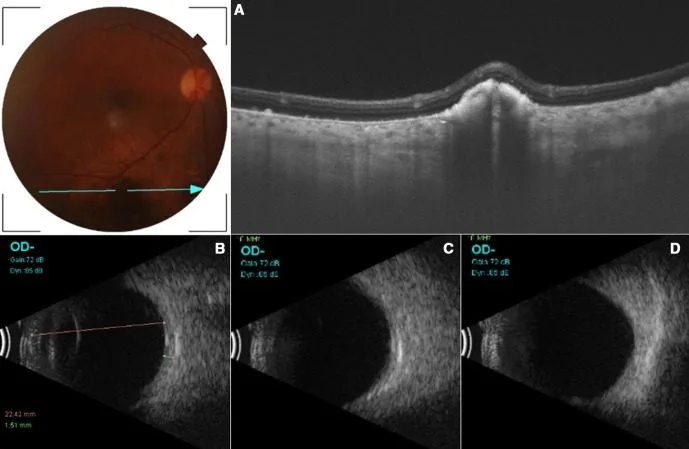
A regressed choroidal metastasis during EGFR-targeted lung cancer treatment

Patient Info: Anonymized, Female, 40s | Stage IV

Biomarkers: EGFR exon 19 deletion.

Metastatic Site: liver; bone; central nervous system; right choroid

The right choroidal metastasis appeared inactive and regressed during systemic treatment, visual acuity remained 20/20, and no local eye treatment was required.

PubMed Central
OutcomeResponding Well
A patient, who was diagnosed with Stage IV Lung AdenocarcinomaLung Cancer

Stage IV Mucinous Lung Cancer Treated With Afatinib and Surgery

Patient Info: Anonymized, Female, 40s | Stage IV

Biomarkers: CD74-NRG1 fusion; ALK/ROS1/EGFR/BRAF/KRAS/MET/HER2 wild type; PD-L1 initially not expressed and later 0%-20%

Metastatic Site: bilateral lungs|bone|right adrenal gland

She was alive and receiving treatment after bone and right-adrenal progression at the latest follow-up.

PubMed Central
OutcomeCare Ongoing
A patient, who was diagnosed with Stage IV Non-Small Cell Lung CancerLung Cancer

Metastatic Lung Cancer Responded Completely After a Change in Immunotherapy

Patient Info: Anonymized, Male, 70+ | Stage IV

Biomarkers: TTF-1-positive; napsin-positive; PD-L1 0%; high tumour mutational burden; no actionable mutations

Metastatic Site: bone (left iliac bone, acetabulum and thoracic…

After progression on nivolumab, atezolizumab produced a complete response by the 6-month scan; after 35 cycles, the response remained sustained, he was alive and well, and no immune-related adverse effects were documented.

PubMed Central
OutcomeResponding Well
A patient, who was diagnosed with Stage IV Lung AdenocarcinomaLung Cancer

Osimertinib rechallenge after severe pneumonitis in Stage IV lung cancer

Patient Info: Anonymized, Female, 50s | Stage IV

Biomarkers: EGFR exon 19 deletion; acquired EGFR T790M mutation

Metastatic Site: pleura, liver, bone, leptomeninges

She initially regained a significant response after osimertinib rechallenge without recurrent pneumonitis, but developed progressive leptomeningeal disease after 11 months.

PubMed Central
OutcomeSetback / Progression