Stage 4 Lung Cancer: 435 Real Stories

435 stories match lung cancer and stage 4. 243 of them mention chemotherapy.

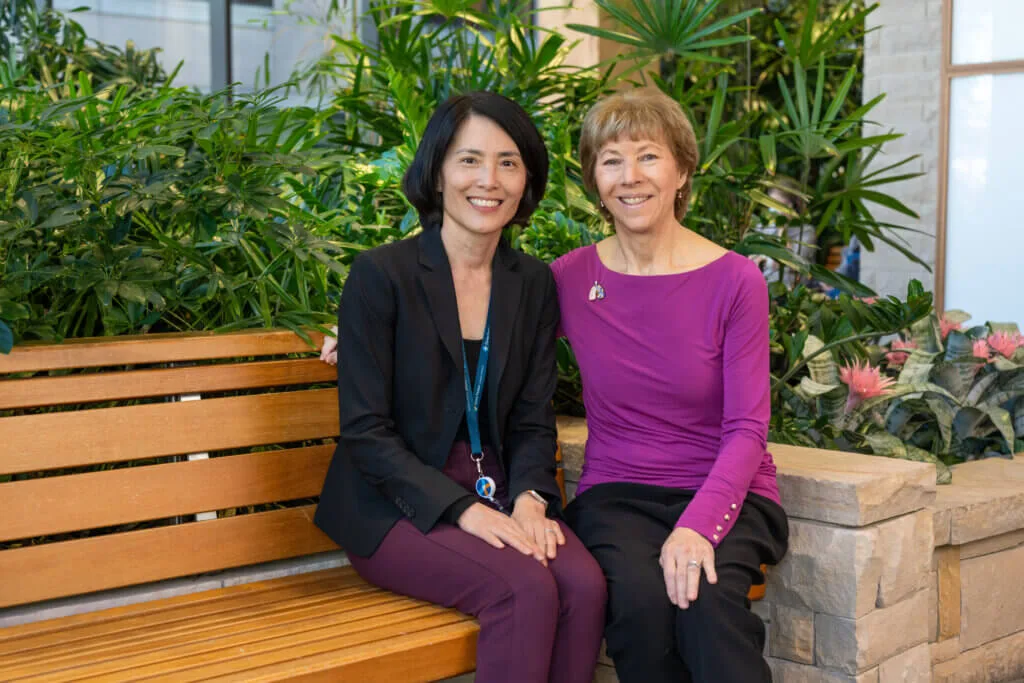
Rosemary, who was diagnosed with Stage IV Lung CancerLung Cancer

Stage IV KRAS Lung Cancer: Rosemary's Patient Story

Patient Info: Rosemary Conway, female, 60s | Stage IV

Biomarkers: KRAS mutation

After 14 months on daraxonracib in a clinical trial, Rosemary’s Stage IV lung cancer had stopped growing and she had returned to walking and lifting weights.

Dana-Farber
OutcomeStable Disease
A patient, who was diagnosed with Stage IV Non-Small Cell Lung CancerLung Cancer

EML4-ALK lung cancer: complete remission on alectinib for 4 years

Patient Info: Anonymized, Female, 60s | Stage IV

Biomarkers: EML4-ALK fusion

Metastatic Site: brain

Alectinib produced complete remission for nearly 4 years; after grade 3 colitis/ulcers, she switched to ceritinib and maintained stable tumor control without recurrent intestinal ulcers or colitis.

PubMed Central
OutcomeResponding Well
A patient, who was diagnosed with Stage IV Small Cell Lung CancerLung Cancer

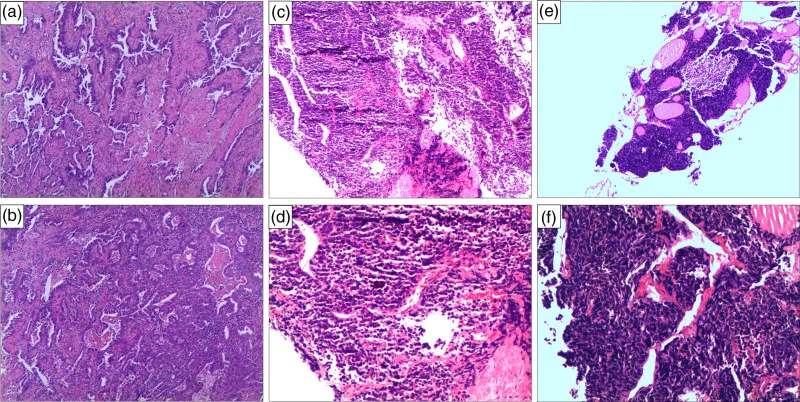
EGFR-Mutant Lung Adenocarcinoma That Transformed to Small Cell Lung Cancer

Patient Info: Anonymized, female, 40s | Stage IV

Biomarkers: EGFR exon 19 deletion

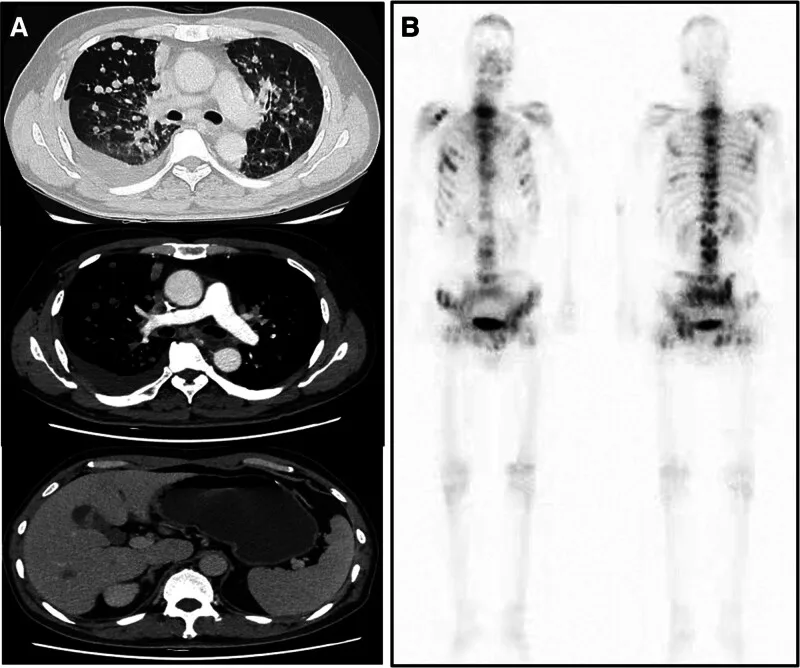
Metastatic Site: brain, adrenal gland, liver, thyroid

The cancer progressed after small-cell transformation with adrenal, thyroid, liver and brain involvement, and she died 52.7 months after the original diagnosis from disease progression and organ failure.

PubMed Central
OutcomeIn Memory
Jeff, who was diagnosed with Stage IV Non-Small Cell Lung CancerLung Cancer

Stage IV EGFR Non-Small Cell Lung Cancer: Jeff's Patient Story

Patient Info: Jeff, Male, 60s | Stage IV

Biomarkers: EGFR-positive; exon 19 mentioned

Metastatic Site: brain; bones — ribs, femur/hip, clavicle

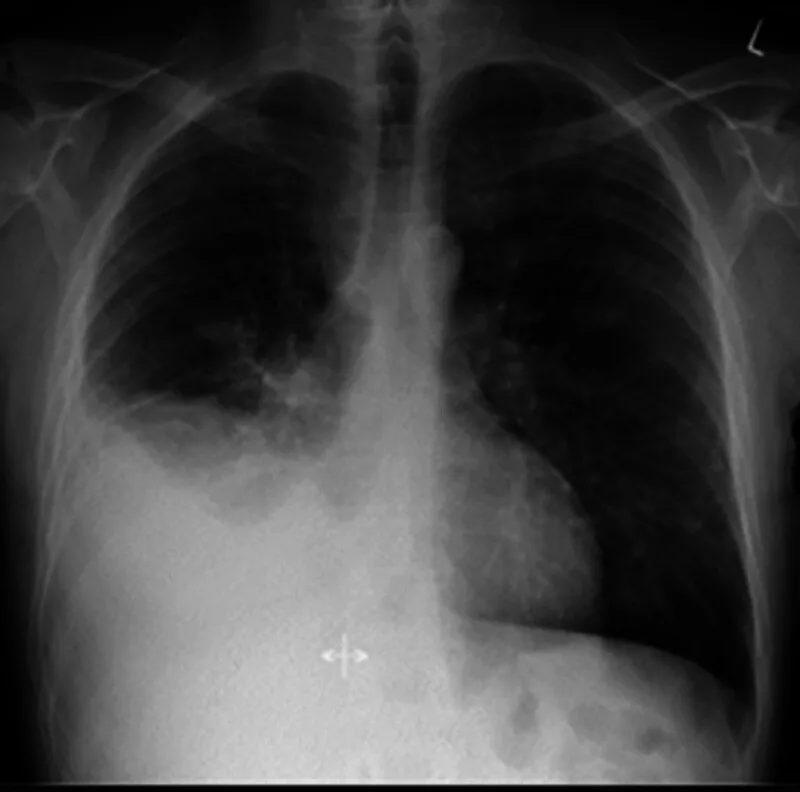
Jeff has Stage IV EGFR-positive non-small cell lung cancer with brain and bone metastases. Biomarker testing changed the plan from radiation/chemotherapy toward Tagrisso targeted therapy. As of March 2025, he was living with metastatic lung cancer and emphasizing hope and self-advocacy.

The Patient Story
OutcomeLiving With Cancer
A patient, who was diagnosed with Stage IV Small Cell Lung CancerLung Cancer

EGFR-Mutant Lung Adenocarcinoma That Transformed to Small Cell Lung Cancer

Patient Info: Anonymized, female, 40s | Stage IV

Biomarkers: EGFR exon 19 deletion; acquired EGFR T790M mutation

Metastatic Site: liver

The cancer progressed after transformation to small cell lung cancer, and she died 49 months after the original diagnosis.

PubMed Central
OutcomeIn Memory
A patient, who was diagnosed with Stage IV Non-Small Cell Lung CancerLung Cancer

HER2 exon 20 metastatic lung adenocarcinoma with pathologic complete response after chemoimmunotherapy and surgery

Patient Info: Anonymized, Female, 40s | Stage IV

Biomarkers: HER2 exon 20 insertion lung adenocarcinoma with TP53 mutation, PD-L1 TPS 50%, and low TMB.

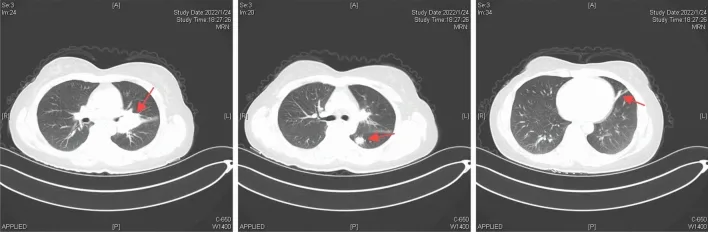
Metastatic Site: contralateral lung

Right lower lobectomy with radical lymphadenectomy in November 2023 showed pathologic complete response, and no additional therapy was offered after surgery.

PubMed Central
OutcomeCancer-Free / NED
A patient, who was diagnosed with Stage IV Lung AdenocarcinomaLung Cancer

Stage 4 lung cancer: managing pembrolizumab-induced myasthenia gravis

Patient Info: Anonymized, Female, 70+ | Stage IV

Biomarkers: Anti-acetylcholine receptor antibody elevated; TSH elevated during immune-related adverse event workup; cancer biomarkers not reported

At 9 months after the immune-related myasthenia gravis presentation, lung cancer remained in complete response while she continued low-dose prednisolone, pyridostigmine, levothyroxine, and nighttime NIV.

PubMed Central
OutcomeCancer-Free / NED
A patient, who was diagnosed with Stage IV Lung AdenocarcinomaLung Cancer

Stage 4 lung adenocarcinoma with RET fusion responding to pralsetinib

Patient Info: Anonymized, Male, 60s | Stage IV

Biomarkers: RET fusion

Metastatic Site: pleura

As of March 2025, he had recovered from grade 3 Pneumocystis jirovecii pneumonia, restarted pralsetinib, and had no progressive disease or recurrence of adverse events over 13 months.

PubMed Central
OutcomeResponding Well
Sydney, who was diagnosed with Stage IV Lung CancerLung Cancer

Stage IV ALK Lung Cancer: Sydney's Patient Story

Patient Info: Sydney Barned, Female, Under 40 | Stage IV

Biomarkers: ALK-rearranged

Metastatic Site: brain

Living with Stage IV ALK-positive lung cancer. She had about 5.5 years of disease control on her first targeted therapy, then developed 3 brain metastases in September 2022 and switched to another targeted therapy. As of February 2025, she was working full-time and continuing treatment.

The Patient Story
OutcomeLiving With Cancer
A patient, who was diagnosed with Stage IV Non-Small Cell Lung CancerLung Cancer

Stage 4 RET-rearranged lung cancer: complete pathologic response to pralsetinib

Patient Info: Anonymized, Female, 60s | Stage IV

Biomarkers: KIF5B-RET rearrangement; TP53 missense mutation; PD-L1-negative; CK7-positive; TTF-1-positive; Ki-67 70%

Metastatic Site: pleura, mediastinal lymph nodes, hilar lymph nodes

After pralsetinib response and surgery, pathology showed no residual viable tumor in the lung primary, pleural nodules, or sampled lymph nodes; she continued adjuvant pralsetinib.

PubMed Central
OutcomeCancer-Free / NED
A patient, who was diagnosed with Stage IV Small Cell Lung CancerLung Cancer

Stage 4 small cell lung cancer with paraneoplastic neurological syndrome

Patient Info: Anonymized, Female, 60s | Stage IV

Biomarkers: Paraneoplastic antibody panel positive for anti-Hu, anti-AMPH, anti-Ri

Metastatic Site: left axillary lymph nodes

Over 2 years of follow-up, CT showed stable complete response, tumor markers stayed normal, no new metastases appeared, and neurological symptoms did not worsen.

PubMed Central
OutcomeCancer-Free / NED
A patient, who was diagnosed with Stage IV Lung AdenocarcinomaLung Cancer

Fatal Multiorgan Failure After Pembrolizumab-Based Treatment for Metastatic Lung Cancer

Patient Info: Anonymized, female | Stage IV

She died less than 12 hours after hospital presentation with rapidly progressive multiorgan failure one week after the first pembrolizumab-based treatment cycle; immune-related toxicity was strongly suspected, although the rapid decline limited full evaluation.

PubMed Central
OutcomeIn Memory
A patient, who was diagnosed with Stage IV Lung AdenocarcinomaLung Cancer

Lung Adenocarcinoma With Rare Skin Metastasis to the Neck

Patient Info: Anonymized, male, 50s | Stage IV

Metastatic Site: neck skin

The lung cancer later spread to the neck skin, and he died during the following year after stopping further treatment.

PubMed Central
OutcomeIn Memory
A patient, who was diagnosed with Stage IV Non-Small Cell Lung CancerLung Cancer

Advanced Non-Small Cell Lung Cancer With ERBB2 and TP53 Mutations

Patient Info: Anonymized, male, 50s | Stage IV

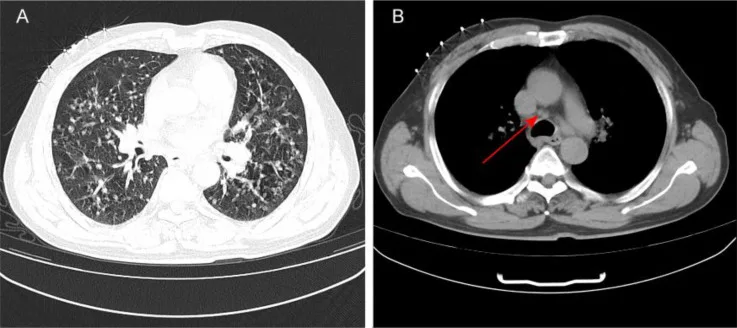
Biomarkers: ERBB2 exon 20 Y772-A775dup mutation; TP53 mutation; PD-L1 TPS 0%

Metastatic Site: liver, bone, both lungs

Imaging after treatment showed stable disease, and he remained in good condition while continuing maintenance pemetrexed and bevacizumab.

PubMed Central
OutcomeStable Disease
A patient, who was diagnosed with Stage IV Small Cell Lung CancerLung Cancer

ALK-Fusion Small Cell Lung Cancer Responding to ALK-Targeted Therapy

Patient Info: Anonymized, female, 40s | Stage IV

Biomarkers: EML4-ALK fusion

Metastatic Site: brain

After several earlier treatments stopped controlling the cancer, ALK-targeted iruplinalkib produced a partial response and was still controlling disease after more than 8 months.

PubMed Central
OutcomeResponding Well
Eugenia, who was diagnosed with Stage IV Non-Small Cell Lung CancerLung Cancer

Stage IV Non-Small Cell Lung Cancer: Eugenia's Patient Story

Patient Info: Eugenia Horan, Female, 40s | Stage IV

Eugenia became Stage IV while critically ill in the ICU and was later told hospice might be appropriate, but she started Keytruda on August 29, 2019 and was alive 5 years later. As of February 2025, she described that treatment as the medicine that saved her.

The Patient Story
OutcomeResponding Well
A patient, who was diagnosed with Stage IV Lung AdenocarcinomaLung Cancer

Metastatic Lung Adenocarcinoma With a Serious Immune-Therapy Pituitary Complication

Patient Info: Anonymized, male, 60s | Stage IV

Biomarkers: No detected EGFR, ALK, ROS1, RET, MET or HER2 alterations

Metastatic Site: brain, meninges, skull, bone, pituitary

The cancer had progressed to extensive brain, skull and bone involvement after several treatments. Steroid treatment improved the severe thirst, high urine output and other symptoms from immune-related hypophysitis.

PubMed Central
OutcomeSetback / Progression
A patient, who was diagnosed with Stage IV Small Cell Lung CancerLung Cancer

Stage IV small cell lung cancer: no abnormality after chemotherapy, radiotherapy, and TCM follow-up

Patient Info: Anonymized, Male, 60s | Stage IV

Metastatic Site: bilateral lungs; left supraclavicular lymph nodes;…

After chemotherapy, radiotherapy, supportive care, and longitudinal TCM follow-up, imaging showed disappearance of the main lung, nodal, and intrapulmonary lesions, with no abnormality found after 4 years of follow-up.

PubMed Central
OutcomeCancer-Free / NED
A patient, who was diagnosed with Stage IV Lung Squamous Cell CarcinomaLung Cancer

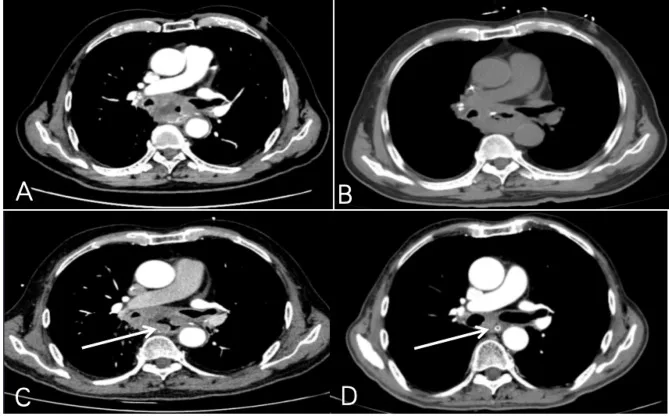
Stage IV Squamous Lung Cancer Complicated by an Esophageal-Mediastinal Fistula

Patient Info: Anonymized, male, 70+ | Stage IV

Metastatic Site: brain, bone

Four months after the fistula was treated conservatively, imaging showed the fistula had resolved and the lung tumor and metastatic hilar nodes had decreased despite no additional antitumor treatment during that interval.

PubMed Central
OutcomeResponding Well
A patient, who was diagnosed with Stage IV Small Cell Lung CancerLung Cancer

Small Cell Lung Cancer With Rapidly Progressive Paraneoplastic Neuropathy

Patient Info: Anonymized, male, 50s | Stage IV

Metastatic Site: adrenal glands

Despite a partial tumor response, severe ascending motor and sensory neuropathy progressed to respiratory compromise. He chose supportive care and died 3 weeks after the neurologic symptoms began.

PubMed Central
OutcomeIn Memory