Immunotherapy for Stage 4 Lung Cancer: 146 Real Stories

146 stories match lung cancer, stage 4 and immunotherapy. 119 of them mention chemotherapy.

Joanne, who was diagnosed with Stage IV Lung CancerLung Cancer

Stage IV Lung Cancer: Joanne's Patient Story

Patient Info: Joanne Sabol, Female, 60s | Stage IV

Metastatic Site: abdomen

More than 2 years after starting pembrolizumab for recurrent Stage IV lung cancer, Joanne had an 81% tumor reduction and continued to feel well while remaining on treatment.

Memorial Sloan Kettering
OutcomeResponding Well
Michael, who was diagnosed with Stage IV Lung CancerLung Cancer

Stage IV Lung Cancer: Michael's Patient Story

Patient Info: Michael O’Donnell, Male | Stage IV

More than 5 years after a Stage IV diagnosis, Michael remained on immunotherapy with disease controlled to his and his doctor’s satisfaction and scans every 3 months to watch for growth.

LUNGevity
OutcomeResponding Well
Mary, who was diagnosed with Stage IV Lung CancerLung Cancer

Stage IV Lung Cancer: Mary's Patient Story

Patient Info: Mary Lynn Moser, Female | Stage IV

Metastatic Site: brain

Mary Lynn wrote this message before her death after nearly 10 years with lung cancer and more than 5 years with brain metastases, while receiving aggressive immunotherapy and chemotherapy.

LUNGevity
OutcomeIn Memory
SI
Lung Cancer

Stage IV Small Cell Lung Cancer: Sylvane's Patient Story

Patient Info: Sylvane, Female, 70+ | Stage IV

Metastatic Site: Bone; adrenal glands

After 3 chemotherapy cycles for Stage IV SCLC, Sylvane’s lung tumor had shrunk by half and bone and adrenal metastases had completely regressed, with a final chemo-immunotherapy cycle and then immunotherapy planned.

Cancer et Métabolisme
OutcomeResponding Well
AL
Lung Cancer

Aggressive lung cancer with bone metastases and concurrent localized breast cancer

Patient Info: Anonymized, Female | Stage IV

Metastatic Site: Bone: skull, spine, clavicle

The patient was still receiving carboplatin and Taxol for aggressive lung cancer with bone metastases, while her caregiver reported rapid clinical improvement, pain relief, disappearance of a visible forehead metastasis, and 1 cm reduction in a concurrent localized breast tumor.

Cancer et Métabolisme
OutcomeResponding Well
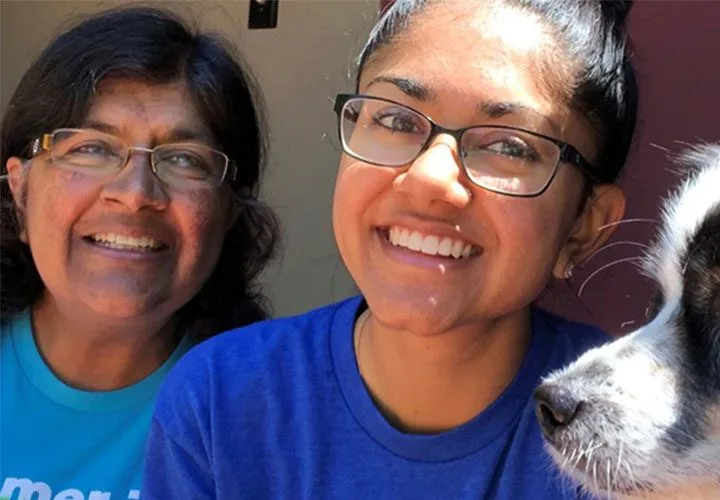
Usha, who was diagnosed with Stage IV Non-Small Cell Lung CancerLung Cancer

Stage IV Non-Small Cell Lung Cancer: Usha's Patient Story

Patient Info: Usha Jain, Female | Stage IV

Biomarkers: Tumor genetic profile available for navigation review, but specific results are not reported

Stage IV NSCLC after nearly 2 years of chemotherapy and immunotherapy, followed by watchful monitoring with routine scans; clinical trials were reviewed but not pursued.

GO2 Foundation
OutcomeCare Ongoing
Amy, who was diagnosed with Stage IV Non-Small Cell Lung CancerLung Cancer

Stage IV Non-Small Cell Lung Cancer: Amy's Patient Story

Patient Info: Amy, Female | Stage IV

Metastatic Site: Neck lymph node; bones — hips, femurs, foot; adrenal…

Living 5 years after Stage IV squamous NSCLC diagnosis, after Keytruda did not work and treatment included bone radiation, SBRT to the lung nodule, and adrenal cryoablation.

Lung Cancer Research Foundation
OutcomeLiving With Cancer
Rhonda, who was diagnosed with Stage IV Non-Small Cell Lung CancerLung Cancer

Stage IV EGFR Non-Small Cell Lung Cancer: Rhonda's Patient Story

Patient Info: Rhonda Martin, Female | Stage IV

Biomarkers: EGFR-positive mutation

Metastatic Site: Brain; spine; hip bone; lymph nodes; cerebrospinal…

Rhonda Martin passed away on January 9, 2023 from complications of Stage IV EGFR-positive lung cancer, nearly 5 years after diagnosis in March 2018.

Lung Cancer Research Foundation
OutcomeIn Memory
A patient, who was diagnosed with Stage IV Lung AdenocarcinomaLung Cancer

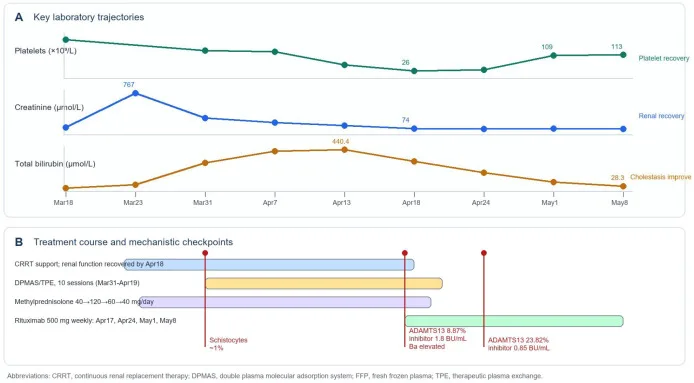
Severe blood-clotting disorder, liver injury, and reversible kidney injury during treatment for Stage IV lung cancer

Patient Info: Anonymized, Male, 60s | Stage IV

Biomarkers: PD-L1 about 1%; KRAS mutation

Metastatic Site: bone (right 4th and 5th ribs)

Restaging before cycle 4 showed a partial response. Cancer treatment was then interrupted as severe acquired iTTP, cholestatic liver injury, and reversible acute kidney injury required intensive management.

PubMed Central
OutcomeCare Ongoing
A patient, who was diagnosed with Stage IV Lung AdenocarcinomaLung Cancer

Long-term lung cancer control after immunotherapy-related diabetes

Patient Info: Anonymized, Male, 70+ | Stage IV

Biomarkers: PD-L1 80%; EGFR, ALK, ROS1 and BRAF negative

Metastatic Site: brain|liver

After years of disease control off pembrolizumab, a new brain lesion appeared in December 2025 and was treated with focused radiation. He remained clinically stable under oncology follow-up.

PubMed Central
OutcomeLiving With Cancer
A patient, who was diagnosed with Stage IV Non-Small Cell Lung CancerLung Cancer

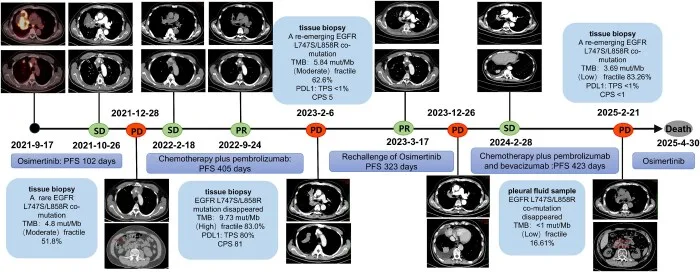
Stage IVA EGFR-mutant lung adenocarcinoma: clonal evolution, chemoimmunotherapy response, osimertinib rechallenge, and death after progression

Patient Info: Anonymized, Male, 60s | Stage IV

Biomarkers: Markers changed over time: started with EGFR L747S/L858R; later MET-amplified, PD-L1 TPS 80%, high TMB clone; later EGFR reappeared.

Metastatic Site: pleura, peritoneal nodule, retroperitoneal lymph nodes

The patient died on 30 April 2025 after progression through multiple lines and infection related to treatment-associated myelosuppression.

PubMed Central
OutcomeIn Memory
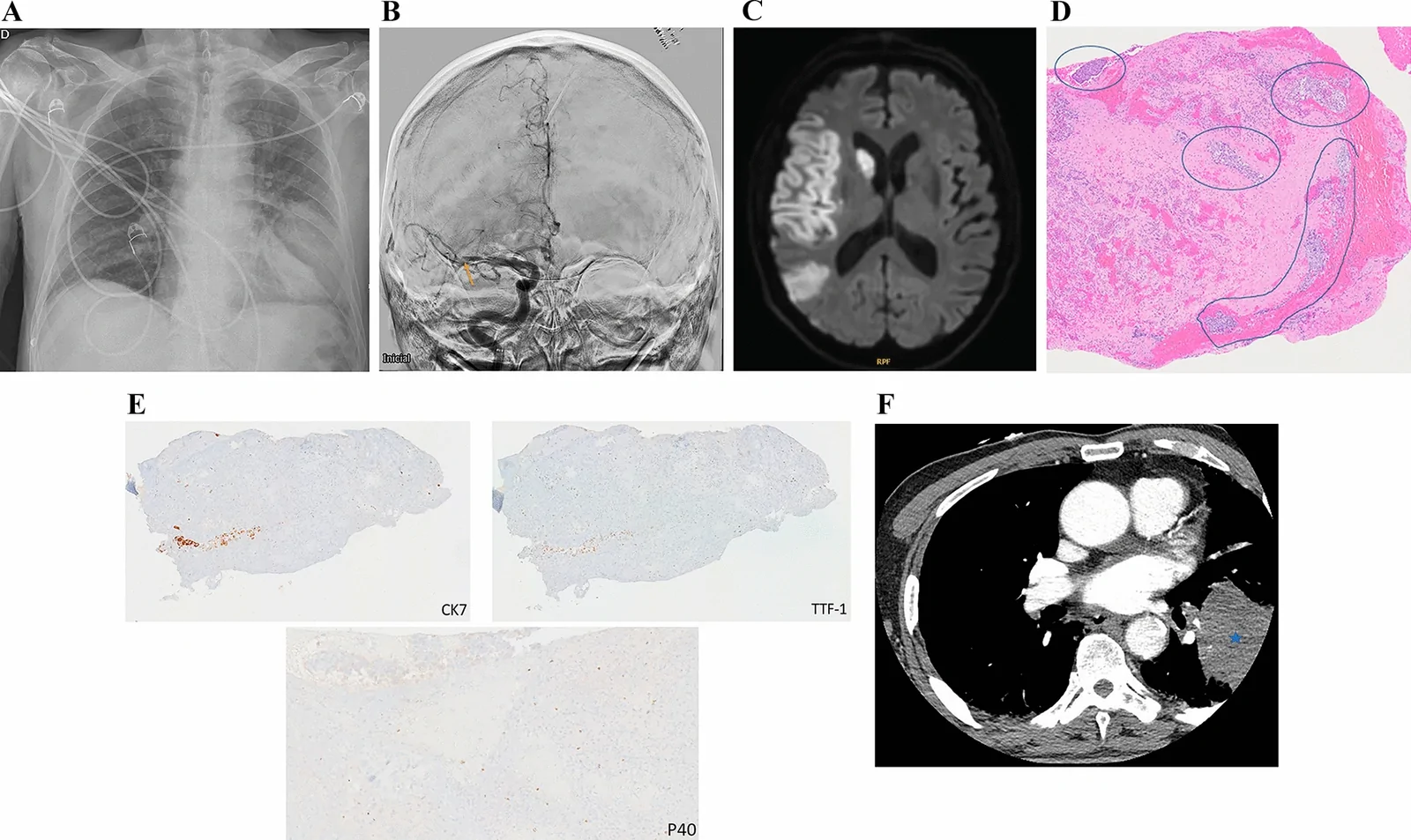
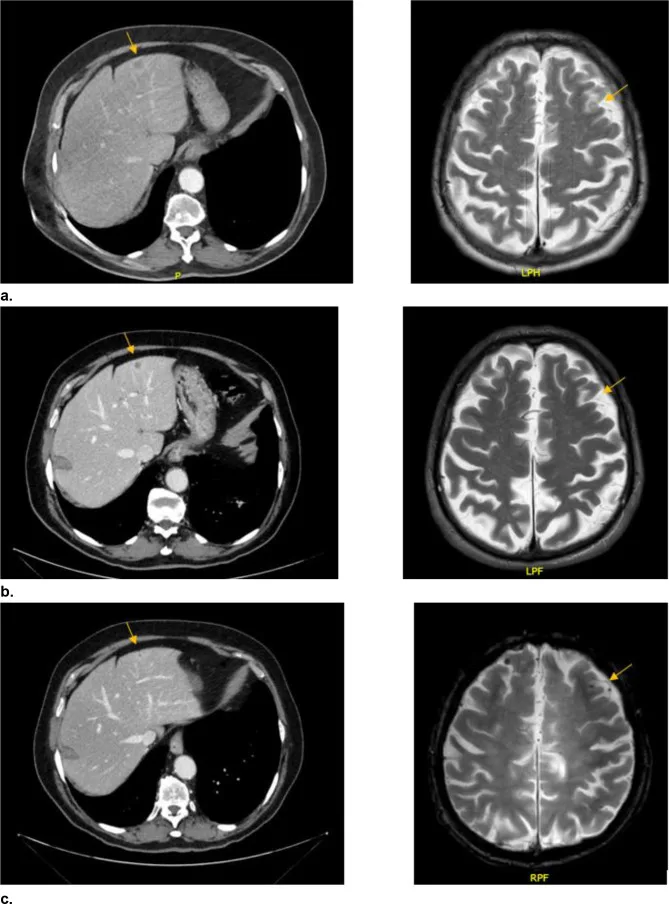
A patient, who was diagnosed with Stage IV Lung AdenocarcinomaLung Cancer

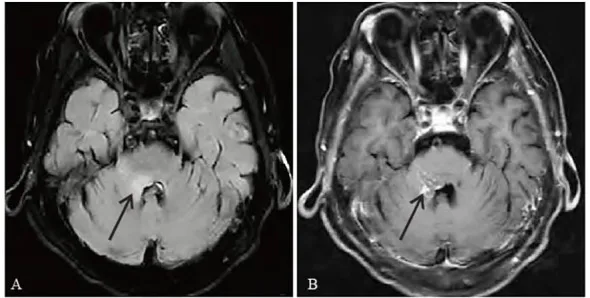
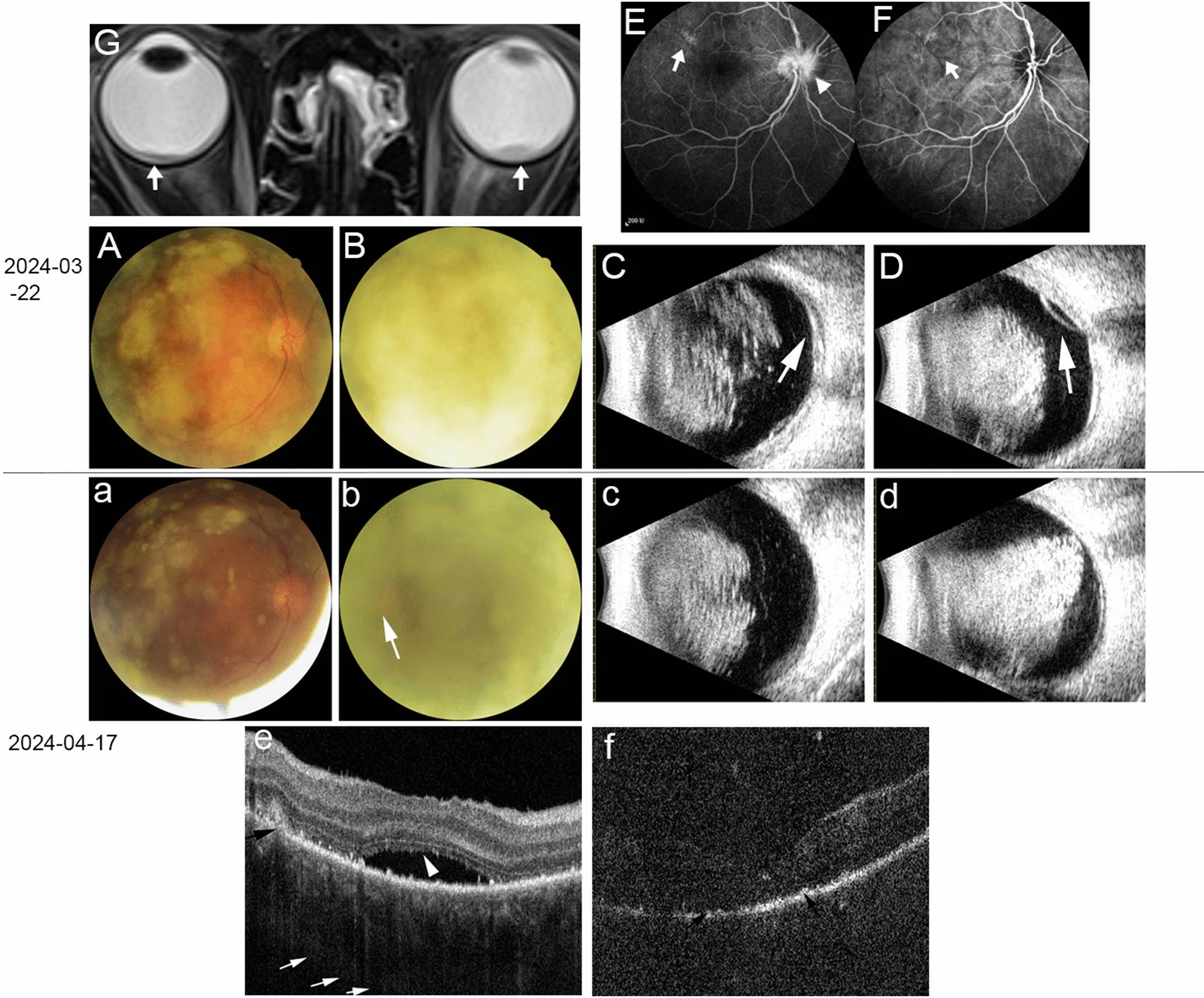
Stage IV PD-L1-high lung adenocarcinoma: remission on chemotherapy after tislelizumab-associated KLHL11-IgG cerebellitis

Patient Info: Anonymized, Male, 50s | Stage IV

Biomarkers: PD-L1-high lung adenocarcinoma with EGFR/ALK/ROS1 wild type and TTF-1 positive. KLHL11-IgG was linked to cerebellitis.

Metastatic Site: M1a disease; specific metastatic site not otherwise…

At 1-year neurologic follow-up, the cerebellitis had markedly improved, serum KLHL11-IgG was negative, brain MRI lesions had resolved, and lung adenocarcinoma remained in remission on cisplatin plus pemetrexed.

PubMed Central
OutcomeResponding Well
A patient, who was diagnosed with Stage IV Lung Squamous Cell CarcinomaLung Cancer

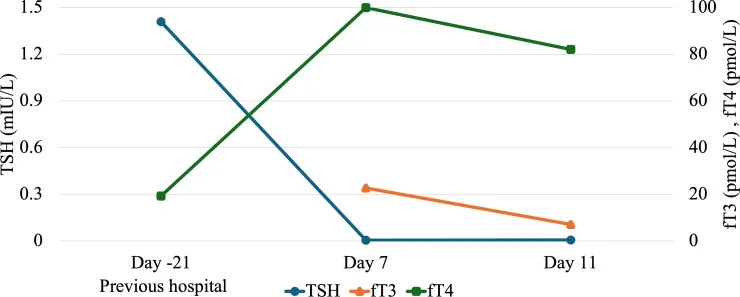
Stage IVA lung squamous cell carcinoma with immune-checkpoint-inhibitor-associated Graves thyroid storm

Patient Info: Anonymized, Male | Stage IV

Biomarkers: Cancer biomarkers not reported. Thyroid storm workup had TSAb/TRAb positivity consistent with Graves disease.

Metastatic Site: not specified in extracted case text

After thyroid storm improved with antithyroid therapy and supportive care, the patient was transferred for further lung-cancer treatment but died of progressive lung cancer about 2 months later.

PubMed Central
OutcomeIn Memory
A patient, who was diagnosed with Stage IV Non-Small Cell Lung CancerLung Cancer

Stage IV squamous NSCLC: durable pembrolizumab response followed by invasive aspergillosis, marrow failure, and death

Patient Info: Anonymized, Male, 50s | Stage IV

Biomarkers: PD-L1 20%

Metastatic Site: bilateral lungs

After durable partial response to pembrolizumab-based therapy, he developed severe pulmonary infection, invasive pulmonary aspergillosis, progressive AA-like bone marrow failure with severe cytopenias, declined further treatment, and died at home in early 2025.

PubMed Central
OutcomeIn Memory
A patient, who was diagnosed with Stage IV Lung Squamous Cell CarcinomaLung Cancer

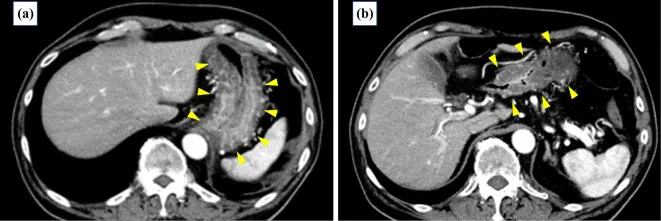
Stage IV squamous lung cancer with steroid-refractory immune-related gastritis after pembrolizumab

Patient Info: Anonymized, Male, 70+ | Stage IV

Biomarkers: Gastric biopsy during immune gastritis showed CD8-positive lymphocyte inflammation, no cancer

After about 2 years of carboplatin, pemetrexed, and pembrolizumab, lung cancer treatment was stopped because of tumor growth; the later immune-related gastritis improved after escalation to infliximab, while the cancer course remained a setback/progression story.

PubMed Central
OutcomeSetback / Progression
A patient, who was diagnosed with Stage IV Lung Squamous Cell CarcinomaLung Cancer

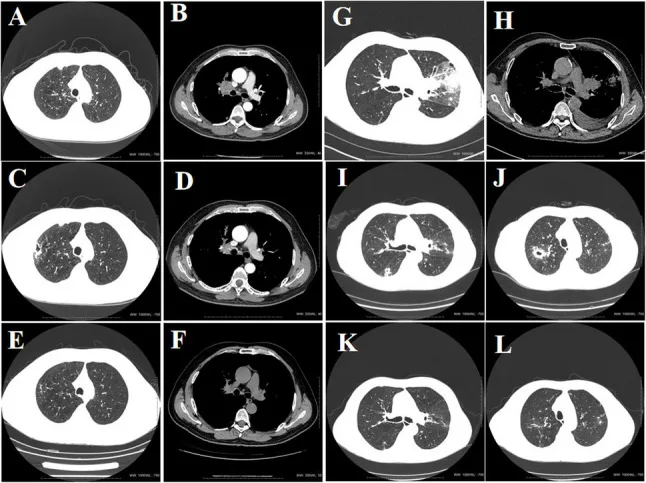
Stage IV lung cancer response followed by immune-related lung inflammation

Patient Info: Anonymized, Male, 70+ | Stage IV

Biomarkers: EGFR-negative; ALK-negative; ROS1-negative

Metastatic Site: pleura

After the lung inflammation improved, he did not resume tumor-directed chemotherapy, immunotherapy, or radiation and remained generally well.

PubMed Central
OutcomeLiving With Cancer
Clara, who was diagnosed with Stage IV Non-Small Cell Lung CancerLung Cancer

Stage IV ALK Non-Small Cell Lung Cancer: Clara's Patient Story

Patient Info: Clara, Female, Under 40 | Stage IV

Biomarkers: ALK-positive / ALK-rearranged after repeat Tempus testing

Metastatic Site: Pelvis; spleen

As of February 2026, ALK-targeted therapy had improved Clara’s symptoms enough that she no longer needed a walker or cane, and upcoming scans would determine whether pelvic tumor surgery remained an option.

The Patient Story
OutcomeResponding Well
A patient, who was diagnosed with Stage IV Lung AdenocarcinomaLung Cancer

Stage IVB lung adenocarcinoma with severe immune-related complications

Patient Info: Anonymized, Male, 70+ | Stage IV

Biomarkers: PD-L1 TPS 20%; BRAF mutation

Metastatic Site: left supraclavicular fossa, left axilla, right hilum,…

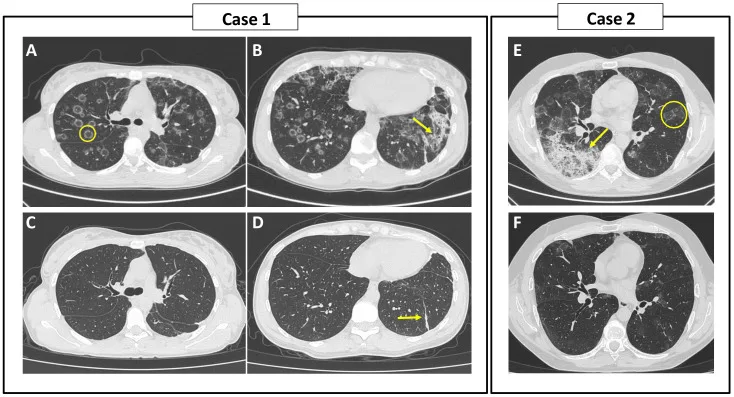
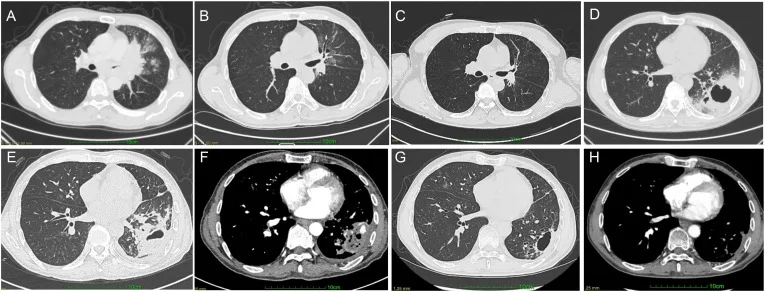
The patient had an initial partial response to ipilimumab/nivolumab but developed severe immune-related pneumonitis, thrombocytopenia, and aplastic anemia. Cytopenias recovered with eltrombopag, but lung cancer later relapsed with carcinomatous meningitis, and he died 20 months after diagnosis.

PubMed Central
OutcomeIn Memory
Jennifer, who was diagnosed with Stage IV Small Cell Lung CancerLung Cancer

Stage IV Small Cell Lung Cancer: Jennifer's Survivor Story

Patient Info: Jennifer Robertson, Female, 40s | Stage IV

Metastatic Site: Collar bones; shoulder blades; femur; pancreas;…

As of February 2026, Jennifer had shown no evidence of disease since August 2025 after tarlatamab-dlle and whole-brain radiation, while continuing tarlatamab infusions every other Monday and scans every 3 months.

MD Anderson
OutcomeCancer-Free / NED
A patient, who was diagnosed with Stage IV Lung AdenocarcinomaLung Cancer

BRAF-mutant stage IV lung adenocarcinoma complicated by immunotherapy-induced diabetes

Patient Info: Anonymized, Female, 60s | Stage IV

Biomarkers: BRAF mutation; GADA-positive during immune-related diabetes evaluation

Metastatic Site: left lower lung, pleural

The patient had Stage IV BRAF V600E-mutant lung adenocarcinoma treated with targeted therapy and later tislelizumab. Immunotherapy was suspended after hypoadrenocorticism and diabetic ketosis; she required ongoing insulin therapy, with persistently low C-peptide at 6-month follow-up.

PubMed Central
OutcomeCare Ongoing