Stage 4 Lung Cancer: 435 Real Stories

435 stories match lung cancer and stage 4. 243 of them mention chemotherapy.

A patient, who was diagnosed with Stage IV Lung AdenocarcinomaLung Cancer

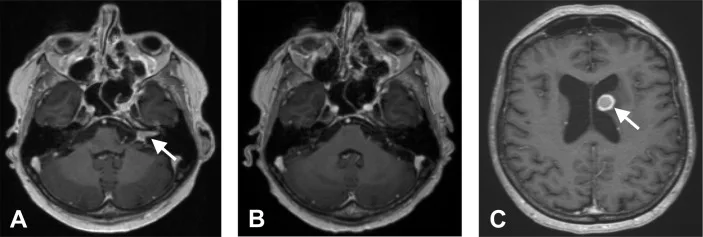
Metastatic lung adenocarcinoma causing sudden hearing loss and vertigo

Patient Info: Anonymized, Female, 60s | Stage IV

Metastatic Site: bone|liver|brain|internal auditory meatus

About 10 months after the metastatic diagnosis, she developed new left-sided deafness, vertigo and facial weakness associated with metastatic involvement of the internal auditory meatus.

PubMed Central
OutcomeSetback / Progression
A patient, who was diagnosed with Stage IV Non-Small Cell Lung CancerLung Cancer

Finding Happiness Despite Stage IV Lung Cancer

Patient Info: Anonymized, 50s | Stage IV

More than a year after diagnosis, she remained in treatment for Stage IV lung cancer, with some therapies losing effectiveness as the cancer developed resistance.

Dana-Farber
OutcomeLiving With Cancer
A patient, who was diagnosed with Stage IV Lung CancerLung Cancer

Stage IV ERBB2-Mutated Lung Cancer With Extensive Bone Metastases

Patient Info: Anonymized, female, 60s | Stage IV

Biomarkers: ERBB2 exon 20 insertion. A PIK3CA mutation was later detected at progression and considered a possible resistance mechanism.

Metastatic Site: bone

After progression on pemetrexed following several earlier treatment lines, she transitioned to hospice care.

PubMed Central
OutcomeSetback / Progression
A patient, who was diagnosed with Stage IV Lung AdenocarcinomaLung Cancer

Stage IV ERBB2-Mutated Lung Adenocarcinoma With Brain Metastases and Multiple Targeted Therapies

Patient Info: Anonymized, female, Under 40 | Stage IV

Biomarkers: ERBB2 exon 20 insertion, exact sequence not specified. ERBB2 copy-number gain was identified during progression on afatinib.

Metastatic Site: brain, adrenal gland, liver

The final documented afatinib plus bevacizumab rechallenge produced a mixed response followed by liver progression after 3 months.

PubMed Central
OutcomeSetback / Progression
A patient, who was diagnosed with Stage IV Lung AdenocarcinomaLung Cancer

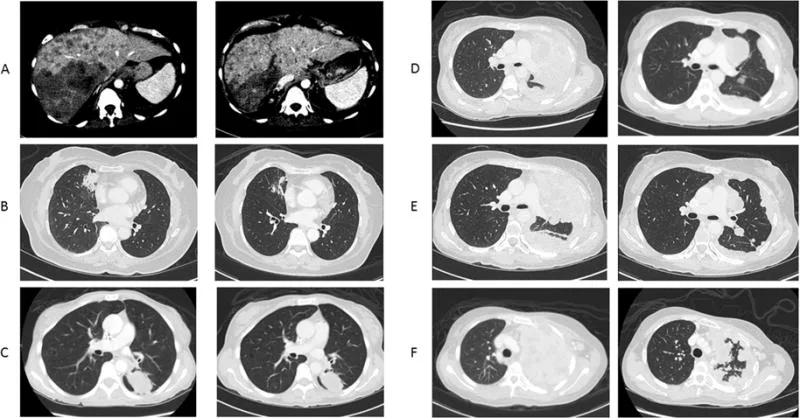
Lung Cancer Immunotherapy Caused New Type 1 Diabetes

Patient Info: Anonymized, Male, 70+ | Stage IV

Biomarkers: No ALK, ROS1, KRAS or EGFR alteration was detected; CK7-positive; TTF-1-negative; PAX-negative; CK20-negative

Metastatic Site: Pleura

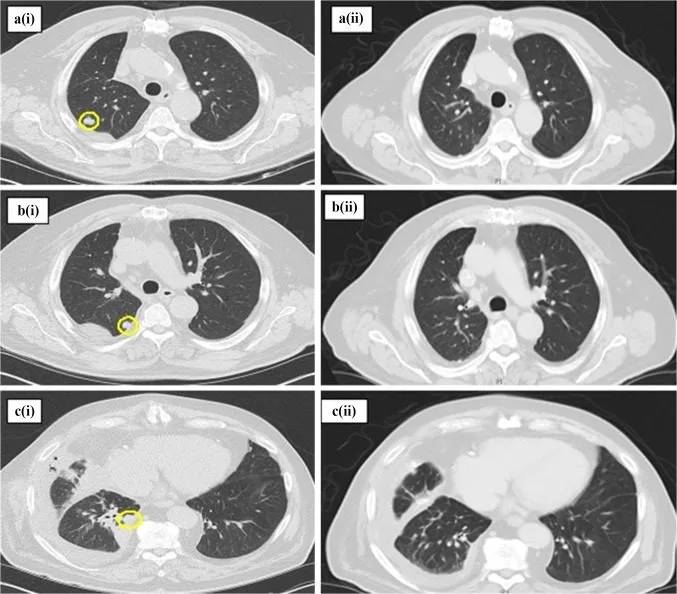
After 4 combination-treatment cycles, the right-lung nodules had decreased markedly and nearly resolved. He continued maintenance pembrolizumab every 3 weeks and remained on insulin with stable glucose control.

PubMed Central
OutcomeLiving With Cancer / Ongoing Therapy
A patient, who was diagnosed with Stage IV Lung CancerLung Cancer

Metastatic lung cancer controlled on AZD9291 clinical trial with tracheal narrowing under review

Patient Info: Anonymized, Male | Stage IV

Metastatic Site: Metastasis mentioned; site not specified in this entry

On 20 November 2016, the patient’s tumor and metastasis appeared controlled on AZD9291 and the disease was not considered progressive, though tracheal narrowing required closer review and earlier follow-up.

Noxte (Blog Cáncer de Pulmón)
OutcomeCare Ongoing
Bill, who was diagnosed with Stage IV Lung CancerLung Cancer

Stage IV Lung Cancer: Bill's Patient Story

Patient Info: Bill Smith, Male | Stage IV

Biomarkers: Genomic testing performed; specific result not reported

Metastatic Site: Brain; liver; bone/humerus

As of October 2016, Bill was receiving immunotherapy every 2 weeks, all tumors had shrunk, chemotherapy had stopped and he reported markedly improved quality of life while living with Stage IV lung cancer.

Cleveland Clinic
OutcomeResponding Well
A patient, who was diagnosed with Stage IV Lung CancerLung Cancer

Metastatic lung cancer on AZD9291 with a left iliac bone lesion

Patient Info: Anonymized, Male | Stage IV

Metastatic Site: Bone: left iliac bone

On 18 September 2016, the patient was living with lung cancer on AZD9291 after MRI confirmed a solitary left iliac bone lesion suspicious for metastasis, with radiotherapy deferred and the next CT planned for November.

Noxte (Blog Cáncer de Pulmón)
OutcomeLiving With Cancer
A patient, who was diagnosed with Stage IV Lung CancerLung Cancer

Lung cancer on AZD9291 with tumor shrinkage and new suspected iliac bone metastasis

Patient Info: Anonymized, Male | Stage IV

Metastatic Site: Bone: left sacroiliac/iliac region

On 28 August 2016, AZD9291 had reduced the lung mass and stabilized nodes, but CT also showed a new suspected left iliac/sacroiliac bone metastasis requiring MRI workup.

Noxte (Blog Cáncer de Pulmón)
OutcomeSetback / Progression
A patient, who was diagnosed with Stage IV Lung AdenocarcinomaLung Cancer

EGFR exon 19 lung adenocarcinoma with bone and brain metastases: brain lesions resolved on gefitinib

Patient Info: Anonymized, Male, 60s | Stage IV

Biomarkers: EGFR exon 19 deletion

Metastatic Site: lumbar spine, pelvic bone, brain (left occipital lobe,…

As of March 2014, asymptomatic brain metastases had regressed after 1 month of gefitinib and were no longer discernible after another 3 months, while lumbar vertebral disease was treated with radiotherapy.

PubMed Central
OutcomeResponding Well
A patient, who was diagnosed with Stage IV Lung Squamous Cell CarcinomaLung Cancer

Stage IIIA squamous lung cancer with later kidney and paraaortic lymph node metastases

Patient Info: Anonymized, Female, 50s | Stage IV

Biomarkers: Squamous lung cancer markers supported the diagnosis; TTF-1, CK7 and CK20 were not seen; Ki-67 >10%.

Metastatic Site: left renal parenchyma, paraaortic lymph nodes

After surgery, 4 cycles of cisplatin plus vinblastine, and mediastinal radiotherapy, she had a 10-month disease-free interval before biopsy-confirmed metastatic squamous lung carcinoma appeared in the left kidney with paraaortic lymph node enlargement.

PubMed Central
OutcomeSetback / Progression
A patient, who was diagnosed with Stage IV Lung AdenocarcinomaLung Cancer

EGFR L858R-mutant Stage IV lung adenocarcinoma managed after gefitinib-induced lung injury

Patient Info: Anonymized, Male, 40s | Stage IV

Biomarkers: EGFR L858R mutation

Metastatic Site: liver, bone, hilar lymph nodes, mediastinal lymph…

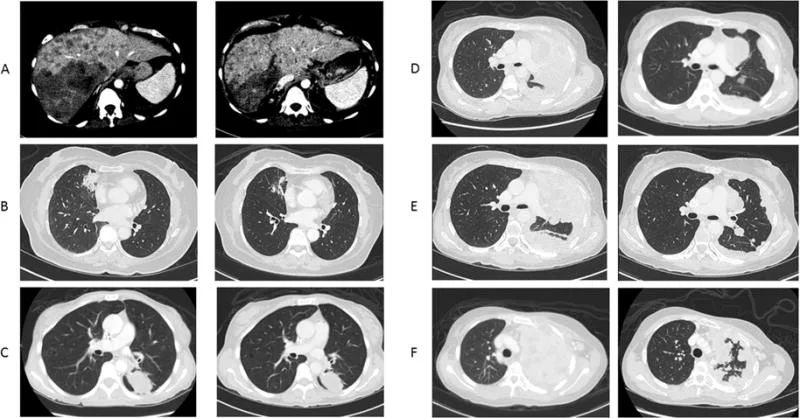
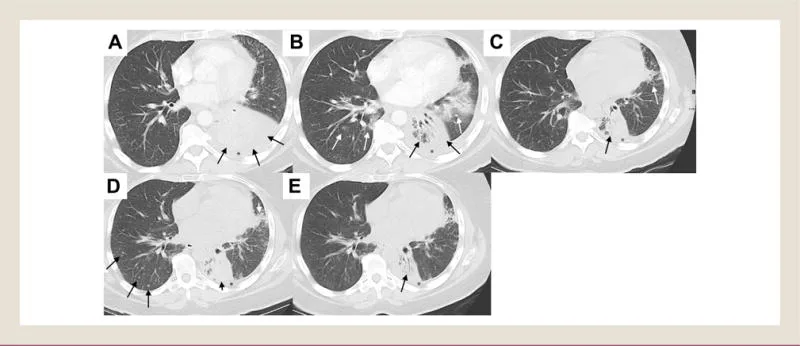
Gefitinib produced early tumor shrinkage but was stopped for interstitial lung disease; subsequent carboplatin, pemetrexed, and bevacizumab produced a good response, while variceal bleeding was controlled with endoscopic treatment.

PubMed Central
OutcomeResponding Well
A patient, who was diagnosed with Stage IV Lung CancerLung Cancer

Stage IV EBV-positive lymphoepithelioma-like lung cancer with brain metastasis

Patient Info: Anonymized, Female, 50s | Stage IV

Biomarkers: EBV-positive by in-situ hybridization

Metastatic Site: brain, retroperitoneal/posterior mediastinal soft…

Remained well and disease-free 6 months after resection of the retroperitoneal/posterior mediastinal metastasis and 8 years after initial presentation.

PubMed Central
OutcomeCancer-Free / NED
A patient, who was diagnosed with Stage IV Lung CancerLung Cancer

Stage IV large-cell lung cancer with adrenal metastasis: no recurrence after R0 surgery

Patient Info: Anonymized, Male, 60s | Stage IV

Biomarkers: Marker profile supported large-cell lung carcinoma: CK7/CEA/Ber-EP4 positive, with neuroendocrine and prostate markers negative.

Metastatic Site: left adrenal gland

Six months after combined lung and adrenal surgery with R0 resection, he had no evidence of recurrence.

PubMed Central
OutcomeCancer-Free / NED
A patient, who was diagnosed with Stage IV Lung AdenocarcinomaLung Cancer

Stage IV lung adenocarcinoma with brain metastasis: partial remission after pemetrexed/cisplatin and AOSD-like paraneoplastic syndrome

Patient Info: Anonymized, Male, 50s | Stage IV

Biomarkers: No tumor molecular biomarkers reported. AOSD-like syndrome had high ferritin, inflammation markers, and RF/ANA negative.

Metastatic Site: brain

As of November 2011, pemetrexed/cisplatin produced partial remission of Stage IV lung adenocarcinoma and controlled the AOSD-like paraneoplastic syndrome without recurrent fever, rash, or arthralgia.

PubMed Central
OutcomeResponding Well