Targeted Therapy for Colorectal Cancer: 75 Real Stories

75 stories match colorectal cancer and targeted therapy. 73 of them mention chemotherapy.

Sydney, who was diagnosed with Stage IV Colorectal CancerColorectal Cancer

Sydney Stoner: Stage IIIB to Stage IV colon cancer with liver and lung involvement

Patient Info: Sydney Stoner, Female, Under 40 | Stage IV

Metastatic Site: Liver; lungs

Progressed from Stage IIIB colon cancer to Stage IV disease involving the liver and lungs; treated with surgery/ileostomy/reversal, FOLFOX/FOLFIRI, lung radiation, liver ablation/resection, capecitabine, and ongoing Lonsurf + Avastin.

Fight Colorectal Cancer
OutcomeSetback / Progression
Helen, who was diagnosed with Stage IV Colorectal CancerColorectal Cancer

Stage IV rectal cancer: no evidence of disease after treatment

Patient Info: Helen D, Female | Stage IV

Metastatic Site: Liver; lymph nodes

Scans showed no evidence of disease after treatment for Stage IV rectal cancer with liver and lymph-node involvement, including chemotherapy, targeted therapy, HAI pump therapy, and liver resection.

Colorectal Cancer Alliance
OutcomeCancer-Free / NED
A patient, who was diagnosed with Stage IV Colorectal AdenocarcinomaColorectal Cancer

Stage IV colon cancer with a lung infection mimicking new metastases

Patient Info: Anonymized, male, 60s | Stage IV

Biomarkers: KRAS wild-type; NRAS wild-type; BRAF wild-type; microsatellite stable; HER2-positive

Metastatic Site: liver

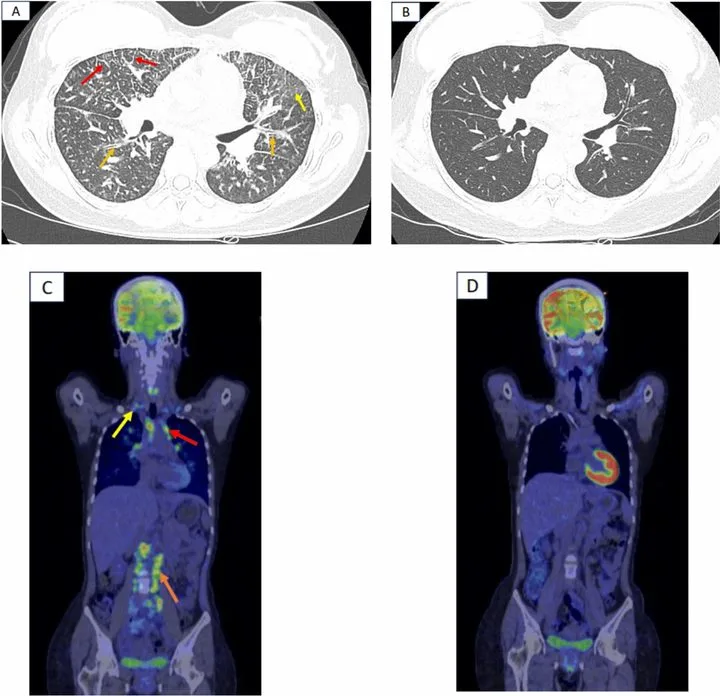
The colon primary and liver metastases achieved a partial response and were later assessed as stable with continued shrinkage. New lung nodules regressed with fluconazole, supporting pulmonary cryptococcosis rather than new cancer spread.

PubMed Central
OutcomeStable Disease
Ken, who was diagnosed with Stage IV Colorectal CancerColorectal Cancer

Stage IV Colorectal Cancer: Ken's Patient Story

Patient Info: Ken, Male, 50s | Stage IV

Metastatic Site: Liver

As of May 2026, Ken was more than 3 years into Stage IV colorectal cancer. He was not cancer-free or NED, but described the disease as minimal and manageable with surveillance, maintenance chemotherapy/targeted therapy, and occasional ablation.

The Patient Story
OutcomeLiving With Cancer
A patient, who was diagnosed with Stage IV Colorectal AdenocarcinomaColorectal Cancer

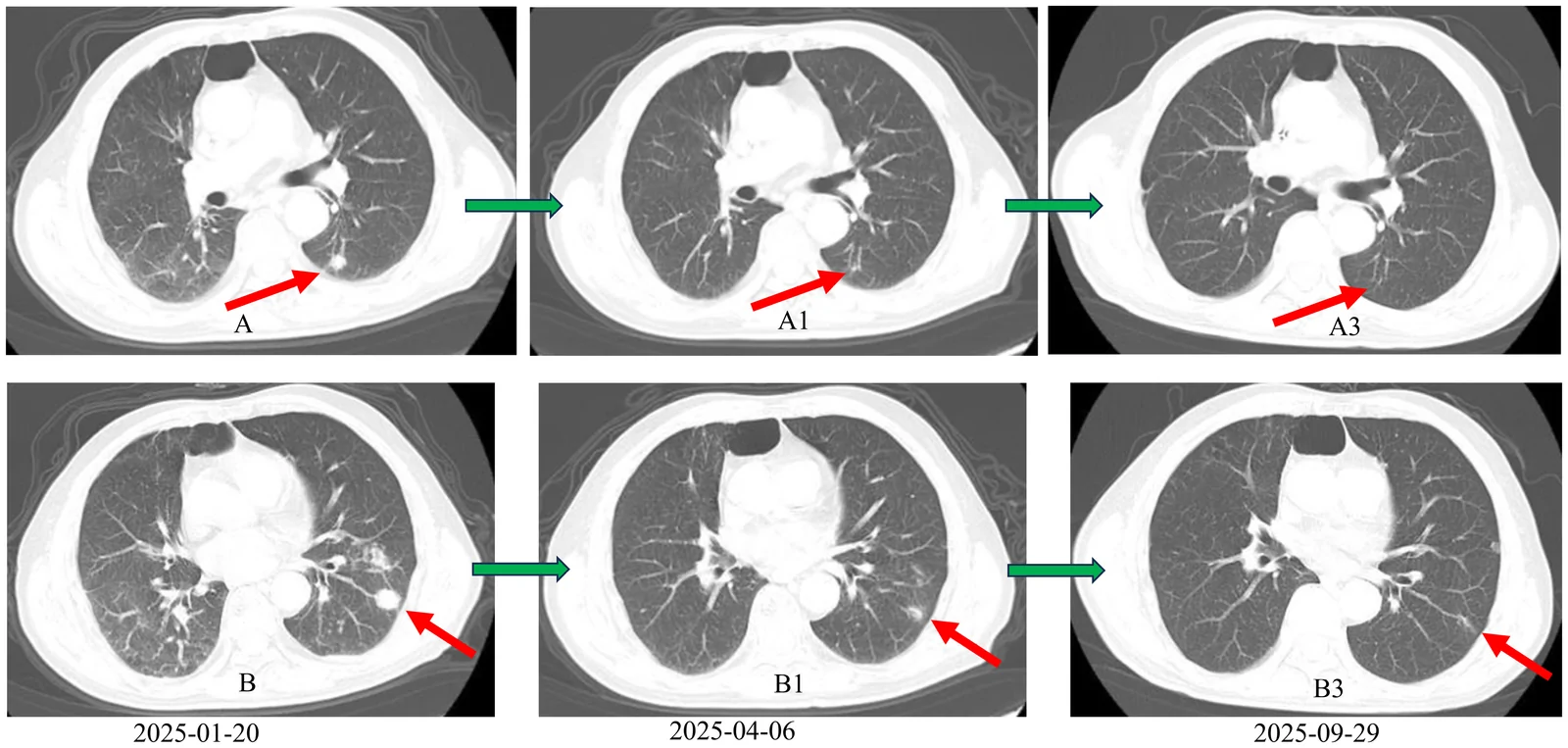
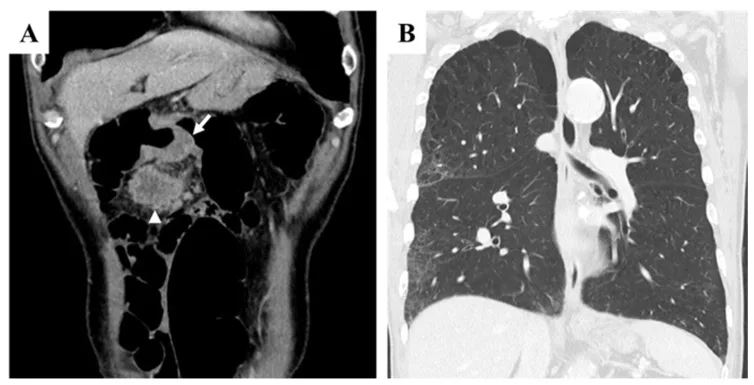
Rectal cancer that spread through the lungs: complete remission after BRAF-targeted therapy

Patient Info: Anonymized, Female, Under 40 | Stage IV

Biomarkers: BRAF mutation; HER2-negative; microsatellite stable; no detectable KRAS or NRAS mutations

Metastatic Site: lungs (pulmonary lymphangitic carcinomatosis);…

After progression with recurrent lung metastases and a new pericardial effusion, she chose hospice care and died in February 2025, 19 months after diagnosis.

PubMed Central
OutcomeIn Memory
A patient, who was diagnosed with Stage IV Colorectal AdenocarcinomaColorectal Cancer

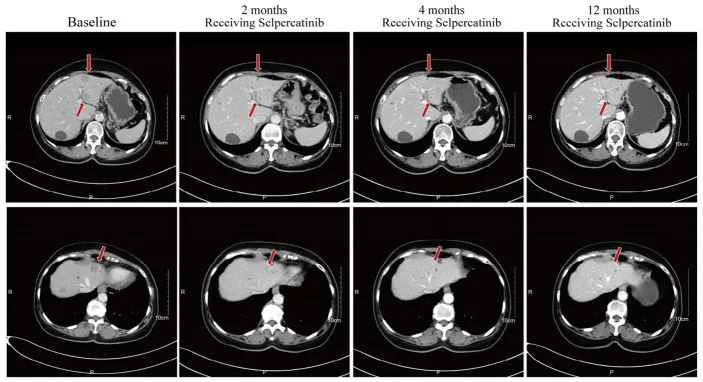
Stage IV RET-fusion transverse colon cancer: partial response to selpercatinib after capecitabine progression

Patient Info: Anonymized, Female, 70+ | Stage IV

Biomarkers: Colon cancer had RET fusion, KRAS copy-number gain, low TMB, and no KRAS/NRAS/BRAF hotspot mutations.

Metastatic Site: liver

As of May 2026, she remained on reduced-dose selpercatinib with tolerable toxicity, substantial partial response in liver metastases and the primary tumor, and progression-free survival exceeding 14 months.

PubMed Central
OutcomeResponding Well
Helen, who was diagnosed with Stage IV Colorectal CancerColorectal Cancer

Stage IV Colorectal Cancer: Helen's Survivor Story

Patient Info: Helen, Female, 40s | Stage IV

Metastatic Site: Liver; pelvis

No active tumors / no evidence of disease after liver-directed treatment, liver surgery/ablation, colon resection, and hysterectomy, though she personally described herself as living with cancer and still planned cleanup treatment.

The Patient Story
OutcomeCancer-Free / NED
Jim, who was diagnosed with Stage IV Colorectal CancerColorectal Cancer

My STAGE 4 Colon Cancer was Revealed by a Routine Blood Test! (NO SYMPTOMS!)

Patient Info: Jim, Male, 40s | Stage IV

Metastatic Site: Liver; lungs

Stage IV colon cancer with liver and lung metastases responded strongly to FOLFIRINOX-based chemotherapy, with tumor reduction over 70%, no detectable lung cancer on testing, and ongoing maintenance chemotherapy for remaining liver disease.

The Patient Story
OutcomeResponding Well
Joe, who was diagnosed with Stage IV Colorectal CancerColorectal Cancer

Stage IV Colorectal Cancer: Joe's Patient Story

Patient Info: Joe, Male | Stage IV

Biomarkers: Specific biomarkers not reported

Metastatic Site: Liver; lymph nodes; lungs

Stage IV colon cancer initially reached no evidence of disease after FOLFOX plus panitumumab, but later recurred in the liver and lymph nodes, progressed to the lungs, and did not respond to later FOLFOX rechallenge or FOLFIRI before he started an immunotherapy clinical trial.

The Patient Story
OutcomeSetback / Progression
Alyssa, who was diagnosed with Stage IV Colorectal CancerColorectal Cancer

Stage IV Colorectal Cancer: Alyssa's Patient Story

Patient Info: Alyssa Kelly, Female, Under 40 | Stage IV

Metastatic Site: Liver; lung

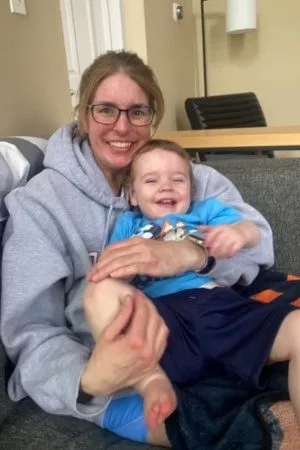
More than 4 years after pregnancy-associated Stage IV colorectal cancer, Alyssa was alive with her son, but after more than 1 year off chemotherapy she had several lung tumors, restarted chemotherapy, and was looking into clinical trials.

City of Hope
OutcomeSetback / Progression
John, who was diagnosed with Stage IV Colorectal CancerColorectal Cancer

Stage IV HER2-Positive Colorectal Cancer: John's Patient Story

Patient Info: John E., Male, 40s | Stage IV

Biomarkers: HER2-positive

Metastatic Site: lungs

After several months on HER2-targeted therapy, many of John's lung metastases had shrunk or stabilized, and he remained active with good quality of life.

Colorectal Cancer Alliance
OutcomeResponding Well
A patient, who was diagnosed with Colorectal CancerColorectal Cancer

Colon cancer patient with insulin autoimmune syndrome after FOLFOX, bevacizumab, and omeprazole

Patient Info: Anonymized, Male, 70+

Biomarkers: No cancer biomarkers reported. Insulin autoimmune syndrome followed chemotherapy/omeprazole exposure.

As of November 2025, the rare insulin autoimmune syndrome episode had improved after glucose supplementation and prednisone acetate, with blood glucose returning to the normal range during postoperative colon cancer treatment.

PubMed Central
OutcomeCare Ongoing
A patient, who was diagnosed with Stage IV Colorectal AdenocarcinomaColorectal Cancer

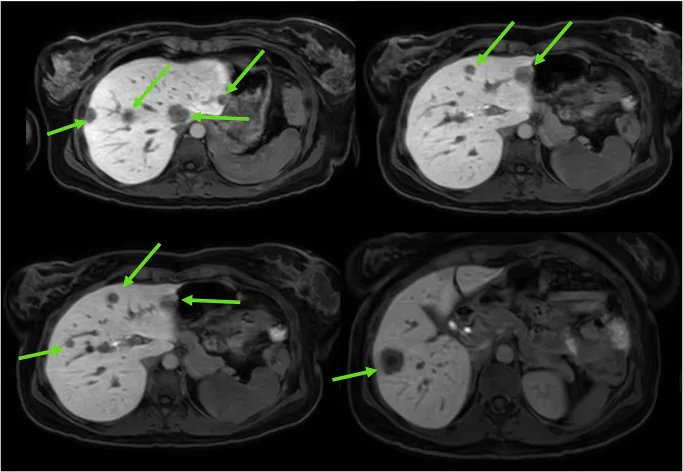
Stage IV KRAS-mutant colorectal cancer with bilobar liver metastases: multimodality treatment and no evidence of disease

Patient Info: Anonymized, Female, 40s | Stage IV

Biomarkers: KRAS-mutated; BRAF wild-type; mismatch repair proficient

Metastatic Site: liver

After second liver resection, follow-up MRI at 8 weeks showed continued response at the SABR site and no recurrent disease; she was receiving adjuvant capecitabine and remained well.

PubMed Central
OutcomeCancer-Free / NED
Pio, who was diagnosed with Stage IV Colorectal AdenocarcinomaColorectal Cancer

Stage IV BRAF Colorectal Adenocarcinoma: Pio's Patient Story

Patient Info: Pio, Male, 50s | Stage IV

Biomarkers: BRAF V600 mutation

Metastatic Site: peritoneum; liver; left lung nodules

After initial chemotherapy produced mixed results and May imaging showed growth, BRAF/EGFR-directed treatment led to a marked improvement on July scans.

The Patient Story
OutcomeResponding Well
Starr, who was diagnosed with Stage IV Colorectal CancerColorectal Cancer

Stage IV Colorectal Cancer: Starr's Survivor Story

Patient Info: Starr, Female, 40s | Stage IV

Metastatic Site: Liver; peritoneum; lymph nodes

Starr had Stage IV colon cancer involving the liver, peritoneum, and lymph nodes. After chemotherapy, targeted therapy, and 2 surgeries in early 2025, she was told scans and circulating-tumor testing showed no visible cancer. As of October 2025, she described being in remission.

The Patient Story
OutcomeCancer-Free / NED
A patient, who was diagnosed with Stage IV Colorectal CancerColorectal Cancer

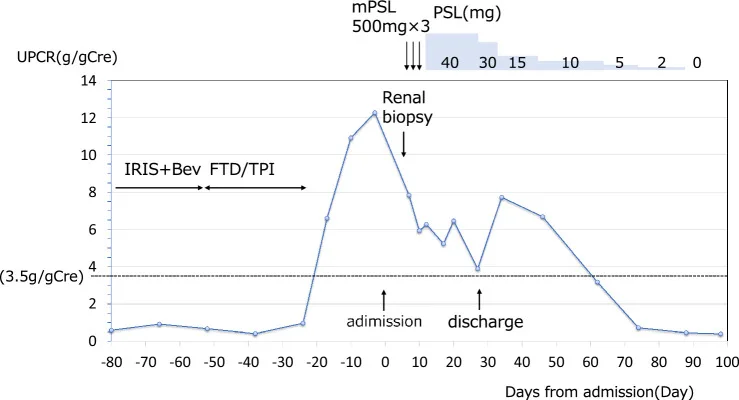
Kidney complication after switching colorectal cancer chemotherapy regimens

Patient Info: Anonymized, Male, 70+ | Stage IV

Metastatic Site: liver

The cancer had worsening liver metastases when FTD/TPI began. After treatment was stopped, steroid therapy resolved edema within 1 month and proteinuria returned to baseline 2.5 months after admission; the later cancer course was not established.

PubMed Central
OutcomeIn Treatment
A patient, who was diagnosed with Stage IV Colorectal AdenocarcinomaColorectal Cancer

Stage IV sigmoid colon cancer: recurrence after FOLFOX, hepatectomy, and colectomy

Patient Info: Anonymized, Male, 60s | Stage IV

Biomarkers: Mismatch repair proficient; microsatellite stable; KRAS wild-type; BRAF wild-type; CEA 3.8 ng/mL at diagnosis

Metastatic Site: liver, lung

As of September 2025, metastatic sigmoid colon cancer had recurred in the lungs and remnant liver after initial FOLFOX, hepatectomy, and colectomy, requiring FOLFIRI plus cetuximab.

PubMed Central
OutcomeSetback / Progression
Jackson, who was diagnosed with Stage IV Colorectal CancerColorectal Cancer

Stage IV BRAF Colorectal Cancer: Jackson's Patient Story

Patient Info: Jackson, Male, Under 40 | Stage IV

Biomarkers: BRAF mutation

Metastatic Site: Liver; peritoneal wall

Jackson had Stage IV BRAF-mutated colon cancer with extensive liver disease and later confirmed peritoneal-wall tumors. His treatment response was strong, with about 90% of liver disease estimated gone, but he remained on active treatment with possible future HIPEC evaluation. As of September 2025, he was responding well but not cancer-free.

The Patient Story
OutcomeResponding Well
Heather, who was diagnosed with Stage IV Colorectal CancerColorectal Cancer

Stage IV Colorectal Cancer: Heather's Patient Story

Patient Info: Heather Candrilli, Female, Under 40 | Stage IV

Metastatic Site: Liver

Heather had Stage IV colon cancer with liver-only metastases. Her scans improved and Signatera became negative, but she still had many liver lesions and was not considered resectable. As of September 2025, she remained on chemotherapy while pursuing living-donor liver transplant evaluation.

The Patient Story
OutcomeResponding Well
A patient, who was diagnosed with Stage IV Colorectal AdenocarcinomaColorectal Cancer

Stage IV transverse colon cancer with NTRK fusion: entrectinib response followed by fatal PTTM

Patient Info: Anonymized, Male, 70+ | Stage IV

Biomarkers: RAS/BRAF wild type, low TMB. CEA and CA19-9 were elevated before entrectinib and fell with response.

Metastatic Site: peritoneum, greater omentum, pleura,…

He died 7 weeks after hospitalization from pulmonary tumor thrombotic microangiopathy causing severe pulmonary hypertension and right-heart failure, despite biochemical and ascites response to entrectinib.

PubMed Central
OutcomeIn Memory
A patient, who was diagnosed with Stage IV Colorectal AdenocarcinomaColorectal Cancer

Stage 4 colorectal cancer: complete response with panitumumab and FOLFOX4

Patient Info: Anonymized, Female, 60s | Stage IV

Biomarkers: KRAS/NRAS/BRAF wild type; MSS/pMMR; HER2 not overexpressed. CEA and CA19-9 were elevated.

Metastatic Site: periaortic and pelvic lymph nodes; left ovary/adnexa

As of November 2024, she was alive and continuing second-line FOLFIRI with stable disease after prior complete remission on panitumumab plus FOLFOX4 and later progression with ovarian metastasis.

PubMed Central
OutcomeLiving With Cancer
A patient, who was diagnosed with Stage IV Colorectal AdenocarcinomaColorectal Cancer

Metastatic colon cancer: soft-tissue and adrenal metastases responding to FOLFIRI plus bevacizumab

Patient Info: Anonymized, Female, 60s | Stage IV

Biomarkers: KRAS codon 146 mutation; BRAF wild type. CK20 and Ki-67 supported colorectal metastasis; CEA/CA19-9 were elevated.

Metastatic Site: lungs; left arm/biceps soft tissue; right…

As of May 2025, metastatic colon cancer involving soft tissue, muscle, lung history, and right adrenal gland had regressed after 12 months of FOLFIRI plus bevacizumab, and the patient was alive 1 year after chemotherapy completion.

PubMed Central
OutcomeResponding Well