CAPOX for Colorectal Cancer: 14 Real Stories

14 stories match colorectal cancer and CAPOX. 13 of them mention surgery.

Haley, who was diagnosed with Stage III Colorectal CancerColorectal Cancer

Stage III Colorectal Cancer: Haley's Survivor Story

Patient Info: Haley Pollack, Female, Under 40 | Stage III

Years into survivorship after Stage IIIC colon cancer treated with surgery, CAPOX chemotherapy, and a recurrence-prevention clinical trial; later continued trial follow-up and advocacy for parents with cancer.

The Patient Story
OutcomeSurvivorship / Surveillance
A patient, who was diagnosed with Stage IV Colorectal AdenocarcinomaColorectal Cancer

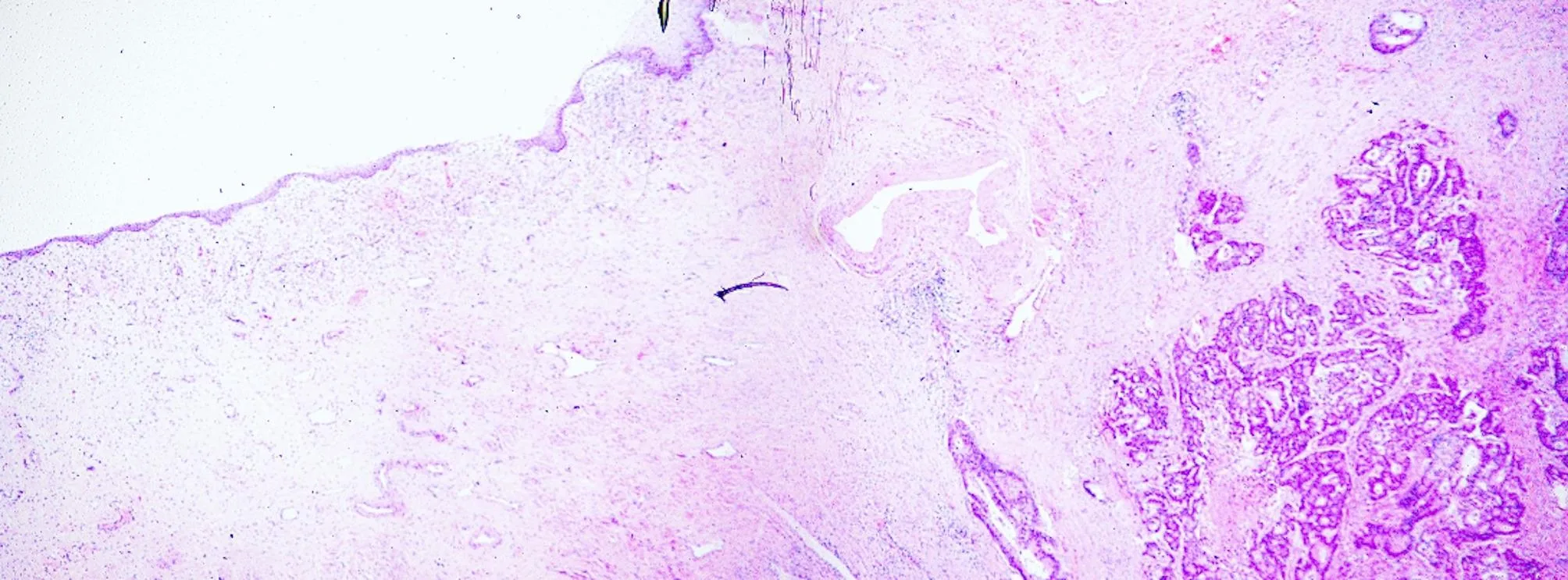
Stage IIIB ascending colon cancer with later cervical and vaginal metastases, systemic nodal progression, and death

Patient Info: Anonymized, Female, 60s | Stage IV

Biomarkers: Primary colon cancer and vaginal/cervical metastasis both supported colorectal origin. MMR proteins were retained; HER2 0; Ki-67 high in metastasis.

Metastatic Site: cervix, vagina, rectal wall/serosa, systemic lymph…

After initial Stage IIIB ascending-colon cancer and later cervical/vaginal metastatic recurrence, CAPEOX was stopped because of cardiac toxicity; systemic lymph node metastases developed in early 2023, treatment was abandoned, and she died in April 2023.

PubMed Central
OutcomeIn Memory
A patient, who was diagnosed with Stage IV Colorectal CancerColorectal Cancer

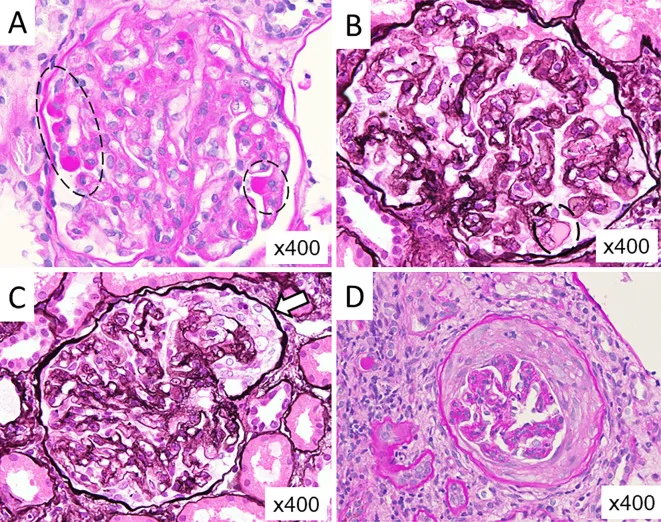
Stage IV cecum cancer with liver and ovarian metastases: ramucirumab-related nephrotic syndrome and glomerular microangiopathy

Patient Info: Anonymized, Female, 50s | Stage IV

Biomarkers: Cancer biomarkers were not reported. Kidney injury workup showed severe protein leakage and biopsy-proven glomerular microangiopathy.

Metastatic Site: liver, right ovary

The liver metastasis shrank after XELOX plus bevacizumab and metastatic liver/ovarian sites were resected, but ramucirumab-based second-line therapy was stopped after nephrotic syndrome and severe glomerular microangiopathy; blood pressure and proteinuria improved with telmisartan.

PubMed Central
OutcomeCare Ongoing
Paul, who was diagnosed with Stage III Colorectal CancerColorectal Cancer

Paul: Stage III Colorectal Cancer

Patient Info: Paul, Male | Stage III

As of October 2024, Paul was in active care for Stage III rectal cancer with CAPOX chemotherapy, planned radiation, and eventual surgery.

The Patient Story
OutcomeCare Ongoing
Paul, who was diagnosed with Stage III Colorectal CancerColorectal Cancer

Stage III Colorectal Cancer: Paul's Patient Story

Patient Info: Paul Klug, Male | Stage III

As of October 2024, Paul was on the final day of round 4 of 5 planned chemotherapy rounds, with chemoradiation and possible resection surgery still ahead.

The Patient Story
OutcomeCare Ongoing
Nick, who was diagnosed with Stage IV Colorectal AdenocarcinomaColorectal Cancer

Stage IV Colorectal Adenocarcinoma: Nick's Patient Story

Patient Info: Nick Sprague, Male, 40s | Stage IV

Metastatic Site: distant lymph nodes in abdomen/near aorta and left…

As of July 2024, Nick was living with Stage IVA colon cancer and receiving Keytruda/pembrolizumab with fewer side effects than chemotherapy; no NED status had been reached.

The Patient Story
OutcomeLiving With Cancer
A patient, who was diagnosed with Colorectal AdenocarcinomaColorectal Cancer

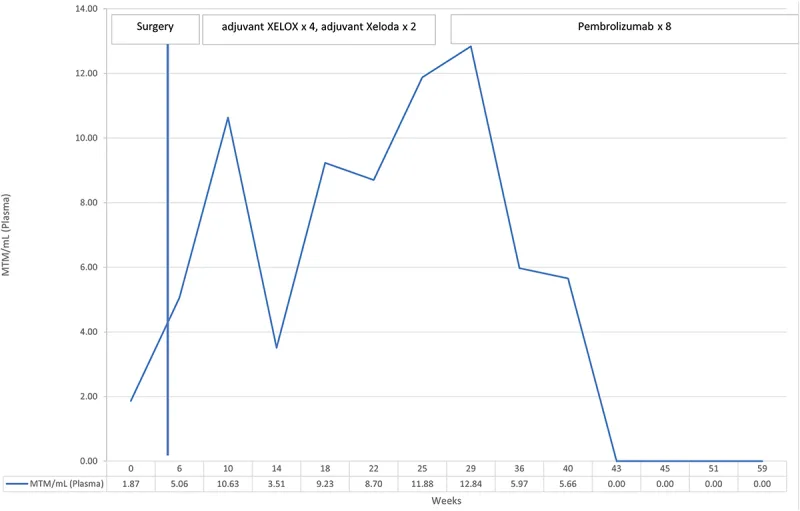
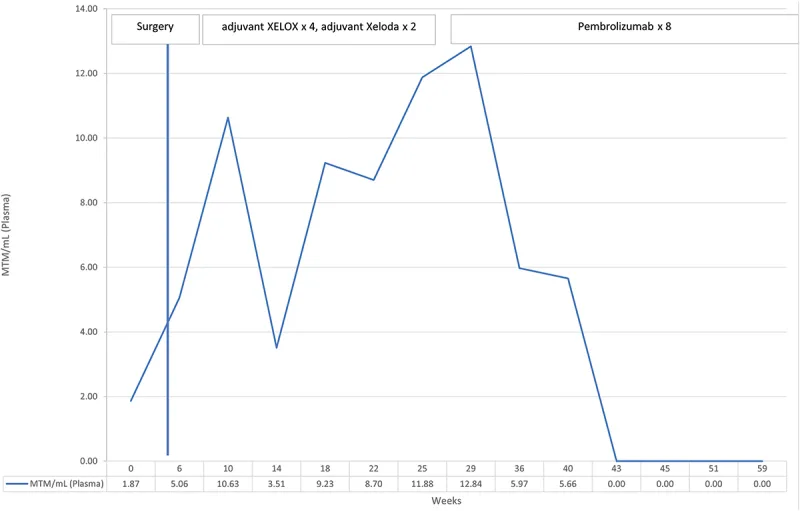
Colorectal cancer: using a blood test (ctDNA) to guide immunotherapy after surgery — Case 1

Patient Info: Anonymized, Male, 50s

Biomarkers: KRAS ; TMB 11 mutations/Mb; loss of MLH1 and PMS2; dMMR/MSI-H; germline multigene panel negative; ctDNA positive after surgery and chemotherapy

Pembrolizumab cleared ctDNA within about 3 months. After completing 1 year of immunotherapy, surveillance CT showed no evidence of disease and ctDNA remained negative.

PubMed Central
OutcomeCancer-Free / NED
A patient, who was diagnosed with Colorectal AdenocarcinomaColorectal Cancer

Colorectal cancer: using a blood test (ctDNA) to guide immunotherapy after surgery

Patient Info: Anonymized, Male, 40s

Biomarkers: dMMR/MSI-H; pathogenic germline MLH1 c.1459C>T consistent with Lynch syndrome; postoperative ctDNA rose during chemotherapy and became near-undetectable on pembrolizumab

He continued pembrolizumab with no evidence of disease on interval CT and near-undetectable ctDNA. Grade 1 thyroiditis was monitored without treatment interruption.

PubMed Central
OutcomeIn Treatment
Haley, who was diagnosed with Stage III Colorectal CancerColorectal Cancer

How I Found Out I had Colon Cancer: I Wrote Off All My Symptoms

Patient Info: Haley P., Female, Under 40 | Stage III

As of March 2023, Haley had completed surgery, CAPOX chemotherapy, and 3 years of daily recurrence-prevention trial pills, with ongoing low-touch trial follow-up and no active recurrence described.

The Patient Story
OutcomeSurvivorship / Completed Treatment
Barbara, who was diagnosed with Colorectal CancerColorectal Cancer

Colorectal Cancer: Barbara's Survivor Story

Patient Info: Barbara, Female, 40s

As of October 2021, Barbara described life after completed colon-cancer treatment, including survivorship, parenting, and a stronger perspective; recurrence was not described in this edited video.

The Patient Story
OutcomeSurvivorship / Completed Treatment
OM
Colorectal Cancer

Oxaliplatin-Related Muscle Breakdown During Colorectal Cancer Treatment

Patient Info: Anonymized, Male, 50s | Stage III

Biomarkers: CEA 1.01 ng/mL; CA 19-9 <0.6 U/mL

He recovered fully from rhabdomyolysis, completed adjuvant capecitabine, and entered follow-up without evidence of cancer recurrence.

PubMed Central
OutcomeCancer-Free / NED
A patient, who was diagnosed with Stage IV Colorectal AdenocarcinomaColorectal Cancer

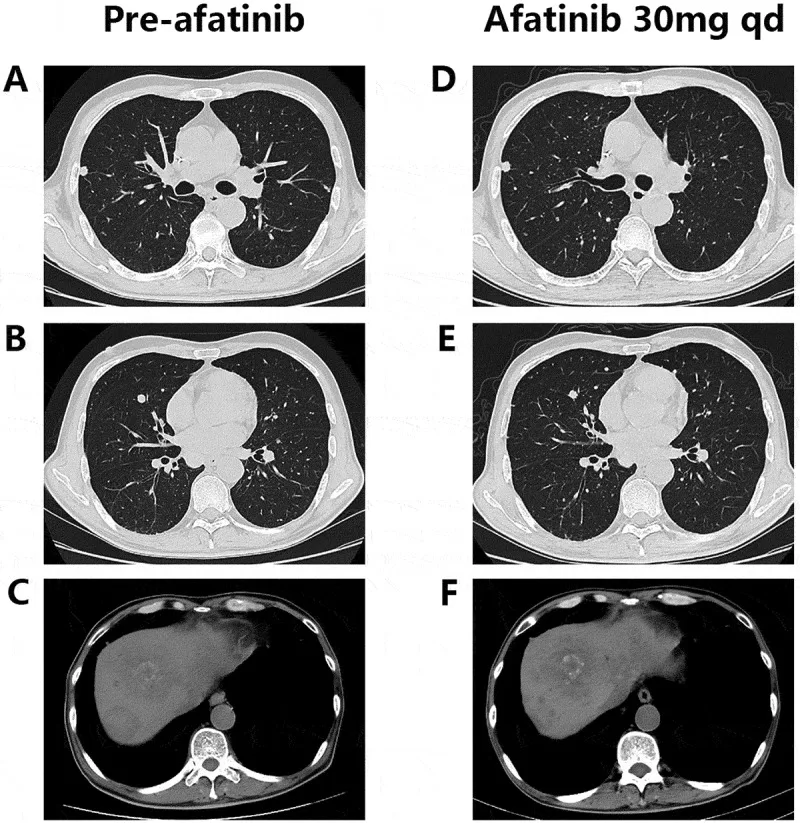
HER2-amplified metastatic colon cancer treated with afatinib after several therapies

Patient Info: Anonymized, Male, 60s | Stage IV

Biomarkers: RAS wild-type; BRAF wild-type; HER2 amplification; HER2 mutation

Metastatic Site: liver|abdominal wall|lung

After multiple treatment lines and a 3-month period of stable disease on afatinib, the cancer progressed again. He died in January 2018 from severe lung infection and kidney failure.

PubMed Central
OutcomeIn Memory