Irinotecan for Colorectal Cancer: 18 Real Stories

18 stories match colorectal cancer and irinotecan. 17 of them mention oxaliplatin.

A patient, who was diagnosed with Stage IV Colorectal AdenocarcinomaColorectal Cancer

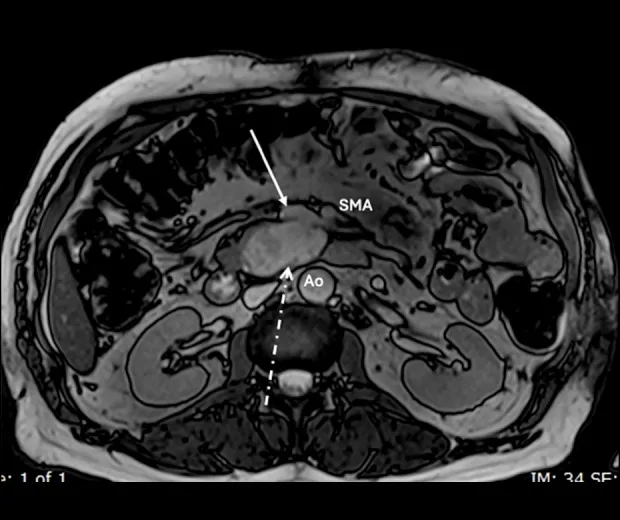
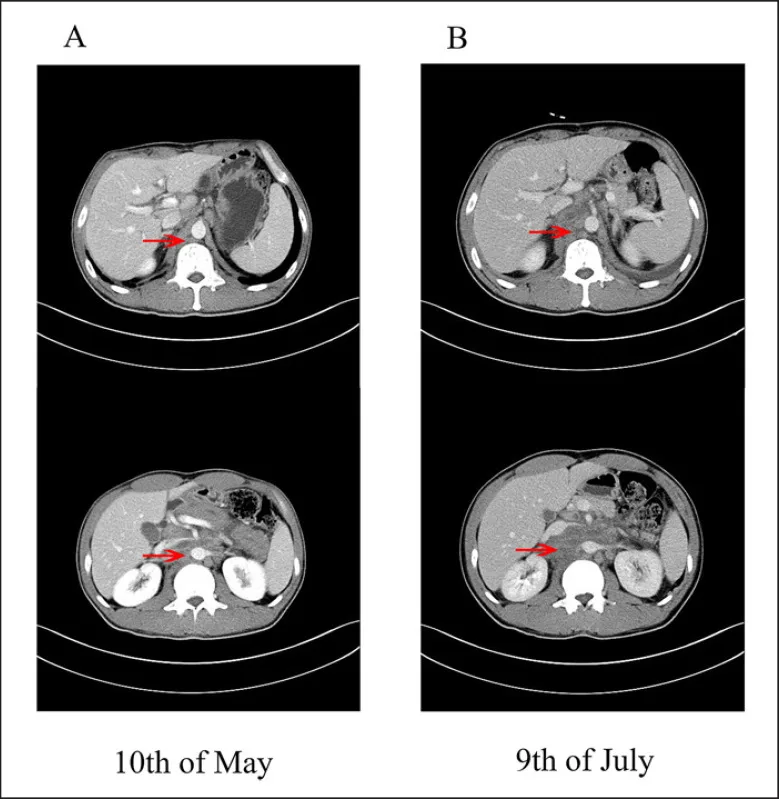
Stage IV rectal mucinous adenocarcinoma with pancreatic metastasis: response to chemotherapy and staged surgery

Patient Info: Anonymized, Male, 70+ | Stage IV

Biomarkers: CA 19-9 93.4 U/mL; CEA 3.4 ng/mL; pancreatic lesion biopsy consistent with colorectal origin

Metastatic Site: pancreas

As of May 2026, he had good clinical progress during 5 months of follow-up after staged treatment, including chemoradiation, FOLFOX, abdominoperineal resection, FOLFIRINOX, and Whipple resection of the pancreatic metastasis.

PubMed Central
OutcomeResponding Well
Helen, who was diagnosed with Stage IV Colorectal CancerColorectal Cancer

Stage IV Colorectal Cancer: Helen's Survivor Story

Patient Info: Helen, Female, 40s | Stage IV

Metastatic Site: Liver; pelvis

No active tumors / no evidence of disease after liver-directed treatment, liver surgery/ablation, colon resection, and hysterectomy, though she personally described herself as living with cancer and still planned cleanup treatment.

The Patient Story
OutcomeCancer-Free / NED
Jim, who was diagnosed with Stage IV Colorectal CancerColorectal Cancer

My STAGE 4 Colon Cancer was Revealed by a Routine Blood Test! (NO SYMPTOMS!)

Patient Info: Jim, Male, 40s | Stage IV

Metastatic Site: Liver; lungs

Stage IV colon cancer with liver and lung metastases responded strongly to FOLFIRINOX-based chemotherapy, with tumor reduction over 70%, no detectable lung cancer on testing, and ongoing maintenance chemotherapy for remaining liver disease.

The Patient Story
OutcomeResponding Well
A patient, who was diagnosed with Stage IV Colorectal CancerColorectal Cancer

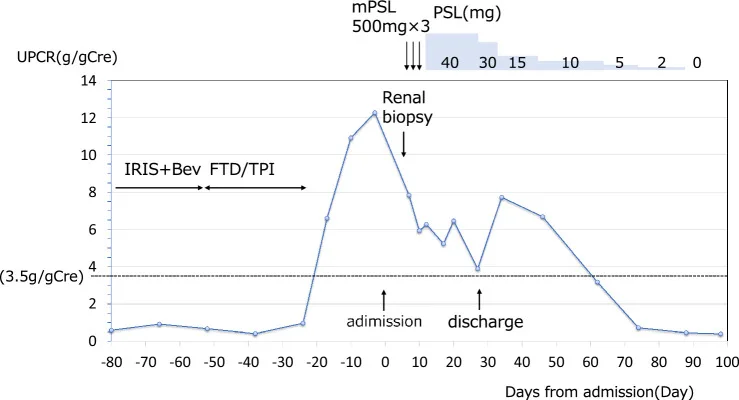
Kidney complication after switching colorectal cancer chemotherapy regimens

Patient Info: Anonymized, Male, 70+ | Stage IV

Metastatic Site: liver

The cancer had worsening liver metastases when FTD/TPI began. After treatment was stopped, steroid therapy resolved edema within 1 month and proteinuria returned to baseline 2.5 months after admission; the later cancer course was not established.

PubMed Central
OutcomeIn Treatment
A patient, who was diagnosed with Stage IV Colorectal AdenocarcinomaColorectal Cancer

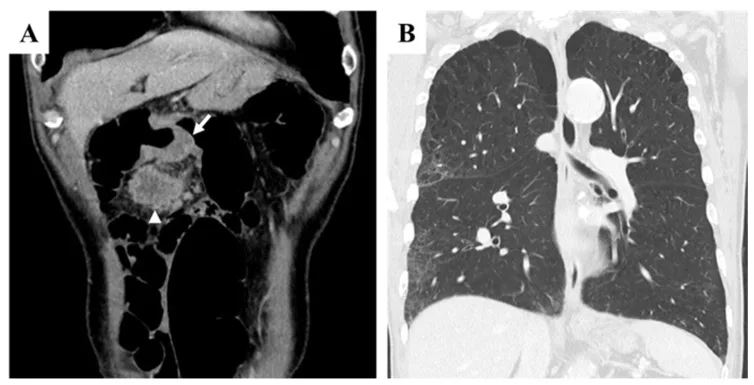
Stage IV transverse colon cancer with NTRK fusion: entrectinib response followed by fatal PTTM

Patient Info: Anonymized, Male, 70+ | Stage IV

Biomarkers: RAS/BRAF wild type, low TMB. CEA and CA19-9 were elevated before entrectinib and fell with response.

Metastatic Site: peritoneum, greater omentum, pleura,…

He died 7 weeks after hospitalization from pulmonary tumor thrombotic microangiopathy causing severe pulmonary hypertension and right-heart failure, despite biochemical and ascites response to entrectinib.

PubMed Central
OutcomeIn Memory
A patient, who was diagnosed with Stage IV Colorectal AdenocarcinomaColorectal Cancer

Metastatic colon cancer: soft-tissue and adrenal metastases responding to FOLFIRI plus bevacizumab

Patient Info: Anonymized, Female, 60s | Stage IV

Biomarkers: KRAS codon 146 mutation; BRAF wild type. CK20 and Ki-67 supported colorectal metastasis; CEA/CA19-9 were elevated.

Metastatic Site: lungs; left arm/biceps soft tissue; right…

As of May 2025, metastatic colon cancer involving soft tissue, muscle, lung history, and right adrenal gland had regressed after 12 months of FOLFIRI plus bevacizumab, and the patient was alive 1 year after chemotherapy completion.

PubMed Central
OutcomeResponding Well
A patient, who was diagnosed with Stage IV Colorectal CancerColorectal Cancer

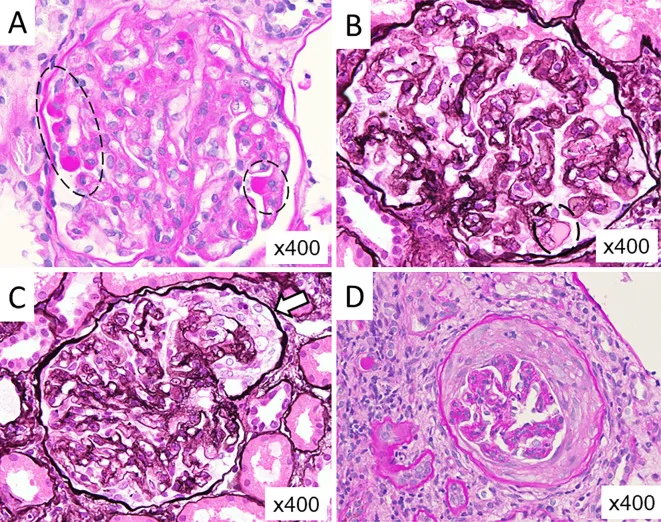
Stage IV cecum cancer with liver and ovarian metastases: ramucirumab-related nephrotic syndrome and glomerular microangiopathy

Patient Info: Anonymized, Female, 50s | Stage IV

Biomarkers: Cancer biomarkers were not reported. Kidney injury workup showed severe protein leakage and biopsy-proven glomerular microangiopathy.

Metastatic Site: liver, right ovary

The liver metastasis shrank after XELOX plus bevacizumab and metastatic liver/ovarian sites were resected, but ramucirumab-based second-line therapy was stopped after nephrotic syndrome and severe glomerular microangiopathy; blood pressure and proteinuria improved with telmisartan.

PubMed Central
OutcomeCare Ongoing
Jason, who was diagnosed with Stage IV Colorectal CancerColorectal Cancer

My Stage 4 Colorectal Cancer Story: How I Never Lost Hope

Patient Info: Jason Randall, Male | Stage IV

Metastatic Site: Liver; lungs; bone/sacrum

As of June 2023, Jason had a negative Signatera test, CT scans showing 9 months with no evidence of disease, and about 2.5 years off chemotherapy after Stage IV colorectal cancer treatment and lung ablation.

The Patient Story
OutcomeCancer-Free / NED
Kris, who was diagnosed with Stage IV Colorectal CancerColorectal Cancer

Stage IV KRAS Colorectal Cancer: Kris's Patient Story

Patient Info: Kris Sokolowski, Male, 40s | Stage IV

Biomarkers: KRAS mutation

Metastatic Site: Liver; sternum; spine; lymph nodes; omentum/abdominal…

As of May 2022, Kris was living with Stage IV KRAS G13D-mutant colorectal cancer. Most tumors had been stable or shrinking, but abdominal/omental disease continued to grow despite additional full-strength chemotherapy, so clinical-trial and immunotherapy options were being explored.

MD Anderson
OutcomeSetback / Progression
A patient, who was diagnosed with Stage IV Colorectal CancerColorectal Cancer

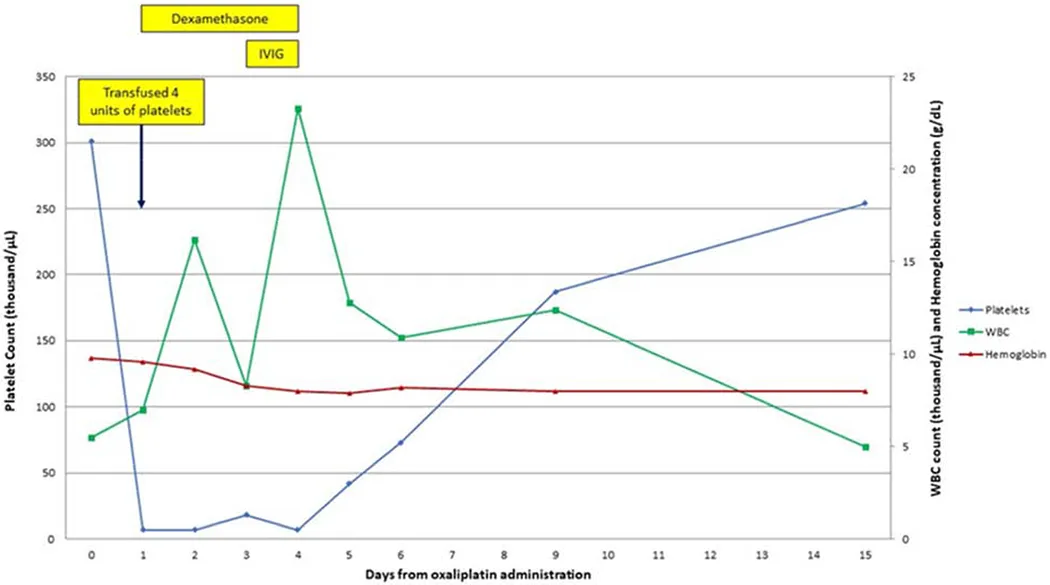
Severe immune thrombocytopenia during treatment for metastatic colon cancer

Patient Info: Anonymized, Female, 50s | Stage IV

Biomarkers: KRAS-mutated; microsatellite stable; BRAF-wild type.

Metastatic Site: bilateral ovaries; pelvis; peritoneum; mesenteric…

After multiple metastatic recurrences and treatment changes, she died from progressive colon cancer; oxaliplatin had been permanently stopped after antibody-confirmed immune thrombocytopenia.

PubMed Central
OutcomeIn Memory
A patient, who was diagnosed with Stage IV Colorectal AdenocarcinomaColorectal Cancer

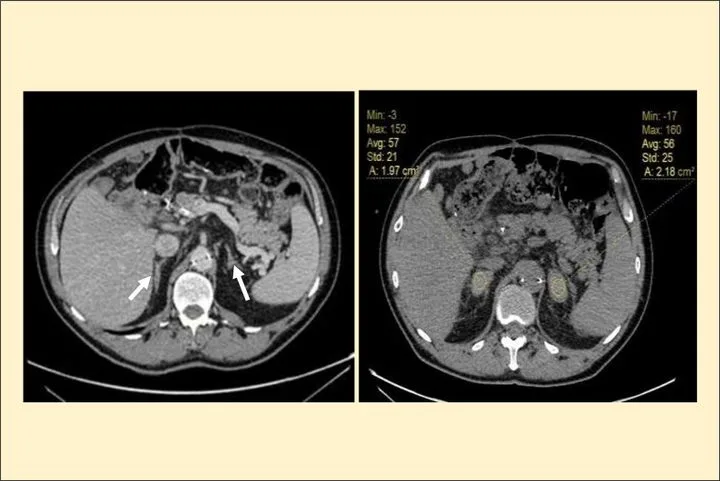
Bilateral adrenal bleeding during bevacizumab treatment for metastatic colon cancer

Patient Info: Anonymized, Male, 50s | Stage IV

Biomarkers: RAS-mutant; BRAF-wild type; microsatellite stable.

Metastatic Site: peritoneum; liver; lung

Despite multiple systemic and local treatments, his metastatic colon cancer progressed in the liver and peritoneum, and he died from disease progression in November 2018.

PubMed Central
OutcomeIn Memory
Lee, who was diagnosed with Stage IV Colorectal CancerColorectal Cancer

Stage IV Colorectal Cancer: Lee's Survivor Story

Patient Info: Lee Jones, Male, 50s | Stage IV

Metastatic Site: Liver

As of February 2021, Lee reported no evidence of colon cancer since 2011 after treatment for Stage IV colon cancer with liver metastases, recurrence, chemotherapy, colon surgery, and liver surgery.

The Patient Story
OutcomeCancer-Free / NED
A patient, who was diagnosed with Stage III Colorectal CancerColorectal Cancer

Colon Cancer With an MLH1 Deletion and Lynch Syndrome

Patient Info: Anonymized, Male, Under 40 | Stage III

Biomarkers: dMMR with loss of MLH1 and PMS2. Familial MLH1 c.1057_1060delGCTG frameshift deletion identified; its clinical significance had not previously been reported.

The colon cancer progressed rapidly despite postoperative and second-line therapy, and he died from multiple organ failure one week after pembrolizumab was started.

PubMed Central
OutcomeIn Memory
A patient, who was diagnosed with Colorectal CancerColorectal Cancer

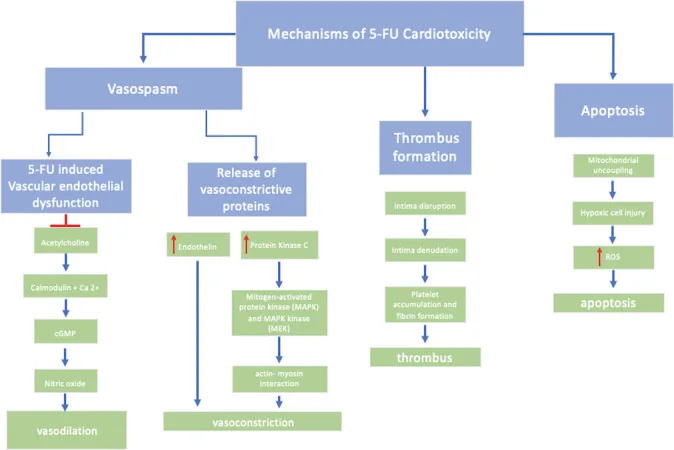
Metastatic Colorectal Cancer Treated With S-1 After 5-FU Cardiotoxicity

Patient Info: Anonymized, male, 60s

Biomarkers: RAS-mutant

After progression in the liver despite prior systemic and liver-directed treatment, he started S-1, oxaliplatin and bevacizumab; the first cycle caused no cardiac complication and treatment continued as an outpatient.

PubMed Central
OutcomeCare Ongoing
A patient, who was diagnosed with Stage IV Colorectal AdenocarcinomaColorectal Cancer

Sigmoid colon cancer with later inguinal lymph-node metastasis: surgery, FOLFOX, FOLFIRI, and cetuximab

Patient Info: Anonymized, Male, 60s | Stage IV

Biomarkers: CEA was elevated at diagnosis and recurrence. Metastatic lymph node was CK20 positive/CK7 negative; EGFR mutation status not reported.

Metastatic Site: left inguinal lymph node

Apparently disease-free 8 months after surgical removal of the left inguinal lymph-node metastasis followed by FOLFIRI plus cetuximab.

PubMed Central
OutcomeCancer-Free / NED