Colectomy for Colorectal Cancer: 115 Real Stories

115 stories match colorectal cancer and colectomy. 112 of them mention surgery.

A patient, who was diagnosed with Stage IV Colorectal AdenocarcinomaColorectal Cancer

Stage IV sigmoid colon cancer: recurrence after FOLFOX, hepatectomy, and colectomy

Patient Info: Anonymized, Male, 60s | Stage IV

Biomarkers: Mismatch repair proficient; microsatellite stable; KRAS wild-type; BRAF wild-type; CEA 3.8 ng/mL at diagnosis

Metastatic Site: liver, lung

As of September 2025, metastatic sigmoid colon cancer had recurred in the lungs and remnant liver after initial FOLFOX, hepatectomy, and colectomy, requiring FOLFIRI plus cetuximab.

PubMed Central
OutcomeSetback / Progression
A patient, who was diagnosed with Stage IV Colorectal AdenocarcinomaColorectal Cancer

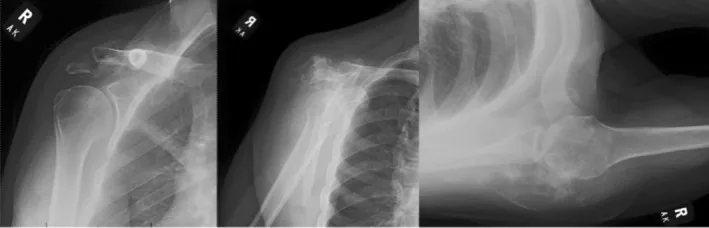
Metastatic rectal cancer: total scapulectomy improves pain and function

Patient Info: Anonymized, Male, 40s | Stage IV

Biomarkers: CEA 418 ng/mL preoperatively; 10.3 ng/mL postoperatively; 7.2 ng/mL at 7 months; 11.1 ng/mL at about 5 months postoperatively; 6.4 ng/mL at 8 months

Metastatic Site: liver, right acromion/scapula, left adrenal gland

The patient had meaningful pain relief and functional recovery after total scapulectomy, but later developed liver and left adrenal progression and remained on palliative chemotherapy with a positive response.

PubMed Central
OutcomeLiving With Cancer
A patient, who was diagnosed with Stage IV Colorectal AdenocarcinomaColorectal Cancer

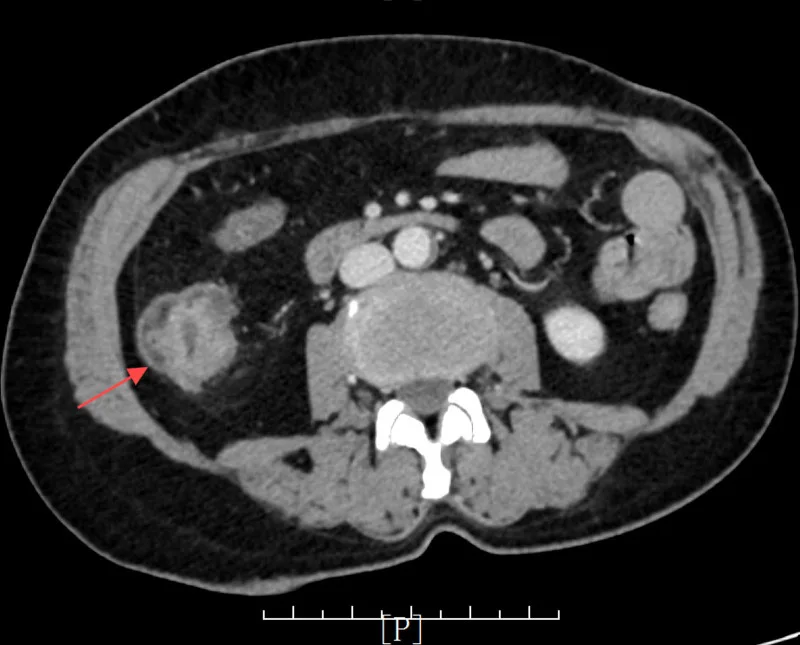
Stage IIIB ascending colon cancer with later cervical and vaginal metastases, systemic nodal progression, and death

Patient Info: Anonymized, Female, 60s | Stage IV

Biomarkers: Primary colon cancer and vaginal/cervical metastasis both supported colorectal origin. MMR proteins were retained; HER2 0; Ki-67 high in metastasis.

Metastatic Site: cervix, vagina, rectal wall/serosa, systemic lymph…

After initial Stage IIIB ascending-colon cancer and later cervical/vaginal metastatic recurrence, CAPEOX was stopped because of cardiac toxicity; systemic lymph node metastases developed in early 2023, treatment was abandoned, and she died in April 2023.

PubMed Central
OutcomeIn Memory
A patient, who was diagnosed with Stage III Colorectal AdenocarcinomaColorectal Cancer

Stage IIIC ascending colon adenocarcinoma with appendiceal goblet-cell/signet-ring features: no recurrence at 46 months

Patient Info: Anonymized, Female, 60s | Stage III

Biomarkers: Colon tumor: MMR proteins retained, p53 positive, Ki-67 80%. Appendix lesion had neuroendocrine markers and Ki-67 10%.

At last follow-up on December 31, 2024, about 46 months after surgery, outside CT imaging and CEA testing showed no radiologic or biochemical evidence of tumor recurrence or metastasis.

PubMed Central
OutcomeCancer-Free / NED
Jackson, who was diagnosed with Stage III Colorectal CancerColorectal Cancer

Stage III Colorectal Cancer: Jackson's Survivor Story

Patient Info: Jackson, Male, Under 40 | Stage III

Jackson completed surgery and chemotherapy for Stage III colon cancer. After his final infusion on January 28, 2025, Signatera was negative, chest and abdomen CTs were clear, tumor-marker bloodwork was negative, and he was declared in remission/no evidence of disease; a later CT in June 2025 was also clear.

The Patient Story
OutcomeCancer-Free / NED
A patient, who was diagnosed with Stage III Colorectal AdenocarcinomaColorectal Cancer

Lynch syndrome bifocal colon cancer: complete pathological remission after sintilimab

Patient Info: Anonymized, Male, 40s | Stage III

Biomarkers: Lynch-associated colon cancer with MSI-H and KRAS/NRAS/BRAF wild type; tumor markers were low or near normal.

As of April 2025, pathology after proximal colectomy showed tumor regression grade 0 with complete pathological remission, and follow-up found no recurrence or metastasis.

PubMed Central
OutcomeCancer-Free / NED
A patient, who was diagnosed with Stage III Colorectal AdenocarcinomaColorectal Cancer

Stage III colon cancer followed by a second gastro-oesophageal adenocarcinoma

Patient Info: Anonymized, Female | Stage III

Biomarkers: KRAS-mutated, NRAS-negative, BRAF-negative

After surgery and 4 cycles of CAPEOX, imaging initially showed no metastases. Later imaging showed new bilobar liver lesions, and a separate primary gastro-oesophageal adenocarcinoma was diagnosed about 1 year after the colon cancer.

PubMed Central
OutcomeNot reported
Rachael, who was diagnosed with Stage IV Colorectal CancerColorectal Cancer

Stage IV Colorectal Cancer: Rachael's Patient Story

Patient Info: Rachael, Female, Under 40 | Stage IV

Metastatic Site: Ovaries; liver

As of January 2025, Rachael had completed intensive chemotherapy for Stage IV sigmoid colon cancer involving the ovaries and liver and was awaiting scans to determine whether liver surgery and HIPEC would be next.

The Patient Story
OutcomeCare Ongoing
SI
Colorectal Cancer

Stage II Colorectal Cancer: Casandra's Survivor Story

Patient Info: Casandra | Stage II

Casandra was declared cancer-free in February 2025 and continues to cope with fatigue, fear of recurrence and mistrust after a prolonged diagnostic delay.

Our Cancer Stories
OutcomeCancer-Free / NED
A patient, who was diagnosed with Stage III Colorectal AdenocarcinomaColorectal Cancer

Stage III MSI-H/dMMR ascending colon cancer: complete response to pembrolizumab without surgery

Patient Info: Anonymized, Female, 70+ | Stage III

Biomarkers: dMMR/MSI-H with high TMB, BRAF, BRCA2 mutation, KRAS/NRAS wild-type, HER2-negative, PD-L1-negative; Lynch testing negative.

After 10 months of pembrolizumab, PET/CT showed complete metabolic response and colonoscopy biopsies were negative for malignancy; she continued nonoperative management after declining surgery.

PubMed Central
OutcomeCancer-Free / NED
A patient, who was diagnosed with Stage IV Colorectal AdenocarcinomaColorectal Cancer

Colon cancer recurring in the spleen with a serious splenic abscess

Patient Info: Anonymized, Male, 40s | Stage IV

Biomarkers: KRAS wild-type, NRAS wild-type, BRAF wild-type

Metastatic Site: spleen

More than 5 years after his 2016 colectomy, he was treated for metastatic recurrence. Disease was assessed as stable during systemic therapy, and he later recovered well after splenectomy for confirmed splenic metastasis.

PubMed Central
OutcomeStable Disease
A patient, who was diagnosed with Colorectal CancerColorectal Cancer

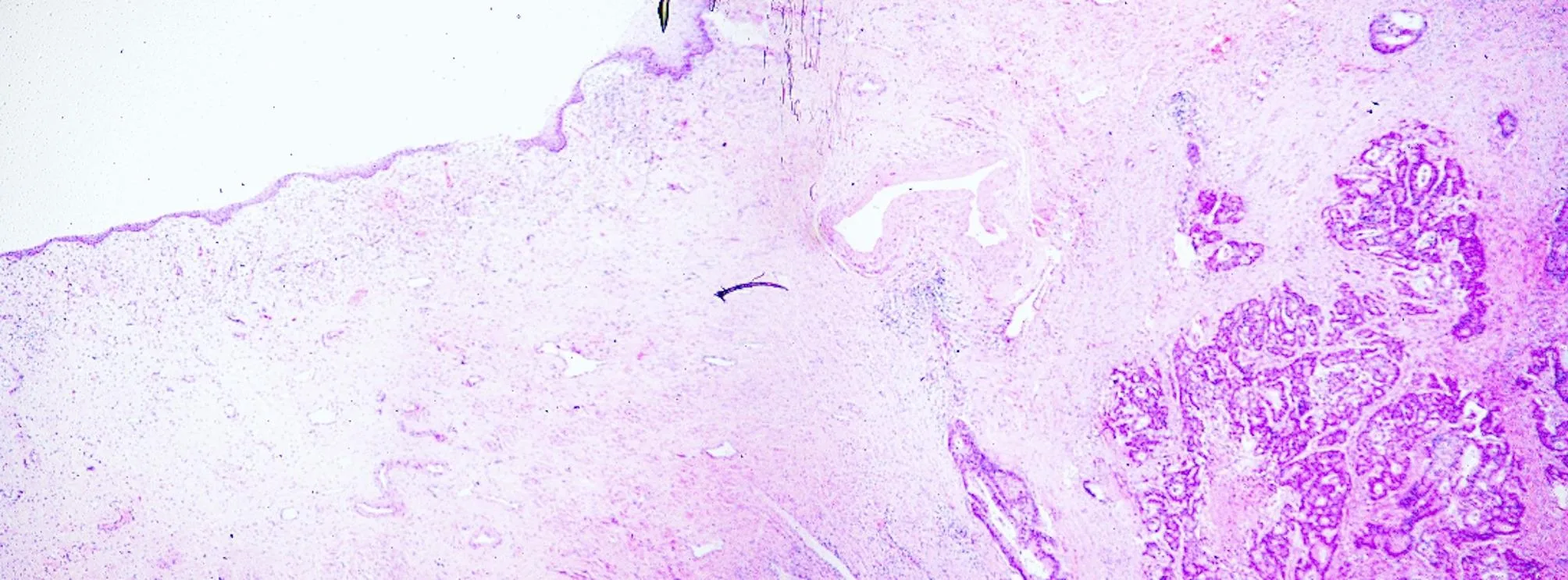
Rare SMARCB1/INI1-deficient undifferentiated carcinoma of the colon

Patient Info: Anonymized, Male, 70+

Biomarkers: KRAS, BRAF wild-type, NRAS wild-type

A 70-year-old man underwent surgery for an unusual aggressive colon carcinoma with loss of SMARCB1/INI1 expression and a KRAS G12D mutation.

PubMed Central
OutcomeNot reported
Maddee, who was diagnosed with Stage II Colorectal CancerColorectal Cancer

Maddee: Stage II Colorectal Cancer

Patient Info: Maddee, Female | Stage II

Biomarkers: Lynch syndrome

As of October 2024, Maddee was in surveillance after surgery for Stage II Lynch syndrome-associated colon cancer, with about 1 foot of colon and 40 lymph nodes removed and no chemotherapy given.

The Patient Story
OutcomeCancer-Free / NED
Sophie, who was diagnosed with Stage IV Colorectal CancerColorectal Cancer

Sophie: Stage IV Colorectal Cancer

Patient Info: Sophie, Female | Stage IV

Biomarkers: BRAF mutation; MSI

Metastatic Site: Liver; lymph nodes; other torso lesions

As of August 2024, Sophie had been declared cancer-free after Stage IV BRAF-mutated/MSI bowel cancer responded to nivolumab/ipilimumab-based immunotherapy, with PET imaging and liver surgery biopsy showing no cancerous cells.

The Patient Story
OutcomeCancer-Free / NED
Jay, who was diagnosed with Colorectal CancerColorectal Cancer

Colorectal Cancer: Jay's Patient Story

Patient Info: Jay Reese, Under 40

Biomarkers: Lynch syndrome

After a full colectomy in February 2012, Jay did not need further surgery, radiation, or chemotherapy and continued close surveillance because of Lynch syndrome.

Dana-Farber
OutcomeNot reported
A patient, who was diagnosed with Stage IV Colorectal AdenocarcinomaColorectal Cancer

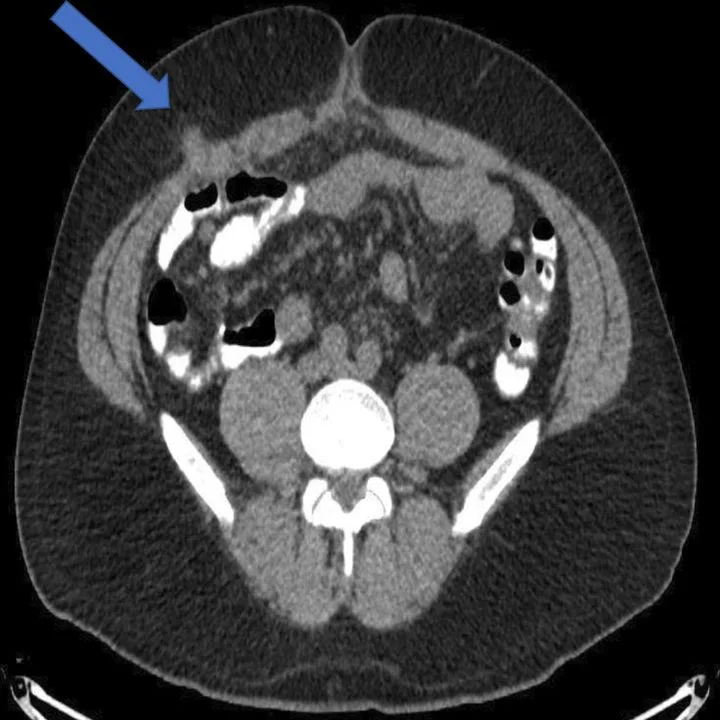
Colon cancer that later spread to the testis and liver

Patient Info: Anonymized, male, 60s | Stage IV

Metastatic Site: right testis, liver

Liver metastasis was found 6 months after orchiectomy. Telephone follow-up confirmed that he survived for more than 18 months after the testicular surgery.

PubMed Central
OutcomeSetback / Progression
Savannah, who was diagnosed with Stage II Colorectal CancerColorectal Cancer

Stage II Colorectal Cancer: Savannah's Survivor Story

Patient Info: Savannah Kaspar, Female, Under 40 | Stage II

Biomarkers: Lynch syndrome genetic testing negative

As of March 2024, Savannah had completed partial colectomy and 4 rounds of adjuvant chemotherapy for Stage II sigmoid colon cancer and had entered surveillance with bloodwork every 3 months.

MD Anderson
OutcomeSurvivorship / Surveillance
A patient, who was diagnosed with Colorectal AdenocarcinomaColorectal Cancer

Colon cancer recurrence at a surgical drain site

Patient Info: Anonymized, Male

He recovered well after abdominal-wall excision and was followed every 3–6 months, with no clinical signs of further recurrence or metastasis.

PubMed Central
OutcomeSurvivorship / Surveillance
A patient, who was diagnosed with Colorectal AdenocarcinomaColorectal Cancer

Pembrolizumab produced a complete response in unresectable dMMR colon cancer

Patient Info: Anonymized, female, 70+

Biomarkers: dMMR/MSI-H; MLH1 loss; MSH2 loss; RAS/BRAF wild type; MLH1 promoter hypermethylation

Surgery found a pathological complete response with no residual cancer in the colon or 58 lymph nodes, and follow-up showed no relapse.

PubMed Central
OutcomeCancer-Free / NED