Bevacizumab for Colorectal Cancer: 45 Real Stories

45 stories match colorectal cancer and bevacizumab. 41 of them mention targeted therapy.

Keith, who was diagnosed with Stage IV Colorectal CancerColorectal Cancer

Stage IV Colorectal Cancer: Keith's Patient Story

Patient Info: Keith, Male, 40s | Stage IV

Metastatic Site: Liver; lymph nodes; lungs

As of September 2023, Keith was on third-line treatment for Stage IV colon cancer with lung metastases, small lung lesions under 1 cm, a low tumor marker after 2 rounds, and possible trial/transplant options after standard care.

The Patient Story
OutcomeCare Ongoing
Michelle, who was diagnosed with Stage IV Colorectal CancerColorectal Cancer

Stage IV Colorectal Cancer: Michelle's Patient Story

Patient Info: Michelle Cappel, Female, 40s | Stage IV

Metastatic Site: Leg/femoral nerve area

As of July 2023, Michelle was living with recurrent Stage IV colorectal cancer after prior NED, leg/femoral-nerve recurrence, radiation, surgery with clear margins, and ongoing surveillance.

The Patient Story
OutcomeLiving With Cancer
A patient, who was diagnosed with Stage IV Colorectal AdenocarcinomaColorectal Cancer

32-year-old woman with Stage IV rectal cancer, liver and lung metastases, targeted chemotherapy, surgery, ablation, radiation, and ongoing chemotherapy

Patient Info: Anonymized, Female, Under 40 | Stage IV

Biomarkers: KRAS wild-type; NRAS wild-type; BRAF wild-type

Metastatic Site: Liver | Lung | Presacral/perirectal lymph nodes

As of the story endpoint around December 2020, she was 5 years into treatment for Stage IV rectal cancer after multiple systemic regimens, bowel/liver/lung surgery, liver recurrence treatment, ablation, lung surgery, TOMO radiation, and ongoing chemotherapy.

Cancer361 (中文)
OutcomeCare Ongoing
Kris, who was diagnosed with Stage IV Colorectal CancerColorectal Cancer

Stage IV KRAS Colorectal Cancer: Kris's Patient Story

Patient Info: Kris Sokolowski, Male, 40s | Stage IV

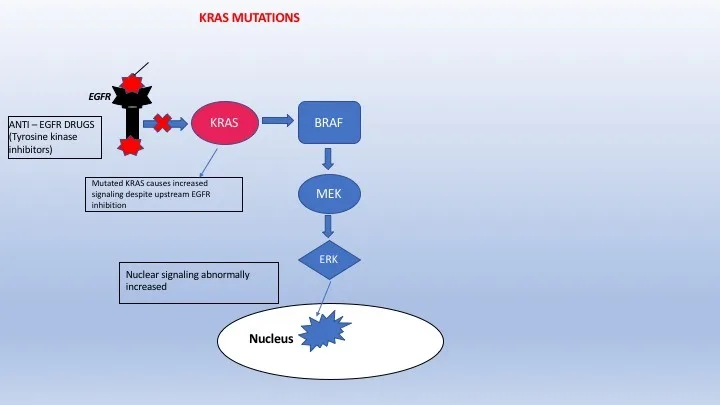
Biomarkers: KRAS mutation

Metastatic Site: Liver; sternum; spine; lymph nodes; omentum/abdominal…

As of May 2022, Kris was living with Stage IV KRAS G13D-mutant colorectal cancer. Most tumors had been stable or shrinking, but abdominal/omental disease continued to grow despite additional full-strength chemotherapy, so clinical-trial and immunotherapy options were being explored.

MD Anderson
OutcomeSetback / Progression
A patient, who was diagnosed with Stage IV Colorectal CancerColorectal Cancer

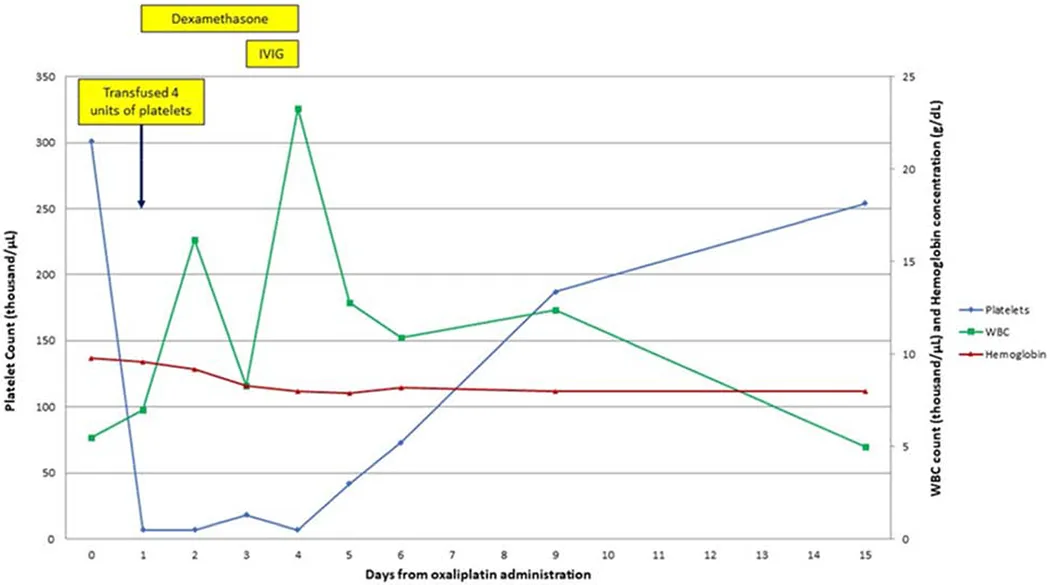
Severe immune thrombocytopenia during treatment for metastatic colon cancer

Patient Info: Anonymized, Female, 50s | Stage IV

Biomarkers: KRAS-mutated; microsatellite stable; BRAF-wild type.

Metastatic Site: bilateral ovaries; pelvis; peritoneum; mesenteric…

After multiple metastatic recurrences and treatment changes, she died from progressive colon cancer; oxaliplatin had been permanently stopped after antibody-confirmed immune thrombocytopenia.

PubMed Central
OutcomeIn Memory
A patient, who was diagnosed with Stage IV Colorectal AdenocarcinomaColorectal Cancer

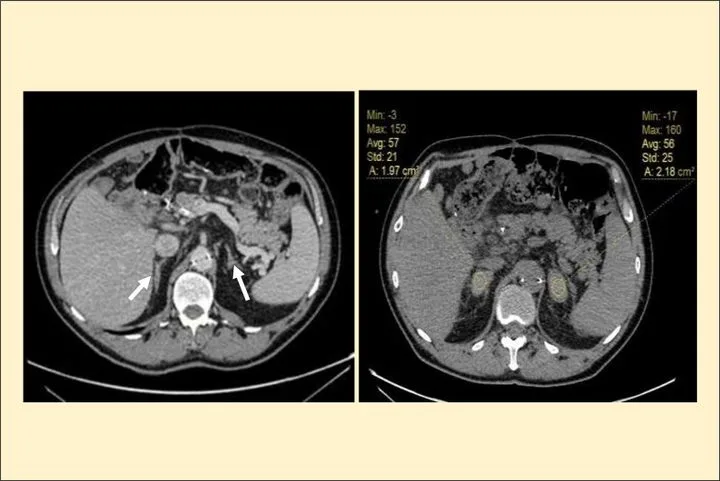
Bilateral adrenal bleeding during bevacizumab treatment for metastatic colon cancer

Patient Info: Anonymized, Male, 50s | Stage IV

Biomarkers: RAS-mutant; BRAF-wild type; microsatellite stable.

Metastatic Site: peritoneum; liver; lung

Despite multiple systemic and local treatments, his metastatic colon cancer progressed in the liver and peritoneum, and he died from disease progression in November 2018.

PubMed Central
OutcomeIn Memory
Lee, who was diagnosed with Stage IV Colorectal CancerColorectal Cancer

Stage IV Colorectal Cancer: Lee's Survivor Story

Patient Info: Lee Jones, Male, 50s | Stage IV

Metastatic Site: Liver

As of February 2021, Lee reported no evidence of colon cancer since 2011 after treatment for Stage IV colon cancer with liver metastases, recurrence, chemotherapy, colon surgery, and liver surgery.

The Patient Story
OutcomeCancer-Free / NED
A patient, who was diagnosed with Stage III Colorectal CancerColorectal Cancer

Colon Cancer With an MLH1 Deletion and Lynch Syndrome

Patient Info: Anonymized, Male, Under 40 | Stage III

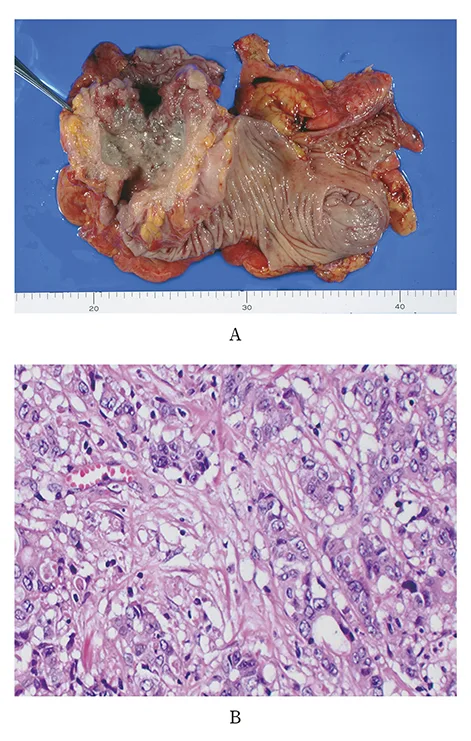
Biomarkers: dMMR with loss of MLH1 and PMS2. Familial MLH1 c.1057_1060delGCTG frameshift deletion identified; its clinical significance had not previously been reported.

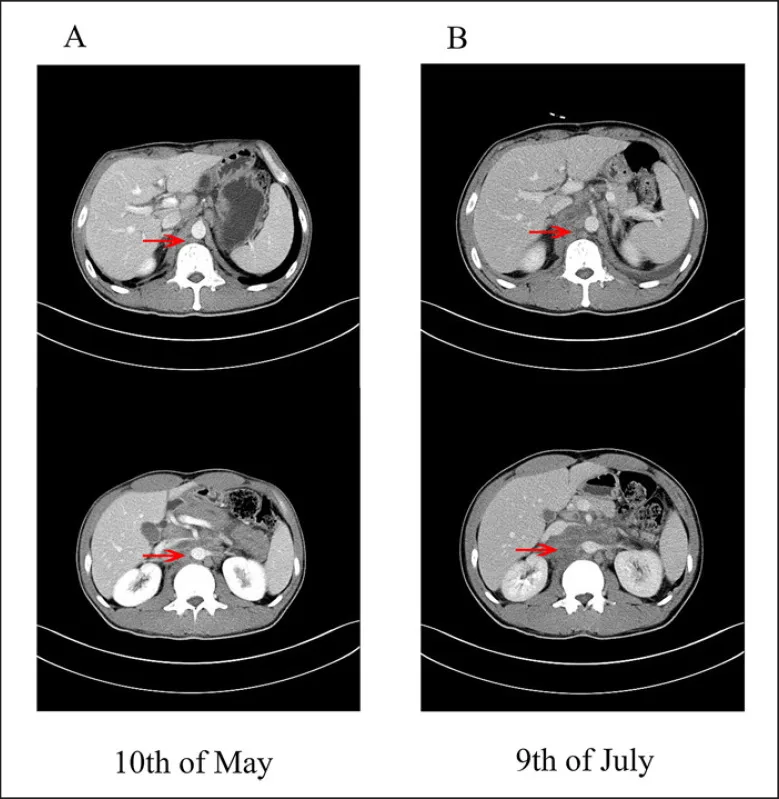
The colon cancer progressed rapidly despite postoperative and second-line therapy, and he died from multiple organ failure one week after pembrolizumab was started.

PubMed Central
OutcomeIn Memory
A patient, who was diagnosed with Stage IV Colorectal AdenocarcinomaColorectal Cancer

Treatment-Related Inflammation Mimicked Metastatic Colon Cancer Recurrence

Patient Info: Anonymized, Male, 50s | Stage IV

Biomarkers: KRAS mutation

Metastatic Site: liver|peritoneum

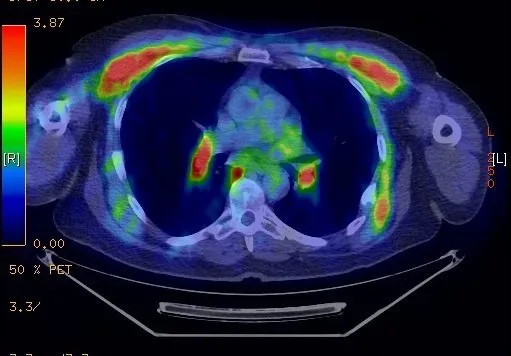
Biopsy showed that new lymph-node, liver, and spleen findings were a treatment-related sarcoid-like reaction rather than recurrence, and 18 months of surveillance found no evidence of cancer.

PubMed Central
OutcomeCancer-Free / NED
A patient, who was diagnosed with Stage IV Colorectal AdenocarcinomaColorectal Cancer

Metastatic Colon Cancer With KRAS, NRAS, and BRAF Mutations

Patient Info: Anonymized, Male, 60s | Stage IV

Biomarkers: KRAS exon 3 ; NRAS exon 2 ; BRAF exon 10 ; PIK3CA exon 2 .

Metastatic Site: liver

The liver metastases progressed despite FOLFOX and bevacizumab, and he died within one year of the initial diagnosis.

PubMed Central
OutcomeIn Memory
A patient, who was diagnosed with Stage IV Colorectal AdenocarcinomaColorectal Cancer

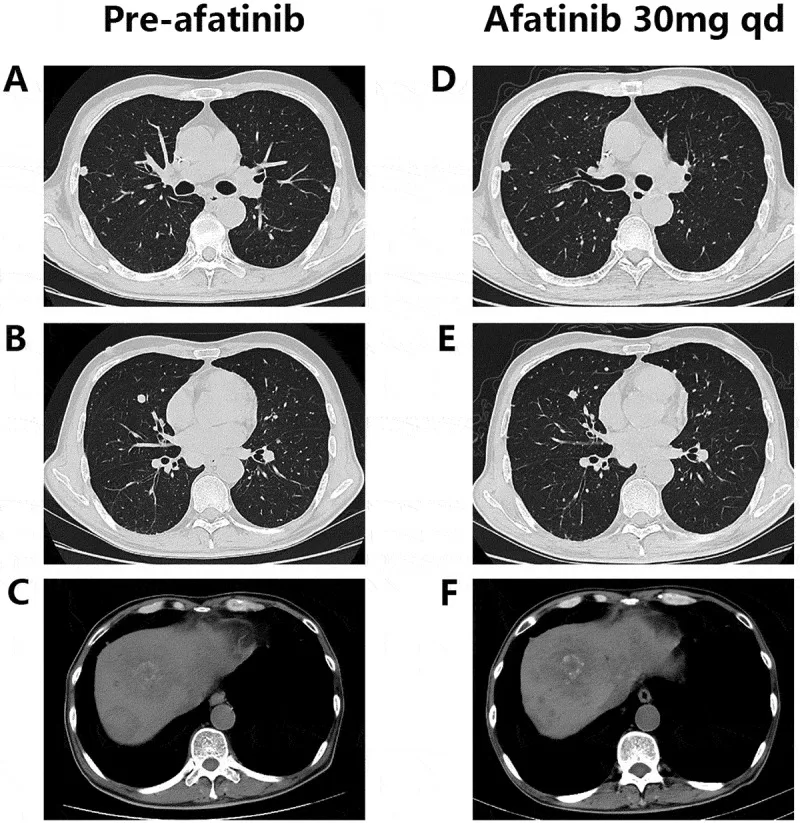
HER2-amplified metastatic colon cancer treated with afatinib after several therapies

Patient Info: Anonymized, Male, 60s | Stage IV

Biomarkers: RAS wild-type; BRAF wild-type; HER2 amplification; HER2 mutation

Metastatic Site: liver|abdominal wall|lung

After multiple treatment lines and a 3-month period of stable disease on afatinib, the cancer progressed again. He died in January 2018 from severe lung infection and kidney failure.

PubMed Central
OutcomeIn Memory
A patient, who was diagnosed with Colorectal AdenocarcinomaColorectal Cancer

Rectal Cancer Spreading to the Thyroid and Bones

Patient Info: Anonymized, Male, 40s | Stage Metastatic/Advanced

Biomarkers: CEA 2.75 ng/mL at diagnosis

Metastatic Site: thyroid|bones

His metastatic disease worsened after 3 cycles of bevacizumab and capecitabine. He declined further treatment and died at home within 2 months.

PubMed Central
OutcomeIn Memory
Patricia, who was diagnosed with Stage IV Colorectal AdenocarcinomaColorectal Cancer

Stage IV Colorectal Adenocarcinoma: Patricia's Patient Story

Patient Info: Patricia, 50s | Stage IV

Living with Stage IV colorectal cancer after about 6.5 years of intermittent chemotherapy and multiple local treatments; on a treatment holiday while awaiting December 2024 scans.

Our Cancer Stories
OutcomeLiving With Cancer
A patient, who was diagnosed with Stage IV Colorectal AdenocarcinomaColorectal Cancer

Stage IV rectal cancer treatment complicated by repeated heart-related side effects

Patient Info: Anonymized, Female | Stage IV

Biomarkers: p53 mutation

Metastatic Site: liver

After responding again to adapted chemotherapy and NanoKnife ablation, she had no evidence of active disease and had not restarted chemotherapy; ileostomy reversal was planned.

PubMed Central
OutcomeCancer-Free / NED
A patient, who was diagnosed with Colorectal CancerColorectal Cancer

Metastatic Colorectal Cancer Treated With S-1 After 5-FU Cardiotoxicity

Patient Info: Anonymized, male, 60s

Biomarkers: RAS-mutant

After progression in the liver despite prior systemic and liver-directed treatment, he started S-1, oxaliplatin and bevacizumab; the first cycle caused no cardiac complication and treatment continued as an outpatient.

PubMed Central
OutcomeCare Ongoing
A patient, who was diagnosed with Stage IV Colorectal AdenocarcinomaColorectal Cancer

Sigmoid colon cancer: complete response after repeated metastatic recurrences and multimodal therapy

Patient Info: Anonymized, Male, 60s | Stage IV

Biomarkers: KRAS/NRAS/BRAF status not reported; CEA elevation used for recurrence monitoring

Metastatic Site: left lung, mediastinal lymph nodes, left adrenal…

By 2011, all metastatic lesions had achieved complete response; nearly 1 year after the last adrenal irradiation, no recurrence had been detected.

PubMed Central
OutcomeCancer-Free / NED