Paclitaxel for Breast Cancer: 167 Real Stories

167 stories match breast cancer and paclitaxel. 151 of them mention surgery.

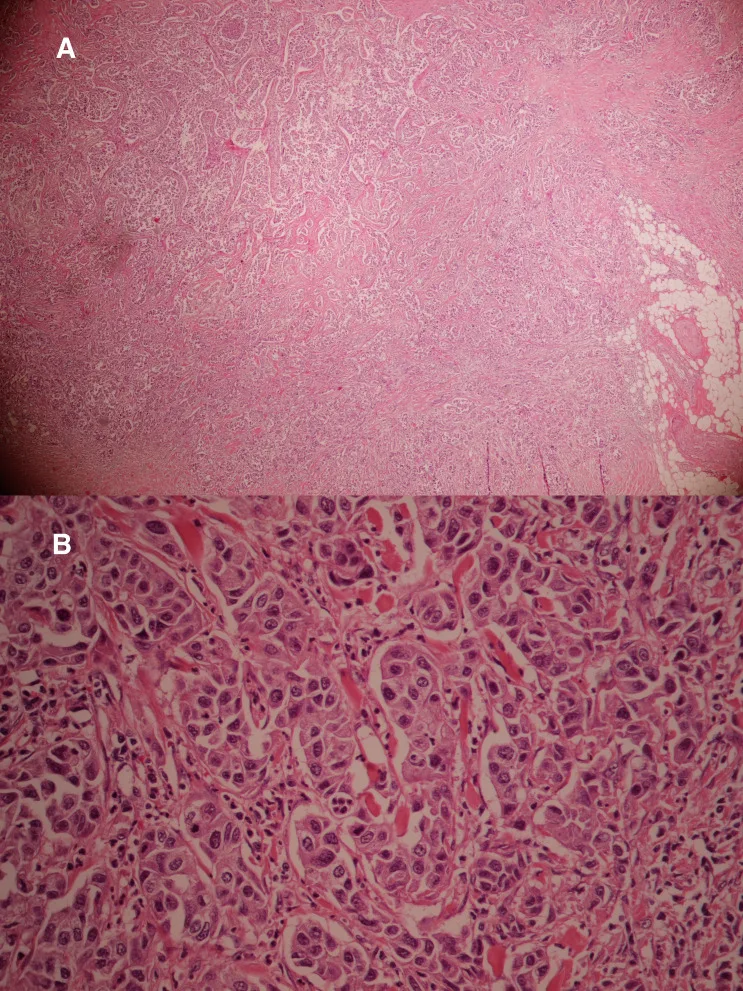
A patient, who was diagnosed with Stage IV Invasive Ductal CarcinomaBreast Cancer

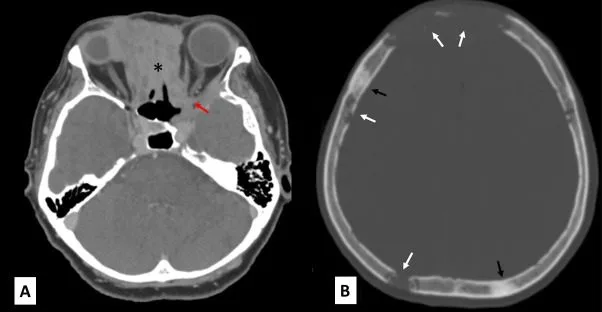
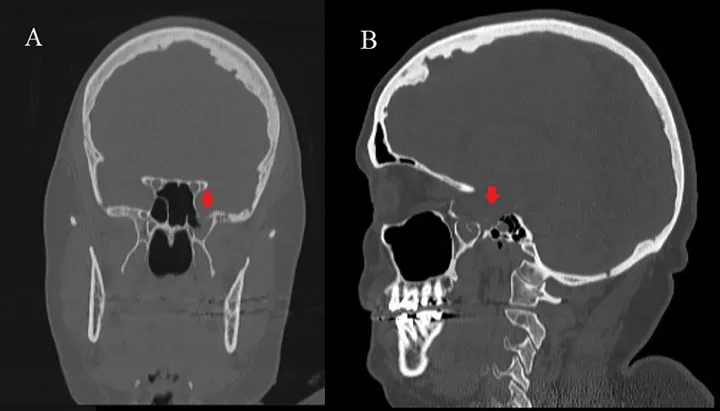
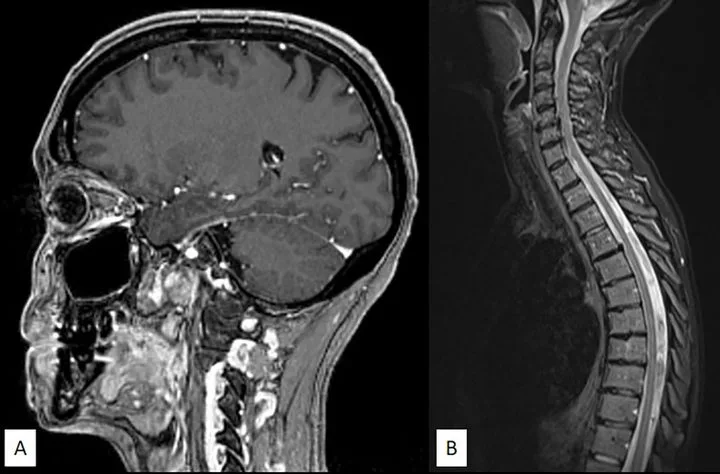
Breast Cancer Spread to the Sinuses, Eye Sockets and Skull

Patient Info: Anonymized, Female | Stage IV

Biomarkers: ER-positive; PR-positive

Metastatic Site: ethmoid and frontal sinuses; both orbits; multiple…

At 1-year follow-up, the sino-orbital metastases had not progressed on neuroimaging, right-eye visual acuity remained good, and chemoradiotherapy had been tolerated without complication.

PubMed Central
OutcomeStable Disease / Care Ongoing
A patient, who was diagnosed with Stage IV Invasive Ductal CarcinomaBreast Cancer

Metastatic Breast Cancer Treatment Caused Severe Circulation Problems in Her Fingers and Toes

Patient Info: Anonymized, Female | Stage IV

Biomarkers: HER2-positive; ER-negative; PR-negative

The digital ischaemia improved after gemcitabine was stopped, without revascularisation, debridement or amputation, although a small necrotic fingertip area persisted at 3 months. Metastatic breast cancer treatment continued with further systemic lines after progression.

PubMed Central
OutcomeLiving With Cancer / Ongoing Treatment
Abigail, who was diagnosed with Stage IV Breast CancerBreast Cancer

Stage IV PIK3CA Breast Cancer: Abigail's Patient Story

Patient Info: Abigail, Female, Under 40 | Stage IV

Biomarkers: Hormone-positive breast cancer with PIK3CA mutation and germline ATM mutation; later PD-L1 somatic change reported. HER2 not stated.

Metastatic Site: Bone, including femurs, spine, and humeri; later liver

As of October 2022, Abigail was living with Stage IV hormone-positive metastatic breast cancer after years of treatment, bone-dominant disease that later involved the liver, targeted therapies, genomic testing, and advocacy around clinical trials and patient research participation.

The Patient Story
OutcomeLiving With Cancer
A patient, who was diagnosed with Invasive Ductal CarcinomaBreast Cancer

Cancer in Accessory Breast Tissue Under Both Arms in a Man

Patient Info: Anonymized, Male

Biomarkers: Left tumor: HER2-positive by gene amplification; ER-negative; PR-negative; Ki-67 70%; p53 staining 80%

After surgery removed both accessory-breast cancers, he continued with adjuvant paclitaxel, trastuzumab and radiation.

PubMed Central
OutcomeCare Ongoing
A patient, who was diagnosed with Stage IV Invasive Ductal CarcinomaBreast Cancer

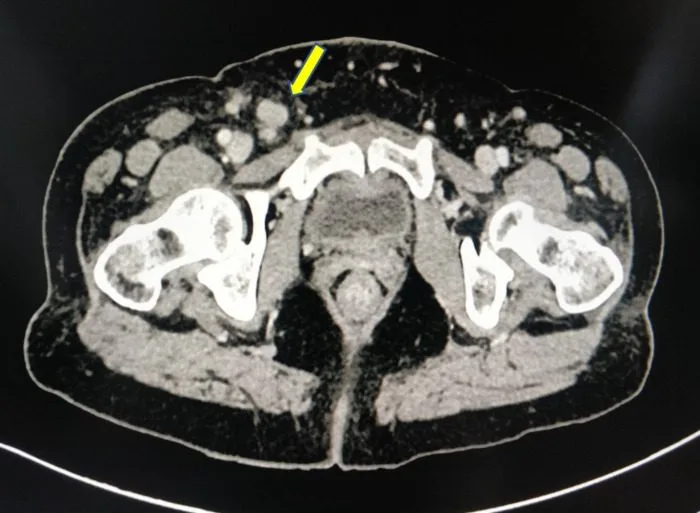
Triple-Negative Breast Cancer Recurring in Groin Lymph Nodes

Patient Info: Anonymized, Female | Stage IV

Biomarkers: ER-negative; PR-negative; HER2-negative

Metastatic Site: right inguinal lymph node; right iliac/pelvic lymph…

Her condition deteriorated after 3 cycles of palliative capecitabine. She developed vomiting, headache and seizures concerning for brain metastases and died about 4 months after the groin metastasis was detected.

PubMed Central
OutcomeIn Memory
Christal, who was diagnosed with Stage III Breast CancerBreast Cancer

Stage III Breast Cancer: Christal's Survivor Story

Patient Info: Christal Love, Female, Under 40 | Stage III

Biomarkers: hormone-positive; HER2-negative

After chemotherapy complications, surgery, radiation, later preventive removal of the other breast and reconstruction, Christal remained cancer-free for more than 5 years as of June 2022.

City of Hope
OutcomeCancer-Free / NED
A patient, who was diagnosed with Breast CancerBreast Cancer

Severe Esophageal Narrowing After Chemotherapy for Breast Cancer

Patient Info: Anonymized, female, 60s

The breast tumor shrank slightly and was considered stable before mastectomy. Her major subsequent problem was persistent treatment-related esophageal narrowing that required nutritional support and later a removable esophageal stent.

PubMed Central
OutcomeNot reported
Diana, who was diagnosed with Stage III Breast CancerBreast Cancer

Stage III Breast Cancer: Diana's Survivor Story

Patient Info: Diana, Female, 40s | Stage III

Diana described herself as being in remission while continuing low-toxicity antineoplastic monotherapy. She remained in active follow-up and focused on rebuilding daily life.

Our Cancer Stories
OutcomeCancer-Free / Remission
Angie, who was diagnosed with Stage III Invasive Lobular CarcinomaBreast Cancer

Stage III Invasive Lobular Carcinoma: Angie's Patient Story

Patient Info: Angie, Female | Stage III

Angie completed 4 AC, 12 Taxol, and 30 rounds of radiation for Stage III grade 3 ILC, then continued Arimidex for a planned 10 years as of September 2021.

Lobular Breast Cancer Alliance
OutcomeCare Ongoing
A patient, who was diagnosed with Stage IV Breast CancerBreast Cancer

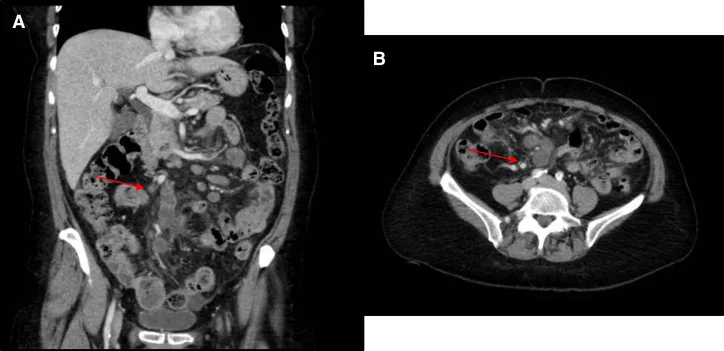
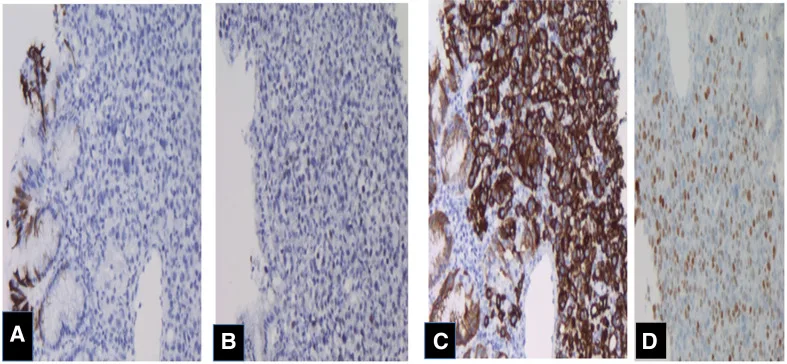
Triple-negative breast cancer first discovered through a duodenal metastasis

Patient Info: Anonymized, Female, 50s | Stage IV

Biomarkers: ER-negative; PR-negative; HER2-negative; CK7-positive; GATA3-positive; vimentin-positive; CDX2-negative; CK20-negative., triple negative

Metastatic Site: duodenum

She died two days after choosing comfort-focused care, following rapid decline from metastatic triple-negative breast cancer with duodenal involvement and small-bowel obstruction.

PubMed Central
OutcomeIn Memory
Carol, who was diagnosed with Stage IV Invasive Lobular CarcinomaBreast Cancer

Stage IV Invasive Lobular Carcinoma: Carol's Survivor Story

Patient Info: Carol, Female, 60s | Stage IV

Metastatic Site: Bone

Carol had de novo Stage IV breast cancer with bone metastases, achieved complete remission after chemotherapy, stayed on daily Letrozole for 10 years, then returned to NED/no active disease after Kisqali and Faslodex for bone progression.

Lobular Breast Cancer Alliance
OutcomeCancer-Free / NED
LA
Breast Cancer

Locally advanced male breast cancer associated with a pathogenic ATM variant

Patient Info: Anonymized, Male, 50s | Stage Metastatic/Advanced

Biomarkers: ER 100% positive; PR 100% positive; HER2-negative; Ki-67 30%; germline pathogenic ATM variant c.2921+1G>A.

Two years after diagnosis, he had an ECOG performance status of 0 and remained without signs of breast-cancer relapse or another primary cancer.

PubMed Central
OutcomeCancer-Free / NED
A patient, who was diagnosed with Stage IV Invasive Ductal CarcinomaBreast Cancer

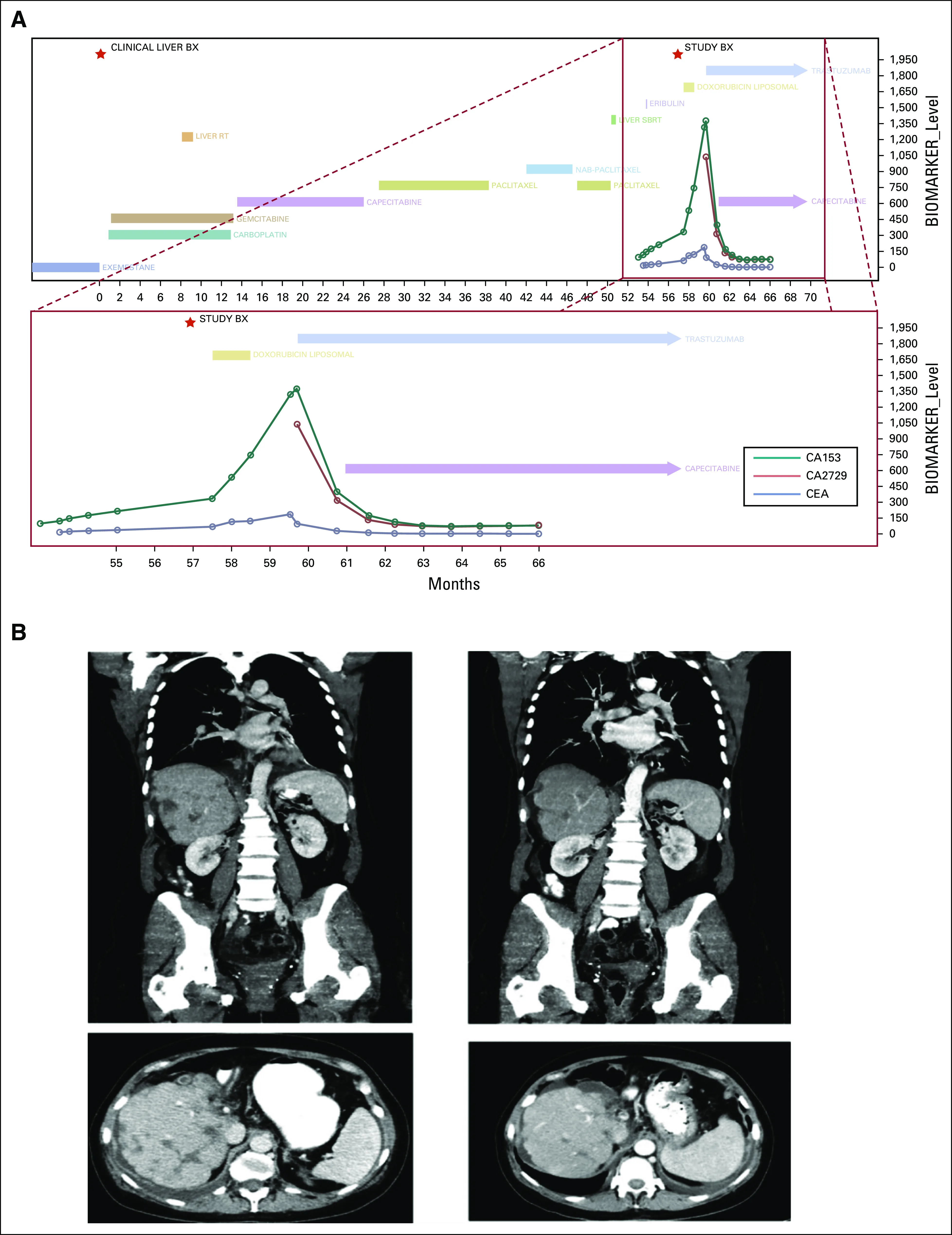
A durable response to trastuzumab in heavily pretreated metastatic breast cancer

Patient Info: Anonymized, Female, 60s | Stage IV

Biomarkers: Initial tumor ER-positive and PR-positive. Metastatic liver biopsy ER-negative and PR-negative with HER2 IHC 1+ and nonamplified. Later biopsy ER and PR weakly positive at 5%–10%, HER2 IHC 1+ and nonamplified, and ERBB3 p. with evidence of HER2/HER3 pathway activation.

Metastatic Site: lungs; hilar and mediastinal lymph nodes; liver; bone

She had ongoing benefit for more than 10 months on trastuzumab and capecitabine, with improved symptoms, lower tumor markers, and a confirmed partial response.

PubMed Central
OutcomeResponding Well
Harper, who was diagnosed with Stage IV Breast CancerBreast Cancer

Stage IV Breast Cancer: Harper's Patient Story

Patient Info: Harper, Female, 50s | Stage IV

Harper was living with Stage IV breast cancer after self-funded private treatment that included mastectomy, lymphadenectomy, chemotherapy, and radiation therapy; she felt better than before diagnosis but still hoped for complete recovery.

Our Cancer Stories
OutcomeLiving With Cancer
A patient, who was diagnosed with Stage IV Invasive Ductal CarcinomaBreast Cancer

HER2-positive breast cancer diagnosed during pregnancy and later spread to bone and brain

Patient Info: Anonymized, Female, Under 40 | Stage IV

Biomarkers: Initial tumour: ER 0%, PR <1%, HER2 3+

Metastatic Site: bone (L3)|brain

After treatment and surveillance without new lesions, she developed a large symptomatic occipital brain metastasis 14 months after completing paclitaxel and radiation and died after rapid neurological deterioration.

PubMed Central
OutcomeIn Memory
A patient, who was diagnosed with Invasive Ductal CarcinomaBreast Cancer

Triple-Negative Breast Cancer Treated With Mastectomy and Chemotherapy

Patient Info: Anonymized, Female, 40s

Biomarkers: Triple-negative.

The later accessory-breast-tissue cancer was considered a separate new primary after a five-year interval, and she was currently without evidence of disease.

PubMed Central
OutcomeCancer-Free / NED
A patient, who was diagnosed with Invasive Ductal CarcinomaBreast Cancer

HER2-Positive Breast Cancer Linked to a Rare Immune-Related Neurological Syndrome

Patient Info: Anonymized, Female, 40s

Biomarkers: HER2-positive in both foci; one focus ER-negative/PR-positive with Ki-67 45%; second focus ER-negative/PR-negative with Ki-67 35%; anti-Yo antibodies positive in serum and CSF; tumour-susceptibility gene panel negative

At 1 year, she had completed trastuzumab, continued tamoxifen, and had no evidence of recurrent breast cancer; intensive rehabilitation improved her mobility, although balance and right-sided neurological deficits persisted.

PubMed Central
OutcomeCancer-Free / NED
A patient, who was diagnosed with Stage IV Invasive Ductal CarcinomaBreast Cancer

Recurrent Breast Cancer With a Benign-Appearing Chest-Wall Rash

Patient Info: Anonymized, Female | Stage IV

Biomarkers: Initial tumor: ER-positive; PR-negative; HER2-negative.

Metastatic Site: mediastinal lymph nodes

She had recurrent chest-wall and mediastinal metastatic disease; a later rash biopsy showed dermatitis rather than another skin recurrence.

PubMed Central
OutcomeLiving With Cancer
A patient, who was diagnosed with Invasive Ductal CarcinomaBreast Cancer

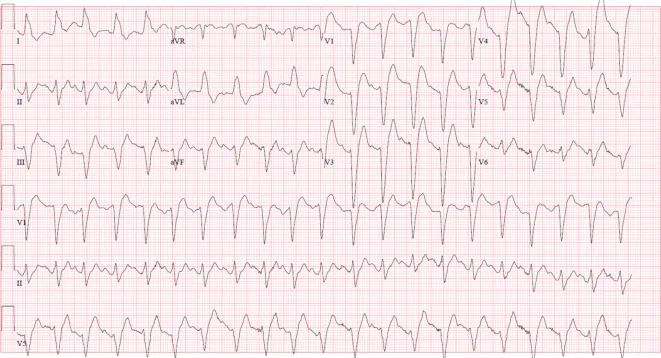
Heart Failure and Electrical Conduction Changes During Trastuzumab Treatment

Patient Info: Anonymized, Female, 70+

Biomarkers: HER2-positive; ER-positive

Trastuzumab was suspended after acute heart failure and electrical conduction abnormalities; 4 weeks later, left ventricular function recovered and the ECG returned to normal during cardio-oncology follow-up.

PubMed Central
OutcomeNot reported
A patient, who was diagnosed with Stage IV Invasive Ductal CarcinomaBreast Cancer

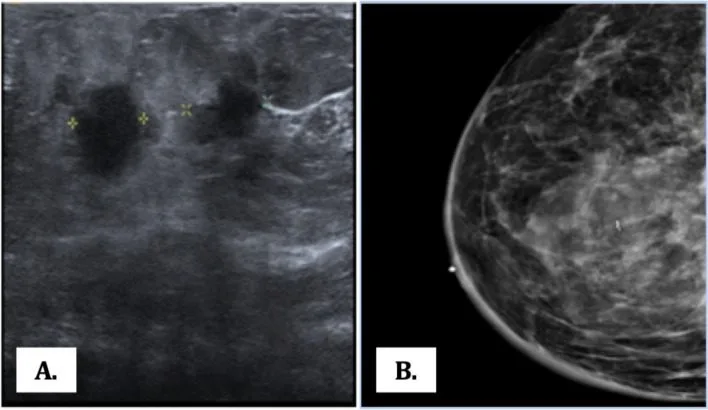
Young woman with ductal breast cancer and bleeding gastric metastases

Patient Info: Anonymized, Female, Under 40 | Stage IV

Biomarkers: ER-positive; PR-negative; HER2-negative

Metastatic Site: pancreas|liver|kidney|stomach

After rapid progression to the pancreas, liver, kidney and stomach, she chose palliative care and died 1 month after presenting with gastrointestinal bleeding.

PubMed Central
OutcomeIn Memory
Caitlin, who was diagnosed with Stage II Invasive Ductal CarcinomaBreast Cancer

Stage II HR-Positive Invasive Ductal Carcinoma: Caitlin's Patient Story

Patient Info: Caitlin J., Female, Under 40 | Stage II

Biomarkers: ER-positive; PR-positive; BRCA-negative

As of July 2020, Caitlin had completed lumpectomy, AC chemotherapy, Taxol, and 33 radiation treatments for Stage IIB ER-positive, PR-positive IDC and was continuing monthly Lupron plus daily anastrozole.

The Patient Story
OutcomeCare Ongoing
Eva, who was diagnosed with Stage IV Breast CancerBreast Cancer

Stage IV Triple-Negative Breast Cancer: Eva's Patient Story

Patient Info: Eva Joseph | Stage IV

Biomarkers: Triple-negative

Metastatic Site: lungs, sternum

On ongoing atezolizumab plus nab-paclitaxel, Eva’s lung and sternum tumors became very small and were being kept at bay while she felt well enough to enjoy short trips.

AACR
OutcomeResponding Well