Gemcitabine for Breast Cancer: 13 Real Stories

13 stories match breast cancer and gemcitabine. 11 of them mention carboplatin.

Stephanie, who was diagnosed with Stage II Invasive Ductal CarcinomaBreast Cancer

Stage II BRCA1 Invasive Ductal Carcinoma: Stephanie's Patient Story

Patient Info: Stephanie Hargis, Female, Under 40 | Stage II

Biomarkers: ER-negative; PR-negative; HER2-negative; BRCA1 mutation

Stephanie had Stage II triple-negative breast cancer with BRCA1 mutation, then a local recurrence in April 2023 without distant spread; after surgery, chemotherapy, Keytruda, radiation, and Lynparza, she remained in ongoing post-recurrence treatment.

BreastCancer.org (ES)
OutcomeCare Ongoing
Alison, who was diagnosed with Stage IV Breast CancerBreast Cancer

Stage IV HR-Positive Breast Cancer: Alison's Survivor Story

Patient Info: Alison, Female, Under 40 | Stage IV

Biomarkers: ER-positive; PR-positive; HER2-positive

Metastatic Site: Cervical/neck lymph nodes

Alison reported complete remission since August 2017 while continuing intermittent maintenance chemotherapy, most recently 1 month of treatment followed by 2 months off.

The Patient Story
OutcomeLiving With Cancer / Remission
Erin, who was diagnosed with Stage IV Breast CancerBreast Cancer

Stage IV Triple-Negative Breast Cancer: Erin's Patient Story

Patient Info: Erin, Female | Stage IV

Biomarkers: ER-negative; PR-negative; HER2-negative; later tumor responded to androgen signaling

Metastatic Site: Lung; brain

As of June 2026, Erin was living with metastatic triple-negative breast cancer involving lung and brain, with tumors shrinking on ongoing Gemzar plus carboplatin chemotherapy every 2 weeks.

The Patient Story
OutcomeResponding Well
A patient, who was diagnosed with Stage IV Breast CancerBreast Cancer

Stage IIB triple-negative metaplastic breast cancer with early metastatic recurrence: durable response to pembrolizumab-based therapy

Patient Info: Anonymized, Female, 50s | Stage IV

Biomarkers: Triple-negative metaplastic breast cancer with PD-L1 CPS 83.2, BRCA1/2 negative

Metastatic Site: lung, sternum

As of May 2026, she had more than 30 months of disease control after pembrolizumab-based therapy for early recurrent metastatic metaplastic breast cancer, with only mild residual sternal uptake and no disease progression.

PubMed Central
OutcomeResponding Well
A patient, who was diagnosed with Stage IV Invasive Lobular CarcinomaBreast Cancer

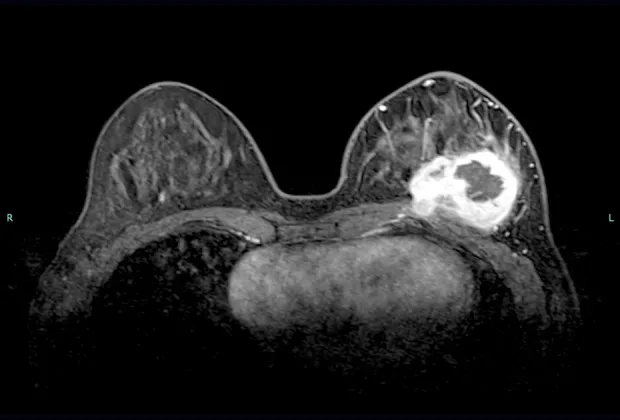
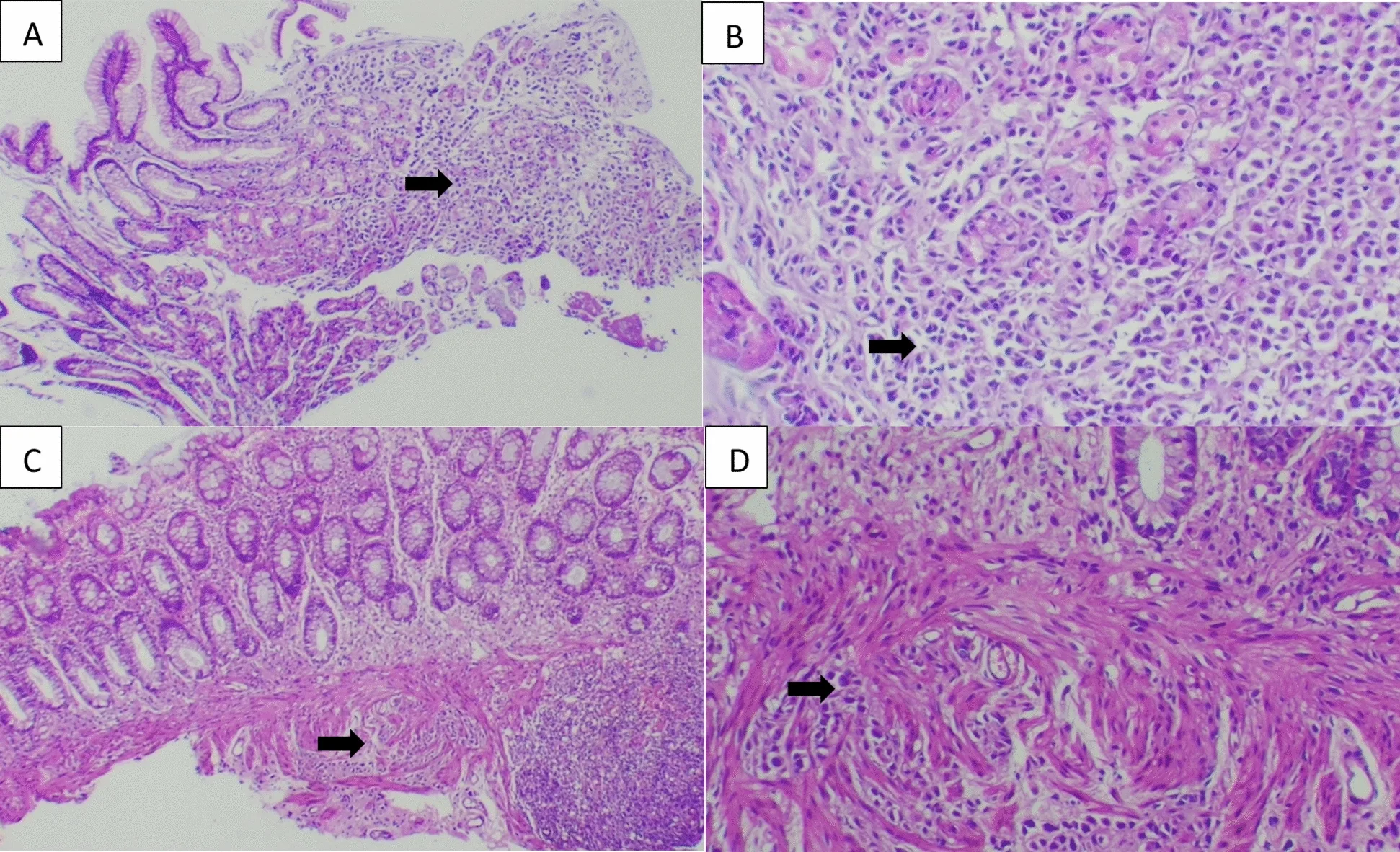
Metastatic invasive lobular breast cancer with stomach, ovarian, peritoneal, rectal, and jejunal spread

Patient Info: Anonymized, Female, 40s | Stage IV

Biomarkers: Primary tumor and gastric metastasis were ER/PR positive and HER2 negative; GATA3 supported breast origin in the metastasis.

Metastatic Site: stomach; ovaries; peritoneum; rectum; jejunum

During 2025, she remained under active oncologic management for metastatic invasive lobular breast cancer with gastrointestinal, ovarian, peritoneal, rectal, and jejunal involvement.

PubMed Central
OutcomeLiving With Cancer
A patient, who was diagnosed with Stage IV Breast CancerBreast Cancer

Metastatic triple-negative breast cancer with sacituzumab-govitecan pneumonitis and progression

Patient Info: Anonymized, Female, 60s | Stage IV

Biomarkers: ER-negative; PR-negative; HER2-negative

Metastatic Site: lung

Sacituzumab-govitecan pneumonitis improved with corticosteroids and half-dose rechallenge did not reproduce pneumonitis, but follow-up CT showed one new pulmonary metastasis and enlargement of previous lung metastases; PFS on sacituzumab govitecan was 5.37 months.

PubMed Central
OutcomeSetback / Progression
Sonja, who was diagnosed with Stage IV Breast CancerBreast Cancer

Stage IV HER2-Positive Breast Cancer: Sonja's Patient Story

Patient Info: Sonja Rideout, Female | Stage IV

Biomarkers: HER2-positive; Tempus testing later indicated immunotherapy as an option

Metastatic Site: Lungs; liver; bone: tailbone; thoracic lymph nodes

As of January 2026, Sonja was living with metastatic HER2-positive breast cancer after spread to lungs and liver, later tailbone and thoracic lymph nodes, and had moved to weekly carboplatin/gemcitabine plus monthly immunotherapy.

Susan G. Komen
OutcomeSetback / Progression
A patient, who was diagnosed with Stage III Invasive Ductal CarcinomaBreast Cancer

Recurrent breast cancer complicated by T-DXd-associated dermatomyositis and interstitial lung disease

Patient Info: Anonymized, Female, 40s | Stage III

Biomarkers: Initial tumor had weak ER/AR, PR-negative, HER2 0. Recurrence became ER/PR/AR-negative, HER2-low, PD-L1 CPS ~30.

The cancer progressed after adjuvant therapy and again after 6 cycles of gemcitabine/carboplatin. Trastuzumab deruxtecan was followed by dermatomyositis features and interstitial pneumonia, with symptoms worsening despite glucocorticoid treatment after continued exposure.

PubMed Central
OutcomeSetback / Progression
A patient, who was diagnosed with Stage III Invasive Ductal CarcinomaBreast Cancer

Stage IIIB HER2-positive breast cancer followed by resected pancreatic ductal adenocarcinoma

Patient Info: Anonymized, Female, 50s | Stage III

Biomarkers: Breast cancer HER2-amplified; ER/PR changed from positive to negative after treatment. Pancreatic markers supported a separate pancreatic cancer.

The breast cancer achieved radiological and clinical remission after multimodality HER2-directed treatment. In 2025, a separate pancreatic ductal adenocarcinoma was resected, and adjuvant gemcitabine plus albumin-bound paclitaxel was recommended.

PubMed Central
OutcomeCare Ongoing
A patient, who was diagnosed with Stage IV Invasive Ductal CarcinomaBreast Cancer

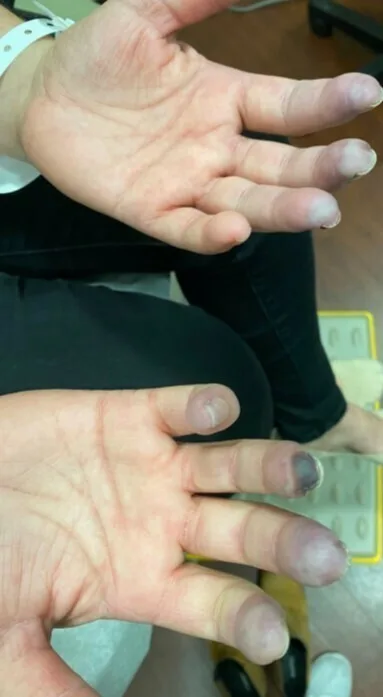
Metastatic Breast Cancer Treatment Caused Severe Circulation Problems in Her Fingers and Toes

Patient Info: Anonymized, Female | Stage IV

Biomarkers: HER2-positive; ER-negative; PR-negative

The digital ischaemia improved after gemcitabine was stopped, without revascularisation, debridement or amputation, although a small necrotic fingertip area persisted at 3 months. Metastatic breast cancer treatment continued with further systemic lines after progression.

PubMed Central
OutcomeLiving With Cancer / Ongoing Treatment
A patient, who was diagnosed with Stage IV Invasive Ductal CarcinomaBreast Cancer

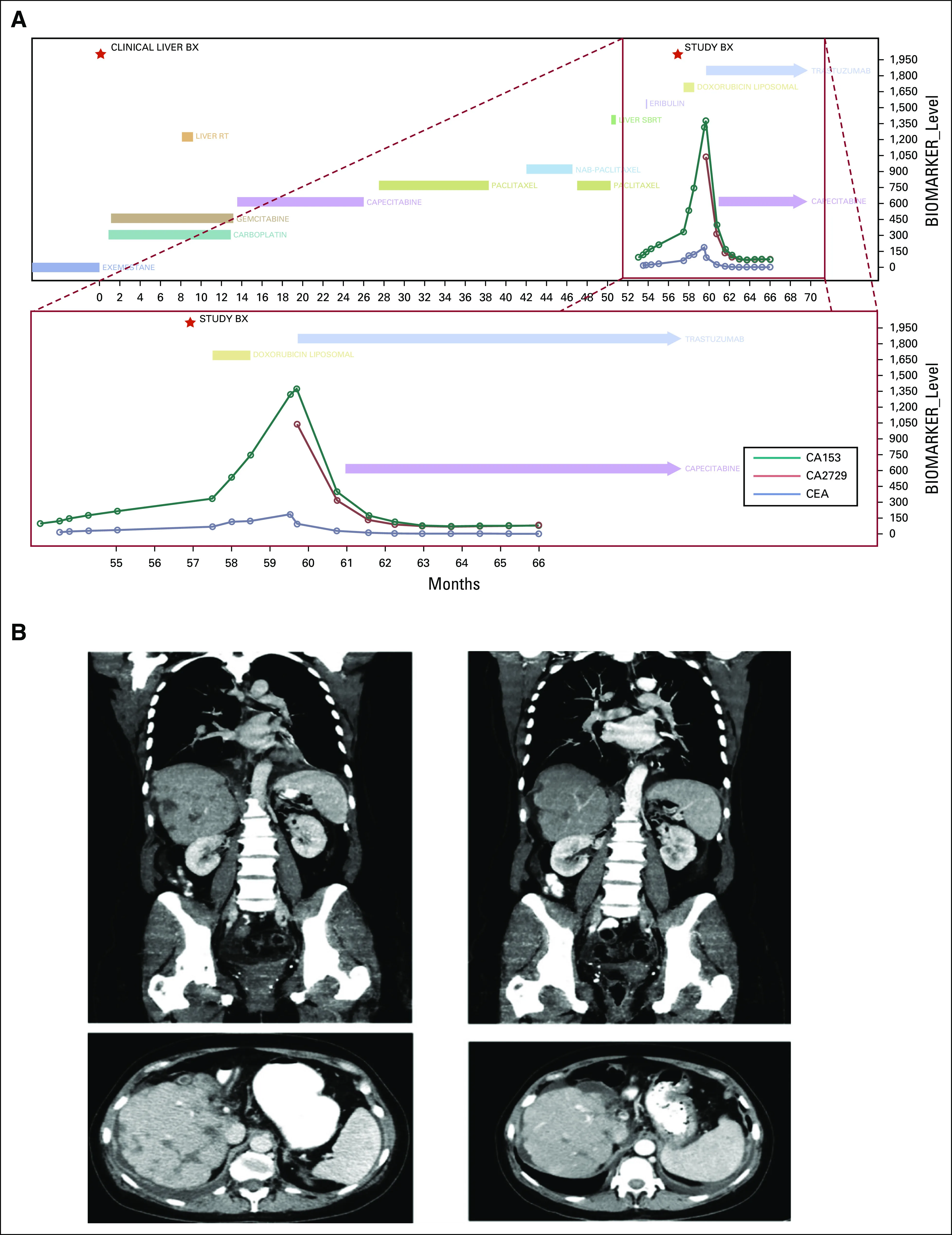
A durable response to trastuzumab in heavily pretreated metastatic breast cancer

Patient Info: Anonymized, Female, 60s | Stage IV

Biomarkers: Initial tumor ER-positive and PR-positive. Metastatic liver biopsy ER-negative and PR-negative with HER2 IHC 1+ and nonamplified. Later biopsy ER and PR weakly positive at 5%–10%, HER2 IHC 1+ and nonamplified, and ERBB3 p. with evidence of HER2/HER3 pathway activation.

Metastatic Site: lungs; hilar and mediastinal lymph nodes; liver; bone

She had ongoing benefit for more than 10 months on trastuzumab and capecitabine, with improved symptoms, lower tumor markers, and a confirmed partial response.

PubMed Central
OutcomeResponding Well