Fulvestrant for Breast Cancer: 29 Real Stories

29 stories match breast cancer and fulvestrant. 25 of them mention targeted therapy.

A patient, who was diagnosed with Stage IV Invasive Ductal CarcinomaBreast Cancer

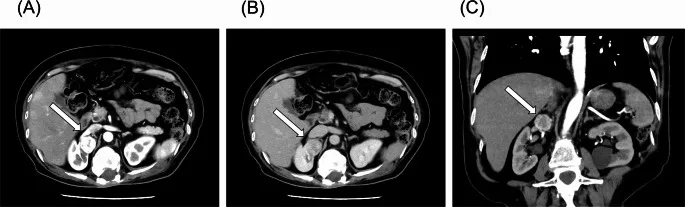
Breast cancer spread into a separate kidney cancer

Patient Info: Anonymized, Female, 60s | Stage IV

Biomarkers: ER-positive; PR-positive; HER2 equivocal

Metastatic Site: bone|kidney

The kidney surgery unexpectedly confirmed a new breast-cancer metastasis, changing her breast cancer status to systemic progression. A new systemic treatment was planned.

PubMed Central
OutcomeSetback / Progression
A patient, who was diagnosed with Stage IV Invasive Lobular CarcinomaBreast Cancer

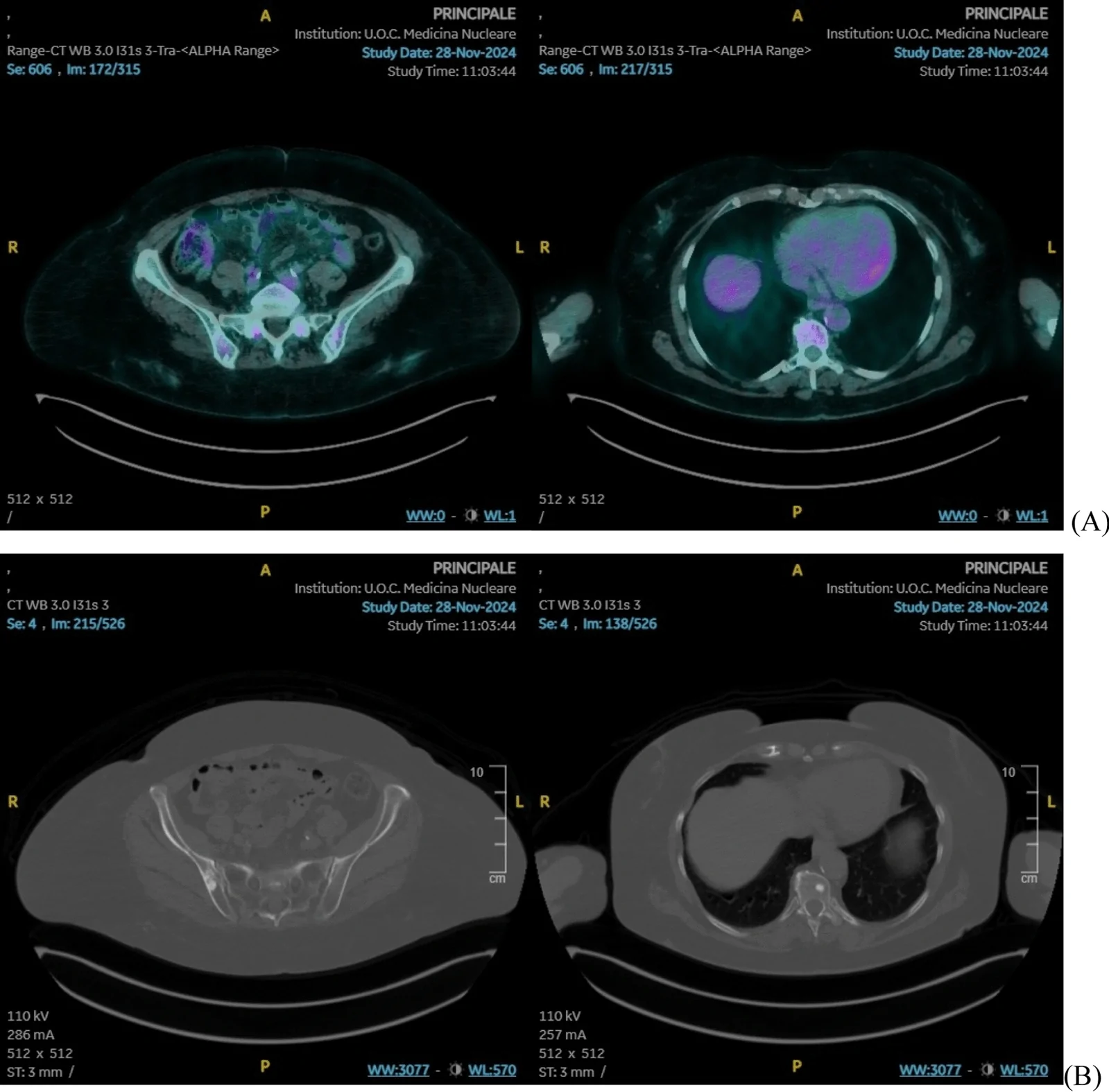
Metastatic invasive lobular breast cancer with stomach, ovarian, peritoneal, rectal, and jejunal spread

Patient Info: Anonymized, Female, 40s | Stage IV

Biomarkers: Primary tumor and gastric metastasis were ER/PR positive and HER2 negative; GATA3 supported breast origin in the metastasis.

Metastatic Site: stomach; ovaries; peritoneum; rectum; jejunum

During 2025, she remained under active oncologic management for metastatic invasive lobular breast cancer with gastrointestinal, ovarian, peritoneal, rectal, and jejunal involvement.

PubMed Central
OutcomeLiving With Cancer
A patient, who was diagnosed with Stage IV Invasive Lobular CarcinomaBreast Cancer

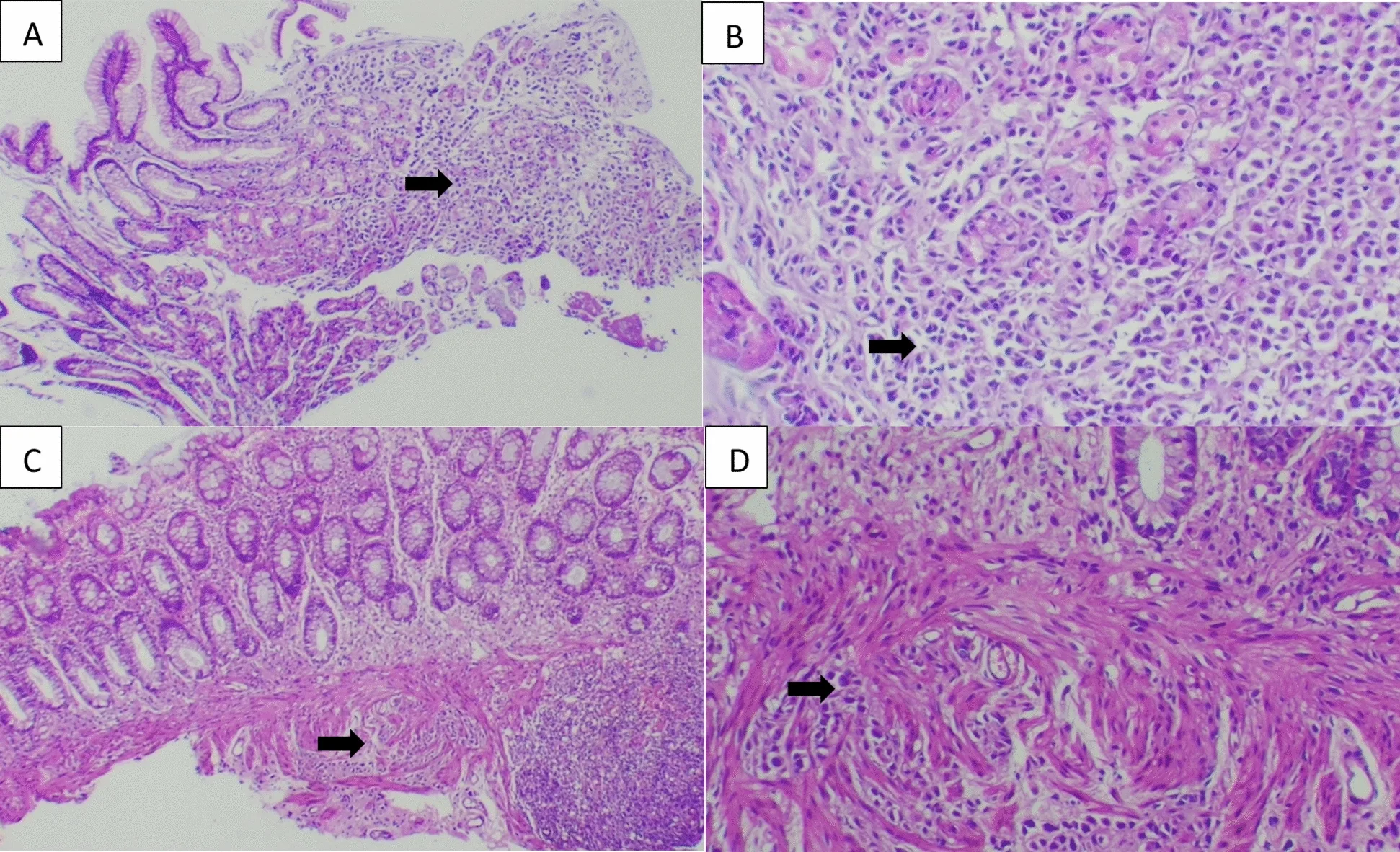
Invasive lobular breast cancer with colonic metastases treated with colectomy and capecitabine

Patient Info: Anonymized, Female, 50s | Stage IV

Biomarkers: Breast and colon metastatic samples were ER+ and HER2-; PR varied by sample

Metastatic Site: colon; perivisceral lymph nodes

After laparoscopic left colectomy and capecitabine for colonic metastases, follow-up showed no clinical or radiological evidence of recurrence or progression at 8 months postoperatively.

PubMed Central
OutcomeResponding Well
Sonja, who was diagnosed with Stage IV Breast CancerBreast Cancer

Stage IV HER2-Positive Breast Cancer: Sonja's Patient Story

Patient Info: Sonja Rideout, Female | Stage IV

Biomarkers: HER2-positive; Tempus testing later indicated immunotherapy as an option

Metastatic Site: Lungs; liver; bone: tailbone; thoracic lymph nodes

As of January 2026, Sonja was living with metastatic HER2-positive breast cancer after spread to lungs and liver, later tailbone and thoracic lymph nodes, and had moved to weekly carboplatin/gemcitabine plus monthly immunotherapy.

Susan G. Komen
OutcomeSetback / Progression
Dalitso, who was diagnosed with Stage IV Invasive Ductal CarcinomaBreast Cancer

Stage IV Invasive Ductal Carcinoma: Dalitso's Patient Story

Patient Info: Dalitso, Female, Under 40 | Stage IV

Metastatic Site: bone: spine, ribs, sternum, hip sockets

Dalitso had severe Stage IV bone-metastatic breast cancer with hospice-level symptoms and later bone progression, but subsequent imaging after a new treatment approach showed no visible active disease.

The Patient Story
OutcomeResponding Well
A patient, who was diagnosed with Stage IV Breast CancerBreast Cancer

Metastatic hormone receptor-positive breast cancer: palbociclib and fulvestrant during dialysis

Patient Info: Anonymized, Female, 60s | Stage IV

Biomarkers: ER-positive; PR-negative; HER2 0 / HER2-negative; Ki-67 20.1%

Metastatic Site: lung, pleura, bone, right supraclavicular lymph node

As of August 2025, metastatic breast cancer had remained stable for 18 months on fulvestrant plus dialysis-adjusted palbociclib dosing, with hematologic toxicity managed through treatment interruptions, transfusion, and dose reduction.

PubMed Central
OutcomeLiving With Cancer
A patient, who was diagnosed with Stage IV Invasive Lobular CarcinomaBreast Cancer

Metastatic ER-positive pleomorphic lobular breast cancer: psoas metastasis and stable disease on eribulin

Patient Info: Anonymized, Female, 70+ | Stage IV

Biomarkers: Primary and chest-wall recurrence were ER/PR positive, HER2 negative. Later psoas metastasis was ER positive, PR/HER2 negative.

Metastatic Site: skin of left chest wall; bone; left psoas muscle;…

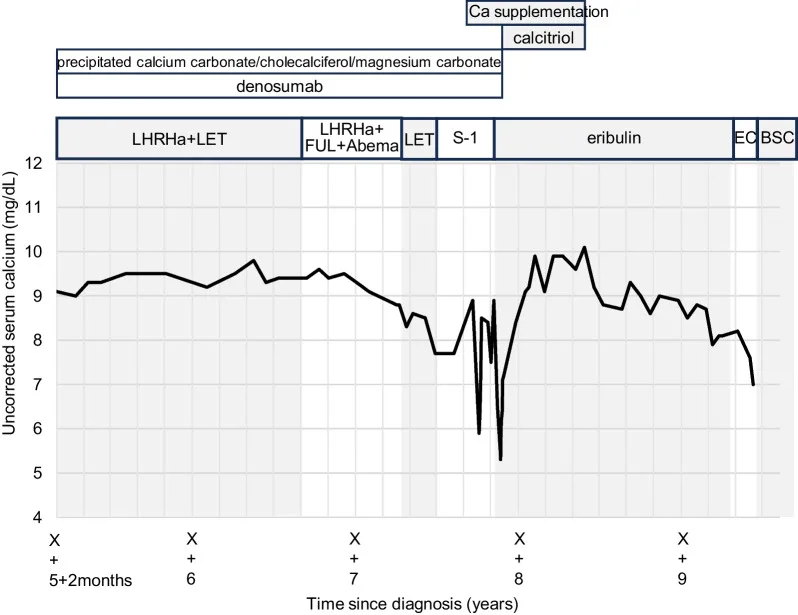
As of May 2025, one year after diagnosis of malignant psoas syndrome from breast cancer metastasis, she remained on outpatient treatment with eribulin and had stable disease.

PubMed Central
OutcomeLiving With Cancer
MB
Breast Cancer

Metastatic breast cancer with receptor evolution: sequential endocrine, immunotherapy, CDK4/6, and antibody-drug conjugate treatment

Patient Info: Anonymized, Female, 50s | Stage IV

Biomarkers: Markers changed over time: initial tumor ER-positive/HER2-negative; local recurrence triple-negative/HER2-low; pleural fluid ER-negative.

Metastatic Site: mediastinal lymph nodes, pleura; pulmonary nodules…

More than 7 years after diagnosis, she remained on sequential systemic therapy for metastatic breast cancer, with at least a partial response 3 months after starting sacituzumab govitecan for presumed triple-negative pleural disease.

PubMed Central
OutcomeResponding Well
A patient, who was diagnosed with Stage IV Invasive Ductal CarcinomaBreast Cancer

HR-positive HER2-negative metastatic breast cancer: bone metastases managed with sequential endocrine therapy

Patient Info: Anonymized, Female, 50s | Stage IV

Biomarkers: ER 90%+, PR 80%+, HER2-. CA 15-3 was tracked during treatment.

Metastatic Site: skull base; spine; sternum; ribs; left iliac bone;…

Metastatic HR-positive, HER2-negative breast cancer remained under active management; after earlier progression, palbociclib plus fulvestrant and zoledronic acid produced stable/remission findings on PET/CT at 3 months and again 1 year later, with continued 3-month follow-up recommended.

PubMed Central
OutcomeLiving With Cancer
A patient, who was diagnosed with Stage IV Invasive Ductal CarcinomaBreast Cancer

MSI-High Metastatic Hormone-Receptor-Positive Breast Cancer Responding to Pembrolizumab

Patient Info: Anonymized, female, 40s | Stage IV

Biomarkers: ER-positive; PR-positive; HER2-negative; MSI-high; BRCA mutation-negative

Metastatic Site: bone, para-aortic lymph nodes, brain

Pembrolizumab produced marked improvement in metastatic bone and nodal disease. After 1 year it was stopped because of appetite loss; 8 months later she was symptom-free and back at work on endocrine therapy, although asymptomatic brain metastases were documented.

PubMed Central
OutcomeLiving With Cancer
A patient, who was diagnosed with Stage IV Invasive Ductal CarcinomaBreast Cancer

Metastatic HER2-Positive Breast Cancer With Treatment-Related Telangiectasias

Patient Info: Anonymized, female, 60s | Stage IV

Biomarkers: HER2-positive; initially ER-negative and PR-negative; metastatic disease weakly ER-positive and PR-negative; germline testing negative

Metastatic Site: left supraclavicular, mediastinal, axillary and…

Living with HER2-positive breast cancer for 9+ years since her 2014 diagnosis, including metastatic disease since 2017. She remained on reduced-dose tucatinib in 2023 while treatment-related telangiectasias improved after dose reduction and electrocautery.

PubMed Central
OutcomeLiving With Cancer
A patient, who was diagnosed with Stage IV Invasive Ductal CarcinomaBreast Cancer

Male Breast Cancer Controlled for Years Through Multiple Lines of Targeted and Endocrine Therapy

Patient Info: Anonymized, male, 70+ | Stage IV

Biomarkers: Initial tumor ER-positive, PR-positive, HER2-positive; later ER-positive, PR-negative, HER2-negative; PIK3CA mutation; germline BRCA1/2 negative

Metastatic Site: bones, pleura, liver

After a 5-year and 6-month disease-free interval, the cancer recurred in bone and later progressed to the pleura and liver. He died in January 2021, more than 13 years after his 2007 breast-cancer diagnosis.

PubMed Central
OutcomeIn Memory
Abigail, who was diagnosed with Stage IV Breast CancerBreast Cancer

Stage IV PIK3CA Breast Cancer: Abigail's Patient Story

Patient Info: Abigail, Female, Under 40 | Stage IV

Biomarkers: Hormone-positive breast cancer with PIK3CA mutation and germline ATM mutation; later PD-L1 somatic change reported. HER2 not stated.

Metastatic Site: Bone, including femurs, spine, and humeri; later liver

As of October 2022, Abigail was living with Stage IV hormone-positive metastatic breast cancer after years of treatment, bone-dominant disease that later involved the liver, targeted therapies, genomic testing, and advocacy around clinical trials and patient research participation.

The Patient Story
OutcomeLiving With Cancer
Carol, who was diagnosed with Stage IV Invasive Lobular CarcinomaBreast Cancer

Stage IV Invasive Lobular Carcinoma: Carol's Survivor Story

Patient Info: Carol, Female, 60s | Stage IV

Metastatic Site: Bone

Carol had de novo Stage IV breast cancer with bone metastases, achieved complete remission after chemotherapy, stayed on daily Letrozole for 10 years, then returned to NED/no active disease after Kisqali and Faslodex for bone progression.

Lobular Breast Cancer Alliance
OutcomeCancer-Free / NED
Kirby, who was diagnosed with Stage IV Breast CancerBreast Cancer

Stage IV Breast Cancer: Kirby's Patient Story

Patient Info: Kirby Lewis, Male | Stage IV

Biomarkers: ER-positive, PR-positive, HER2-negative

Metastatic Site: lung|spine

Kirby was living with metastatic breast cancer, and his most recent scans showed the right-lung tumor was stable with no signs of progression while he continued fulvestrant and palbociclib.

AACR
OutcomeStable Disease
A patient, who was diagnosed with Stage IV Invasive Ductal CarcinomaBreast Cancer

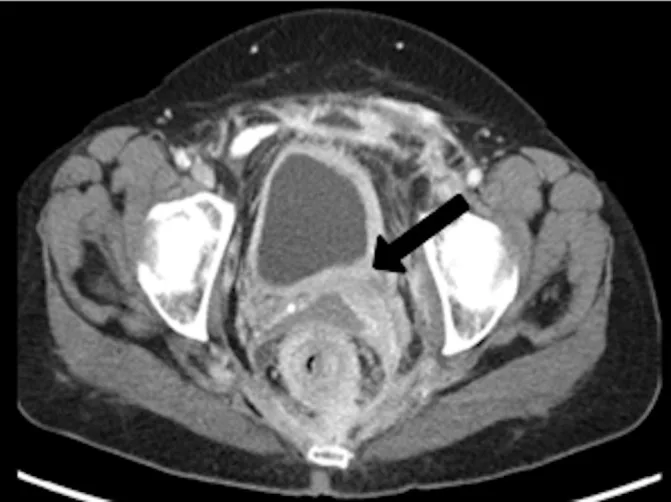
Breast cancer recurrence involving the bladder and bones

Patient Info: Anonymized, Female | Stage IV

Biomarkers: Initial breast cancer: ER-positive, PR-positive, HER2-negative. Bladder metastasis: ER-positive, PR-negative, HER2 1+.

Metastatic Site: bladder, bone, rectosigmoid region, anorectal region

She died in October 2016 from pulmonary haemorrhage, 47 months after metastatic disease was diagnosed.

PubMed Central
OutcomeIn Memory
A patient, who was diagnosed with Stage IV Invasive Ductal CarcinomaBreast Cancer

Metastatic Breast Cancer With Durable Liver and Peritoneal Response to Eribulin

Patient Info: Anonymized, female, 50s | Stage IV

Biomarkers: Initial tumor: ER 90%, PgR 70%. Liver metastasis: ER 60%, HER2 1+

Metastatic Site: liver, peritoneum

While continuing eribulin beyond 34 cycles, her liver disease was stable and the peritoneal response persisted after earlier major tumor reduction.

PubMed Central
OutcomeStable Disease