FEC for Breast Cancer: 8 Real Stories

8 stories match breast cancer and FEC. 7 of them mention surgery.

Danièle, who was diagnosed with Breast CancerBreast Cancer

Breast Cancer: Danièle's Survivor Story

Patient Info: Danièle, Female

Biomarkers: Tumor markers rose from 28 to 58 during early chemotherapy

Danièle completed FEC, cisplatin, 25 radiation sessions, and mastectomy with 18 lymph nodes removed; her surgeon said all cancer had been removed, while recovery included pain, dizziness, arm problems, and emotional distress.

Chimio-Pratique (Blog)
OutcomeCancer-Free / NED
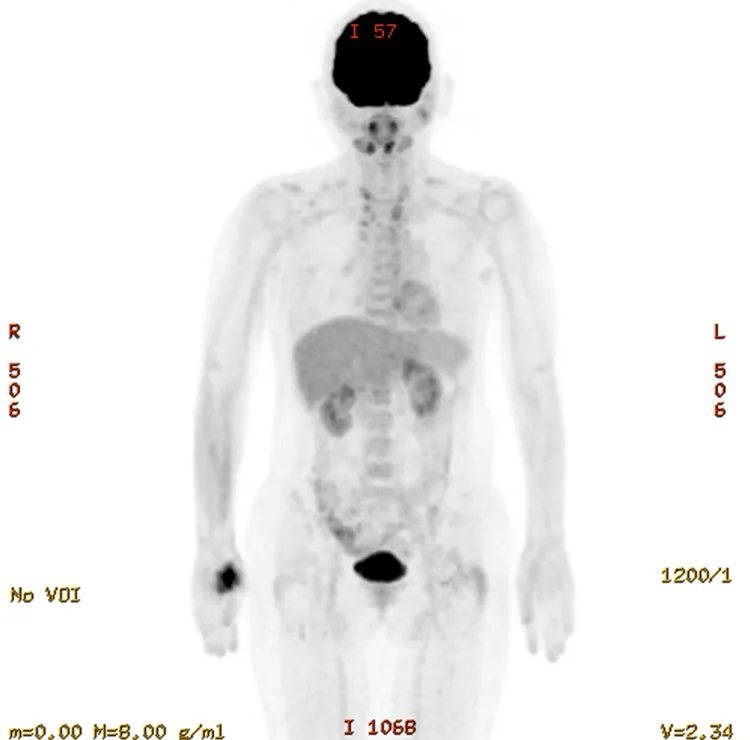
A patient, who was diagnosed with Stage IV Breast CancerBreast Cancer

Stage 4 hormone receptor-positive breast cancer: remission with PARP inhibitor

Patient Info: Anonymized, Female, 40s | Stage IV

Biomarkers: HR-positive breast cancer with HER2-low/negative recurrence, and pathogenic BRCA2 R2318* mutation.

Metastatic Site: pleura

As of January 2025, she had maintained complete response for 36 months after sequential FEC/docetaxel and olaparib for hormone receptor-positive, HER2-negative/HER2-low metastatic breast cancer with BRCA2 R2318* mutation.

PubMed Central
OutcomeCancer-Free / NED
A patient, who was diagnosed with Invasive Lobular CarcinomaBreast Cancer

Triple-Negative Pleomorphic Lobular Breast Cancer in a BRCA1 Carrier

Patient Info: Anonymized, Female, Under 40

Biomarkers: Triple-negative, BRCA1 pathogenic mutation

Surgery after neoadjuvant treatment showed a complete pathologic response with no cancer in the 2 sampled sentinel lymph nodes.

PubMed Central
OutcomeResponding Well
A patient, who was diagnosed with Stage IV Invasive Ductal CarcinomaBreast Cancer

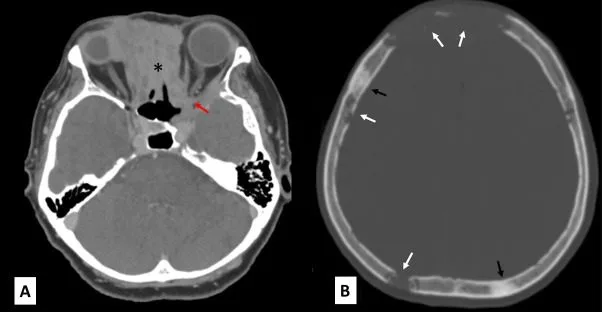
Breast Cancer Spread to the Sinuses, Eye Sockets and Skull

Patient Info: Anonymized, Female | Stage IV

Biomarkers: ER-positive; PR-positive

Metastatic Site: ethmoid and frontal sinuses; both orbits; multiple…

At 1-year follow-up, the sino-orbital metastases had not progressed on neuroimaging, right-eye visual acuity remained good, and chemoradiotherapy had been tolerated without complication.

PubMed Central
OutcomeStable Disease / Care Ongoing
A patient, who was diagnosed with Stage IV Breast CancerBreast Cancer

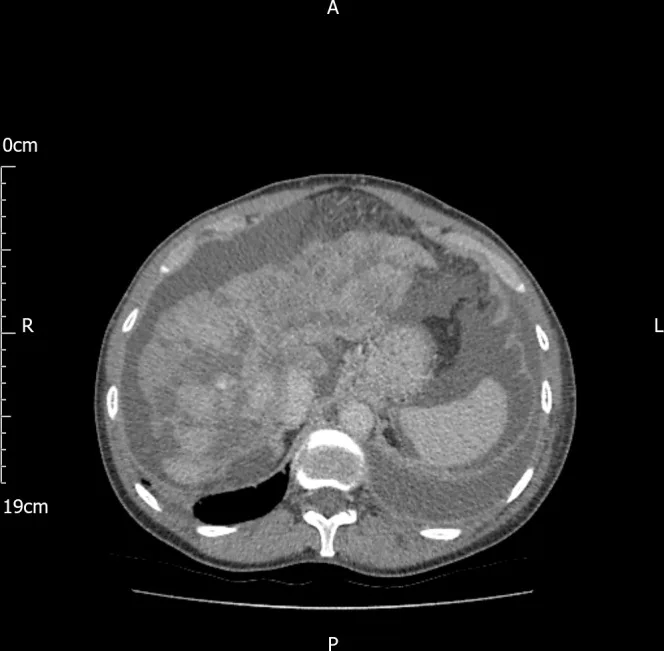
Breast Cancer Recurrence in the Liver Mimicking Cirrhosis

Patient Info: Anonymized, Female, 60s | Stage IV

Biomarkers: Original cancer: HER2-negative and PR-positive. Liver recurrence: ER-positive.

Metastatic Site: liver

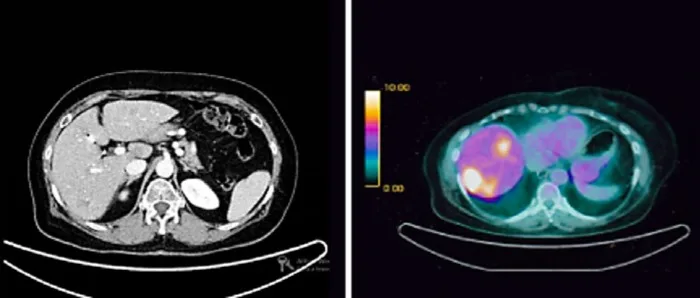
The breast cancer recurred in the liver after 14 years, produced pseudocirrhosis and portal-hypertension complications, and she died from hepatorenal syndrome five weeks after presentation.

PubMed Central
OutcomeIn Memory
A patient, who was diagnosed with Stage IV Invasive Ductal CarcinomaBreast Cancer

Breast Cancer Recurrence in the Parotid Gland Eight Years Later

Patient Info: Anonymized, Female, 50s | Stage IV

Biomarkers: Primary breast tumor: ER-positive and HER2-positive. Parotid metastasis: ER-positive, PR-negative, and HER2-positive.

Metastatic Site: left parotid gland

The isolated parotid metastasis was completely resected, one-month PET-CT showed no significant abnormality, and endocrine therapy continued with exemestane.

PubMed Central
OutcomeCare Ongoing
A patient, who was diagnosed with Stage IV Invasive Ductal CarcinomaBreast Cancer

Bilateral Breast Cancers Followed by Metastatic Disease and Long Eribulin Treatment

Patient Info: Anonymized, female, 50s | Stage IV

Biomarkers: Left primary: ER 90%, HER2 FISH not amplified, Ki67 25%. Right primary: ER 90%

Metastatic Site: lung, pleura, liver, bone

After pelvic bone metastases appeared in 2017, she stopped eribulin, received pelvic radiation and remained on fulvestrant treatment.

PubMed Central
OutcomeCare Ongoing
A patient, who was diagnosed with Stage IV Invasive Ductal CarcinomaBreast Cancer

Metastatic Breast Cancer With Durable Liver and Peritoneal Response to Eribulin

Patient Info: Anonymized, female, 50s | Stage IV

Biomarkers: Initial tumor: ER 90%, PgR 70%. Liver metastasis: ER 60%, HER2 1+

Metastatic Site: liver, peritoneum

While continuing eribulin beyond 34 cycles, her liver disease was stable and the peritoneal response persisted after earlier major tumor reduction.

PubMed Central
OutcomeStable Disease