Hormone Therapy for ER Positive Breast Cancer: 141 Real Stories

141 stories match breast cancer, ER positive and hormone therapy. 128 of them mention surgery.

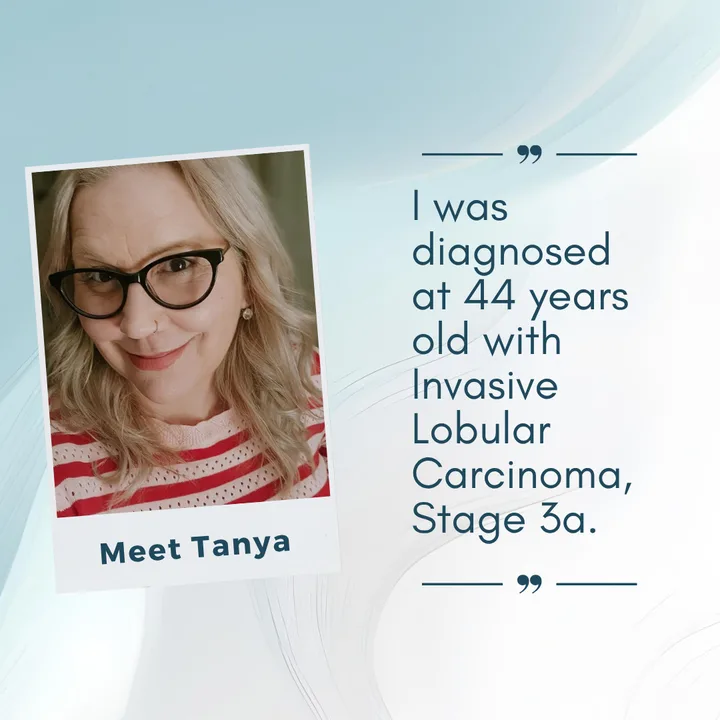
Tanya, who was diagnosed with Stage III Invasive Lobular CarcinomaBreast Cancer

Stage III HR-Positive Invasive Lobular Carcinoma: Tanya's Patient Story

Patient Info: Tanya, Female, 40s | Stage III

Biomarkers: ER-positive; PR-positive; HER2-negative; grade 1

As of May 2025, Tanya was recovering from chest wall surgery, ALT flap repair, and a later skin graft after developing angiosarcoma in her radiated reconstructed breast years after Stage IIIA ILC treatment.

Lobular Breast Cancer Alliance
OutcomeSetback / Progression
A patient, who was diagnosed with Stage III Invasive Ductal CarcinomaBreast Cancer

Stage IIIB ER/PR-positive breast cancer: emergency mastectomy for infected fungating tumor

Patient Info: Anonymized, Female, 70+ | Stage III

Biomarkers: ER >75%; PR >75%; HER2 0 / HER2-negative; grade 3 invasive ductal carcinoma

As of May 2025, management centered on anastrozole after emergency mastectomy, repeated debridements, wound care, and major postoperative complications; oncology follow-up had become inconsistent because of ongoing medical setbacks.

PubMed Central
OutcomeCare Ongoing
Kelsey, who was diagnosed with Stage II Breast CancerBreast Cancer

Stage II HR-Positive Breast Cancer: Kelsey's Patient Story

Patient Info: Kelsey, Female, Under 40 | Stage II

Biomarkers: ER-positive

As of May 2025, Kelsey had completed chemotherapy, double mastectomy with reconstruction, and 16 radiation sessions, and was continuing tamoxifen with Verzenio planned for 2 years plus Lupron ovarian-suppression shots.

The Patient Story

OutcomeCare Ongoing
LaShae, who was diagnosed with Stage II Invasive Ductal CarcinomaBreast Cancer

Stage II HR-Positive Invasive Ductal Carcinoma: LaShae's Patient Story

Patient Info: LaShae, Female, Under 40 | Stage II

Biomarkers: ER-positive; comprehensive genetic panel negative

As of May 2025, LaShae had completed mastectomy for Stage IIB ER-positive breast cancer with 2 positive lymph nodes and was undergoing chemotherapy, with radiation and 5-10 years of hormone therapy planned.

The Patient Story
OutcomeCare Ongoing
Samantha, who was diagnosed with Stage IV Invasive Ductal CarcinomaBreast Cancer

Stage IV HR-Positive Invasive Ductal Carcinoma: Samantha's Patient Story

Patient Info: Samantha, Female, Under 40 | Stage IV

Biomarkers: ER-positive; PR-positive; HER2-positive

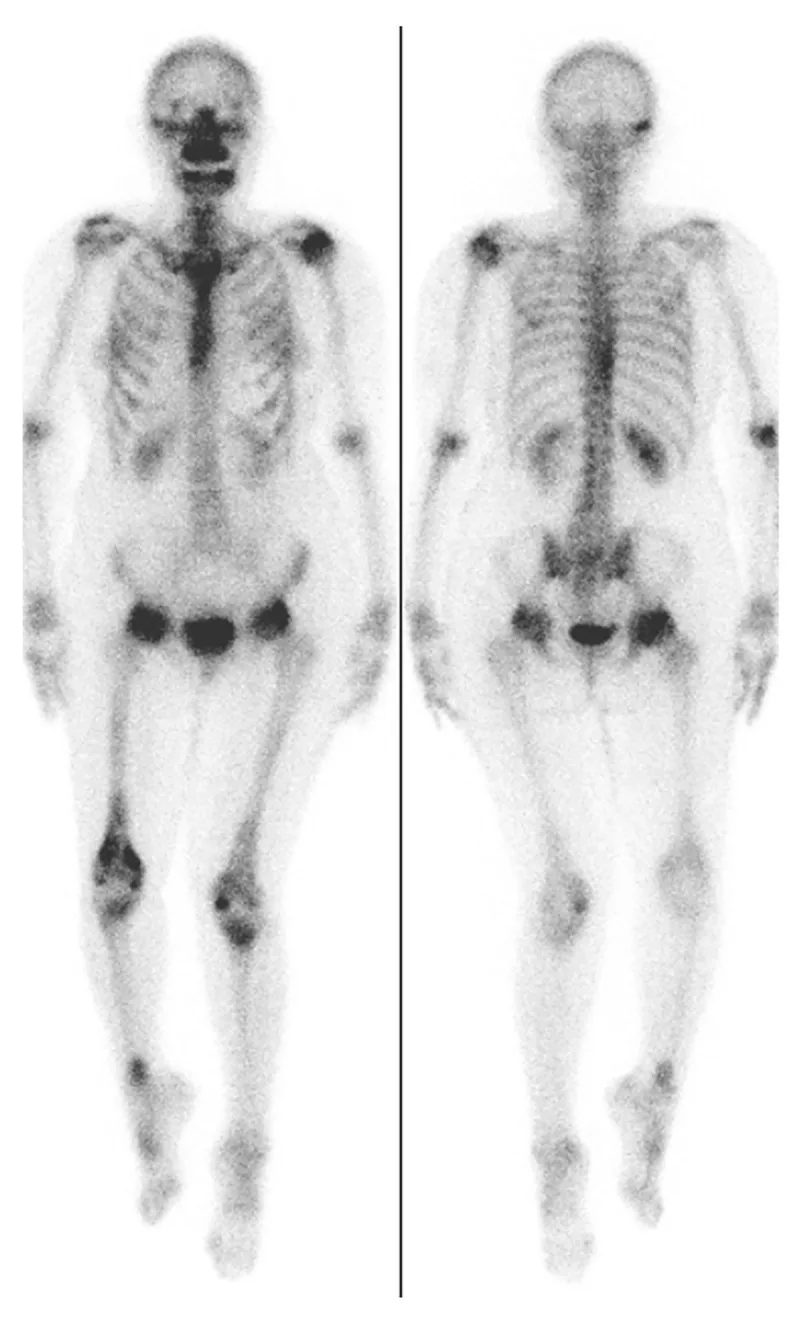
Metastatic Site: Rib; spine; pelvis

After a mixed response on the radium trial, Samantha changed to anastrozole and abemaciclib. She described the newer hormone-targeted combination as easier to tolerate and working better while remaining in ongoing treatment.

The Patient Story
OutcomeLiving With Cancer / Ongoing Therapy
Mandy, who was diagnosed with Stage I Invasive Lobular CarcinomaBreast Cancer

Stage I HR-Positive Invasive Lobular Carcinoma: Mandy's Patient Story

Patient Info: Mandy, Female, 40s | Stage I

Biomarkers: ER-positive; PR-positive; low Oncotype score; genetic testing negative for 70 cancer-causing genes

As of April 2025, Mandy was about 10 months after bilateral mastectomy for Stage IA ER-positive, PR-positive ILC, had a low Oncotype score, was planning several years of tamoxifen, and was still in reconstruction.

Lobular Breast Cancer Alliance
OutcomeCare Ongoing
A patient, who was diagnosed with Stage IV Invasive Ductal CarcinomaBreast Cancer

HER2-positive breast cancer with brain metastases: responding well to T-DXd

Patient Info: Anonymized, Female, 50s | Stage IV

Biomarkers: ER-positive; PR-positive; HER2-positive / HER2 IHC 3+

Metastatic Site: brain (left cerebellum, left frontal lobe, medulla)

After 14 months and 19 doses of T-DXd, brain metastases remained controlled with no symptomatic or radiological relapse and no severe T-DXd-related adverse events.

PubMed Central
OutcomeResponding Well
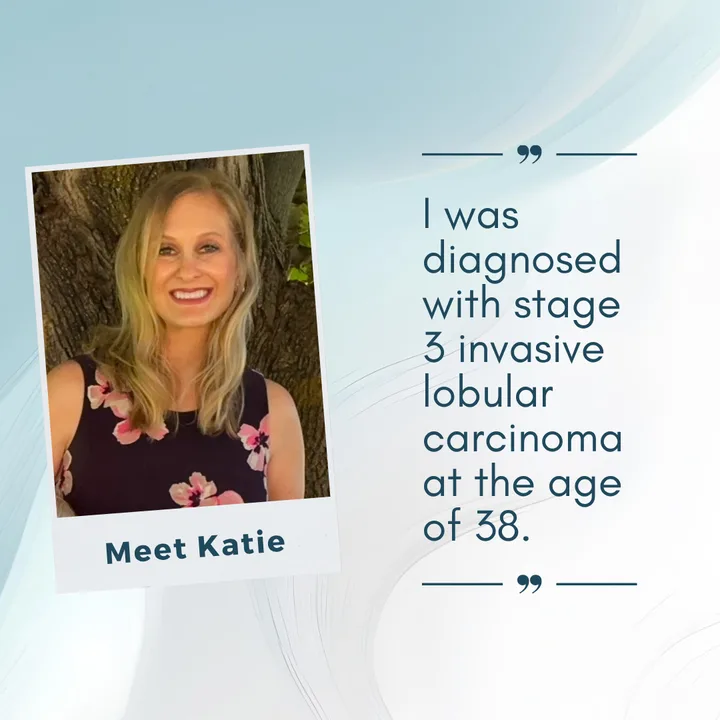
Katie, who was diagnosed with Stage III Invasive Lobular CarcinomaBreast Cancer

Stage III HR-Positive Invasive Lobular Carcinoma: Katie's Patient Story

Patient Info: Katie, Female, Under 40 | Stage III

Biomarkers: ER-positive; PR-positive; HER2-negative; genetic testing negative

As of February 2025, Katie was a few months beyond active treatment for Stage III ER-positive, PR-positive, HER2-negative ILC and was adjusting to maintenance therapy with Verzenio, Lupron, and Letrozole.

Lobular Breast Cancer Alliance
OutcomeCare Ongoing
Karen, who was diagnosed with Stage II Invasive Lobular CarcinomaBreast Cancer

Stage II HR-Positive Invasive Lobular Carcinoma: Karen's Survivor Story

Patient Info: Karen, Female, 40s | Stage II

Biomarkers: ER-positive; PR-positive; HER2-negative; grade 2; inherited genetic testing negative

Karen completed double mastectomy, 3 months of chemotherapy and reconstruction. She was doing well on ongoing endocrine and targeted therapy and walking 3–5 miles daily.

Lobular Breast Cancer Alliance
OutcomeCare Ongoing / Survivorship
A patient, who was diagnosed with Stage I Breast CancerBreast Cancer

Stage I ER-positive/HER2-positive breast cancer with radiation-associated morphea

Patient Info: Anonymized, Female, 70+ | Stage I

Biomarkers: ER-positive; PR-negative; HER2-positive

No evidence of breast cancer recurrence after 2018 treatment; ongoing issue was generalized morphea and breast deformity related to prior radiation, improved with mycophenolate by April 2024.

PubMed Central
OutcomeCancer-Free / NED
A patient, who was diagnosed with Stage IV Breast CancerBreast Cancer

Stage IV luminal A breast cancer: liver resection and disease-free follow-up

Patient Info: Anonymized, Female, 50s | Stage IV

Biomarkers: luminal A; ER-positive; PgR-positive; HER2-negative

Metastatic Site: lung, liver

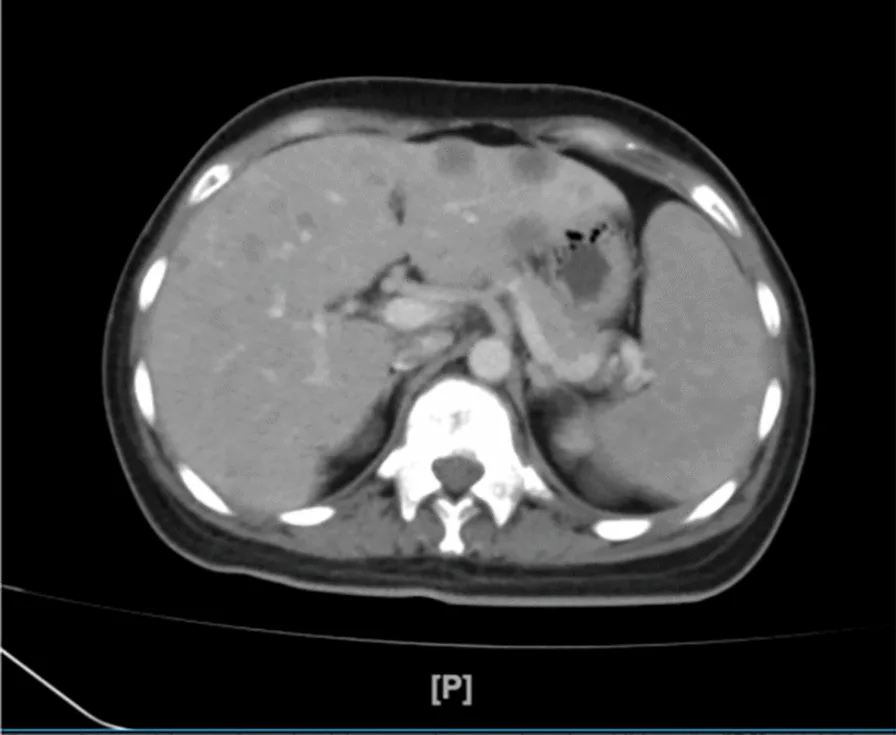
Disease-free after R0 hepatic segmentectomy for breast cancer liver metastasis, with May 2021 MRI showing no remaining liver nodules while she continued maintenance letrozole and goserelin.

PubMed Central
OutcomeCancer-Free / NED
A patient, who was diagnosed with Stage IV Breast CancerBreast Cancer

Stage 4 HR-positive breast cancer: stable disease on ribociclib

Patient Info: Anonymized, Female, 40s | Stage IV

Biomarkers: ER-positive; PR-positive; HER2-negative

Metastatic Site: left iliac bone

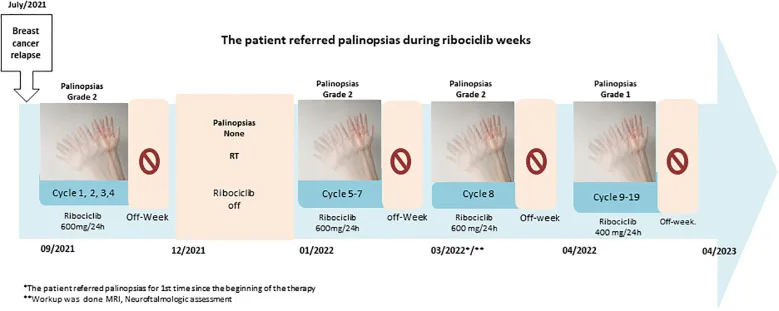
Metastatic HR-positive, HER2-negative breast cancer remained without progression as of October 2024 while she continued ribociclib 400 mg plus letrozole after SBRT to a left iliac bone metastasis.

PubMed Central
OutcomeLiving With Cancer
A patient, who was diagnosed with Stage IV Breast CancerBreast Cancer

Stage IV luminal B breast cancer with liver, bone, and bone marrow metastases

Patient Info: Anonymized, Female, Under 40 | Stage IV

Biomarkers: ER 90% positive; PR 20% positive; HER2-negative; Ki-67 60%; luminal B

Metastatic Site: liver, bone, bone marrow

The patient had marked clinical and hematologic improvement on leuprorelin, letrozole, ribociclib, and zoledronic acid, with sustained complete remission reported for 4 months from September to December 2023 and monthly follow-up advised.

PubMed Central
OutcomeResponding Well
Anna, who was diagnosed with Breast CancerBreast Cancer

Anna’s Triple-Positive Breast Cancer Story

Patient Info: Anna, Female, Under 40

Biomarkers: ER-positive, PR-positive and HER2-positive

Anna completed surgery, chemotherapy and radiation and continued to navigate the effects of hormone therapy, early menopause and fertility loss.

The Patient Story
OutcomeTreatment Completed / Survivorship
Anna, who was diagnosed with Breast CancerBreast Cancer

HR-Positive Breast Cancer: Anna's Survivor Story

Patient Info: Anna, Female, Under 40

Biomarkers: ER-positive; PR-positive; HER2-positive

As of October 2024, Anna was about 7 years from diagnosis and described long-term survivorship after surgery, chemotherapy, radiation, biologic treatment, and tamoxifen-related mental-health effects.

The Patient Story
OutcomeSurvivorship / Completed Treatment
A patient, who was diagnosed with Stage I Invasive Ductal CarcinomaBreast Cancer

Stage 1 invasive ductal breast cancer: nipple-preserving mastectomy with reconstruction

Patient Info: Anonymized, Female, 60s | Stage I

Biomarkers: ER-positive; PR-positive; HER2-negative; Ki-67 28%

No signs of recurrence 20 months after nipple-preserving mastectomy, sentinel node biopsy, immediate reconstruction, adjuvant chemotherapy, and endocrine therapy for ER-positive, PR-positive, HER2-negative invasive ductal breast cancer.

PubMed Central
OutcomeCancer-Free / NED
A patient, who was diagnosed with Stage IV Invasive Ductal CarcinomaBreast Cancer

Stage 4 breast cancer: ongoing treatment with multi-line chemotherapy

Patient Info: Anonymized, Female, 40s | Stage IV

Biomarkers: Initial tumor: hormone receptor-negative; HER2 2+. 2011 recurrence: ER 10%; PR 70%; HER2 2+.

Metastatic Site: pleura/pleural effusion; lung

Metastatic breast cancer with malignant pleural effusion achieved complete response after chemotherapy and long-term endocrine therapy; PET-CT in October 2023 still showed complete response, with ongoing cardiac and bone-health management.

PubMed Central
OutcomeCancer-Free / NED
A patient, who was diagnosed with Stage II Invasive Ductal CarcinomaBreast Cancer

ER-positive breast cancer: mastectomy after hormone therapy

Patient Info: Anonymized, Female, 50s | Stage II

Biomarkers: Breast cancer was ER+ and HER2-low/negative. PR changed from positive on biopsy to negative on final pathology; HNA-1 antibody found for neutropenia.

Stage IIA ER-positive invasive ductal breast cancer had no recurrence 3 years after endocrine therapy and total mastectomy with sentinel lymph node biopsy; autoimmune neutropenia was monitored rather than directly treated.

PubMed Central
OutcomeCancer-Free / NED
A patient, who was diagnosed with Stage IV Invasive Ductal CarcinomaBreast Cancer

Triple-positive breast cancer: complete response to targeted therapy

Patient Info: Anonymized, Female, 40s | Stage IV

Biomarkers: Triple-positive breast cancer; SBDS variants present; no detected TP53 variant on MyeloSeq.

Metastatic Site: liver

Stage IV triple-positive breast cancer with liver metastasis achieved complete response after paclitaxel, trastuzumab, pertuzumab, and G-CSF support; complete response was maintained for 18 months after treatment initiation while on maintenance HER2-directed and endocrine therapy.

PubMed Central
OutcomeCancer-Free / NED