Hormone Therapy for ER Positive Breast Cancer: 136 Real Stories

136 stories match breast cancer, ER positive and hormone therapy. 125 of them mention surgery.

A patient, who was diagnosed with Stage IV Invasive Lobular CarcinomaBreast Cancer

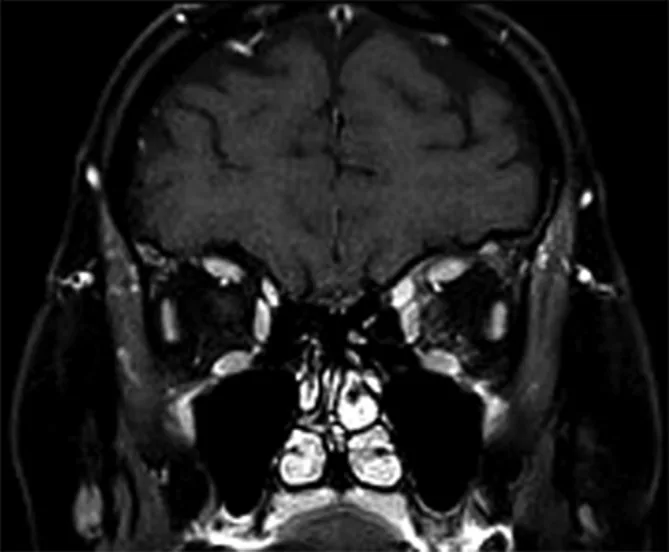
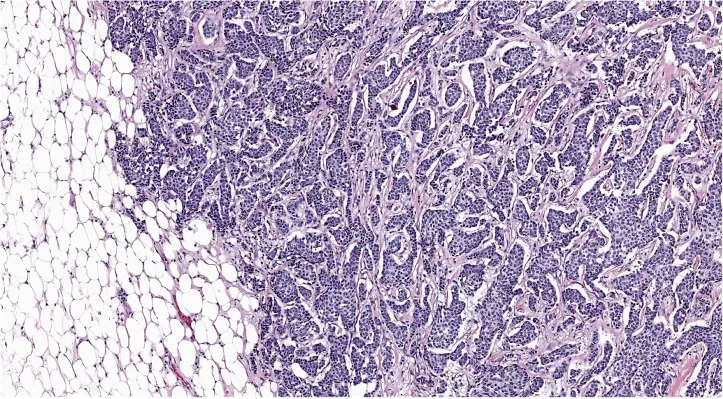
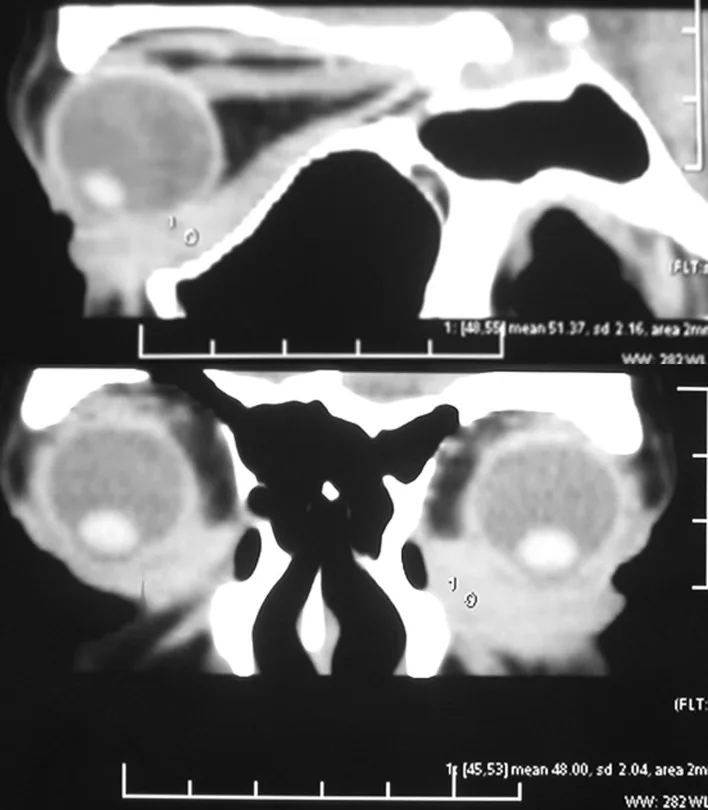
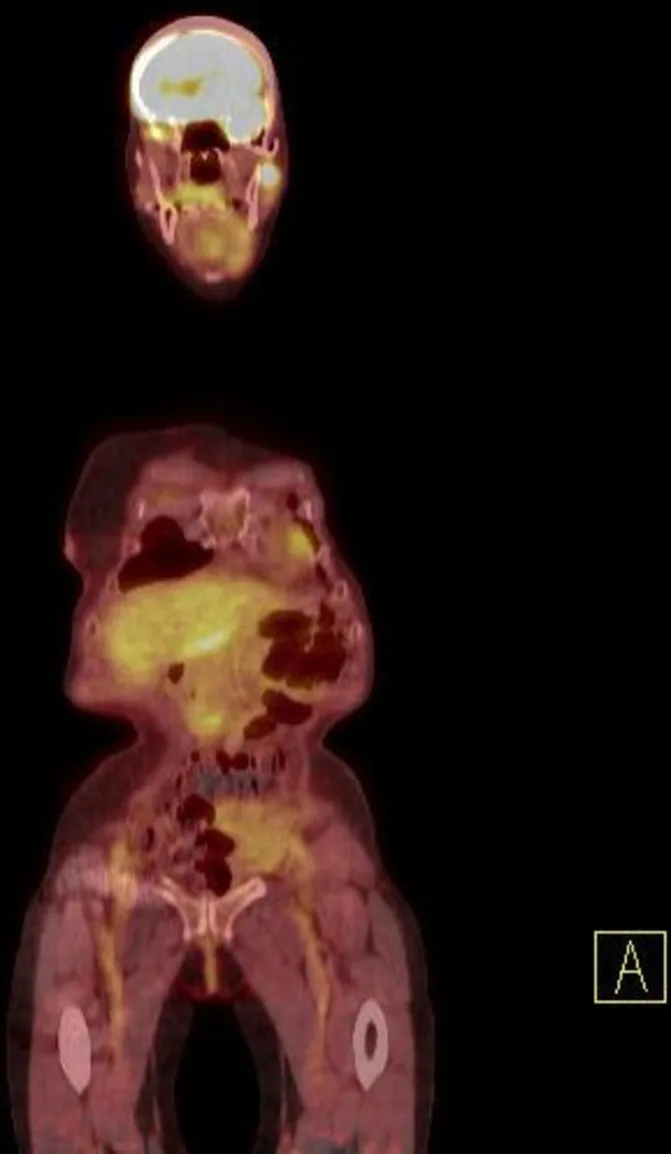
Occult lobular breast cancer presenting as an orbital metastasis

Patient Info: Anonymized, Female, 60s | Stage IV

Biomarkers: ER positive; PR positive; HER2 negative; CK7 positive; CK CAM5.2 positive; E-cadherin negative

Metastatic Site: left orbit, bone

The orbital metastasis decreased with treatment and systemic disease remained controlled on hormonal therapy during 5 years of clinical follow-up.

PubMed Central
OutcomeResponding Well
A patient, who was diagnosed with Stage IV Invasive Lobular CarcinomaBreast Cancer

Breast cancer returning 21 years later as a solitary parotid metastasis

Patient Info: Anonymized, Female, 70+ | Stage IV

Biomarkers: Parotid metastasis ER positive; PR positive; HER2 borderline by IHC but FISH 1.82

Metastatic Site: left parotid gland

More than 5 months after the parotid metastasis was diagnosed, the tumour had slightly decreased in size and her metastatic disease remained stable on endocrine therapy.

PubMed Central
OutcomeLiving With Cancer
A patient, who was diagnosed with Stage IV Invasive Ductal CarcinomaBreast Cancer

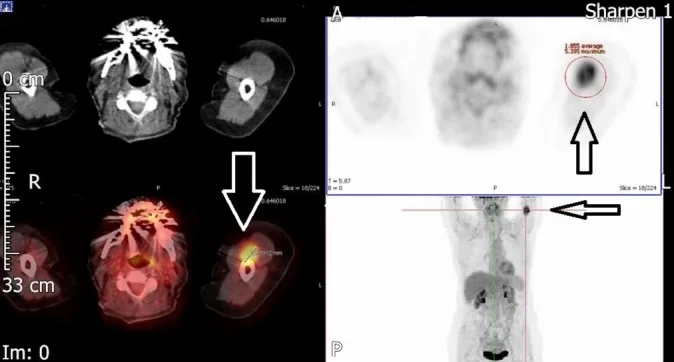
Breast cancer returning years later in the biceps muscle

Patient Info: Anonymized, Female, 60s | Stage IV

Biomarkers: ER positive

Metastatic Site: left biceps muscle

Her arm symptoms improved considerably after radiotherapy, and MRI 6 months later showed a significant decrease in the size of the biceps tumour.

PubMed Central
OutcomeResponding Well
A patient, who was diagnosed with Inflammatory Breast CancerBreast Cancer

Breast invasive ductal carcinoma with coexisting inflammatory myofibroblastic tumor: disease-free after mastectomy, TAC, and tamoxifen

Patient Info: Anonymized, Female, Under 40

Biomarkers: Breast cancer: ER/PR-positive with HER2 2+ and p53-positive. Separate inflammatory myofibroblastic tumor had ALK/vimentin/actin/S-100 markers.

As of August 2013, she remained disease-free 2 years after modified radical mastectomy, 6 courses of TAC chemotherapy, and tamoxifen.

PubMed Central
OutcomeCancer-Free / NED
A patient, who was diagnosed with Breast CancerBreast Cancer

ER/PR-positive mucinous breast cancer treated with mastectomy and tamoxifen

Patient Info: Anonymized, Female, Under 40

Biomarkers: ER-positive; PR-positive; HER2/neu not overexpressed; no pathogenic BRCA1 or BRCA2 mutations identified; chromosome 13q34 duplication

After radical right mastectomy with nipple and areola preservation followed by tamoxifen, she showed no evidence of local recurrence or metastasis of breast cancer.

PubMed Central
OutcomeCancer-Free / NED
A patient, who was diagnosed with Stage IV Breast CancerBreast Cancer

Stage IV ER/PR-positive mucinous breast cancer: long-term no evidence of disease after surgery, AFTV, radiation, CEF, and endocrine therapy

Patient Info: Anonymized, Female, 50s | Stage IV

Biomarkers: ER-positive; PR-positive; delayed-type hypersensitivity to AFTV became pseudo-positive after vaccination and remained pseudo-positive 5.4 years later

Metastatic Site: Th7 vertebra

More than 6 years after primary surgery, she remained well with no evidence of vertebral metastasis activity, new metastasis, or local recurrence.

PubMed Central
OutcomeCancer-Free / NED
A patient, who was diagnosed with Stage IV Invasive Ductal CarcinomaBreast Cancer

ER-positive breast cancer recurrence with renal metastasis inside angiomyolipoma

Patient Info: Anonymized, Female, 60s | Stage IV

Biomarkers: ER-positive; mammaglobulin-positive; e-cadherin-positive; GCDFP-15-positive; melan A positive in angiomyolipoma component

Metastatic Site: right subpectoral lymph node, left kidney

At 7 months after nephrectomy, she continued anti-estrogen hormonal therapy with no demonstrable progression of disease; surgical excision of the subpectoral lymph node was offered but declined.

PubMed Central
OutcomeCare Ongoing
A patient, who was diagnosed with Stage IV Breast CancerBreast Cancer

ER/PR-positive breast cancer with bilateral ovarian metastases controlled after oophorectomy and aromatase inhibitor

Patient Info: Anonymized, Female, 50s | Stage IV

Biomarkers: ER-positive; PR-positive; HER2-negative; CK7-positive; gross cystic disease fluid protein-15-positive; CK20-negative

Metastatic Site: bilateral ovaries

After bilateral oophorectomies and aromatase inhibitor therapy, pleural effusion resolved, CEA and CA 15-3 decreased below the normal upper limit, and she remained well with no further recurrence for 40 months.

PubMed Central
OutcomeCancer-Free / NED
A patient, who was diagnosed with Stage IV Invasive Lobular CarcinomaBreast Cancer

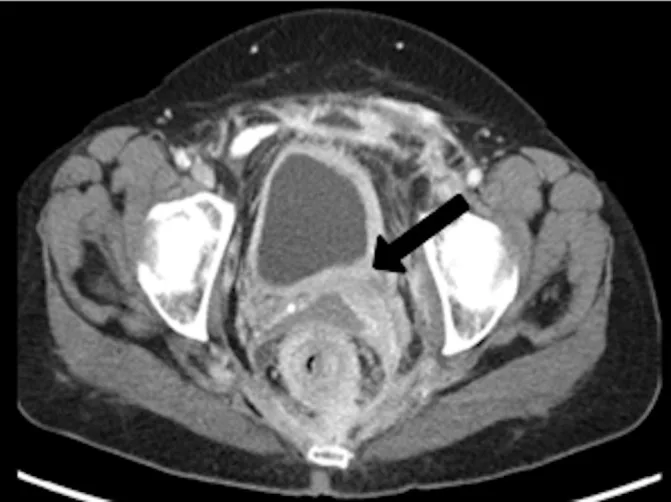
Metastatic lobular breast cancer to bladder trigone: partial response to tamoxifen

Patient Info: Anonymized, Female, 60s | Stage IV

Biomarkers: progesterone receptor-positive; genetic testing including BRCA1 negative

Metastatic Site: bladder trigone

As of January 2012, urge incontinence had resolved and PET showed decreased activity in the breast and bladder trigone lesions nearly 10 months after starting tamoxifen, consistent with clinical and partial radiologic remission.

PubMed Central
OutcomeResponding Well
A patient, who was diagnosed with Stage IV Invasive Lobular CarcinomaBreast Cancer

Lobular breast cancer with extraocular muscle and lung metastases: ocular improvement after radiotherapy and tamoxifen

Patient Info: Anonymized, Female, 60s | Stage IV

Biomarkers: Original breast cancer: ER-negative; PR-negative. Extraocular muscle metastasis/recurrent disease: ER strongly positive; PR strongly positive.

Metastatic Site: bilateral extraocular muscles, right upper lobe lung,…

At 18 months after presentation with extraocular muscle metastases, PET showed no abnormality, diplopia had resolved, and ocular motility had markedly improved, with mild bilateral ptosis remaining.

PubMed Central
OutcomeCancer-Free / NED