ER Positive: 248 Real Stories

248 stories match ER positive. 216 of them mention surgery.

Annette, who was diagnosed with Invasive Ductal CarcinomaBreast Cancer

HR-Positive Invasive Ductal Carcinoma: Annette's Patient Story

Patient Info: Annette La Fontaine, Female

Biomarkers: ER-positive; PR-positive; HER2-negative

As of January 2023, Annette was in survivorship after bilateral mastectomy and reconstruction and was taking a daily aromatase inhibitor to reduce recurrence risk while rebuilding body confidence and emotional well-being.

The Patient Story
OutcomeCare Ongoing
Bethany, who was diagnosed with Stage IV Breast CancerBreast Cancer

Stage IV HR-Positive Breast Cancer: Bethany's Patient Story

Patient Info: Bethany, Female, Under 40 | Stage IV

Biomarkers: ER-positive / hormone-positive

Metastatic Site: Liver; bones; lymph nodes; stomach

As of December 2022, Bethany was living with Stage IV metastatic breast cancer after recurrence to the liver, bones, lymph nodes, and stomach, and was on lifelong maintenance treatment after disease shrinkage.

The Patient Story
OutcomeLiving With Cancer
A patient, who was diagnosed with Stage IV Invasive Ductal CarcinomaBreast Cancer

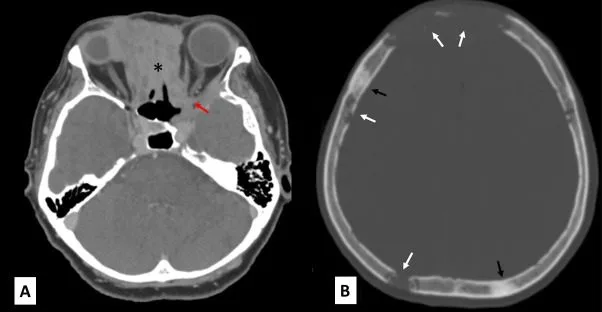
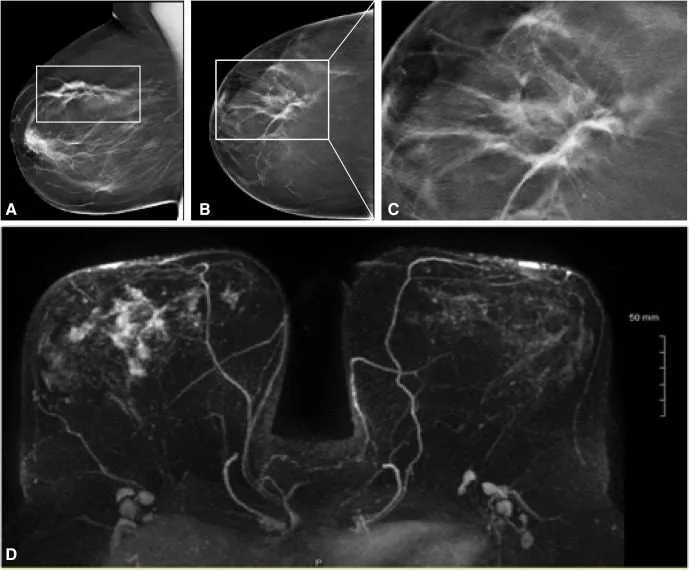
Breast Cancer Spread to the Sinuses, Eye Sockets and Skull

Patient Info: Anonymized, Female | Stage IV

Biomarkers: ER-positive; PR-positive

Metastatic Site: ethmoid and frontal sinuses; both orbits; multiple…

At 1-year follow-up, the sino-orbital metastases had not progressed on neuroimaging, right-eye visual acuity remained good, and chemoradiotherapy had been tolerated without complication.

PubMed Central
OutcomeStable Disease / Care Ongoing
A patient, who was diagnosed with Stage IV Invasive Ductal CarcinomaBreast Cancer

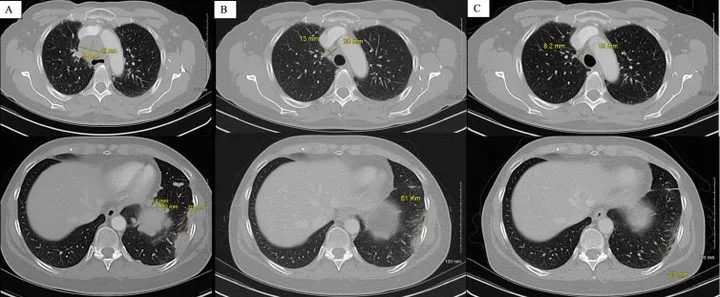
Metastatic Breast Cancer Reclassified After NTRK Fusion Testing

Patient Info: Anonymized, Female | Stage IV

Biomarkers: ETV6-NTRK3 fusion detected in tissue but not circulating tumor DNA; ER low-positive; PR-negative; HER2-negative; PD-L1-negative; germline CHEK2 variant of uncertain significance

Metastatic Site: lungs and pleura; hilar, mediastinal and retrocaval…

After tissue testing identified an ETV6-NTRK3 fusion, treatment with larotrectinib produced a rapid clinical and radiological response.

PubMed Central
OutcomeResponding Well
A patient, who was diagnosed with Stage IV Invasive Lobular CarcinomaBreast Cancer

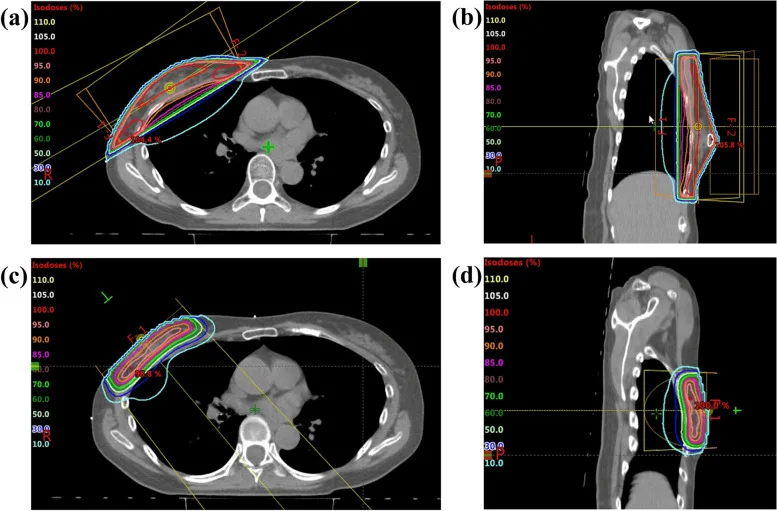
Recurrent Lobular Breast Cancer Spread to the Opposite Armpit Lymph Node

Patient Info: Anonymized, Female, 60s | Stage IV

Biomarkers: ER-positive; PR-positive; HER2-negative

Metastatic Site: Contralateral right axillary lymph node

After surgery for the recurrence and removal of the opposite-side axillary nodes, the patient proceeded with adjuvant chemotherapy and remained in active treatment.

PubMed Central
OutcomeCare Ongoing
Suzanne, who was diagnosed with Invasive Lobular CarcinomaBreast Cancer

HR-Positive Invasive Lobular Carcinoma: Suzanne's Patient Story

Patient Info: Suzanne, Female, 50s

Biomarkers: ER-positive

Suzanne had completed breast surgery with no cancer found in the lymph nodes and was preparing to complete radiation followed by long-term anti-estrogen therapy.

Lobular Breast Cancer Alliance
OutcomeCare Ongoing
Jeanine, who was diagnosed with Stage III Invasive Lobular CarcinomaBreast Cancer

Stage III HR-Positive Invasive Lobular Carcinoma: Jeanine's Patient Story

Patient Info: Jeanine, Female | Stage III

Biomarkers: ER-positive; PR-positive; HER2-negative; genetic testing negative

Jeanine completed chemotherapy, bilateral mastectomy, and post-surgery radiation after her disease was restaged from Stage II to Stage III, and she described continued active oncology care and advocacy as of June 2021.

Lobular Breast Cancer Alliance
OutcomeCare Ongoing
MB
Breast Cancer

Male breast cancer discovered after years of stiff-person syndrome

Patient Info: Anonymized, Male, 50s

Biomarkers: ER-positive; PR-positive; HER2-negative; anti-amphiphysin antibody positive at 1:64; hereditary cancer panel negative for pathogenic germline variants.

He completed curative-intent breast cancer treatment and reported substantial improvement in upper-body stiffness, although lower-extremity stiffness, cramps, and unsteadiness persisted.

PubMed Central
OutcomeNot reported
A patient, who was diagnosed with Invasive Lobular CarcinomaBreast Cancer

Breast cancer with sarcoidosis that mimicked metastatic disease

Patient Info: Anonymized, Female, 40s

Biomarkers: ER-positive; PR-positive; HER2-negative.

Her most recent mammogram showed no recurrent breast cancer while she continued letrozole, goserelin, and six-monthly follow-up.

PubMed Central
OutcomeCancer-Free / NED
A patient, who was diagnosed with Invasive Ductal CarcinomaBreast Cancer

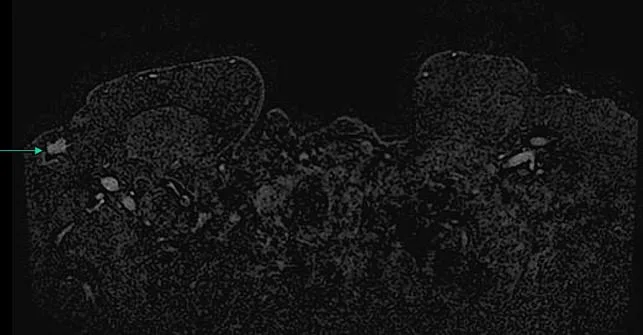
A second primary breast cancer in ectopic right axillary breast tissue

Patient Info: Anonymized, Female, 60s

Biomarkers: ER-positive greater than 90%; PR-positive greater than 90%; HER2-negative; Ki-67 20%; Oncotype DX recurrence score 17.

Her incision healed with normal shoulder movement and no lymphedema, and she was preparing to start radiation and anastrozole.

PubMed Central
OutcomeNot reported
A patient, who was diagnosed with Stage IV Invasive Ductal CarcinomaBreast Cancer

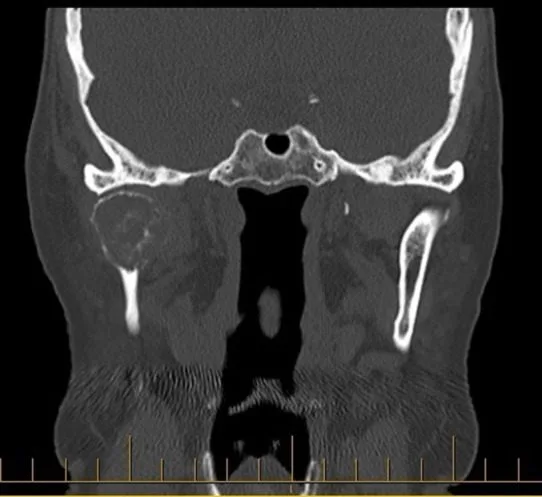
Breast cancer recurrence in the mandibular condyle causing jaw pain

Patient Info: Anonymized, Female, 50s | Stage IV

Biomarkers: ER-positive; PR-positive; HER2-negative.

Metastatic Site: right mandibular condyle with extension into the…

After anastrozole and 60 Gy of radiation, her jaw pain, mouth opening, and function improved, although some discomfort remained and palliative systemic treatment was continuing.

PubMed Central
OutcomeResponding Well
A patient, who was diagnosed with Breast CancerBreast Cancer

A BioZorb-Site Density Two Years After Lumpectomy Was Fat Necrosis

Patient Info: Anonymized, Female, 60s

Biomarkers: ER-positive; PR-positive; HER2-negative.

A new density at the lumpectomy site was confirmed as fat necrosis rather than recurrent cancer during ongoing surveillance.

PubMed Central
OutcomeCare Ongoing
A patient, who was diagnosed with Invasive Ductal CarcinomaBreast Cancer

A New Mass Three Years After Lumpectomy Was Fat Necrosis

Patient Info: Anonymized, Female, 50s

Biomarkers: ER-positive; PR-positive; HER2-negative.

A new mass detected three years after treatment was biopsy-proven fat necrosis rather than recurrent cancer.

PubMed Central
OutcomeCare Ongoing
A patient, who was diagnosed with Invasive Ductal CarcinomaBreast Cancer

A Mass Beside a BioZorb Implant Was Fat Necrosis, Not Recurrence

Patient Info: Anonymized, Female, 50s

Biomarkers: ER-positive; PR-positive; HER2-negative.

A 1.8 cm mass detected beside the BioZorb site was confirmed as fat necrosis, with continued imaging follow-up recommended.

PubMed Central
OutcomeCare Ongoing
A patient, who was diagnosed with Invasive Ductal CarcinomaBreast Cancer

Local Breast Cancer Recurrence Was Found During BioZorb Surveillance

Patient Info: Anonymized, Female, 70+

Biomarkers: Initial right breast tumor: ER-positive, PR-positive, HER2-equivocal. Recurrent right breast tumor: ER-positive, HER2-negative.

Two sites of right-breast recurrence were confirmed three years after lumpectomy, leading to right mastectomy.

PubMed Central
OutcomeCare Ongoing
A patient, who was diagnosed with Stage IV Invasive Ductal CarcinomaBreast Cancer

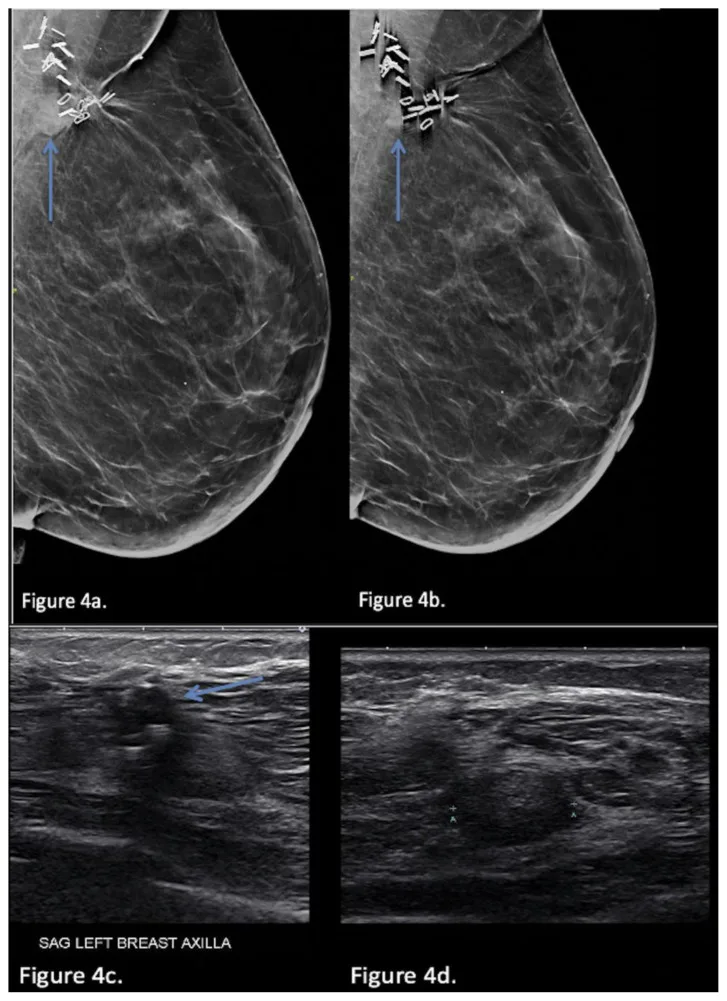
Right breast cancer with contralateral axillary lymph-node metastasis

Patient Info: Anonymized, Female, 60s | Stage IV

Biomarkers: Right breast primary: ER-positive; PR-positive; HER2-negative; Ki-67 70%. Left axillary metastasis: ER-positive; PR-negative; HER2-negative; Ki-67 15%; GATA3-positive.

Metastatic Site: contralateral left axillary lymph nodes

Two years after bilateral surgery, clinical and radiological follow-up showed no metastasis or disease recurrence.

PubMed Central
OutcomeCancer-Free / NED
LA
Breast Cancer

Locally advanced male breast cancer associated with a pathogenic ATM variant

Patient Info: Anonymized, Male, 50s | Stage Metastatic/Advanced

Biomarkers: ER 100% positive; PR 100% positive; HER2-negative; Ki-67 30%; germline pathogenic ATM variant c.2921+1G>A.

Two years after diagnosis, he had an ECOG performance status of 0 and remained without signs of breast-cancer relapse or another primary cancer.

PubMed Central
OutcomeCancer-Free / NED
A patient, who was diagnosed with Stage IV Invasive Ductal CarcinomaBreast Cancer

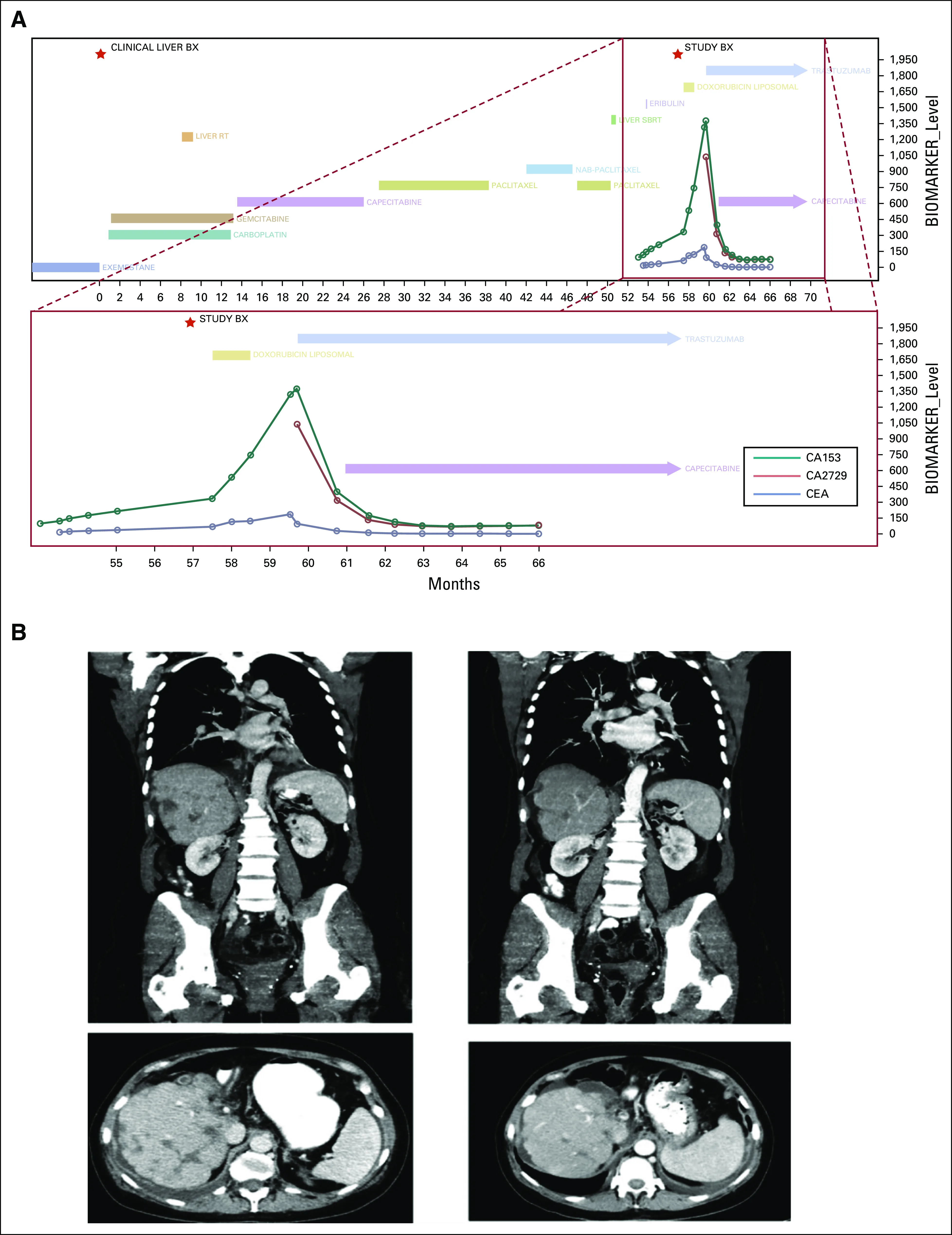
A durable response to trastuzumab in heavily pretreated metastatic breast cancer

Patient Info: Anonymized, Female, 60s | Stage IV

Biomarkers: Initial tumor ER-positive and PR-positive. Metastatic liver biopsy ER-negative and PR-negative with HER2 IHC 1+ and nonamplified. Later biopsy ER and PR weakly positive at 5%–10%, HER2 IHC 1+ and nonamplified, and ERBB3 p. with evidence of HER2/HER3 pathway activation.

Metastatic Site: lungs; hilar and mediastinal lymph nodes; liver; bone

She had ongoing benefit for more than 10 months on trastuzumab and capecitabine, with improved symptoms, lower tumor markers, and a confirmed partial response.

PubMed Central
OutcomeResponding Well