Pembrolizumab for Stage 4 Lung Cancer: 59 Real Stories

59 stories match lung cancer, stage 4 and pembrolizumab. 56 of them mention immunotherapy.

Joanne, who was diagnosed with Stage IV Lung CancerLung Cancer

Stage IV Lung Cancer: Joanne's Patient Story

Patient Info: Joanne Sabol, Female, 60s | Stage IV

Metastatic Site: abdomen

More than 2 years after starting pembrolizumab for recurrent Stage IV lung cancer, Joanne had an 81% tumor reduction and continued to feel well while remaining on treatment.

Memorial Sloan Kettering
OutcomeResponding Well
Amy, who was diagnosed with Stage IV Non-Small Cell Lung CancerLung Cancer

Stage IV Non-Small Cell Lung Cancer: Amy's Patient Story

Patient Info: Amy, Female | Stage IV

Metastatic Site: Neck lymph node; bones — hips, femurs, foot; adrenal…

Living 5 years after Stage IV squamous NSCLC diagnosis, after Keytruda did not work and treatment included bone radiation, SBRT to the lung nodule, and adrenal cryoablation.

Lung Cancer Research Foundation
OutcomeLiving With Cancer
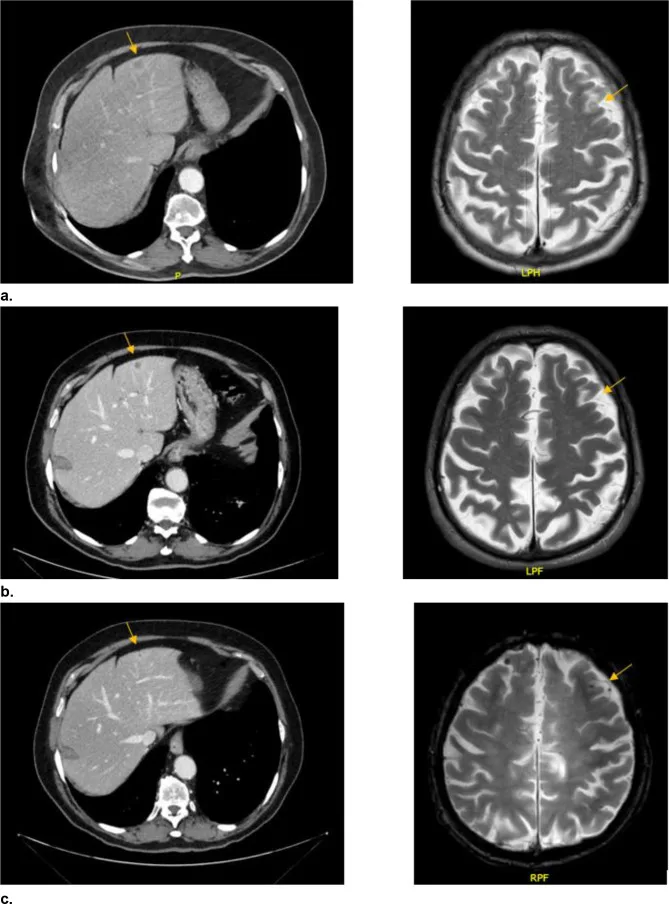
A patient, who was diagnosed with Stage IV Lung AdenocarcinomaLung Cancer

Long-term lung cancer control after immunotherapy-related diabetes

Patient Info: Anonymized, Male, 70+ | Stage IV

Biomarkers: PD-L1 80%; EGFR, ALK, ROS1 and BRAF negative

Metastatic Site: brain|liver

After years of disease control off pembrolizumab, a new brain lesion appeared in December 2025 and was treated with focused radiation. He remained clinically stable under oncology follow-up.

PubMed Central
OutcomeLiving With Cancer
A patient, who was diagnosed with Stage IV Non-Small Cell Lung CancerLung Cancer

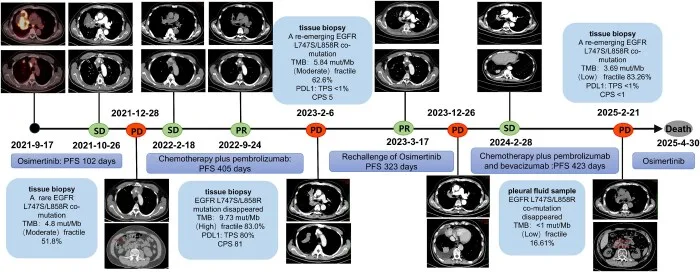
Stage IVA EGFR-mutant lung adenocarcinoma: clonal evolution, chemoimmunotherapy response, osimertinib rechallenge, and death after progression

Patient Info: Anonymized, Male, 60s | Stage IV

Biomarkers: Markers changed over time: started with EGFR L747S/L858R; later MET-amplified, PD-L1 TPS 80%, high TMB clone; later EGFR reappeared.

Metastatic Site: pleura, peritoneal nodule, retroperitoneal lymph nodes

The patient died on 30 April 2025 after progression through multiple lines and infection related to treatment-associated myelosuppression.

PubMed Central
OutcomeIn Memory
A patient, who was diagnosed with Stage IV Non-Small Cell Lung CancerLung Cancer

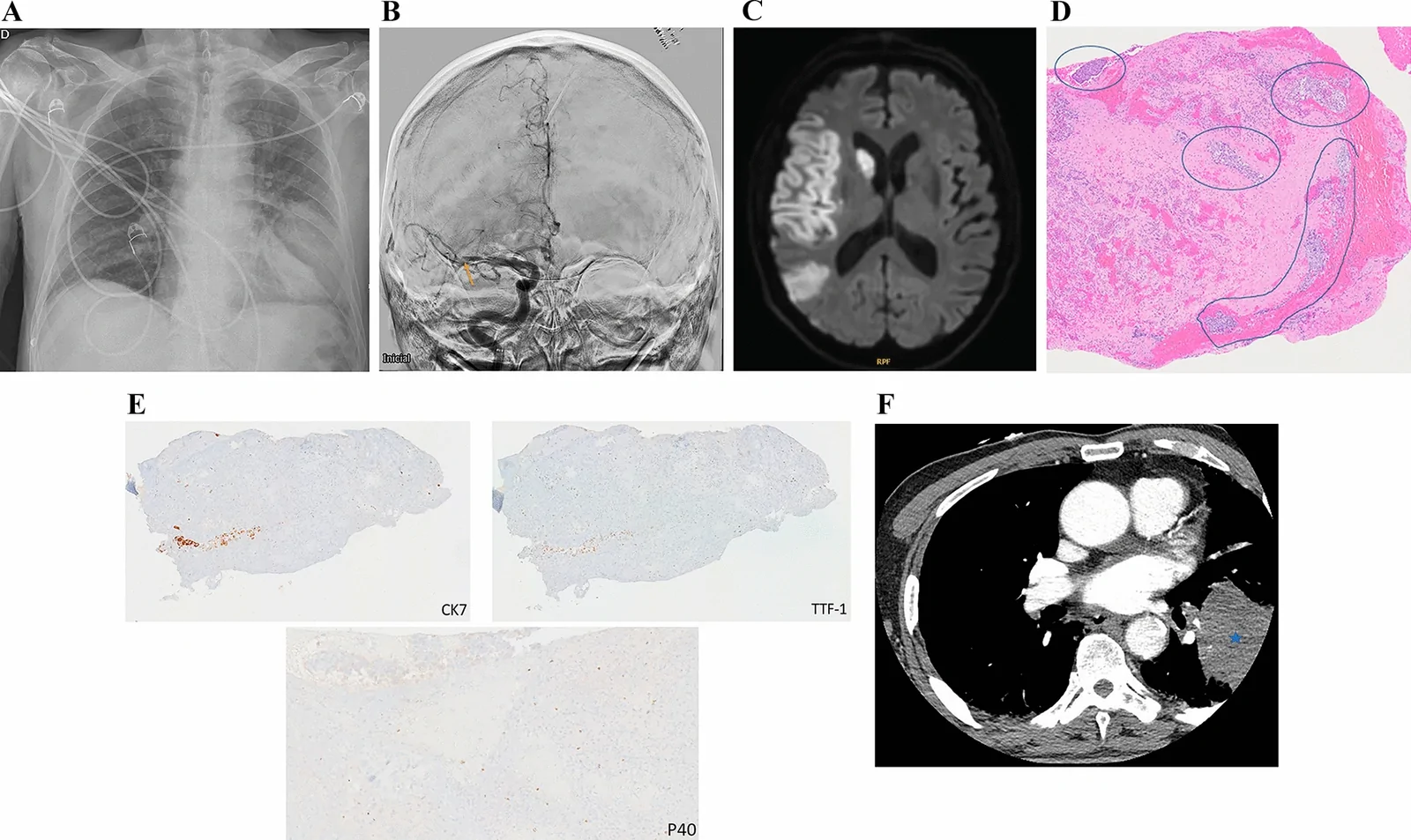
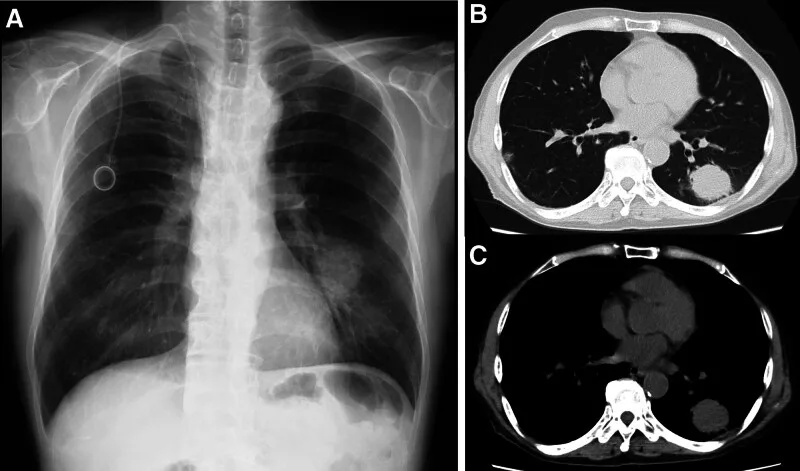
Stage IV squamous NSCLC: durable pembrolizumab response followed by invasive aspergillosis, marrow failure, and death

Patient Info: Anonymized, Male, 50s | Stage IV

Biomarkers: PD-L1 20%

Metastatic Site: bilateral lungs

After durable partial response to pembrolizumab-based therapy, he developed severe pulmonary infection, invasive pulmonary aspergillosis, progressive AA-like bone marrow failure with severe cytopenias, declined further treatment, and died at home in early 2025.

PubMed Central
OutcomeIn Memory
A patient, who was diagnosed with Stage IV Lung Squamous Cell CarcinomaLung Cancer

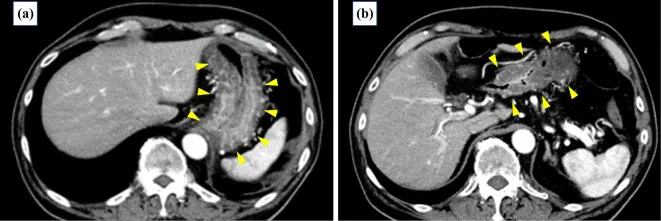
Stage IV squamous lung cancer with steroid-refractory immune-related gastritis after pembrolizumab

Patient Info: Anonymized, Male, 70+ | Stage IV

Biomarkers: Gastric biopsy during immune gastritis showed CD8-positive lymphocyte inflammation, no cancer

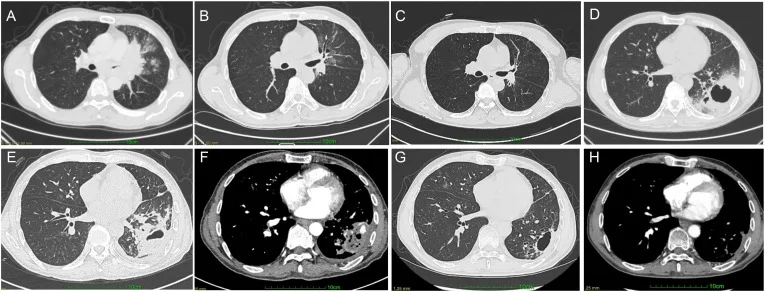
After about 2 years of carboplatin, pemetrexed, and pembrolizumab, lung cancer treatment was stopped because of tumor growth; the later immune-related gastritis improved after escalation to infliximab, while the cancer course remained a setback/progression story.

PubMed Central
OutcomeSetback / Progression
A patient, who was diagnosed with Stage IV Non-Small Cell Lung CancerLung Cancer

MET exon 14 skipping lung adenocarcinoma: sequential MET-TKI toxicity and ongoing chemotherapy

Patient Info: Anonymized, Male, 70+ | Stage IV

Biomarkers: MET exon 14 skipping mutation; EGFR negative; ALK negative; ROS1 negative; PD-L1 tumor proportion score 10%

Metastatic Site: pleura

The cancer recurred with pleural dissemination after surgery and adjuvant UFT. Sequential MET inhibitors and systemic therapies provided periods of disease control but were limited by ILD and non-ILD toxicities; at the report, he remained on carboplatin, pemetrexed, and bevacizumab.

PubMed Central
OutcomeLiving With Cancer
A patient, who was diagnosed with Stage IV Lung AdenocarcinomaLung Cancer

KRAS G12C Stage IV lung adenocarcinoma with synchronous urothelial carcinoma and durable response

Patient Info: Anonymized, Male, 70+ | Stage IV

Biomarkers: Lung adenocarcinoma: KRAS ; PD-L1 TPS 5%. Urothelial carcinoma: GATA3-positive; CK7-positive; TTF1-negative.

Metastatic Site: homolateral pulmonary metastases and N2 lymph nodes…

After enfortumab vedotin, the urothelial carcinoma reached complete radiologic response and the lung cancer remained partially responding/stable; treatment was stopped after 16 months, and PET 2 months later showed complete metabolic response.

PubMed Central
OutcomeResponding Well
A patient, who was diagnosed with Stage IV Lung Squamous Cell CarcinomaLung Cancer

Stage IV squamous lung cancer: complete response followed by fatal bone marrow metastasis

Patient Info: Anonymized, Male, 60s | Stage IV

Biomarkers: with PD-L1 95%. SCC antigen/CYFRA rose at relapse.

Metastatic Site: bone (spine, bilateral humerus, bilateral femur); bone…

As of December 2025, he had died of aspiration pneumonia 1 month after admission for biopsy-confirmed bone marrow metastasis from squamous lung cancer, despite a prior complete response to chemoimmunotherapy and pembrolizumab maintenance.

PubMed Central
OutcomeIn Memory
A patient, who was diagnosed with Stage IV Lung Squamous Cell CarcinomaLung Cancer

Synchronous primary squamous lung cancers: long disease control after multimodal therapy, then Stage IVA lung recurrence

Patient Info: Anonymized, Male, 60s | Stage IV

Biomarkers: Squamous lung cancers with PD-L1 20% and no driver mutation detected; P40/P63 markers supported squamous type.

Metastatic Site: bilateral lung metastases at recurrence

As of November 2025, the patient had achieved 72 months of progression-free survival and remained alive at 75 months, but had developed Stage IVA recurrent pulmonary squamous cell carcinoma with bilateral lung metastases and had restarted systemic therapy.

PubMed Central
OutcomeSetback / Progression
A patient, who was diagnosed with Stage IV Non-Small Cell Lung CancerLung Cancer

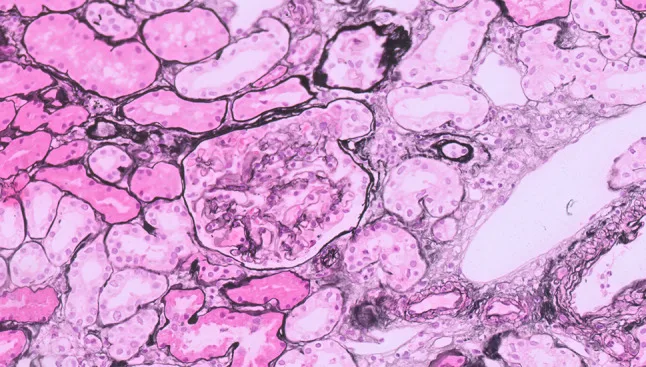
Stage IV lung adenocarcinoma with paraneoplastic nephrotic syndrome during pembrolizumab therapy

Patient Info: Anonymized, Male, 60s | Stage IV

Biomarkers: PD-L1 tumor proportion score >50% by Roche SP263 assay; KRAS exon 3 mutation; NGS/FISH did not identify targets for first-line targeted therapy

Metastatic Site: brain, bone

Pembrolizumab produced partial response and improved nephrotic-syndrome parameters, but bone metastases progressed in September 2022 and the right upper-lobe target lesion progressed 2 months later, leading to carboplatin plus pemetrexed.

PubMed Central
OutcomeSetback / Progression
A patient, who was diagnosed with Stage IV Lung AdenocarcinomaLung Cancer

ALK-rearranged Stage IVA lung adenocarcinoma: partial response to pembrolizumab as eighth-line treatment

Patient Info: Anonymized, Male, 70+ | Stage IV

Biomarkers: ALK strongly positive by IHC 3+; ALK rearrangement confirmed by FISH; PD-L1 expression 95% by 22C3 immunostaining; CEA 2.3 ng/mL at diagnosis

Metastatic Site: brain

Nine months after pembrolizumab was started as eighth-line therapy, he maintained a partial response after prior progression on multiple ALK inhibitors and chemotherapies.

PubMed Central
OutcomeResponding Well
Alisa, who was diagnosed with Stage IV Non-Small Cell Lung CancerLung Cancer

Stage IV ALK Non-Small Cell Lung Cancer: Alisa's Patient Story

Patient Info: Alisa Secaida, Female, Under 40 | Stage IV

Biomarkers: ALK-positive / ALK-rearranged

Metastatic Site: Brain; lymph nodes

As of May 2025, after alectinib and lung surgery, pathology still showed active tumor and lymph-node cancer cells, and Alisa was receiving IMRT for remaining disease.

City of Hope
OutcomeCare Ongoing
A patient, who was diagnosed with Stage IV Non-Small Cell Lung CancerLung Cancer

Metastatic lung squamous cell carcinoma: no recurrence after chemoimmunotherapy and pembrolizumab maintenance

Patient Info: Anonymized, Male, 60s | Stage IV

Biomarkers: EGFR exon 19 deletion; PD-L1 TPS 95%; TTF-1-negative; p40-positive

Metastatic Site: mediastinal lymph nodes; bilateral lung nodules

As of April 2025, PET/CT 3 years after treatment initiation showed no sign of recurrence after carboplatin, nab-paclitaxel, pembrolizumab, and 2 years of pembrolizumab monotherapy.

PubMed Central
OutcomeCancer-Free / NED
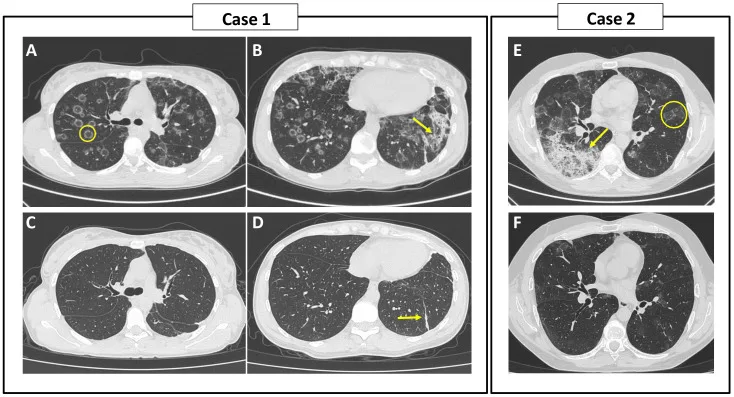
A patient, who was diagnosed with Stage IV Lung AdenocarcinomaLung Cancer

Metastatic lung adenocarcinoma: pembrolizumab response complicated by pulmonary arterial hypertension

Patient Info: Anonymized, Male, 70+ | Stage IV

Biomarkers: CK7-positive; TTF-1-positive; p40 focally positive; high tumor mutational burden; no targetable mutations identified

Metastatic Site: right axillary lymph node; right hilar lymph nodes;…

As of April 2025, the patient was tolerating single-agent pemetrexed without evidence of lung cancer progression, while pulmonary arterial hypertension symptoms had improved on riociguat and macitentan.

PubMed Central
OutcomeCare Ongoing
A patient, who was diagnosed with Stage IV Lung AdenocarcinomaLung Cancer

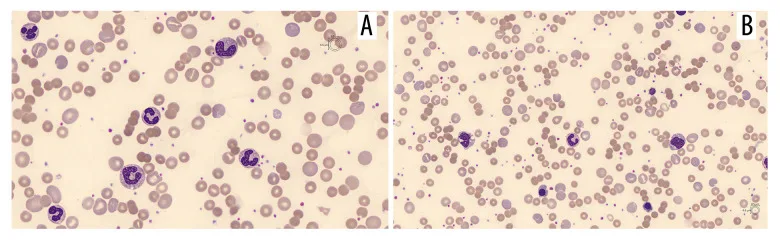
Severe Autoimmune Hemolytic Anemia After Pembrolizumab for Metastatic Lung Cancer

Patient Info: Anonymized, male, 60s | Stage IV

Biomarkers: PD-L1 70%

Metastatic Site: left adrenal gland, subdiaphragmatic region

He recovered clinically from the acute hemolytic anemia after intravenous immunoglobulin, high-dose steroids, and blood transfusions, then continued outpatient oncology follow-up.

PubMed Central
OutcomeNot reported
A patient, who was diagnosed with Stage IV Lung AdenocarcinomaLung Cancer

Stage 4 lung adenocarcinoma with RET fusion responding to pralsetinib

Patient Info: Anonymized, Male, 60s | Stage IV

Biomarkers: RET fusion

Metastatic Site: pleura

As of March 2025, he had recovered from grade 3 Pneumocystis jirovecii pneumonia, restarted pralsetinib, and had no progressive disease or recurrence of adverse events over 13 months.

PubMed Central
OutcomeResponding Well
A patient, who was diagnosed with Stage IV Lung AdenocarcinomaLung Cancer

Stage 4 lung cancer: managing pembrolizumab-induced myasthenia gravis

Patient Info: Anonymized, Female, 70+ | Stage IV

Biomarkers: Anti-acetylcholine receptor antibody elevated; TSH elevated during immune-related adverse event workup; cancer biomarkers not reported

At 9 months after the immune-related myasthenia gravis presentation, lung cancer remained in complete response while she continued low-dose prednisolone, pyridostigmine, levothyroxine, and nighttime NIV.

PubMed Central
OutcomeCancer-Free / NED
A patient, who was diagnosed with Stage IV Lung AdenocarcinomaLung Cancer

Fatal Multiorgan Failure After Pembrolizumab-Based Treatment for Metastatic Lung Cancer

Patient Info: Anonymized, female | Stage IV

She died less than 12 hours after hospital presentation with rapidly progressive multiorgan failure one week after the first pembrolizumab-based treatment cycle; immune-related toxicity was strongly suspected, although the rapid decline limited full evaluation.

PubMed Central
OutcomeIn Memory