Chemotherapy for Stage 4 Lung Cancer: 217 Real Stories

217 stories match lung cancer, stage 4 and chemotherapy. 119 of them mention immunotherapy.

A patient, who was diagnosed with Stage IV Small Cell Lung CancerLung Cancer

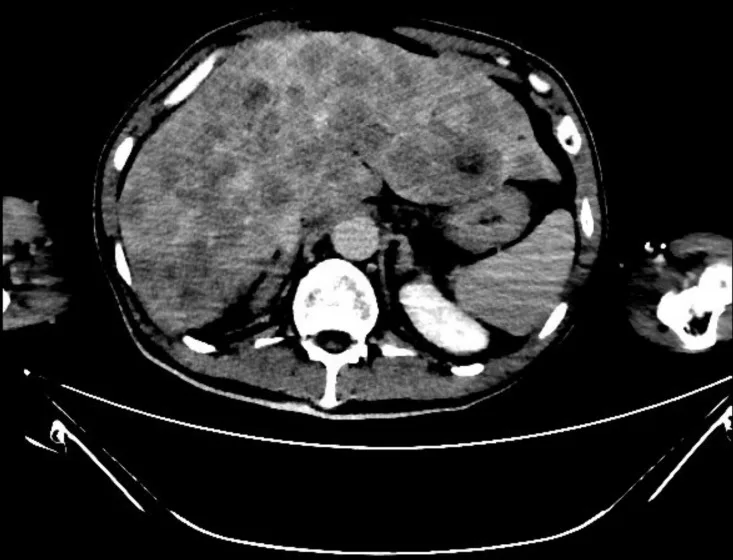
Stage IV Small Cell Lung Cancer Causing Severe Cushing Syndrome

Patient Info: Anonymized, Male, 40s | Stage IV

Biomarkers: Ectopic ACTH secretion with markedly elevated ACTH and cortisol

Metastatic Site: liver|bones

The cancer and hormone syndrome progressed after an initial response, and he died after cardiopulmonary arrest 1 year after diagnosis.

PubMed Central
OutcomeIn Memory
A patient, who was diagnosed with Stage IV Lung AdenocarcinomaLung Cancer

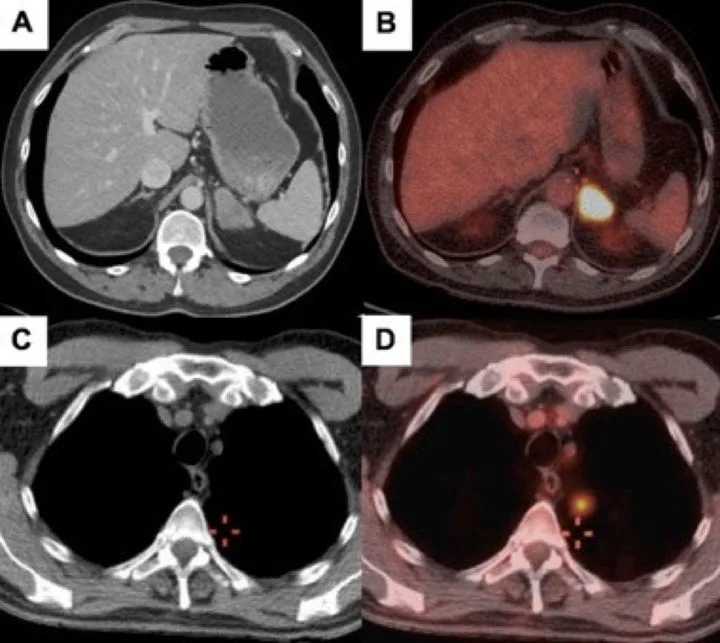
Delayed Adrenal Insufficiency After Nivolumab for Stage IV Lung Cancer

Patient Info: Anonymized, Male, 70+ | Stage IV

Biomarkers: EGFR unmutated; ALK unmutated; ROS1 unmutated

His weakness, fatigue, weight loss, and orthostatic hypotension resolved after hormone replacement, and he returned home independently.

PubMed Central
OutcomeNot reported
A patient, who was diagnosed with Stage IV Lung AdenocarcinomaLung Cancer

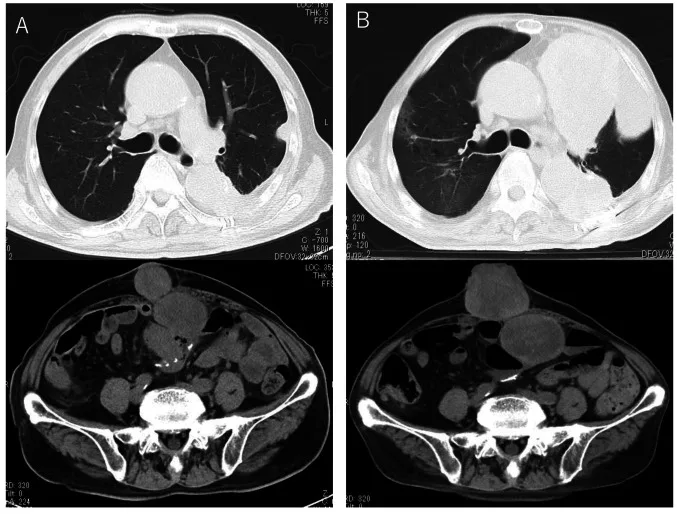
Metastatic lung cancer causing recurrent small-bowel intussusception

Patient Info: Anonymized, Female, 50s | Stage IV

Biomarkers: EGFR mutation; exon 19 deletion in metastatic bowel lesions

Metastatic Site: small bowel

She recovered satisfactorily after bowel surgery, and care shifted to palliation with long-term nutritional support planned.

PubMed Central
OutcomeLiving With Cancer
A patient, who was diagnosed with Stage IV Non-Small Cell Lung CancerLung Cancer

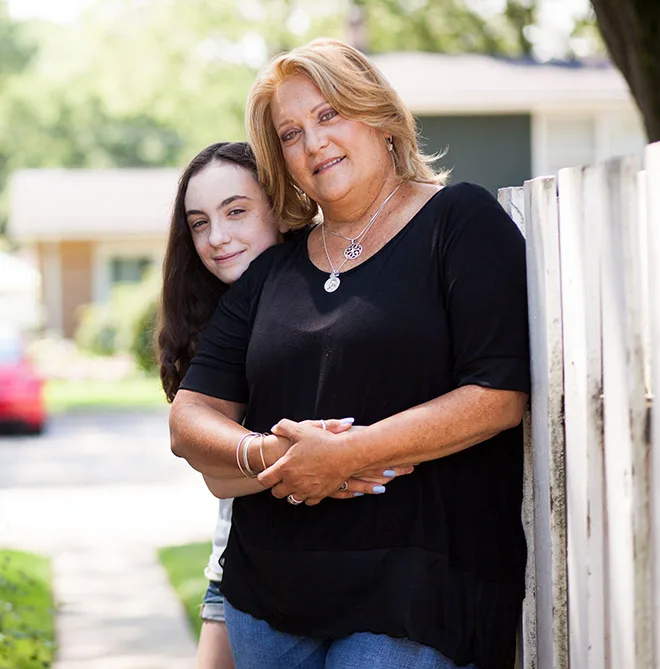
Finding Happiness Despite Stage IV Lung Cancer

Patient Info: Anonymized, 50s | Stage IV

More than a year after diagnosis, she remained in treatment for Stage IV lung cancer, with some therapies losing effectiveness as the cancer developed resistance.

Dana-Farber
OutcomeLiving With Cancer
A patient, who was diagnosed with Stage IV Lung CancerLung Cancer

Stage IV ERBB2-Mutated Lung Cancer With Extensive Bone Metastases

Patient Info: Anonymized, female, 60s | Stage IV

Biomarkers: ERBB2 exon 20 insertion. A PIK3CA mutation was later detected at progression and considered a possible resistance mechanism.

Metastatic Site: bone

After progression on pemetrexed following several earlier treatment lines, she transitioned to hospice care.

PubMed Central
OutcomeSetback / Progression
A patient, who was diagnosed with Stage IV Lung AdenocarcinomaLung Cancer

Stage IV ERBB2-Mutated Lung Adenocarcinoma With Brain Metastases and Multiple Targeted Therapies

Patient Info: Anonymized, female, Under 40 | Stage IV

Biomarkers: ERBB2 exon 20 insertion, exact sequence not specified. ERBB2 copy-number gain was identified during progression on afatinib.

Metastatic Site: brain, adrenal gland, liver

The final documented afatinib plus bevacizumab rechallenge produced a mixed response followed by liver progression after 3 months.

PubMed Central
OutcomeSetback / Progression
A patient, who was diagnosed with Stage IV Lung AdenocarcinomaLung Cancer

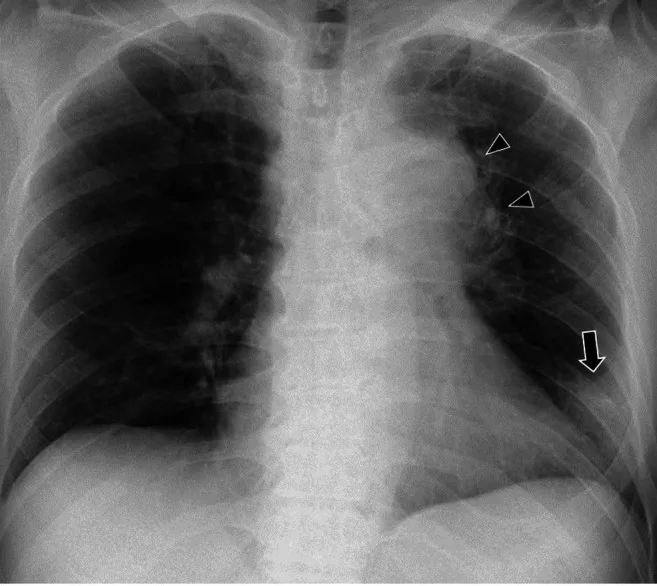
Lung Cancer Immunotherapy Caused New Type 1 Diabetes

Patient Info: Anonymized, Male, 70+ | Stage IV

Biomarkers: No ALK, ROS1, KRAS or EGFR alteration was detected; CK7-positive; TTF-1-negative; PAX-negative; CK20-negative

Metastatic Site: Pleura

After 4 combination-treatment cycles, the right-lung nodules had decreased markedly and nearly resolved. He continued maintenance pembrolizumab every 3 weeks and remained on insulin with stable glucose control.

PubMed Central
OutcomeLiving With Cancer / Ongoing Therapy
Bill, who was diagnosed with Stage IV Lung CancerLung Cancer

Stage IV Lung Cancer: Bill's Patient Story

Patient Info: Bill Smith, Male | Stage IV

Biomarkers: Genomic testing performed; specific result not reported

Metastatic Site: Brain; liver; bone/humerus

As of October 2016, Bill was receiving immunotherapy every 2 weeks, all tumors had shrunk, chemotherapy had stopped and he reported markedly improved quality of life while living with Stage IV lung cancer.

Cleveland Clinic
OutcomeResponding Well
A patient, who was diagnosed with Stage IV Lung Squamous Cell CarcinomaLung Cancer

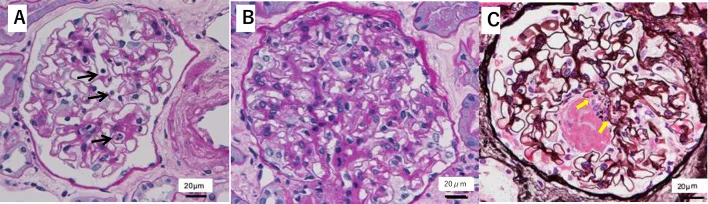
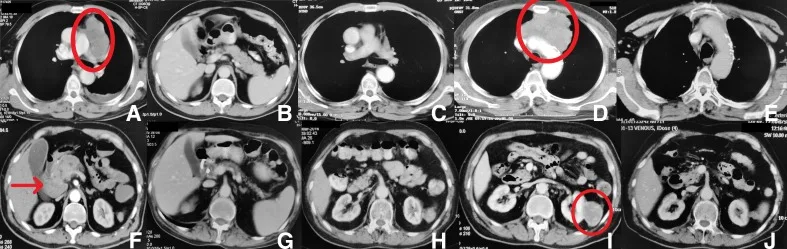
Stage IIIA squamous lung cancer with later kidney and paraaortic lymph node metastases

Patient Info: Anonymized, Female, 50s | Stage IV

Biomarkers: Squamous lung cancer markers supported the diagnosis; TTF-1, CK7 and CK20 were not seen; Ki-67 >10%.

Metastatic Site: left renal parenchyma, paraaortic lymph nodes

After surgery, 4 cycles of cisplatin plus vinblastine, and mediastinal radiotherapy, she had a 10-month disease-free interval before biopsy-confirmed metastatic squamous lung carcinoma appeared in the left kidney with paraaortic lymph node enlargement.

PubMed Central
OutcomeSetback / Progression
A patient, who was diagnosed with Stage IV Lung AdenocarcinomaLung Cancer

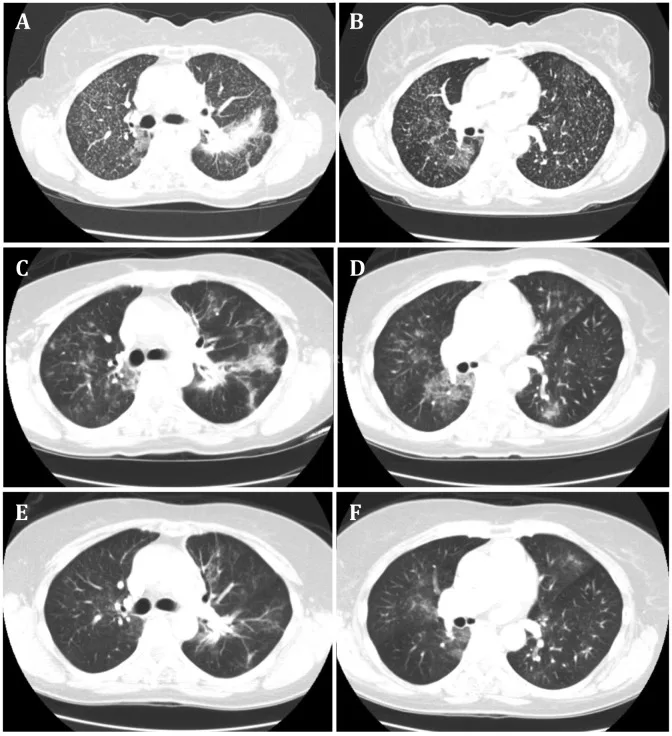
EGFR L858R-mutant Stage IV lung adenocarcinoma managed after gefitinib-induced lung injury

Patient Info: Anonymized, Male, 40s | Stage IV

Biomarkers: EGFR L858R mutation

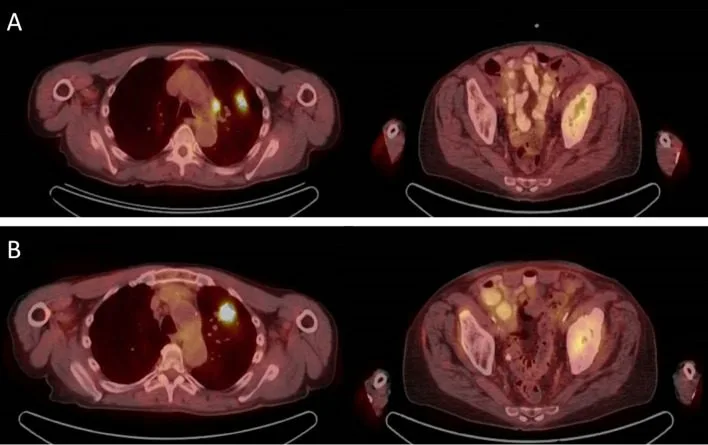
Metastatic Site: liver, bone, hilar lymph nodes, mediastinal lymph…

Gefitinib produced early tumor shrinkage but was stopped for interstitial lung disease; subsequent carboplatin, pemetrexed, and bevacizumab produced a good response, while variceal bleeding was controlled with endoscopic treatment.

PubMed Central
OutcomeResponding Well
A patient, who was diagnosed with Stage IV Lung CancerLung Cancer

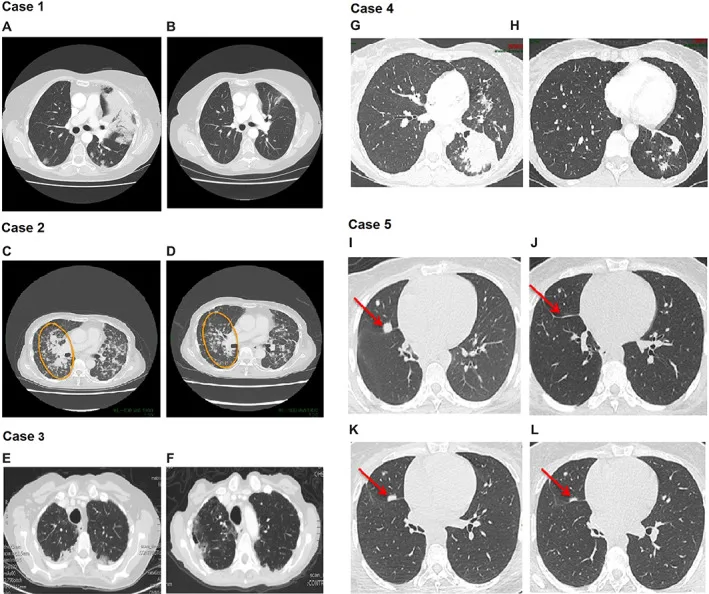
Stage IV EBV-positive lymphoepithelioma-like lung cancer with brain metastasis

Patient Info: Anonymized, Female, 50s | Stage IV

Biomarkers: EBV-positive by in-situ hybridization

Metastatic Site: brain, retroperitoneal/posterior mediastinal soft…

Remained well and disease-free 6 months after resection of the retroperitoneal/posterior mediastinal metastasis and 8 years after initial presentation.

PubMed Central
OutcomeCancer-Free / NED
A patient, who was diagnosed with Stage IV Lung CancerLung Cancer

Stage IV large-cell lung cancer with adrenal metastasis: no recurrence after R0 surgery

Patient Info: Anonymized, Male, 60s | Stage IV

Biomarkers: Marker profile supported large-cell lung carcinoma: CK7/CEA/Ber-EP4 positive, with neuroendocrine and prostate markers negative.

Metastatic Site: left adrenal gland

Six months after combined lung and adrenal surgery with R0 resection, he had no evidence of recurrence.

PubMed Central
OutcomeCancer-Free / NED
A patient, who was diagnosed with Stage IV Lung AdenocarcinomaLung Cancer

Stage IV lung adenocarcinoma with brain metastasis: partial remission after pemetrexed/cisplatin and AOSD-like paraneoplastic syndrome

Patient Info: Anonymized, Male, 50s | Stage IV

Biomarkers: No tumor molecular biomarkers reported. AOSD-like syndrome had high ferritin, inflammation markers, and RF/ANA negative.

Metastatic Site: brain

As of November 2011, pemetrexed/cisplatin produced partial remission of Stage IV lung adenocarcinoma and controlled the AOSD-like paraneoplastic syndrome without recurrent fever, rash, or arthralgia.

PubMed Central
OutcomeResponding Well
A patient, who was diagnosed with Stage IV Non-Small Cell Lung CancerLung Cancer

Stage IV lung adenocarcinoma: partial responses to cisplatin-docetaxel and erlotinib, complicated by fistula

Patient Info: Anonymized, Female, 60s | Stage IV

Biomarkers: Tumor genomic biomarkers not reported. EGFR testing result not reported; erlotinib was used as second-line therapy.

Metastatic Site: contralateral lung, pleura

Metastatic lung adenocarcinoma had partial response to chemotherapy and persistent partial response on erlotinib; after erlotinib was stopped for enterocutaneous fistula, she was alive and well without evidence of lung-cancer progression.

PubMed Central
OutcomeResponding Well
A patient, who was diagnosed with Stage IV Non-Small Cell Lung CancerLung Cancer

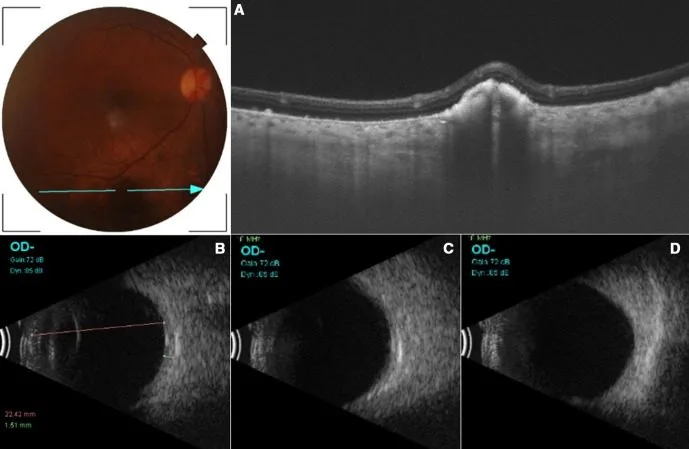
Stage IV NSCLC with choroidal metastasis responding to intravitreal bevacizumab

Patient Info: Anonymized, Female, 50s | Stage IV

Metastatic Site: choroid of right eye

The right-eye choroidal metastasis showed complete local response after intravitreal bevacizumab, with pain resolution, vision improvement to 20/20, and no residual ocular tumor detected 10 months after treatment began.

PubMed Central
OutcomeResponding Well