Cancer Stories
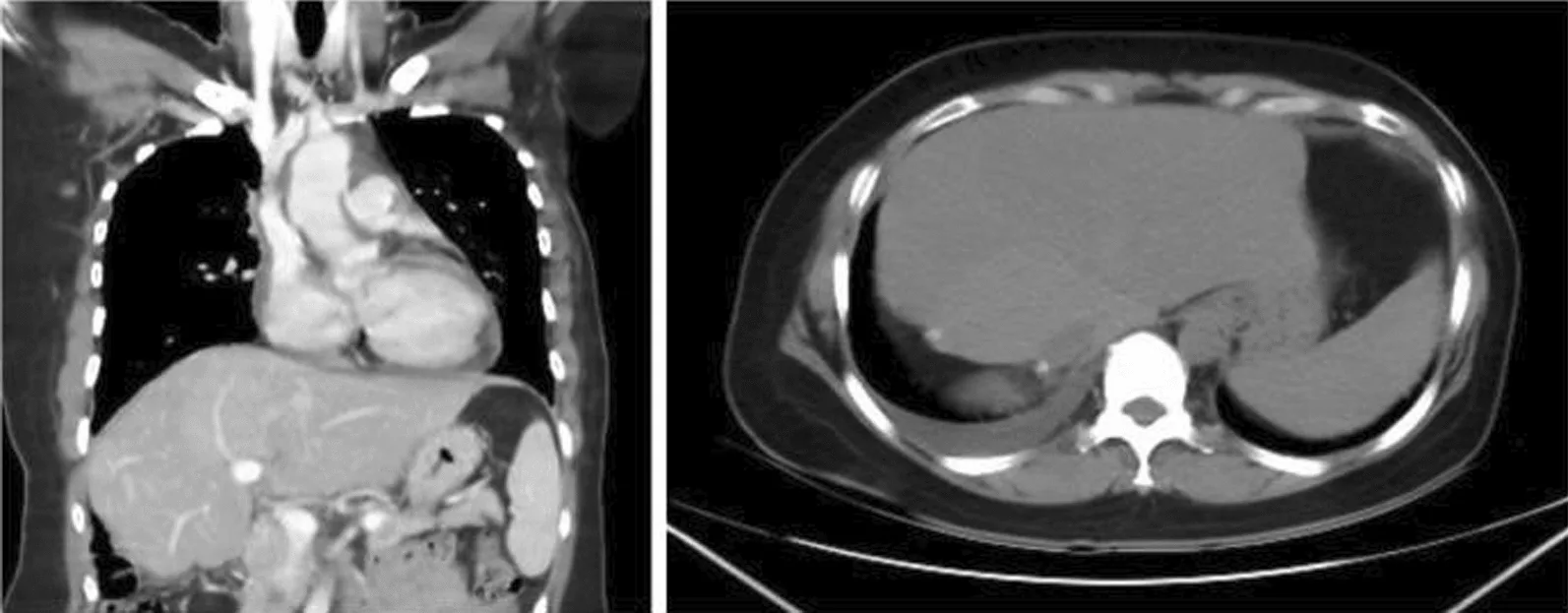
Patient Info: Anonymized, Female, 50s | Stage IV
Biomarkers: Markers changed over time: initial tumor ER-positive/HER2-negative; local recurrence triple-negative/HER2-low; pleural fluid ER-negative.
Metastatic Site: mediastinal lymph nodes, pleura; pulmonary nodules…
 PubMed Central
 Breast Cancer
Patient Info: Anonymized, Female, 40s | Stage IV
Biomarkers: Luminal B; HER2-negative
Metastatic Site: liver
PubMed Central Breast Cancer
Breast Cancer Recurrence in the Small Intestine and Bone More Than 5 Years After Diagnosis
Patient Info: Anonymized, Female, 50s | Stage IV
Biomarkers: Initial ER-positive, PR-positive, HER2-negative; metastatic lesion ER-negative, PR-negative, triple negative
Metastatic Site: small intestine, bone, right fallopian tube
PubMed Central Breast Cancer
Stage IV HER2-Positive Invasive Ductal Carcinoma: Dee's Patient Story
Patient Info: Dee Doherty, Female, Under 40 | Stage IV
Biomarkers: Hormone-sensitive disease implied by letrozole and ovarian suppression; ER/PR/HER2 status not explicitly stated
Metastatic Site: bone
 The Patient Story
 Breast Cancer
Stage 4 breast cancer: ongoing treatment with multi-line chemotherapy
Patient Info: Anonymized, Female, 40s | Stage IV
Biomarkers: Initial tumor: hormone receptor-negative; HER2 2+. 2011 recurrence: ER 10%; PR 70%; HER2 2+.
Metastatic Site: pleura/pleural effusion; lung
PubMed Central Breast Cancer
Triple-negative breast cancer: partial response to immunotherapy combination
Patient Info: Anonymized, Female, 40s | Stage IV
Biomarkers: Initial tumor: ER-negative; PR-negative; HER2-negative; Ki-67 >80%
Metastatic Site: left lung, neck lymph nodes, mediastinal lymph nodes
PubMed Central Breast Cancer
HER2-Positive Breast Cancer That Spread to the Cervix
Patient Info: Anonymized, female, 60s | Stage IV
Biomarkers: HER2-positive; ER and PR less than 1% in the left breast tumor
Metastatic Site: cervix, esophagus, mediastinal lymph nodes
PubMed Central Breast Cancer
Triple-positive breast cancer: complete response to targeted therapy
Patient Info: Anonymized, Female, 40s | Stage IV
Biomarkers: Triple-positive breast cancer; SBDS variants present; no detected TP53 variant on MyeloSeq.
Metastatic Site: liver
PubMed Central Breast Cancer
Stage IV Breast Cancer: Samantha's Patient Story
Patient Info: Samantha, Female, Under 40 | Stage IV
Biomarkers: Hormone-positive breast cancer; specific receptor details not reported
Metastatic Site: bone: rib, spine, pelvis
YouTube — The Patient Story Breast Cancer
Stage IV triple-negative breast cancer in remission: CBD and exercise for neuropathy
Patient Info: Anonymized, Female, 50s | Stage IV
Biomarkers: Triple-negative breast cancer. Blood and immune inflammation measures were tracked during neuropathy care.
Metastatic Site: liver
PubMed Central Breast Cancer
BRCA2-mutant metastatic breast cancer: complete response with rucaparib maintenance
Patient Info: Anonymized, Female, Under 40 | Stage IV
Biomarkers: Germline BRCA2 mutation; somatic BRCA2 mutation; HER2 amplification not seen by FISH; grade III IDC
Metastatic Site: bone
PubMed Central Breast Cancer
Metastatic invasive lobular breast carcinoma to pancreas: biliary stent and paclitaxel
Patient Info: Anonymized, Female, 40s | Stage IV
Biomarkers: Primary breast tumor was triple-negative. Pancreatic metastasis was ER-positive/GATA-positive
Metastatic Site: pancreas; coelio-mesenteric lymph nodes
PubMed Central Breast Cancer
BRCA2-Positive Breast Cancer in a Woman With Down Syndrome
Patient Info: Anonymized, female, Under 40 | Stage IV
Biomarkers: ER-positive, PR-negative, HER2-negative, germline BRCA2 pathogenic variant
Metastatic Site: lungs, bones
PubMed Central Breast Cancer
Treatment-Refractory Triple-Negative Breast Cancer Treated With Tumor-Infiltrating Lymphocytes
Patient Info: Anonymized, female, Under 40 | Stage IV
Biomarkers: Germline BRCA1 pathogenic variant; later triple-negative phenotype
Metastatic Site: skin, lungs, bones
PubMed Central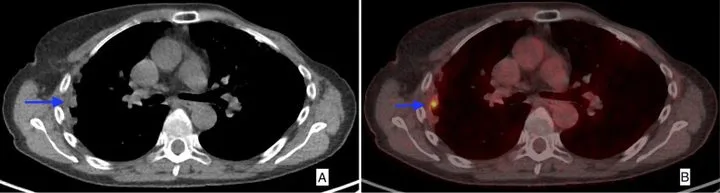 Breast Cancer
Breast cancer lung metastasis treated with a minimally invasive freezing procedure
Patient Info: Anonymized, Female | Stage IV
Biomarkers: HER2-positive; ER-negative
Metastatic Site: lungs
PubMed Central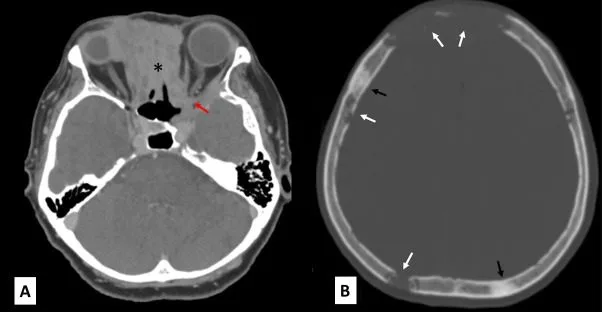 Breast Cancer
Breast Cancer Spread to the Sinuses, Eye Sockets and Skull
Patient Info: Anonymized, Female | Stage IV
Biomarkers: ER-positive; PR-positive
Metastatic Site: ethmoid and frontal sinuses; both orbits; multiple…
PubMed Central Breast Cancer
Metastatic Breast Cancer Treatment Caused Severe Circulation Problems in Her Fingers and Toes
Patient Info: Anonymized, Female | Stage IV
Biomarkers: HER2-positive; ER-negative; PR-negative
PubMed Central Breast Cancer
Stage IV PIK3CA Breast Cancer: Abigail's Patient Story
Patient Info: Abigail, Female, Under 40 | Stage IV
Biomarkers: Hormone-positive breast cancer with PIK3CA mutation and germline ATM mutation; later PD-L1 somatic change reported. HER2 not stated.
Metastatic Site: Bone, including femurs, spine, and humeri; later liver
The Patient Story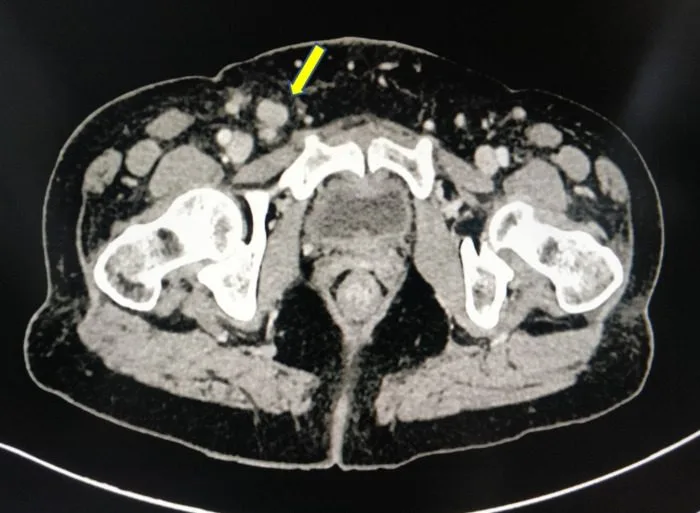 Breast Cancer
Triple-Negative Breast Cancer Recurring in Groin Lymph Nodes
Patient Info: Anonymized, Female | Stage IV
Biomarkers: ER-negative; PR-negative; HER2-negative
Metastatic Site: right inguinal lymph node; right iliac/pelvic lymph…
PubMed Central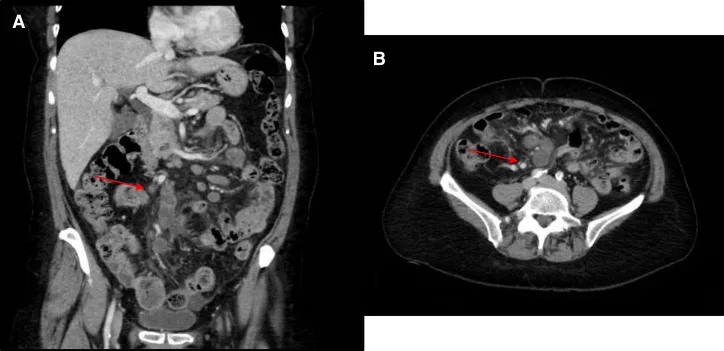 Breast Cancer
Triple-negative breast cancer first discovered through a duodenal metastasis
Patient Info: Anonymized, Female, 50s | Stage IV
Biomarkers: ER-negative; PR-negative; HER2-negative; CK7-positive; GATA3-positive; vimentin-positive; CDX2-negative; CK20-negative., triple negative
Metastatic Site: duodenum
PubMed Central Breast Cancer
Stage IV Invasive Lobular Carcinoma: Carol's Survivor Story
Patient Info: Carol, Female, 60s | Stage IV
Metastatic Site: Bone
 Lobular Breast Cancer Alliance
 Breast Cancer
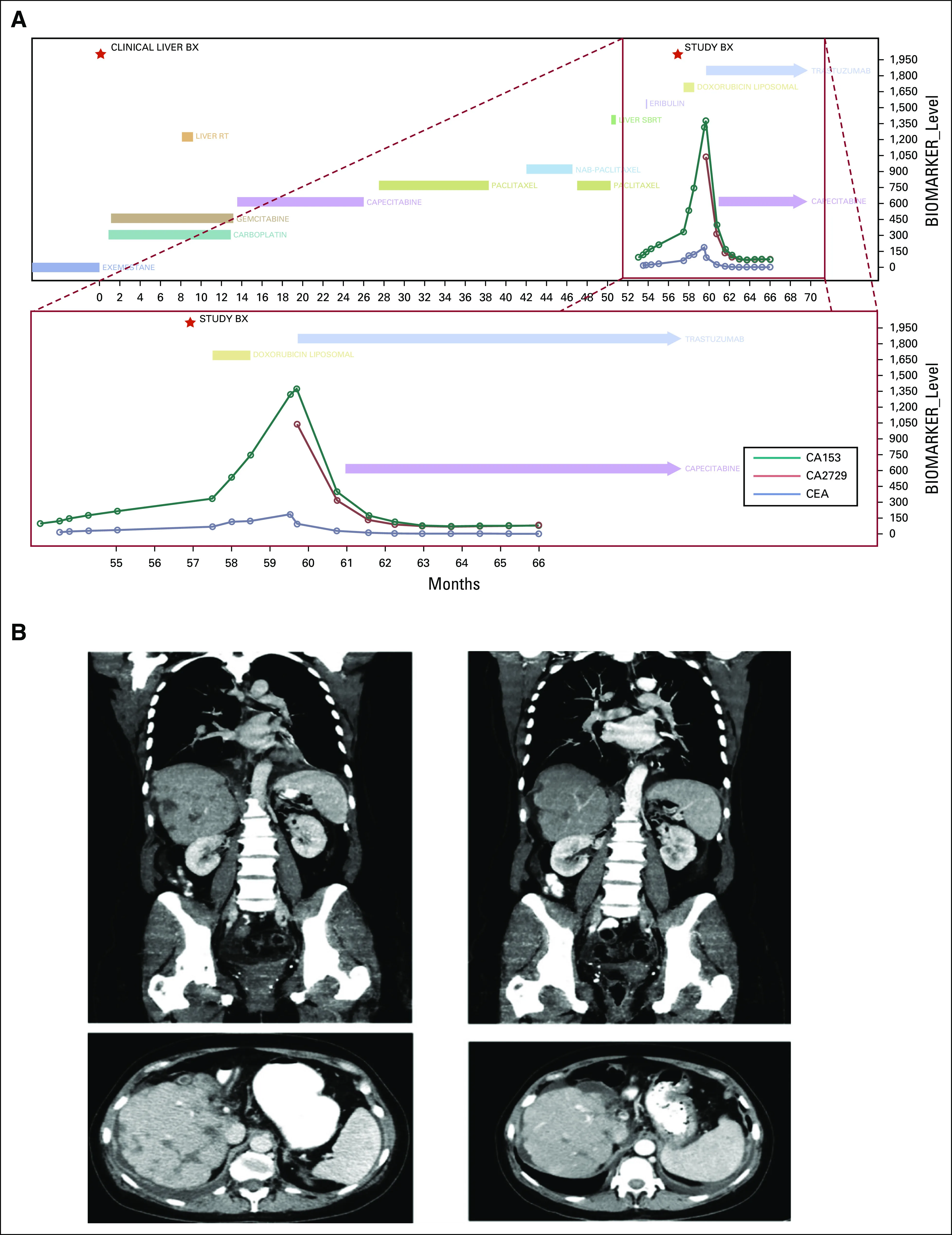
A durable response to trastuzumab in heavily pretreated metastatic breast cancer
Patient Info: Anonymized, Female, 60s | Stage IV
Biomarkers: Initial tumor ER-positive and PR-positive. Metastatic liver biopsy ER-negative and PR-negative with HER2 IHC 1+ and nonamplified. Later biopsy ER and PR weakly positive at 5%–10%, HER2 IHC 1+ and nonamplified, and ERBB3 p. with evidence of HER2/HER3 pathway activation.
Metastatic Site: lungs; hilar and mediastinal lymph nodes; liver; bone
PubMed Central Breast Cancer
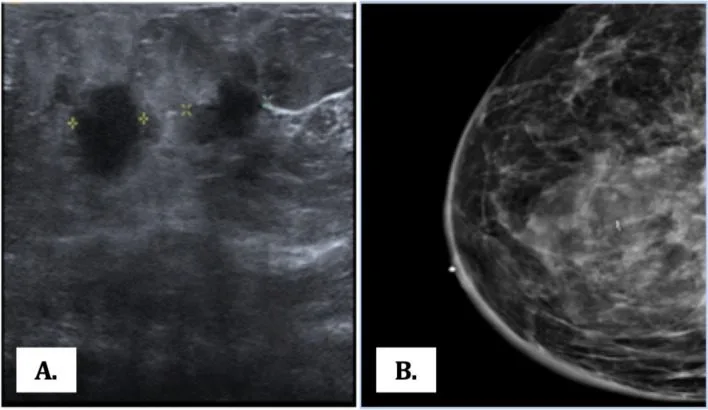
Stage IV Breast Cancer: Harper's Patient Story
Patient Info: Harper, Female, 50s | Stage IV
 Our Cancer Stories
 Breast Cancer
HER2-positive breast cancer diagnosed during pregnancy and later spread to bone and brain
Patient Info: Anonymized, Female, Under 40 | Stage IV
Biomarkers: Initial tumour: ER 0%, PR <1%, HER2 3+
Metastatic Site: bone (L3)|brain
PubMed Central