Cancer Stories
 Breast Cancer
Stage IV HR-Positive Invasive Lobular Carcinoma: Ann's Patient Story
Patient Info: Ann, Female | Stage IV
Biomarkers: ER-positive; HER2-negative
Metastatic Site: peritoneum; intestines/bowel
 breastcancer.org
 Breast Cancer
Stage IV HR-Positive Invasive Lobular Carcinoma: Amy's Patient Story
Patient Info: Amy, Female, 40s | Stage IV
Biomarkers: ER-positive; PR-positive; HER2-negative; BRCA1/2 negative
Metastatic Site: bones
breastcancer.org Breast Cancer
Stage IV HR-Positive Invasive Lobular Carcinoma: Nikoo's Patient Story
Patient Info: Nikoo, Female | Stage IV
Biomarkers: ER-positive; PR-positive; HER2-negative
Metastatic Site: Peritoneum | Ascites | Possible bone
 Lobular Breast Cancer Alliance
 Breast Cancer
Stage IV HR-Positive Invasive Lobular Carcinoma: Jeri's Patient Story
Patient Info: Jeri, Female, 60s | Stage IV
Biomarkers: ER-positive; PR-negative; HER2-negative
Metastatic Site: Lymph node | Ovaries | Fallopian tubes | Uterus | Bone
Lobular Breast Cancer Alliance Breast Cancer
Stage IV HR-Positive Invasive Lobular Carcinoma: Leanne's Patient Story
Patient Info: Leanne, Female, 50s | Stage IV
Biomarkers: ER-positive; PR-positive; HER2-positive
Metastatic Site: Brain
Lobular Breast Cancer Alliance Breast Cancer
Stage IV HR-Positive Breast Cancer: Robbie's Patient Story
Patient Info: Robbie, Female | Stage IV
Biomarkers: Estrogen receptor-positive / ER-positive
Metastatic Site: Bone; liver
 Massachusetts General Hospital
 Breast Cancer
Stage IV HR-Positive Breast Cancer: Alison's Survivor Story
Patient Info: Alison, Female, Under 40 | Stage IV
Biomarkers: ER-positive; PR-positive; HER2-positive
Metastatic Site: Cervical/neck lymph nodes
 The Patient Story
 Breast Cancer
Stage IV HR-Positive Invasive Ductal Carcinoma: Shari's Patient Story
Patient Info: Shari S., Female | Stage IV
Biomarkers: ER-positive, PR-positive and HER2-positive; no inherited cancer mutation was identified
Metastatic Site: Brain; other initial metastatic sites were not named
The Patient Story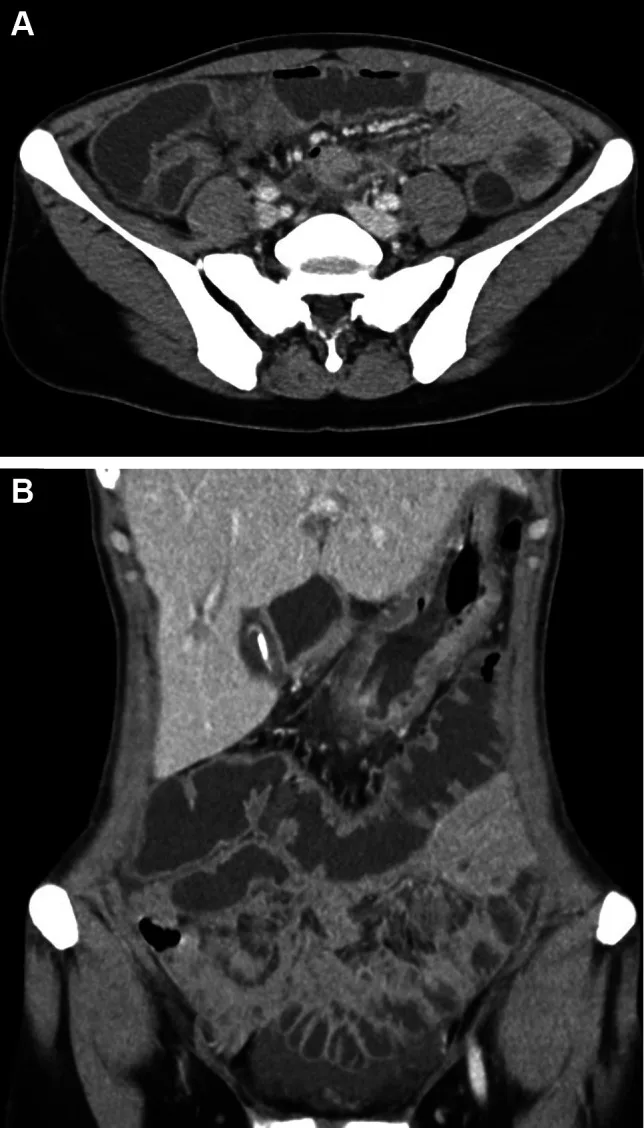 Breast Cancer
Stable Stage IV breast cancer after a serious side effect from abemaciclib
Patient Info: Anonymized, Female | Stage IV
Biomarkers: ER-positive; PR-positive; HER2-negative
Metastatic Site: bone marrow
 PubMed Central
 Breast Cancer
Amy’s Stage 4 Hormone-Positive Lobular Breast Cancer Story
Patient Info: Amy, Female | Stage IV
Biomarkers: ER-positive; PR-positive; HER2-negative
Metastatic Site: Spine; pelvis
Lobular Breast Cancer Alliance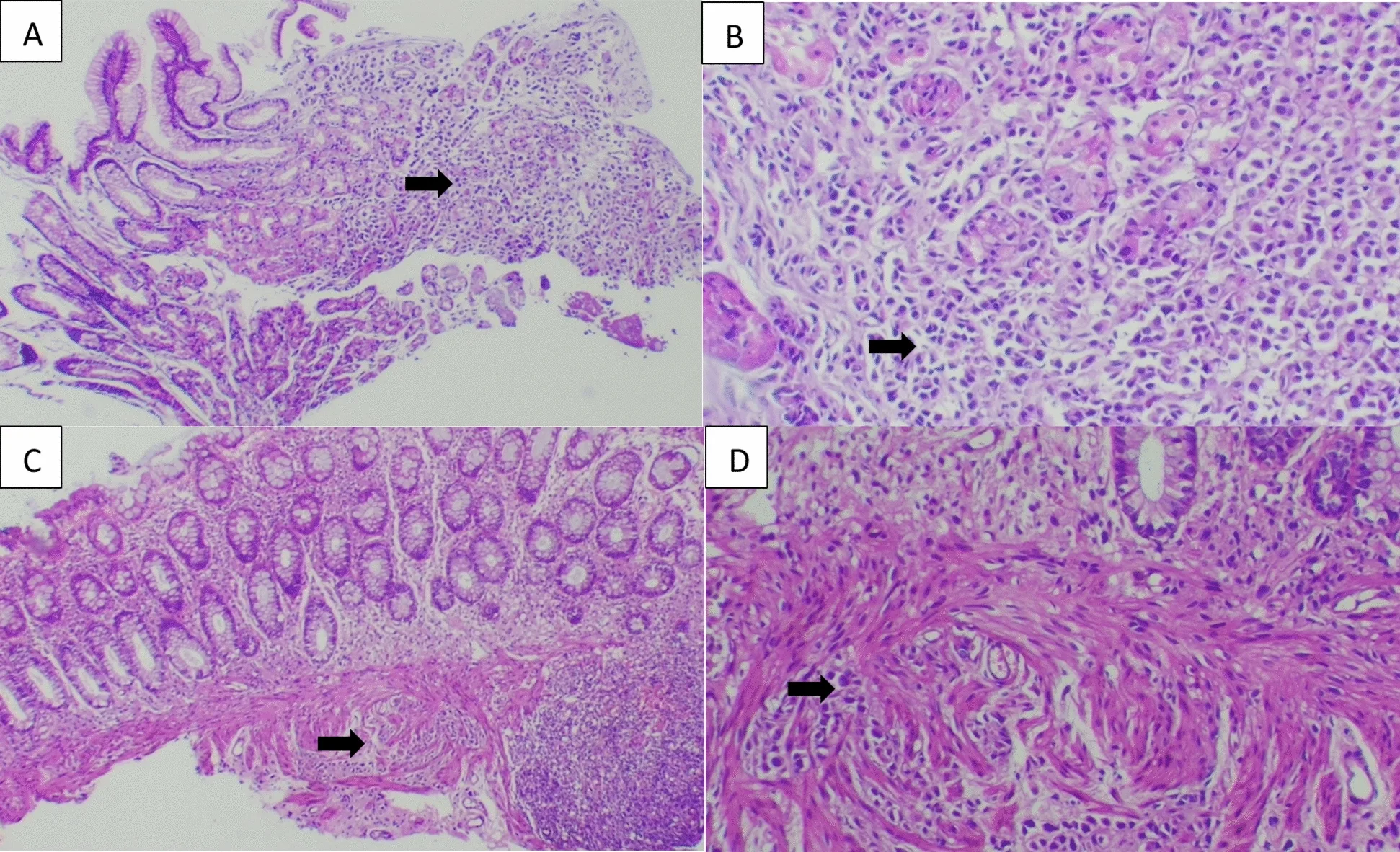 Breast Cancer
Patient Info: Anonymized, Female, 40s | Stage IV
Biomarkers: Primary tumor and gastric metastasis were ER/PR positive and HER2 negative; GATA3 supported breast origin in the metastasis.
Metastatic Site: stomach; ovaries; peritoneum; rectum; jejunum
PubMed Central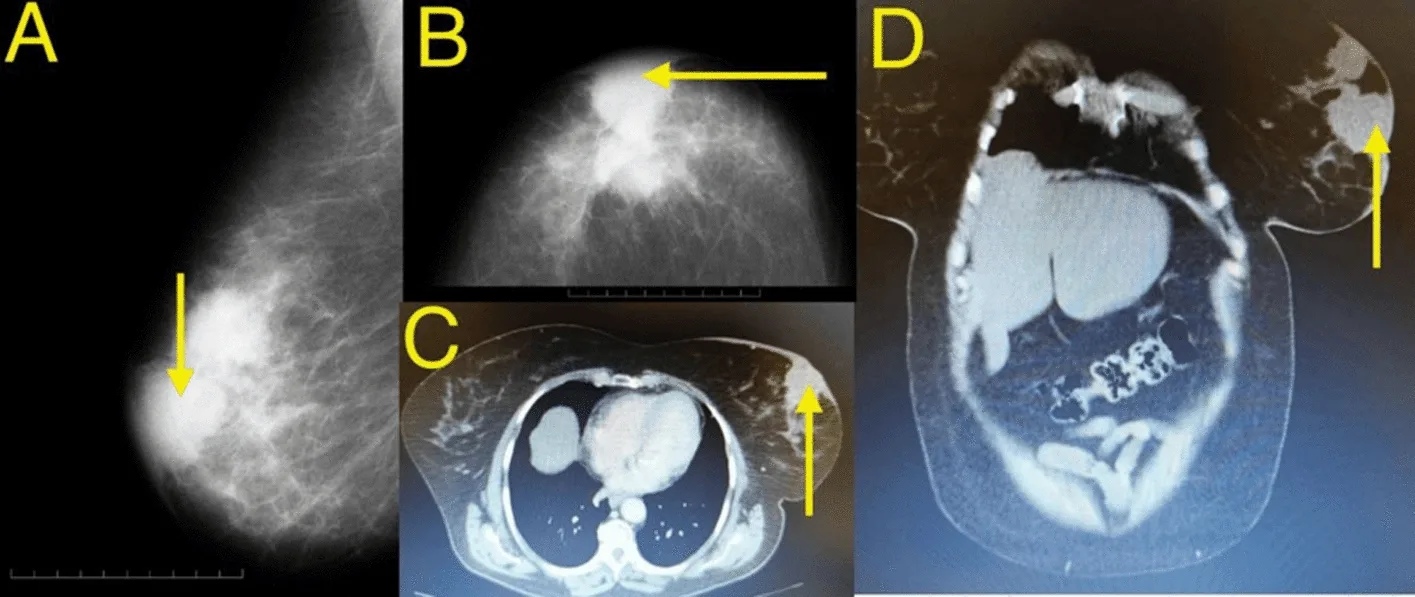 Breast Cancer
ER-positive/HER2-positive breast cancer with rare paranasal sinus and skull metastasis
Patient Info: Anonymized, Female, 70+ | Stage IV
Biomarkers: Primary and paranasal sinus metastasis were ER positive, PR negative, HER2 positive; GATA3 supported breast origin in metastasis.
Metastatic Site: left frontal sinus; ethmoid air cells; posterior…
PubMed Central Breast Cancer
Invasive lobular breast cancer with colonic metastases treated with colectomy and capecitabine
Patient Info: Anonymized, Female, 50s | Stage IV
Biomarkers: Breast and colon metastatic samples were ER+ and HER2-; PR varied by sample
Metastatic Site: colon; perivisceral lymph nodes
PubMed Central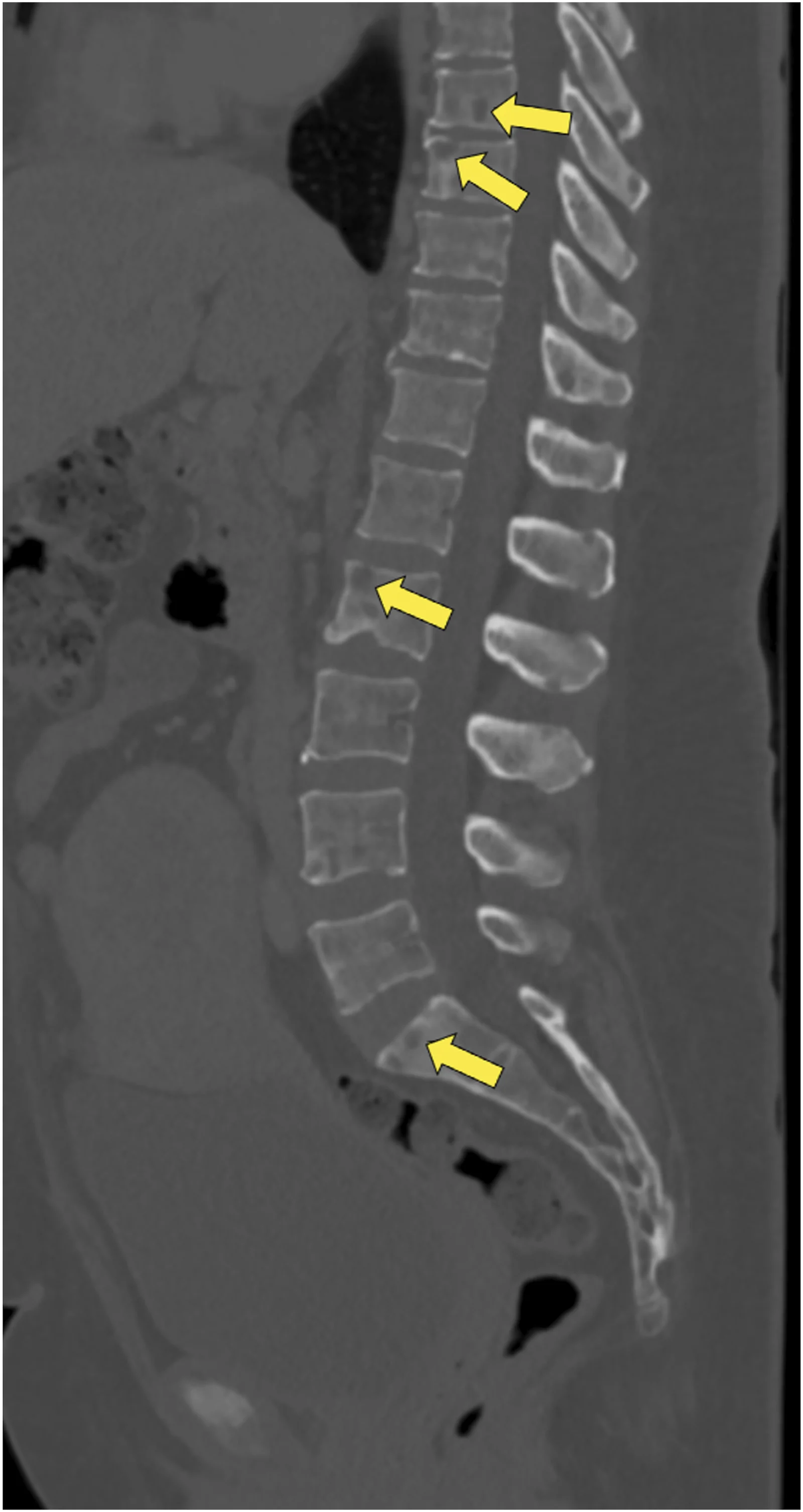 Breast Cancer
Breast Cancer Discovered After Widespread Bone Metastases
Patient Info: Anonymized, female, 40s | Stage IV
Biomarkers: ER 90–95%; PR 90–95%; HER2 IHC 0; Ki-67 5%; germline BRCA1/2 negative
Metastatic Site: bone, bone marrow
PubMed Central Breast Cancer
Stage 2 breast cancer: lump discovered at 61, successful treatment
Patient Info: Anonymized, Female, 60s | Stage IV
Biomarkers: Breast neuroendocrine tumor was ER/PR strongly positive, HER2 1+
Metastatic Site: lung, mediastinal lymph nodes, bone (ribs, spine,…
PubMed Central Breast Cancer
Patient Info: Anonymized, Female, 50s | Stage IV
Biomarkers: ER 70%; PR 100%; HER2-negative; Ki-67 10%
Metastatic Site: bone (cranial vault, right first rib, sternum, D5, D6,…
PubMed Central Breast Cancer
HER2-positive Stage IV breast cancer: T-DM1 extravasation wound healed after multidisciplinary care
Patient Info: Anonymized, Female, Under 40 | Stage IV
Biomarkers: ER 90% positive; PR 70% positive; HER2 IHC 3+
Metastatic Site: pelvis
PubMed Central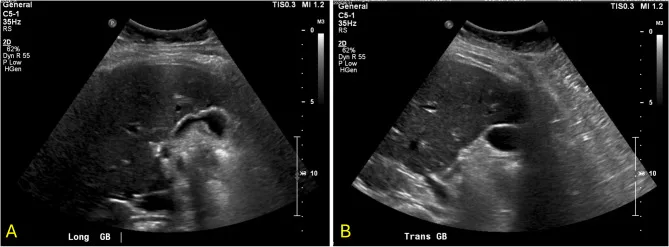 Breast Cancer
Patient Info: Anonymized, Female, 40s | Stage IV
Biomarkers: Triple-positive breast cancer. Gallbladder metastasis kept ER/PR/HER2 positivity and Ki-67 >40%; markers supported breast origin.
Metastatic Site: gallbladder, liver, lung/pleura, bone
PubMed Central Breast Cancer
Patient Info: Anonymized, Female, 50s | Stage IV
Biomarkers: Initial breast tumor and lung metastasis were ER/PR positive, HER2 0
Metastatic Site: lung
PubMed Central Breast Cancer
Metastatic hormone receptor-positive breast cancer: palbociclib and fulvestrant during dialysis
Patient Info: Anonymized, Female, 60s | Stage IV
Biomarkers: ER-positive; PR-negative; HER2 0 / HER2-negative; Ki-67 20.1%
Metastatic Site: lung, pleura, bone, right supraclavicular lymph node
PubMed Central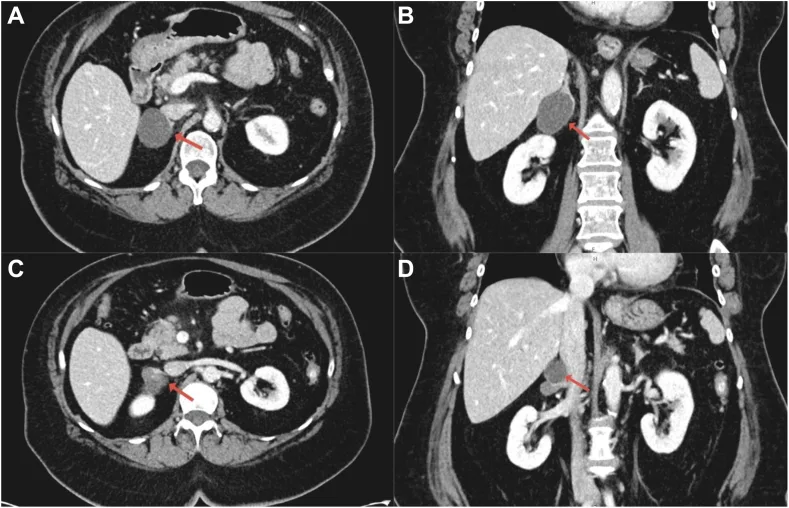 Breast Cancer
Isolated adrenal metastasis from breast cancer: adrenalectomy and exemestane plus palbociclib
Patient Info: Anonymized, Female, 60s | Stage IV
Biomarkers: ER-positive; PR-positive; HER2-negative; GATA3-positive; CK7-positive; mammaglobin-positive; GCDFP-15 rare staining
Metastatic Site: right adrenal gland
PubMed Central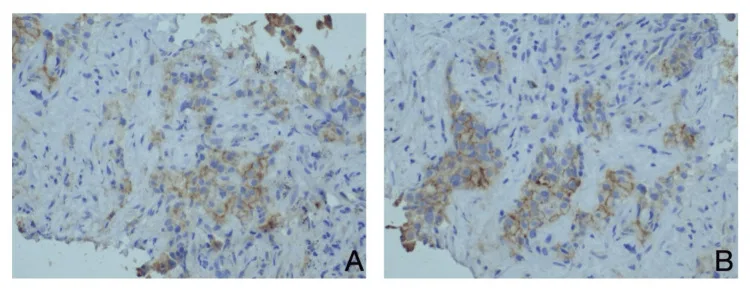 Breast Cancer
HER2-low lobular breast cancer with bone marrow involvement responding to T-DXd
Patient Info: Anonymized, Female | Stage IV
Biomarkers: Initial surgical specimen: ER-positive; PR-negative; HER2-negative. Bone marrow relapse: breast cancer infiltration with low HER2 staining.
Metastatic Site: bone marrow
PubMed Central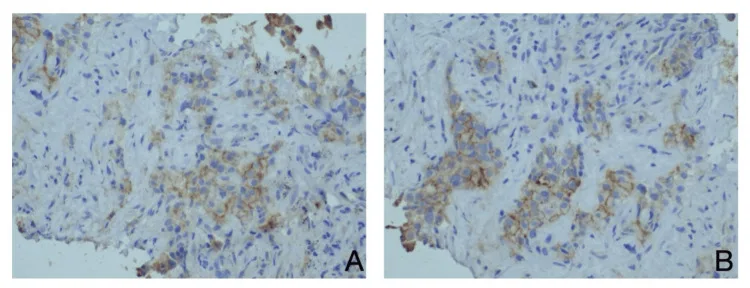 Breast Cancer
HER2-low lobular breast cancer with bone marrow involvement treated with T-DXd
Patient Info: Anonymized, Female | Stage IV
Biomarkers: Initial surgical specimen: ER-positive; PR-negative; HER2-negative. Bone marrow relapse: breast cancer infiltration with low HER2 staining.
Metastatic Site: bone marrow
PubMed Central Breast Cancer
Patient Info: Anonymized, Male, 60s | Stage IV
Biomarkers: ER >95%; PR >95%; HER2/neu-negative; Ki-67 30%; PIK3CA exon 21 pathogenic variant; BRCA1 not mutated; BRCA2 not mutated
Metastatic Site: bone (vertebral bodies T2-T6, L1, and L5)
PubMed Central