Mastectomy for ER Positive Breast Cancer: 141 Real Stories

141 stories match breast cancer, ER positive and mastectomy. 92 of them mention chemotherapy.

A patient, who was diagnosed with Breast CancerBreast Cancer

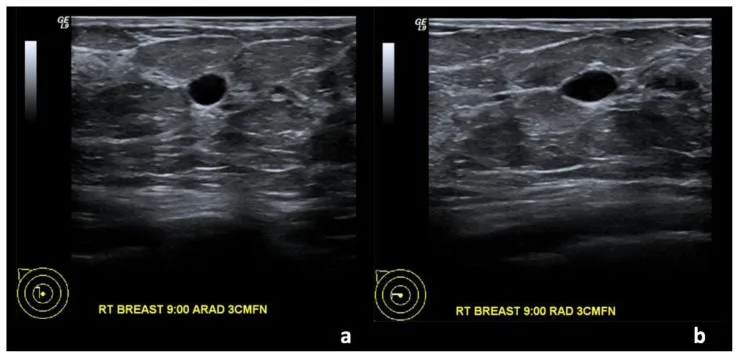
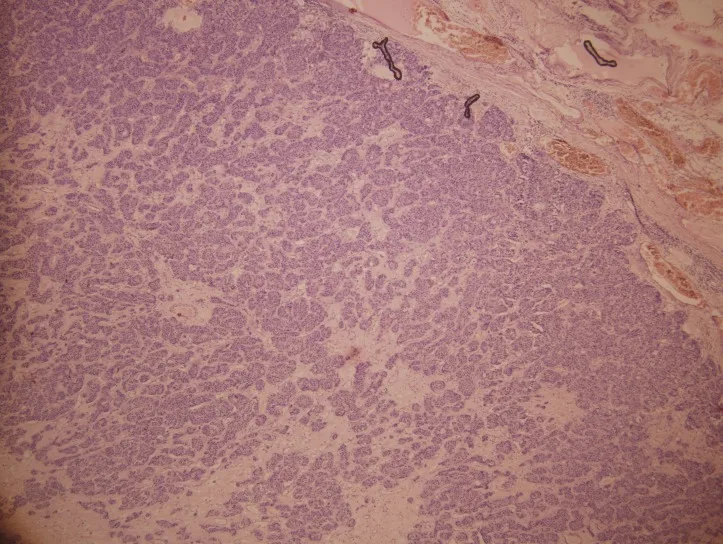
Encapsulated papillary breast cancer in a 62-year-old man

Patient Info: Anonymized, Male, 60s

Biomarkers: ER 95% positive; PR 95% positive; HER2 negative; Ki-67 11–50%; p53 negative for overexpression; hereditary cancer panel negative for reported pathogenic mutations including BRCA1 and PALB2

Mastectomy removed a 2.4 cm encapsulated papillary carcinoma with clear margins and 0/3 sentinel nodes involved; systemic adjuvant therapy was not recommended.

PubMed Central
OutcomeNot reported
A patient, who was diagnosed with Stage IV Breast CancerBreast Cancer

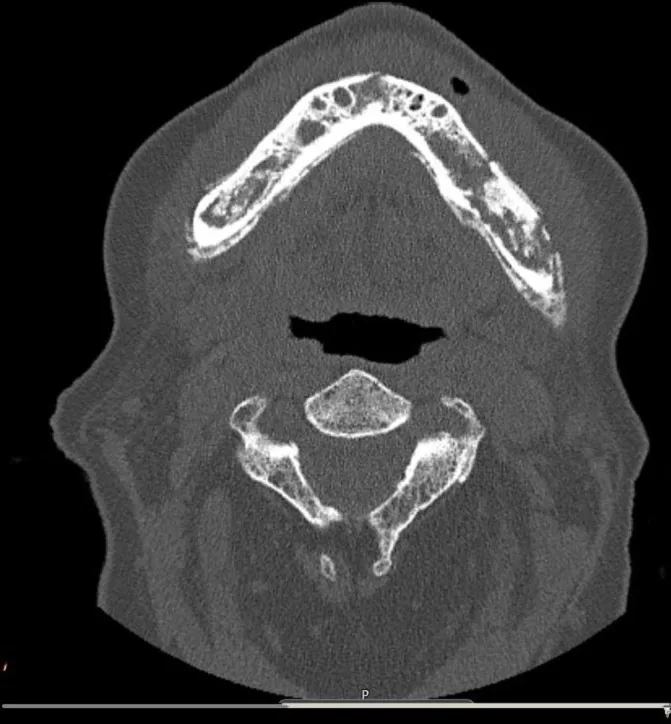
Metastatic ER-positive breast cancer complicated by osteonecrosis of the jaw

Patient Info: Anonymized, Female, 70+ | Stage IV

Biomarkers: ER-positive.

Metastatic Site: bone (sternum, spine, pelvis, and proximal femur)

After progressive metastatic bone disease and severe medication-related osteonecrosis of the jaw, she entered end-of-life care and died three weeks after discharge to a nursing home.

PubMed Central
OutcomeIn Memory
A patient, who was diagnosed with Stage IV Breast CancerBreast Cancer

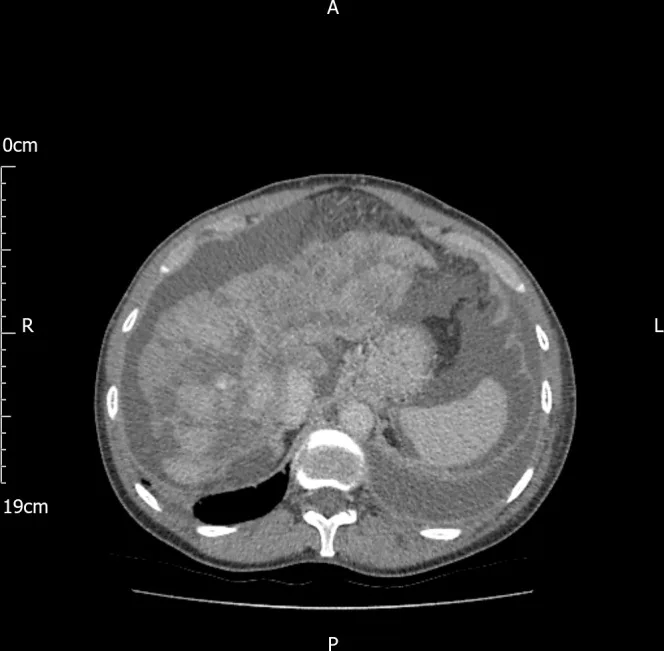
Breast Cancer Recurrence in the Liver Mimicking Cirrhosis

Patient Info: Anonymized, Female, 60s | Stage IV

Biomarkers: Original cancer: HER2-negative and PR-positive. Liver recurrence: ER-positive.

Metastatic Site: liver

The breast cancer recurred in the liver after 14 years, produced pseudocirrhosis and portal-hypertension complications, and she died from hepatorenal syndrome five weeks after presentation.

PubMed Central
OutcomeIn Memory
A patient, who was diagnosed with Stage IV Invasive Ductal CarcinomaBreast Cancer

Breast Cancer Recurrence in the Parotid Gland Eight Years Later

Patient Info: Anonymized, Female, 50s | Stage IV

Biomarkers: Primary breast tumor: ER-positive and HER2-positive. Parotid metastasis: ER-positive, PR-negative, and HER2-positive.

Metastatic Site: left parotid gland

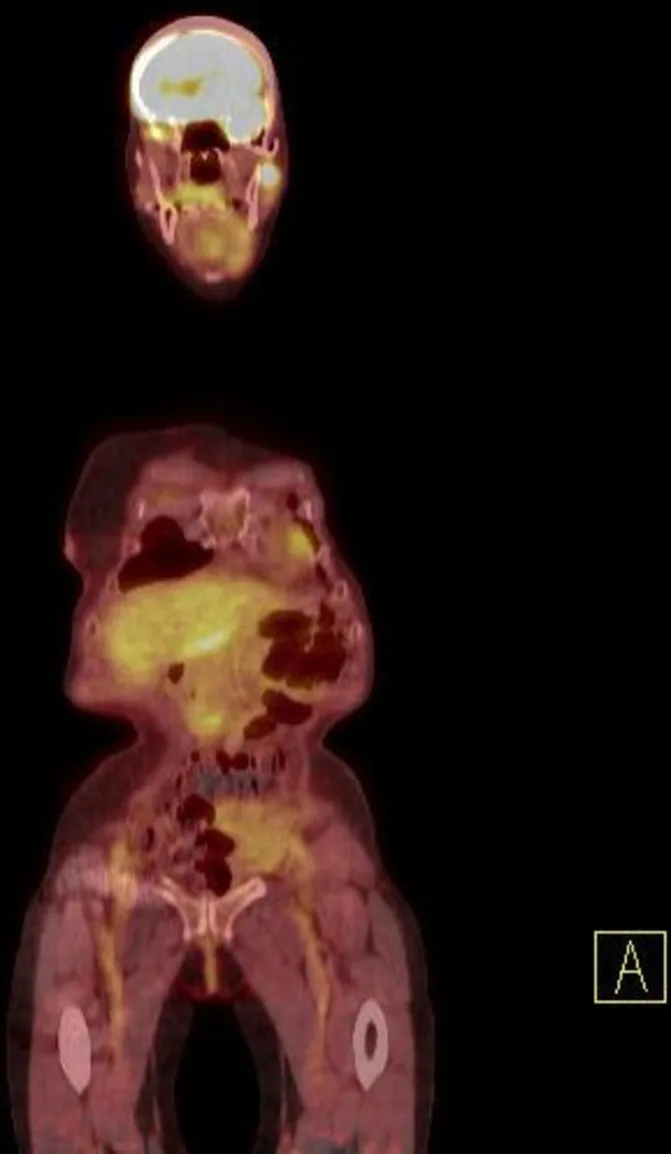
The isolated parotid metastasis was completely resected, one-month PET-CT showed no significant abnormality, and endocrine therapy continued with exemestane.

PubMed Central
OutcomeCare Ongoing
A patient, who was diagnosed with Invasive Lobular CarcinomaBreast Cancer

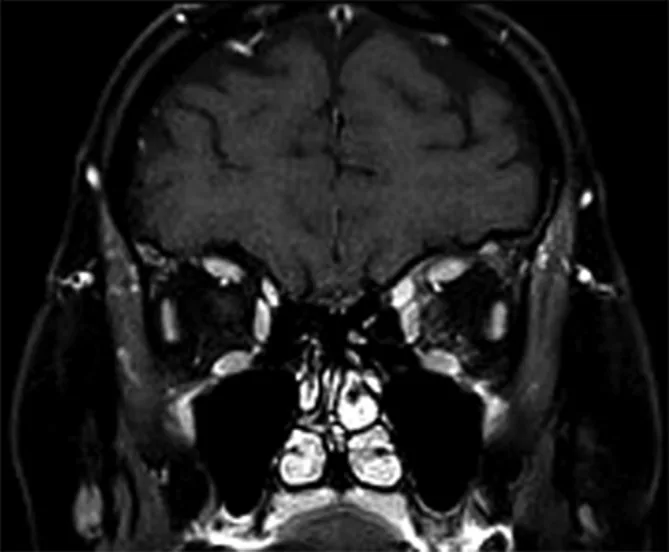
Lobular Breast Cancer Spreading to an Eye Muscle

Patient Info: Anonymized, Female, 40s | Stage Metastatic/Advanced

Biomarkers: Hormone receptor-positive; HER2-negative; E-cadherin-negative; CK7-positive

Metastatic Site: bones|left superior oblique eye muscle

The eye-muscle metastasis entered complete local remission, while bone disease was stable after 6 months of weekly paclitaxel and denosumab.

PubMed Central
OutcomeStable Disease
A patient, who was diagnosed with Invasive Ductal CarcinomaBreast Cancer

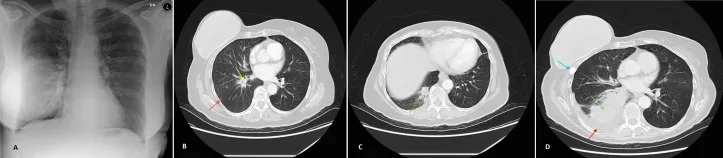
Recurrent Breast Cancer Initially Mistaken for Organising Pneumonia

Patient Info: Anonymized, Female, 60s | Stage Metastatic/Advanced

Biomarkers: ER-positive and GATA3-positive atypical pleural-fluid cells

Metastatic Site: lungs

After 12 months of first-line hormone therapy for metastatic recurrence, she had significant clinical and radiological improvement and remained on treatment.

PubMed Central
OutcomeResponding Well
A patient, who was diagnosed with Stage IV Invasive Ductal CarcinomaBreast Cancer

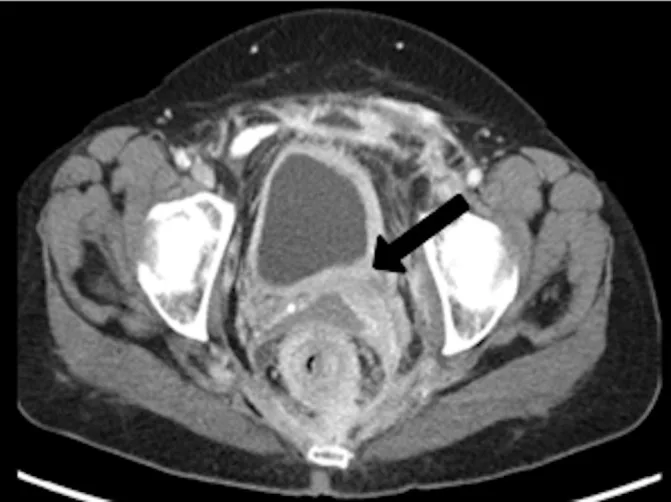
Breast cancer recurrence involving the bladder and bones

Patient Info: Anonymized, Female | Stage IV

Biomarkers: Initial breast cancer: ER-positive, PR-positive, HER2-negative. Bladder metastasis: ER-positive, PR-negative, HER2 1+.

Metastatic Site: bladder, bone, rectosigmoid region, anorectal region

She died in October 2016 from pulmonary haemorrhage, 47 months after metastatic disease was diagnosed.

PubMed Central
OutcomeIn Memory
A patient, who was diagnosed with Stage III Breast CancerBreast Cancer

Triple receptor-positive neuroendocrine breast cancer in a 32-year-old woman

Patient Info: Anonymized, Female, Under 40 | Stage III

Biomarkers: ER positive; PR positive; HER2 positive; neuron-specific enolase positive; synaptophysin positive

She was stable on follow-up and was receiving adjuvant chest-wall radiation plus systemic chemotherapy and trastuzumab-based therapy.

PubMed Central
OutcomeCare Ongoing
A patient, who was diagnosed with Stage IV Invasive Lobular CarcinomaBreast Cancer

Breast cancer returning 21 years later as a solitary parotid metastasis

Patient Info: Anonymized, Female, 70+ | Stage IV

Biomarkers: Parotid metastasis ER positive; PR positive; HER2 borderline by IHC but FISH 1.82

Metastatic Site: left parotid gland

More than 5 months after the parotid metastasis was diagnosed, the tumour had slightly decreased in size and her metastatic disease remained stable on endocrine therapy.

PubMed Central
OutcomeLiving With Cancer
A patient, who was diagnosed with Inflammatory Breast CancerBreast Cancer

Breast invasive ductal carcinoma with coexisting inflammatory myofibroblastic tumor: disease-free after mastectomy, TAC, and tamoxifen

Patient Info: Anonymized, Female, Under 40

Biomarkers: Breast cancer: ER/PR-positive with HER2 2+ and p53-positive. Separate inflammatory myofibroblastic tumor had ALK/vimentin/actin/S-100 markers.

As of August 2013, she remained disease-free 2 years after modified radical mastectomy, 6 courses of TAC chemotherapy, and tamoxifen.

PubMed Central
OutcomeCancer-Free / NED
A patient, who was diagnosed with Breast CancerBreast Cancer

ER/PR-positive mucinous breast cancer treated with mastectomy and tamoxifen

Patient Info: Anonymized, Female, Under 40

Biomarkers: ER-positive; PR-positive; HER2/neu not overexpressed; no pathogenic BRCA1 or BRCA2 mutations identified; chromosome 13q34 duplication

After radical right mastectomy with nipple and areola preservation followed by tamoxifen, she showed no evidence of local recurrence or metastasis of breast cancer.

PubMed Central
OutcomeCancer-Free / NED
A patient, who was diagnosed with Stage IV Breast CancerBreast Cancer

Stage IV ER/PR-positive mucinous breast cancer: long-term no evidence of disease after surgery, AFTV, radiation, CEF, and endocrine therapy

Patient Info: Anonymized, Female, 50s | Stage IV

Biomarkers: ER-positive; PR-positive; delayed-type hypersensitivity to AFTV became pseudo-positive after vaccination and remained pseudo-positive 5.4 years later

Metastatic Site: Th7 vertebra

More than 6 years after primary surgery, she remained well with no evidence of vertebral metastasis activity, new metastasis, or local recurrence.

PubMed Central
OutcomeCancer-Free / NED
A patient, who was diagnosed with Stage IV Invasive Ductal CarcinomaBreast Cancer

ER-positive breast cancer recurrence with renal metastasis inside angiomyolipoma

Patient Info: Anonymized, Female, 60s | Stage IV

Biomarkers: ER-positive; mammaglobulin-positive; e-cadherin-positive; GCDFP-15-positive; melan A positive in angiomyolipoma component

Metastatic Site: right subpectoral lymph node, left kidney

At 7 months after nephrectomy, she continued anti-estrogen hormonal therapy with no demonstrable progression of disease; surgical excision of the subpectoral lymph node was offered but declined.

PubMed Central
OutcomeCare Ongoing
A patient, who was diagnosed with Stage 0 Invasive Ductal CarcinomaBreast Cancer

Male DCIS breast cancer treated with mastectomy and negative sentinel node

Patient Info: Anonymized, Male, 60s | Stage 0

Biomarkers: ER-positive; PR-positive

Completed surgical treatment for Stage 0 DCIS with negative sentinel lymph node biopsy and clear margins; no additional cancer-directed therapy was described.

PubMed Central
OutcomeSurvivorship / Completed Treatment
A patient, who was diagnosed with Stage IV Invasive Lobular CarcinomaBreast Cancer

Metastatic lobular breast cancer to bladder trigone: partial response to tamoxifen

Patient Info: Anonymized, Female, 60s | Stage IV

Biomarkers: progesterone receptor-positive; genetic testing including BRCA1 negative

Metastatic Site: bladder trigone

As of January 2012, urge incontinence had resolved and PET showed decreased activity in the breast and bladder trigone lesions nearly 10 months after starting tamoxifen, consistent with clinical and partial radiologic remission.

PubMed Central
OutcomeResponding Well
A patient, who was diagnosed with Stage IV Invasive Lobular CarcinomaBreast Cancer

Lobular breast cancer with extraocular muscle and lung metastases: ocular improvement after radiotherapy and tamoxifen

Patient Info: Anonymized, Female, 60s | Stage IV

Biomarkers: Original breast cancer: ER-negative; PR-negative. Extraocular muscle metastasis/recurrent disease: ER strongly positive; PR strongly positive.

Metastatic Site: bilateral extraocular muscles, right upper lobe lung,…

At 18 months after presentation with extraocular muscle metastases, PET showed no abnormality, diplopia had resolved, and ocular motility had markedly improved, with mild bilateral ptosis remaining.

PubMed Central
OutcomeCancer-Free / NED