Cyclophosphamide for Breast Cancer: 134 Real Stories

134 stories match breast cancer and cyclophosphamide. 129 of them mention surgery.

A patient, who was diagnosed with Breast CancerBreast Cancer

HER2-positive apocrine breast cancer: chemotherapy and Herceptin

Patient Info: Anonymized, Female, 60s

Biomarkers: HER2-positive; AR-positive; ER-negative; PR-negative

Disease-free for 2 years after treatment for HER2-positive apocrine breast cancer, with no reported lymph-node recurrence or distant metastases during surveillance.

PubMed Central
OutcomeCancer-Free / NED
A patient, who was diagnosed with Stage IV Invasive Lobular CarcinomaBreast Cancer

Invasive lobular breast cancer with isolated scalp metastasis: excision and endocrine therapy

Patient Info: Anonymized, Female, 50s | Stage IV

Biomarkers: Original breast tumor: ER-positive; PR-positive; scalp metastasis: CK7-positive; ER-positive; GCDFP-15 partially positive

Metastatic Site: scalp/skin

As of April 2024, she had no signs of recurrence in the breast or scalp and no distant metastasis after excision of the isolated scalp metastasis while continuing anastrozole.

PubMed Central
OutcomeCancer-Free / NED
A patient, who was diagnosed with Stage III Breast CancerBreast Cancer

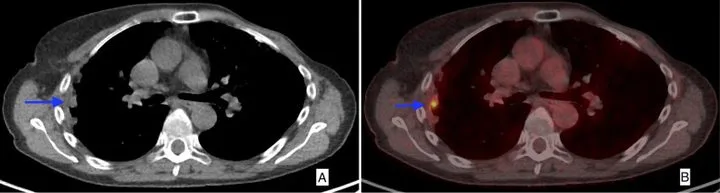
Stage IIIA breast cancer history with benign lipid pneumonia mimicking lung malignancy

Patient Info: Anonymized, Female, 40s | Stage III

Prior Stage IIIA breast cancer treatment was completed; a later suspicious lung lesion proved to be benign lipid pneumonia rather than recurrence or lung cancer, and she was asymptomatic 1 year after lobectomy with continued surveillance for new right-lung changes.

PubMed Central
OutcomeSurvivorship / Completed Treatment
A patient, who was diagnosed with Stage IV Invasive Lobular CarcinomaBreast Cancer

Treatment-Refractory Triple-Negative Breast Cancer Treated With Tumor-Infiltrating Lymphocytes

Patient Info: Anonymized, female, Under 40 | Stage IV

Biomarkers: Germline BRCA1 pathogenic variant; later triple-negative phenotype

Metastatic Site: skin, lungs, bones

Tumor burden briefly decreased after tumor-infiltrating lymphocyte therapy, but she developed severe treatment complications followed by rapid cancer relapse and died about 1 month after the TIL/IL-2 treatment began.

PubMed Central
OutcomeIn Memory
A patient, who was diagnosed with Stage IV Breast CancerBreast Cancer

Adenoid Cystic Breast Cancer Spreads to the Kidney, Lungs, Bone and Spleen

Patient Info: Anonymized, female, 70+ | Stage IV

Biomarkers: Triple-negative

Metastatic Site: kidneys, lungs, spleen, bone, lymph nodes

The cancer progressed from an initial kidney metastasis to widespread disease involving the lungs, spleen, right kidney, lymph nodes, and C4 vertebra. By May 2022 she had worsening cachexia and pain, and best supportive care was recommended.

PubMed Central
OutcomeSetback / Progression
Lucinda, who was diagnosed with Invasive Lobular CarcinomaBreast Cancer

Invasive Lobular Carcinoma: Lucinda's Patient Story

Patient Info: Lucinda Rudolph, Female, 60s

As of June 2023, Lucinda was living well after treatment for locally advanced recurrent invasive lobular breast cancer, taking exemestane, receiving supportive care for neuropathy, and returning to MD Anderson every 6 months for checkups.

MD Anderson
OutcomeCare Ongoing
Carol, who was diagnosed with Breast CancerBreast Cancer

BRCA1 Breast Cancer: Carol's Survivor Story

Patient Info: Carol Arnhart

Biomarkers: BRCA1 mutation

She had a complete pathologic response to breast chemotherapy and later reported no evidence of breast cancer.

MD Anderson
OutcomeCancer-Free / NED
Christine, who was diagnosed with Stage III Breast CancerBreast Cancer

Stage III HER2-Positive Breast Cancer: Christine's Survivor Story

Patient Info: Christine Elliott, Female, Under 40 | Stage III

Biomarkers: Estrogen receptor-positive; HER2 and progesterone receptor status not reported

As of May 2023, Christine was about 3 years from diagnosis and in survivorship after chemotherapy, lumpectomy, and radiation. She reported lasting physical and emotional effects but did not state a formal NED status.

YouTube — The Patient Story
OutcomeSurvivorship / Completed Treatment
A patient, who was diagnosed with Breast CancerBreast Cancer

Rare breast blood-vessel cancer (angiosarcoma) in a teenage girl

Patient Info: Anonymized, Female

Biomarkers: Testing for Li-Fraumeni syndrome and POT1 mutation was inconclusive; no inherited cancer predisposition was established

She remained in remission 3 years after diagnosis and continued annual MRI surveillance of the reconstructed and opposite breasts.

PubMed Central
OutcomeCancer-Free / NED
Diana, who was diagnosed with Stage III Breast CancerBreast Cancer

Stage III Breast Cancer: Diana's Patient Story

Patient Info: Diana, Female, 40s | Stage III

As of 2023, Diana was receiving treatment for Stage III breast cancer after quadrantectomy, chemotherapy, radiation therapy, hormone therapy, unilateral oncological mammoplasty, and lymph-node removal.

Our Cancer Stories
OutcomeCare Ongoing
A patient, who was diagnosed with Stage IV Invasive Ductal CarcinomaBreast Cancer

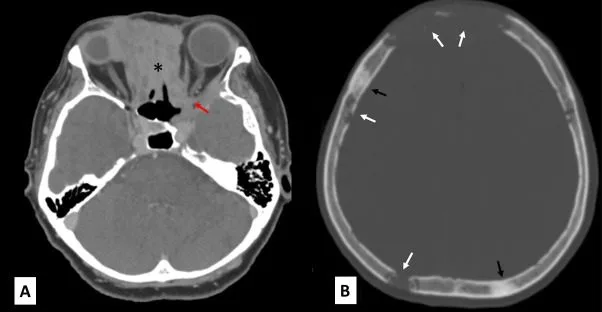
Breast Cancer Spread to the Sinuses, Eye Sockets and Skull

Patient Info: Anonymized, Female | Stage IV

Biomarkers: ER-positive; PR-positive

Metastatic Site: ethmoid and frontal sinuses; both orbits; multiple…

At 1-year follow-up, the sino-orbital metastases had not progressed on neuroimaging, right-eye visual acuity remained good, and chemoradiotherapy had been tolerated without complication.

PubMed Central
OutcomeStable Disease / Care Ongoing
A patient, who was diagnosed with Stage IV Invasive Ductal CarcinomaBreast Cancer

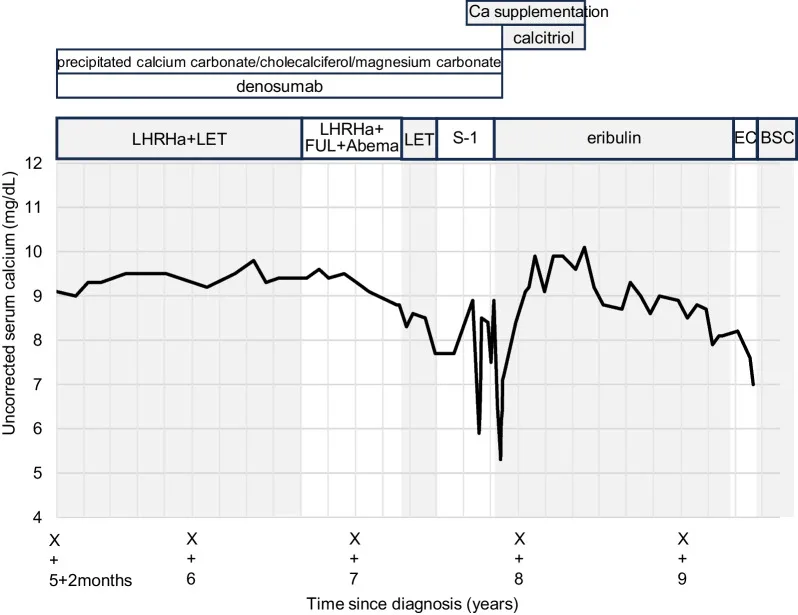
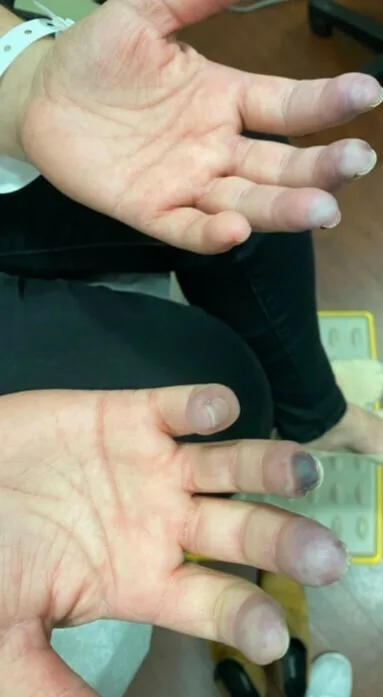
Metastatic Breast Cancer Treatment Caused Severe Circulation Problems in Her Fingers and Toes

Patient Info: Anonymized, Female | Stage IV

Biomarkers: HER2-positive; ER-negative; PR-negative

The digital ischaemia improved after gemcitabine was stopped, without revascularisation, debridement or amputation, although a small necrotic fingertip area persisted at 3 months. Metastatic breast cancer treatment continued with further systemic lines after progression.

PubMed Central
OutcomeLiving With Cancer / Ongoing Treatment
A patient, who was diagnosed with Stage IV Invasive Ductal CarcinomaBreast Cancer

Metastatic Breast Cancer Reclassified After NTRK Fusion Testing

Patient Info: Anonymized, Female | Stage IV

Biomarkers: ETV6-NTRK3 fusion detected in tissue but not circulating tumor DNA; ER low-positive; PR-negative; HER2-negative; PD-L1-negative; germline CHEK2 variant of uncertain significance

Metastatic Site: lungs and pleura; hilar, mediastinal and retrocaval…

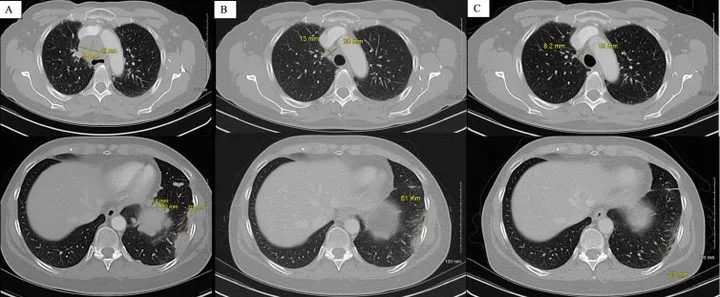
After tissue testing identified an ETV6-NTRK3 fusion, treatment with larotrectinib produced a rapid clinical and radiological response.

PubMed Central
OutcomeResponding Well
A patient, who was diagnosed with Breast CancerBreast Cancer

Severe Esophageal Narrowing After Chemotherapy for Breast Cancer

Patient Info: Anonymized, female, 60s

The breast tumor shrank slightly and was considered stable before mastectomy. Her major subsequent problem was persistent treatment-related esophageal narrowing that required nutritional support and later a removable esophageal stent.

PubMed Central
OutcomeNot reported
MB
Breast Cancer

Male breast cancer discovered after years of stiff-person syndrome

Patient Info: Anonymized, Male, 50s

Biomarkers: ER-positive; PR-positive; HER2-negative; anti-amphiphysin antibody positive at 1:64; hereditary cancer panel negative for pathogenic germline variants.

He completed curative-intent breast cancer treatment and reported substantial improvement in upper-body stiffness, although lower-extremity stiffness, cramps, and unsteadiness persisted.

PubMed Central
OutcomeNot reported