Stage 4: 1,129 Real Stories

1,129 stories match stage 4. 777 of them mention chemotherapy.

A patient, who was diagnosed with Stage IV Lung AdenocarcinomaLung Cancer

Stage 4 lung cancer: 2-year survival with immunotherapy

Patient Info: Anonymized, Male, 50s | Stage IV

Biomarkers: SMARCA4/BRG1 loss; MET exon 14 ; BRCA1/MSH6/CDK12 mutations; PD-L1 TPS 90%; no MSI. Other common lung drivers not detected.

Metastatic Site: pleural effusion, multiple bilateral lung nodules,…

The patient declined MET inhibitor therapy and chemotherapy but responded strongly to sintilimab plus anlotinib, with marked shrinkage after 2 cycles, sustained lesion control through 32 cycles, and more than 2 years of progression-free survival.

PubMed Central
OutcomeResponding Well
A patient, who was diagnosed with Stage IV Colorectal AdenocarcinomaColorectal Cancer

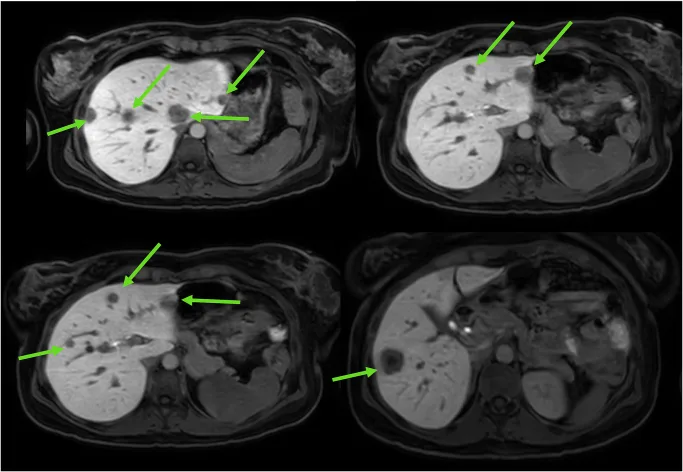
Stage IV KRAS-mutant colorectal cancer with bilobar liver metastases: multimodality treatment and no evidence of disease

Patient Info: Anonymized, Female, 40s | Stage IV

Biomarkers: KRAS-mutated; BRAF wild-type; mismatch repair proficient

Metastatic Site: liver

After second liver resection, follow-up MRI at 8 weeks showed continued response at the SABR site and no recurrent disease; she was receiving adjuvant capecitabine and remained well.

PubMed Central
OutcomeCancer-Free / NED
Lysa, who was diagnosed with Stage IV Non-Small Cell Lung CancerLung Cancer

Stage IV ROS1 Non-Small Cell Lung Cancer: Lysa's Patient Story

Patient Info: Lysa, Female, 40s | Stage IV

Biomarkers: ROS1-positive / ROS1-rearranged

Metastatic Site: spine; later new sites not specified

After more than a decade with Stage IV ROS1-positive NSCLC, Lysa was stable on a clinical-trial targeted therapy and no longer needed chemotherapy.

The Patient Story
OutcomeResponding Well
A patient, who was diagnosed with Stage IV Breast CancerBreast Cancer

HER2-positive breast cancer: brain recurrence, T-DXd liver injury, and later progression

Patient Info: Anonymized, Female, 40s | Stage IV

Biomarkers: HER2-positive; hormone receptor-negative; grade 3 infiltrative breast carcinoma

Metastatic Site: brain; thoracic lymph nodes

As of October 2025, the patient had developed brain and thoracic nodal recurrence after HER2-directed treatment, experienced T-DXd-associated liver injury, progressed after later paclitaxel/trastuzumab, and died at home in December 2024 under palliative care.

PubMed Central
OutcomeIn Memory
A patient, who was diagnosed with Stage IV Gastric CancerGastric Cancer

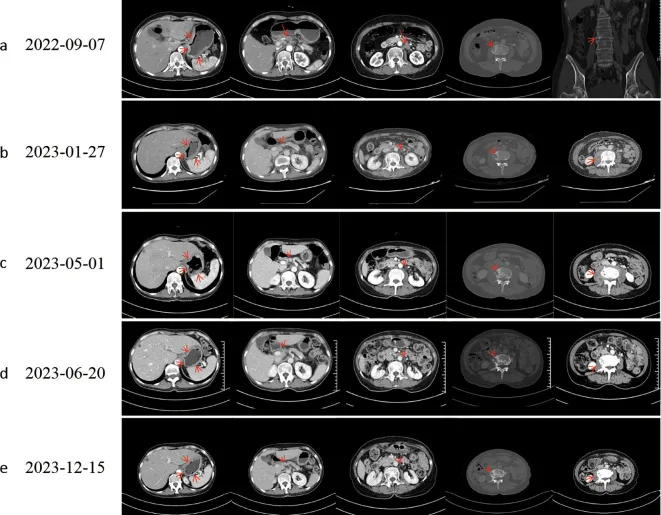
ALK-Fusion Gastric Cancer Responds to Alectinib Before Progression

Patient Info: Anonymized, female, 50s | Stage IV

Biomarkers: DCTN1–ALK fusion; ATM p.E1724*; CDK6 amplification; HER2 negative; mismatch-repair proteins intact; later KRAS amplification

Metastatic Site: bone

Alectinib produced a partial response for about 11.5 months, but the cancer later progressed systemically and she died from uncontrollable gastrointestinal bleeding.

PubMed Central
OutcomeIn Memory
Paul, who was diagnosed with Stage IV Breast CancerBreast Cancer

Stage IV HER2-Positive Breast Cancer: Paul's Patient Story

Patient Info: Paul Forgette, Male, 60s | Stage IV

Biomarkers: HER2-positive; triple-positive breast cancer; CHEK2 mutation

Metastatic Site: Bones; lymph nodes

By October 2025, 9 months after starting Enhertu, Paul’s Stage IV HER2-positive male breast cancer was described as dormant, not cured, with continued City of Hope care and integrative support.

City of Hope
OutcomeCare Ongoing
A patient, who was diagnosed with Stage IV Lung AdenocarcinomaLung Cancer

Stage IV ROS1-positive lung adenocarcinoma: entrectinib-associated ventricular tachyarrhythmia treated with plasma exchange

Patient Info: Anonymized, Male, Under 40 | Stage IV

Biomarkers: ROS1-positive lung adenocarcinoma

Metastatic Site: not specified

As of October 2025, the patient survived severe entrectinib-associated ventricular tachyarrhythmia, was weaned from VA-ECMO by day 5 after therapeutic plasma exchange, and was discharged improved on day 13; later lung-cancer response was not described.

PubMed Central
OutcomeCare Ongoing
Nicole, who was diagnosed with Stage IV Breast CancerBreast Cancer

Stage IV Triple-Negative Breast Cancer: Nicole's Patient Story

Patient Info: Nicole, Female, 40s | Stage IV

Biomarkers: ER-negative; PR-negative; HER2-negative

Metastatic Site: liver

Nicole remained in active treatment for liver-metastatic triple-negative breast cancer, with meaningful response after switching to an antibody-drug conjugate and then undergoing mastectomy.

The Patient Story
OutcomeResponding Well
Dalitso, who was diagnosed with Stage IV Invasive Ductal CarcinomaBreast Cancer

Stage IV Invasive Ductal Carcinoma: Dalitso's Patient Story

Patient Info: Dalitso, Female, Under 40 | Stage IV

Metastatic Site: bone: spine, ribs, sternum, hip sockets

Dalitso had severe Stage IV bone-metastatic breast cancer with hospice-level symptoms and later bone progression, but subsequent imaging after a new treatment approach showed no visible active disease.

The Patient Story
OutcomeResponding Well
A patient, who was diagnosed with Stage IV Small Cell Lung CancerLung Cancer

Extensive-stage small-cell lung cancer with serplulimab-associated diabetes

Patient Info: Anonymized, Male, 70+ | Stage IV

Biomarkers: Tumor biomarkers not reported. Diabetes autoantibodies were negative, C-peptide was low, and hypothyroidism labs were severe.

After 10 days of hospitalization, diabetic ketoacidosis was controlled; he was discharged on insulin therapy and resumed serplulimab immunotherapy.

PubMed Central
OutcomeCare Ongoing
A patient, who was diagnosed with Stage IV Lung AdenocarcinomaLung Cancer

Stage IVA lung adenocarcinoma: fatal hemoptysis from pulmonary artery pseudoaneurysm after chemoradiotherapy

Patient Info: Anonymized, Female, 40s | Stage IV

Biomarkers: CEA 62 ng/mL; CA19-9 and neuron-specific enolase within normal limits; no molecular biomarkers reported

Metastatic Site: bone (11th thoracic vertebra)

The patient died from airway obstruction after massive hemoptysis caused by rupture of a pulmonary artery pseudoaneurysm that developed at the tumor-invaded pulmonary artery site after chemoradiotherapy.

PubMed Central
OutcomeIn Memory
A patient, who was diagnosed with Stage IV Small Cell Lung CancerLung Cancer

Extensive-stage small-cell lung cancer with serplulimab-associated diabetes: care ongoing

Patient Info: Anonymized, Male, 60s | Stage IV

Biomarkers: Tumor biomarkers not reported. Diabetes workup after immunotherapy: autoantibodies negative, C-peptide very low.

After 11 days in the hospital, diabetic ketoacidosis was controlled; he continued insulin therapy with good glucose control and resumed serplulimab plus levothyroxine.

PubMed Central
OutcomeCare Ongoing
Marissa, who was diagnosed with Stage IV Invasive Lobular CarcinomaBreast Cancer

Stage IV BRCA2 Invasive Lobular Carcinoma: Marissa's Patient Story

Patient Info: Marissa, Female, Under 40 | Stage IV

Biomarkers: BRCA2 mutation; HER2-negative; PARP inhibitor resistance/progression described

Metastatic Site: bone marrow / bone; lymph nodes; skull lesions

Marissa’s breast tumors resolved after hormone blockers, but she remained in active treatment for Stage IV disease involving bone marrow/bone, lymph nodes, and skull lesions.

The Patient Story
OutcomeResponding Well
A patient, who was diagnosed with Stage IV Gastric AdenocarcinomaGastric Cancer

Stage IV Gastric Cancer Responds to Nivolumab Before Severe Immune Hepatitis

Patient Info: Anonymized, male, 70+ | Stage IV

Biomarkers: HER2 1+; PD-L1 tumor-cell score 5%; mismatch-repair proteins intact; p53 mutated

Metastatic Site: liver

After an initial reduction in the gastric tumor and liver metastases, nivolumab was stopped for severe hepatitis and later disease progression with multi-organ failure was documented.

PubMed Central
OutcomeSetback / Progression
Pio, who was diagnosed with Stage IV Colorectal AdenocarcinomaColorectal Cancer

Stage IV BRAF Colorectal Adenocarcinoma: Pio's Patient Story

Patient Info: Pio, Male, 50s | Stage IV

Biomarkers: BRAF V600 mutation

Metastatic Site: peritoneum; liver; left lung nodules

After initial chemotherapy produced mixed results and May imaging showed growth, BRAF/EGFR-directed treatment led to a marked improvement on July scans.

The Patient Story
OutcomeResponding Well
Deltra, who was diagnosed with Stage IV Breast CancerBreast Cancer

Deltra: Stage IV triple-negative breast cancer and sexual health advocacy story

Patient Info: Deltra, Female | Stage IV

Biomarkers: Triple-negative breast cancer

As of October 2025, Deltra was described as a mother of 5 living with triple-negative metastatic breast cancer and advocating for better sexual-health conversations in oncology care.

Dear Cancer, I'm Beautiful (LBBC)
OutcomeLiving With Cancer
A patient, who was diagnosed with Stage IV Invasive Ductal CarcinomaBreast Cancer

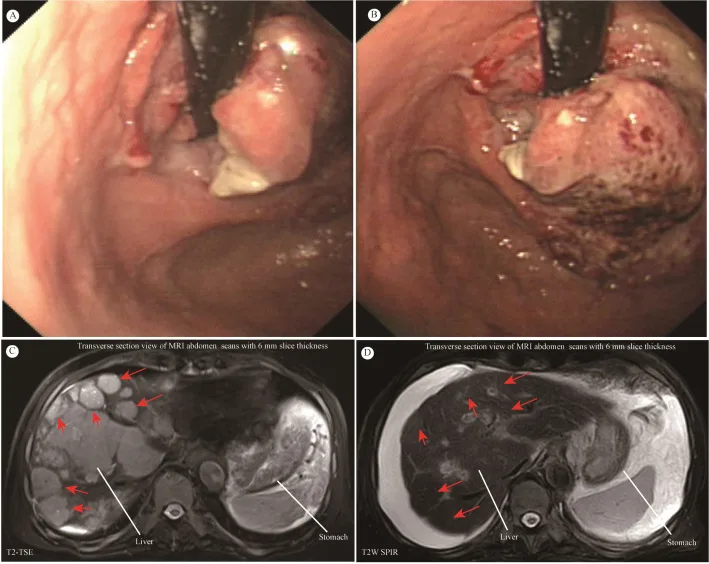
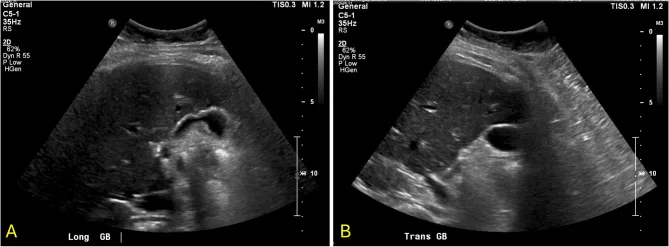
ER/PR/HER2-positive breast cancer: gallbladder, liver, lung, pleural, and bone metastases after incomplete adjuvant therapy

Patient Info: Anonymized, Female, 40s | Stage IV

Biomarkers: Triple-positive breast cancer. Gallbladder metastasis kept ER/PR/HER2 positivity and Ki-67 >40%; markers supported breast origin.

Metastatic Site: gallbladder, liver, lung/pleura, bone

The patient died 3 years and 10 months after lumpectomy after metastatic ER/PR/HER2-positive breast cancer involved the gallbladder, liver, lungs/pleura, and bones following incomplete adjuvant therapy and loss to surveillance.

PubMed Central
OutcomeIn Memory
A patient, who was diagnosed with Stage IV Lung AdenocarcinomaLung Cancer

Stage IVB ROS1-rearranged lung adenocarcinoma with bilateral ocular metastases: durable response to entrectinib

Patient Info: Anonymized, Male, 40s | Stage IV

Biomarkers: EZR-ROS1 fusion with mutation frequency 42.99%; TTF-1-positive in lung and left-eye tumor tissue

Metastatic Site: bilateral uveal/ocular metastases; bronchial lymph…

After about 3 years on entrectinib, systemic disease remained well controlled with partial remission, both eyes had best corrected visual acuity of 20/20, and no treatment-related discomfort or adverse events were reported.

PubMed Central
OutcomeResponding Well
A patient, who was diagnosed with Stage IV Non-Small Cell Lung CancerLung Cancer

Stage IVA EGFR-mutant lung adenocarcinoma: response to triple targeted therapy and surgery

Patient Info: Anonymized, Female, 50s | Stage IV

Biomarkers: Initial EGFR exon 19 deletion; acquired BRAF V600E mutation in progressive lesion while EGFR exon 19 deletion persisted

Metastatic Site: pleura, pulmonary metastases; mediastinal and left…

As of May 2025, she continued osimertinib, dabrafenib, and trametinib after segmentectomy/lymphadenectomy, with 1% viable residual tumor in resected lung lesions, complete nodal pathologic response, and no disease progression.

PubMed Central
OutcomeResponding Well
A patient, who was diagnosed with Stage IV Colorectal CancerColorectal Cancer

Resected Stage IV colorectal cancer: no recurrence during xeligekimab treatment for psoriasis and hidradenitis suppurativa

Patient Info: Anonymized, Male, 40s | Stage IV

Biomarkers: No colorectal molecular biomarkers reported. CEA slightly high at follow-up; HBV DNA stayed suppressed on antiviral treatment.

Metastatic Site: liver

Six years after colorectal cancer surgery with liver-metastasis resection, surveillance showed no recurrence; during 28 weeks of xeligekimab follow-up, imaging and tumor markers showed no tumor progression.

PubMed Central
OutcomeCancer-Free / NED
Nikoo, who was diagnosed with Stage IV Invasive Lobular CarcinomaBreast Cancer

Stage IV Invasive Lobular Carcinoma: Nikoo's Patient Story

Patient Info: Nikoo, Female, 40s | Stage IV

Biomarkers: BRCA1/2 negative; PIK3 mutation reported on liquid biopsy

Metastatic Site: Peritoneal/abdominal lining; abdominal lymph nodes

Nikoo had Stage I invasive lobular breast cancer in 2003 and developed Stage IV metastatic recurrence in 2022 after about 19 years. As of October 2025, she was living with metastatic lobular breast cancer, had moved through multiple systemic options, and was participating in a Phase 1 clinical trial.

The Patient Story
OutcomeSetback / Progression
A patient, who was diagnosed with Stage IV Invasive Lobular CarcinomaBreast Cancer

Triple-negative metastatic breast cancer with pituitary metastasis: symptom relief after debulking

Patient Info: Anonymized, Female, 60s | Stage IV

Biomarkers: Pituitary metastasis was triple-negative breast cancer with no HER2 amplification.

Metastatic Site: liver; bone/skull; right breast; left orbit/optic…

Transsphenoidal debulking relieved visual symptoms and 6-month MRI showed no pituitary recurrence, while known metastatic breast cancer at other sites remained part of her ongoing cancer course.

PubMed Central
OutcomeLiving With Cancer